REVIEW · NEW DELHI
Delhi: National Museum Tour
Book on GetYourGuide →Operated by Crystal India Holidays · Bookable on GetYourGuide
Museums beat wandering when time is tight. This National Museum tour in New Delhi is a smart, guided way to see major Indian art and archaeology without building your own route. In one sitting, you’ll move from Harappan finds to miniature paintings, then wrap up with decorative arts and arms and armour.
I especially liked the Harappan Civilization Gallery, where you can study everyday objects like pottery and seals and connect them to how people lived. I also liked the way Divi, one of the guides reported by the tour, explained what you’re looking at in plain language, and how the art links to real places and eras.
One thing to keep in mind: the visit can run a bit shorter than you expect (some areas may not be open), so if you’re the type who wants to linger forever in every room, you might feel a little rushed. The fix is simple: go in with a priority list, and ask your guide what’s currently accessible.
In This Review
- Key points worth planning for
- Why the National Museum fits Delhi time constraints
- Pickup, transport, and how the timing usually feels
- Harappan Civilization Gallery: Indus Valley clues in pottery and seals
- Maurya and Gupta art: where sculpture shows political change
- Buddhist Art Section: relics, statues, and the story of spread
- Miniature Paintings Gallery: the value of looking close
- Decorative Arts Gallery: jewelry, textiles, and the craft behind the beauty
- Arms and Armour Gallery: design, materials, and function
- Special exhibit time, then the museum shop and café
- Price and value: what you actually get for $17
- Who should book this Delhi National Museum tour
- Should you book this tour?
- FAQ
- How long is the National Museum tour?
- Is this a private tour?
- What language is the guide?
- Where can pickup and drop-off happen?
- What is included in the price?
- Are meals included?
- Which galleries are part of the tour?
- Can I get a full refund if I cancel?
- Do I have to pay immediately?
Key points worth planning for
- Indus Valley (Harappan) artifacts that show up as pottery, seals, and sculptures, not just textbook names.
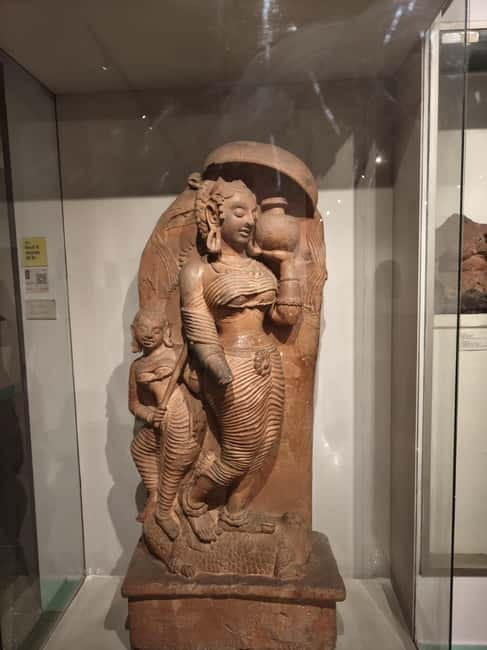
- Maurya and Gupta art rooms that help you see changes in style across major periods.
- Buddhist art section with relics, statues, and murals tied to the spread of Buddhism across Asia.
- Miniature paintings where technique and theme matter more than distance from the wall.
- Decorative arts plus arms and armour, so you get craft and function, not only gallery art.
Why the National Museum fits Delhi time constraints
If you only have a day (or a half-day) in Delhi, you’ll appreciate tours that keep your feet moving and your brain fed. The National Museum is built for that: you get a guided pass through major collections in a tight window, and you’re not stuck choosing between archaeology, painting, and decorative craft on your own.
What makes this tour feel worth it is the variety. You’re not just looking at one category of objects. You’re switching gears from ancient urban life (Harappan) to political-era sculpture (Maurya/Gupta), then onto religious art (Buddhist section), and finally into the close-detail world of miniature paintings and craftsmanship you can recognize even if you’re not an art expert.
Also, the private format matters more than people think. A guided route helps you avoid wasting time interpreting everything at once. You’ll get direction on what to focus on in each room, and you can ask questions as you go.
You can also read our reviews of more museum experiences in New Delhi

Pickup, transport, and how the timing usually feels
You’ll get pickup from your hotel, airport, Delhi train station, or any chosen spot in Delhi, Noida, or Gurugram. That matters in Delhi, where getting across town can eat hours. You’ll ride in a private, air-conditioned car, and you’ll have bottled mineral water during the journey.
Duration is listed as 1.5 to 2.5 hours, and you’ll see a typical guided visit described as about 3 hours with a photo stop included. In practice, the exact pacing depends on what’s open and how quickly you move through each gallery. One guide-led experience was shorter than expected, but the guide made up time by taking the person to Indian Gate afterward—proof that flexibility can happen when the guide is paying attention.
My practical advice: treat this as a focused highlights tour, not a museum marathon. If you want a slower, deeper second visit, you can always come back later with fresh energy.
Harappan Civilization Gallery: Indus Valley clues in pottery and seals
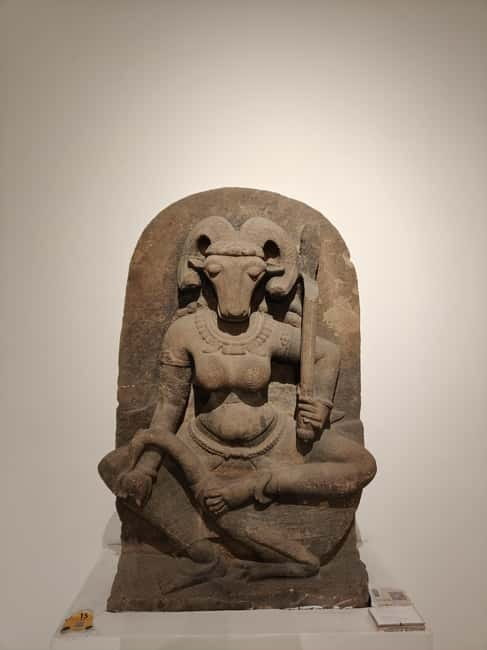
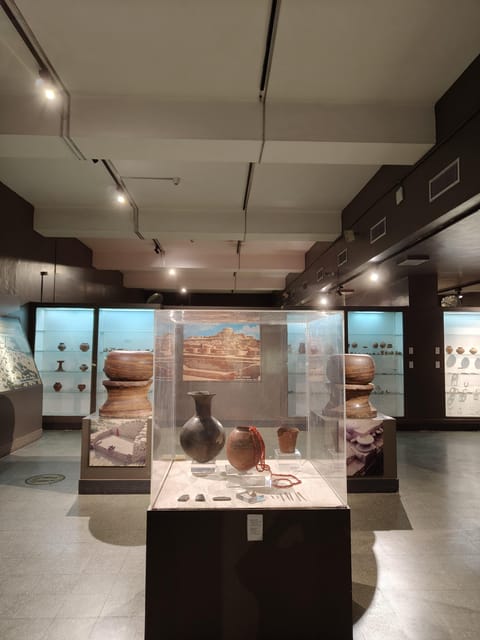
This is your entry point into the Indus Valley Civilization, also referred to as the Harappan Civilization. The gallery includes artifacts like pottery, seals, and sculptures. You’re not just admiring objects—you’re learning how those items reflect urban planning and daily life.
Here’s what I find useful when you’re looking at Harappan material culture: focus on patterns and function. Seals, for example, tend to be small but powerful. They can tell you something about administration and identity. Pottery helps you see what people cooked with, stored with, and lived around. When a guide connects these objects to daily habits, the whole era stops feeling abstract.
This part of the tour is great for first-timers. Even if you don’t know Indian archaeology terms, a guided explanation helps you understand why these finds are important and what they suggest about how people organized their communities.
Maurya and Gupta art: where sculpture shows political change
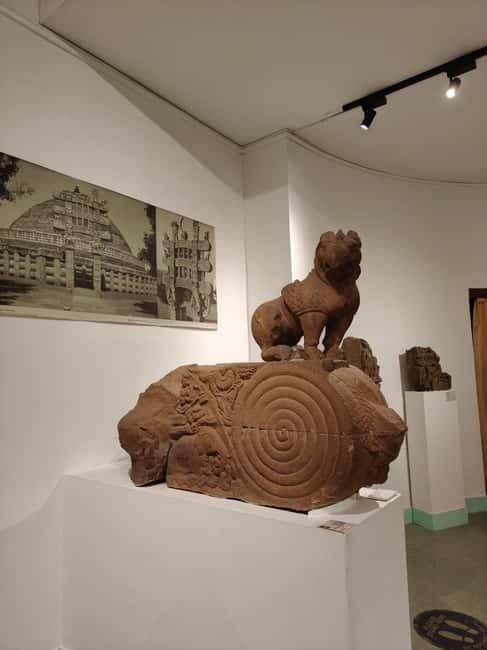
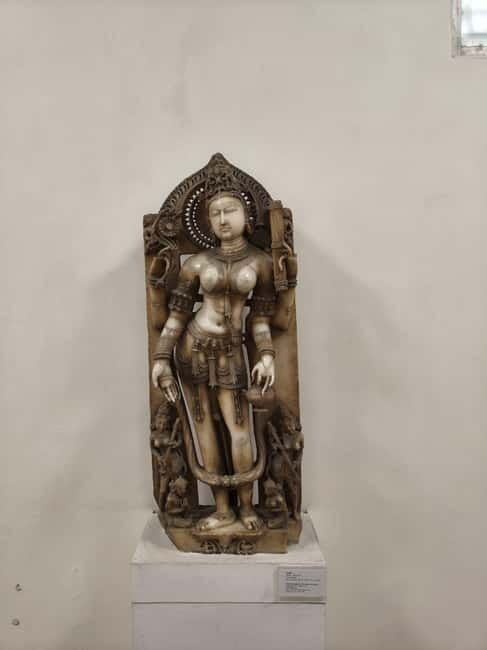
Next you’ll move into the Maurya and Gupta art sections. Expect sculptures and related artifacts from these influential periods in Indian history, with an emphasis on how art and architecture evolved over time.
What I like about putting Maurya and Gupta back-to-back is that it makes change easier to notice. If you’ve ever felt lost comparing eras in museums, this layout-style approach helps. The guide’s job is to point out what’s different in form and how the art reflects the period that produced it.
Practical tip: don’t rush your viewing. Even if you only spend a few minutes per cluster of objects, give yourself enough time to notice differences in style, proportion, and subject matter. That’s where the “evolution” the guide describes becomes real.
Buddhist Art Section: relics, statues, and the story of spread
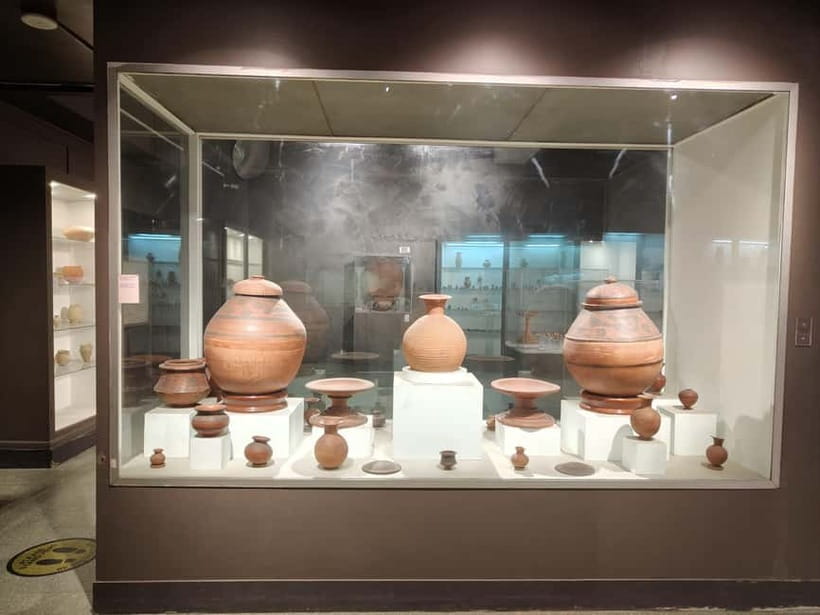
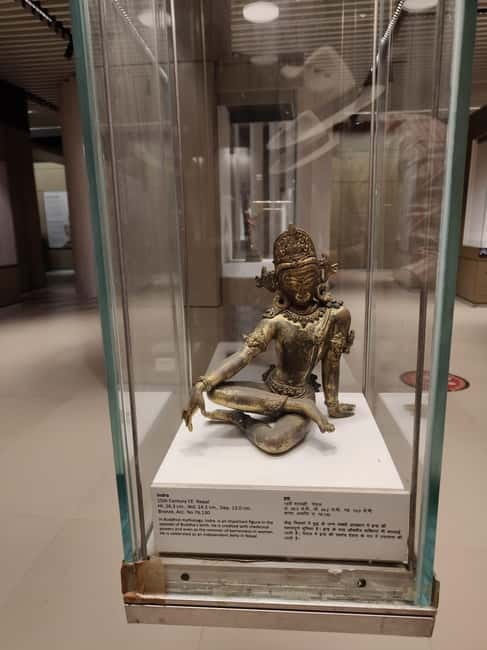
In the Buddhist Art Gallery, you’ll see relics, statues, and murals from different regions. The guide’s explanation centers on how Buddhism spread across Asia and the cultural impact that followed.
This gallery works especially well if you enjoy religion-as-culture rather than religion-as-only-belief. Buddhist art often travels with trade routes and communities, so it tends to pick up local visual languages as it spreads. When your guide points out those connections, you start seeing the “why” behind the visual similarities and differences.
If you like museum moments where you actually learn something you can reuse later, this is one of them. After this section, you’ll have a clearer sense of how religious themes can become visual storytelling across centuries and geographies.




Miniature Paintings Gallery: the value of looking close
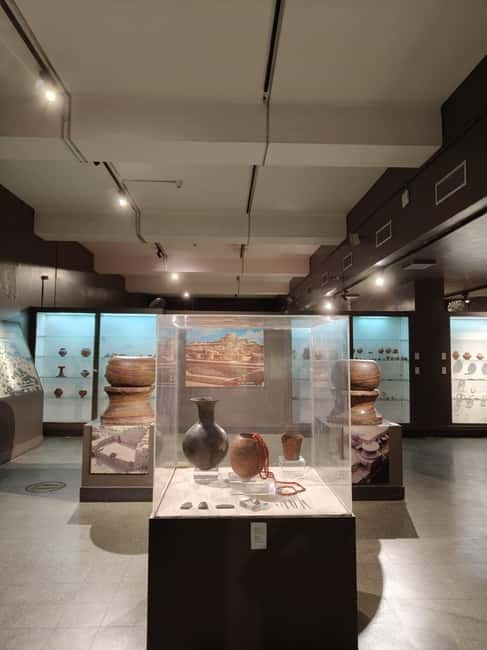
Then you’ll head to the Miniature Paintings Gallery, one of the most rewarding stops if you pay attention to detail. These works come from different parts of India, with themes and techniques explained as part of the tour context.
Miniature paintings reward patience. Even if the paintings look small from far away, the story and technique tend to reveal themselves as you get closer. The guide will help you understand historical context and what kinds of themes show up, which makes them easier to interpret than a simple “pretty artwork” label.
Practical note: go slow here. If you treat this room like a quick walk-through, you’ll miss the point. Miniatures are about precision and symbolism, not speed. If you feel yourself glazing over, slow down and ask the guide what to look for in a specific painting.
Decorative Arts Gallery: jewelry, textiles, and the craft behind the beauty
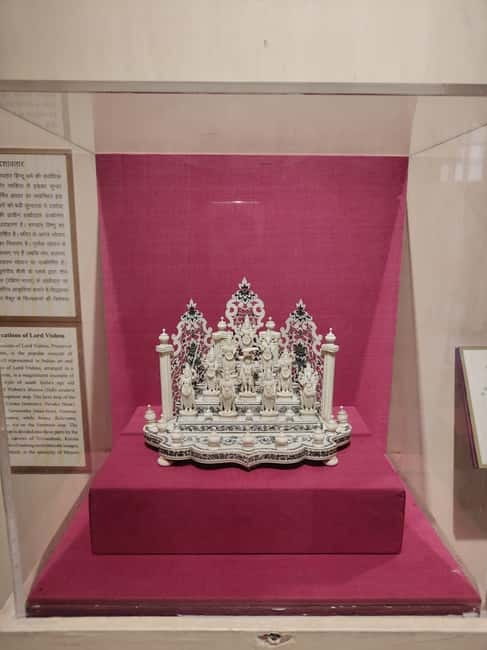
The next gallery focuses on decorative arts, including jewelry, textiles, and decorative objects. This is where the tour becomes less about monumental art and more about craftsmanship you can recognize as skillful and intentional.
This section is valuable because it helps you understand how art can be part of everyday life. Jewelry isn’t only decoration; it can represent cultural identity, status, and even regional traditions. Textiles carry technique and pattern knowledge that often gets passed down across generations.
You’ll probably leave this room with more practical ideas for shopping later. Instead of buying random souvenirs, you’ll know what kinds of craftsmanship were actually on display—so your purchases feel connected to what you saw in the museum.
Arms and Armour Gallery: design, materials, and function
The Arms and Armour Gallery shows weaponry and armor from different periods. This is a visually striking stop, but it’s also educational because it explains the evolution of military technology and highlights the artistry involved in making these pieces.
I like that this gallery doesn’t treat weapons as just violent objects. When a guide frames them as technology plus design, you start noticing construction details, materials, and the blend of function and ornament.
If you’re traveling with someone who thinks museums are always boring, this room often works. It’s hands-on to the imagination even when you’re not touching anything. And it gives you a broader sense of how craftsmanship served different needs—protection, power, and status.
Special exhibit time, then the museum shop and café
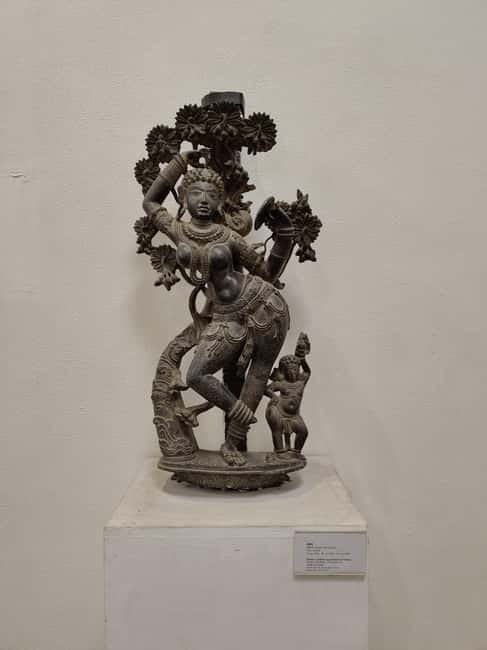
If time allows, you may also visit a special exhibit or temporary gallery. This could range across themes, including contemporary art or specific cultural artifacts. It’s a good “bonus” because it changes your experience from a fixed checklist to something slightly flexible.
At the end, you’ll conclude at the museum shop. You can purchase souvenirs, books, and replicas of artifacts. Then you’ll have a chance to relax at the museum café with a light snack or refreshment before being dropped off.
This ending matters because it turns information into something you can take home. A museum can be memorable, but a book or a well-chosen souvenir often makes it stick longer than photos alone.
Price and value: what you actually get for $17
At $17 per person, this tour is priced like a practical add-on for history and art lovers, not like a premium museum day with lots of extras. The value comes from what’s included:
- Private tour with a local government-approved guide
- National Museum entrance tickets
- Private air-conditioned car transport
- Bottled mineral water during the journey
- All taxes, fees, and handling charges
- Personal care and attention
Meals aren’t included, so plan for that. But for the museum time you get—plus guided direction through multiple galleries—that cost often feels reasonable, especially if you’re not trying to piece together transport and tickets on your own.
If you’re traveling solo, the private format can still be worth it because you’re buying convenience and clarity. If you’re traveling as a small group, it can be even more appealing because everyone benefits from the guided flow.
Who should book this Delhi National Museum tour
This tour is a strong fit if you:
- Want a guided highlights route through Harappan, Maurya/Gupta, Buddhist art, miniatures, decorative arts, and arms and armour
- Prefer private transport so you don’t lose half your day navigating
- Like museum learning that connects objects to the bigger story
- Want flexibility without sacrificing structure
It’s also a good option for your first visit to Delhi’s museum scene, because it gives you a sense of what you’ll want to explore more later.
If you’re the type who expects every room to run slowly and deeply, you may feel limited by the 1.5 to 2.5 hour window. Still, you’ll leave with a clear mental map.
Should you book this tour?
Book it if you want an efficient, guided way to understand major strands of Indian art and archaeology in a single go—especially the Harappan start and the miniature painting stop. The private transport, included entrance tickets, and guide-led pacing make it a good value at this price point.
Skip it only if you’re trying to do a long, no-rush museum study day. With this format, you’re choosing breadth over lingering. If that sounds like your style, you’ll probably be happy.
If you do book, I’d recommend going in with a short priority list: one room for archaeology (Harappan), one for religious art (Buddhist section), and one for detail (miniature paintings). That’s how you get the most satisfaction from the time you have.
FAQ
How long is the National Museum tour?
The duration is listed as 1.5 to 2.5 hours, and the guided visit can be around 3 hours including a photo stop depending on timing and what’s open.
Is this a private tour?
Yes. It’s a private group tour.
What language is the guide?
The live tour guide is available in English.
Where can pickup and drop-off happen?
Pickup is offered from your hotel, Delhi airport, Delhi train station, or any desired location in Delhi, Noida, or Gurugram. Drop-off is the same.
What is included in the price?
Entrance tickets for the National Museum, a local government-approved guide, private air-conditioned car transport, bottled mineral water during the journey, and all taxes/fees/handling charges are included.
Are meals included?
No, meals aren’t included.
Which galleries are part of the tour?
You’ll visit the Harappan Civilization Gallery, Maurya and Gupta art sections, the Buddhist Art Gallery, the Miniature Paintings Gallery, the Decorative Arts Gallery, and the Arms and Armour Gallery. A special or temporary gallery may be added if time allows.
Can I get a full refund if I cancel?
Free cancellation is available up to 24 hours in advance for a full refund.
Do I have to pay immediately?
No. There’s a reserve now and pay later option, so you can book without paying right away.