REVIEW · NEW DELHI
Delhi Street Art Tour
Book on GetYourGuide →Operated by Reality Tours and Travel Private Limited · Bookable on GetYourGuide
Street art and old monuments can share a bench here. This Lodi Gardens plus Lodhi Art District route turns Delhi’s usual chaos into a calm loop of tombs, mosques, and public murals. When the guide is Sourav (or Vijay, Khushi, Stanley), you get the stories behind what you’re seeing, not just a walk-by photo spree.
My favorite part is how the tour mixes two kinds of sightseeing—history you can read in stone, and street art you can read in paint. The one thing to consider: it runs rain or shine, and you’ll be on your feet through gardens and backstreets, so plan for steady walking.
In This Review
- Key Highlights to Look Forward To
- A Calm Pocket of Delhi: What This 3-Hour Walk Really Delivers
- Khan Market Start: Coffee, Design Streets, and an Easy First Step
- Getting to Lodi: A Short Public Transport Segment That Saves Time
- Lodhi Art District: India’s First Open Art Gallery on Foot
- What’s the vibe like?
- How to Read Murals Like a Local (Without Acting Like One)
- Lodi Gardens: Tombs, Mosques, and Bridges From the Sayyid and Lodhi Periods
- The main drawback here
- Photo Stops and Free Time: Built for Real Viewing, Not Sprinting
- Break Time Near a Local Restaurant (and What That Means for Your Budget)
- What I’d do
- Price and Inclusions: Is $26 Good Value for Delhi?
- Practical Stuff You Actually Need: Shoes, Rules, and Weather
- Meeting Points and Drop-Off: Where You’ll Start and End
- Best For: Who Should Book This Street Art and Gardens Walk
- Who Might Skip It: The One-Stop Monument Crowd
- Should You Book This Tour?
- FAQ
- How long is the Delhi Street Art Tour?
- What’s included in the $26 price?
- Where does the tour start and end?
- Does the tour run in bad weather?
- Do I need to bring anything?
- What items are not allowed?
Key Highlights to Look Forward To
- Khan Market coffee reset at the start, so the day starts easy
- 90-acre Lodi Gardens with 15th-century tombs, mosques, and bridges
- Lodhi Art District as India’s first open public art gallery area
- Mural stories with artist context, often tied to major public-art projects
- Guide-as-photographer moments, with time to stop, frame, and wander
A Calm Pocket of Delhi: What This 3-Hour Walk Really Delivers
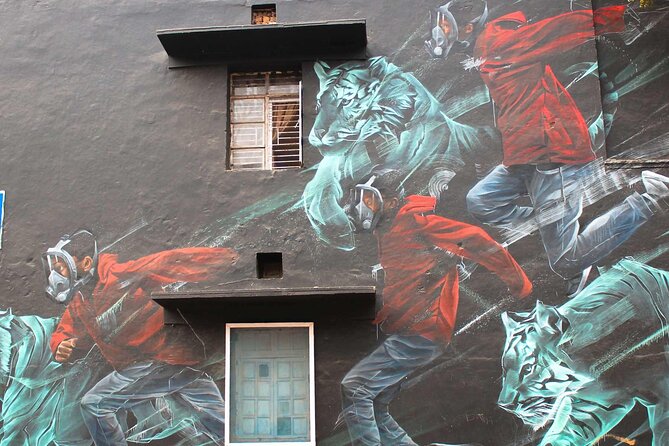
This tour works because it gives you contrast. You start in Khan Market’s design-forward, people-watching vibe, then move into Lodi Gardens where the pace slows, and finally land in the Lodhi Art District where walls become the main attraction.
I like that the route isn’t built around checking boxes. You’re learning how Delhi layers eras—Sayyid and Lodhi-period architecture beside modern mural-making—and you walk between them without feeling rushed.
One more big plus: it’s built for people who want something different from the usual temples-and-forts pattern. If you’re already saturated with classic sights from Rajasthan, this is a smart change of gear without leaving Delhi’s depth behind.
You can also read our reviews of more tours and experiences in New Delhi



Khan Market Start: Coffee, Design Streets, and an Easy First Step
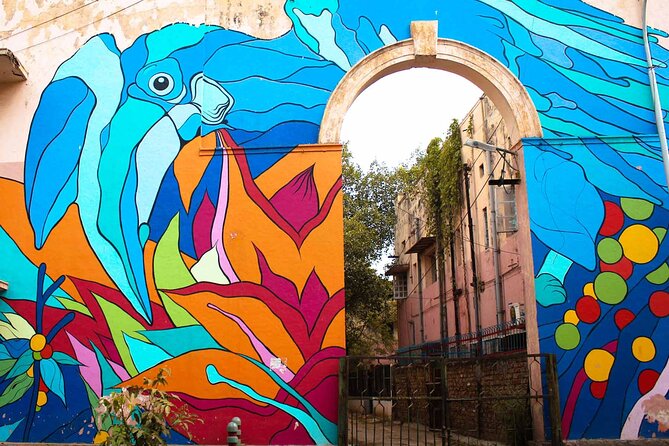
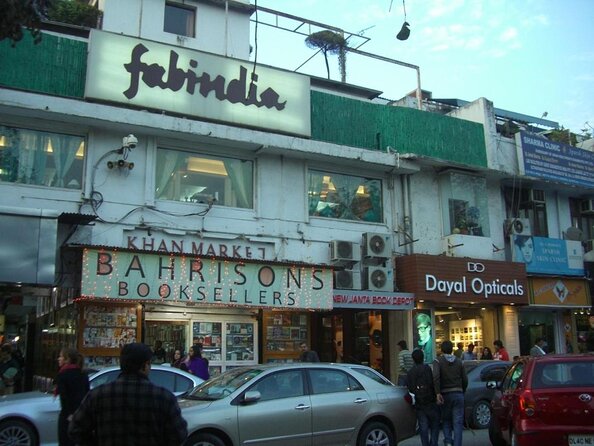
Khan Market is a great place to begin because it feels like a curated Delhi day without trying too hard. Before you head into the quieter historic and art areas, you stop for coffee and a quick orientation—exactly what you want when the rest of the city can feel loud and crowded.
You’ll also get a short guided look around before you move on. It’s not about shopping for hours; it’s about getting your bearings fast and letting the guide set the theme for the day: modern Indian design meeting traditional aesthetics.
Practical tip: if you’re the type who likes to photograph hands, signs, street textures, and storefront details, this early stretch gives you a clean warm-up without the pressure of chasing big sights.
Getting to Lodi: A Short Public Transport Segment That Saves Time
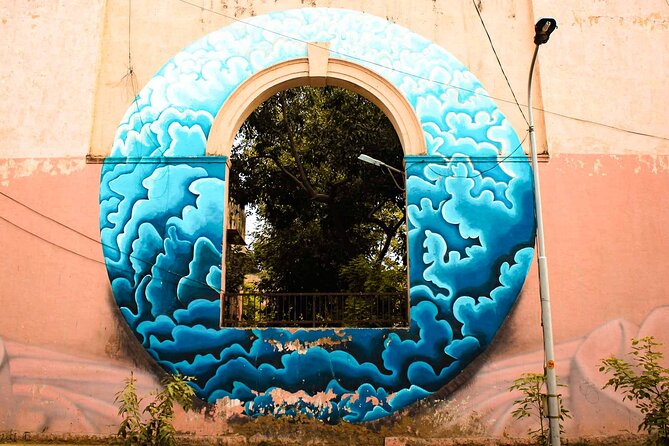
Once you leave the Khan Market area, the tour uses public transport for about 15 minutes. That matters because Delhi distances can be deceptive—you save energy for the walking parts that actually matter.
After that, you shift into the slow, steady rhythm of sightseeing on foot. Expect a route that favors your legs and eyes, not your patience.
If you tend to get antsy in transit, don’t worry. The schedule is tight enough to keep you moving, but there are also photo stops and free time built in.
Lodhi Art District: India’s First Open Art Gallery on Foot
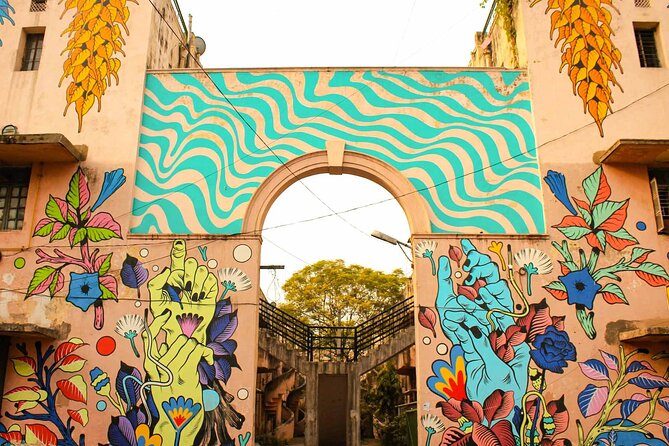
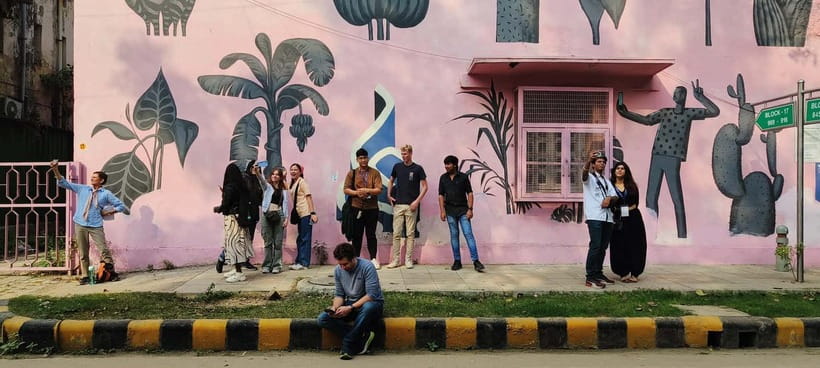
The Lodhi Art District portion is the main show for street art fans. You’ll spend about an hour moving through the neighborhood’s public murals, with photo stops and guided time where the guide explains what you’re looking at.
This is more than street art as decoration. The murals are tied to real people, real locations, and public-art efforts that brought artists and communities into the same frame. In tours led by Sourav, you may hear detailed context around public murals connected with projects like St+art India Foundation and the partnerships behind them.
Here’s the best part for you as a visitor: you don’t need to be an art expert. The guide helps you notice patterns—subject choices, symbolism, and why particular walls became canvases in the first place.
What’s the vibe like?
It’s not a museum crawl. You’ll walk, pause, and look at murals at close range. And because this area is calmer than much of central Delhi, you can actually take your time without the mental noise of constant crowds.






How to Read Murals Like a Local (Without Acting Like One)
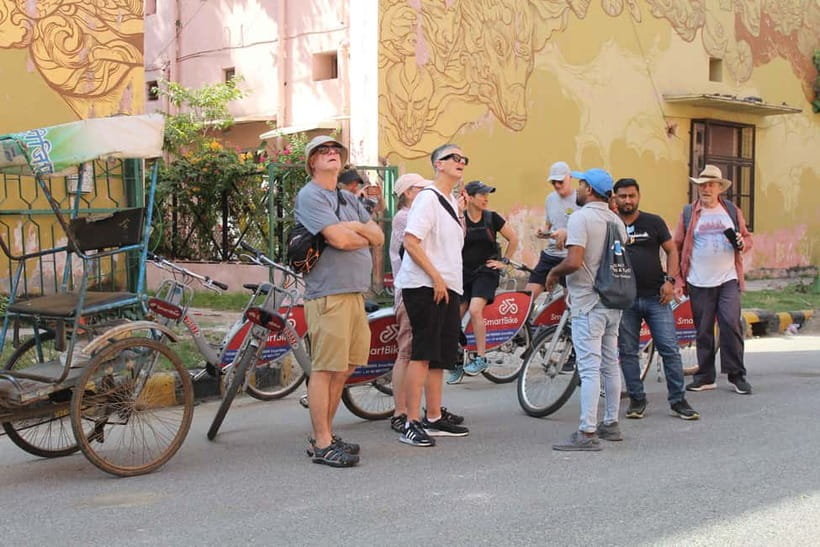
When guides talk about murals, they usually cover more than the artist name. On tours like this, you get the story behind each mural’s themes and why it landed in that specific neighborhood.
I love this teaching style because it changes how you photograph. Instead of aiming for a pretty picture, you start looking for what the mural is saying—who the subjects might be, what’s being referenced, and how the city’s identity shows up on a wall.
If you’re traveling with a phone camera, bring one charged battery. You’ll likely want a few extra shots: wide views for the neighborhood feel, then close-ups for textures and details.
Also, expect the guide to act as a photo helper. That doesn’t mean a full production. It just means you’ll get cues on angles, where to stand, and when to step aside so your mural photos look intentional.
Lodi Gardens: Tombs, Mosques, and Bridges From the Sayyid and Lodhi Periods
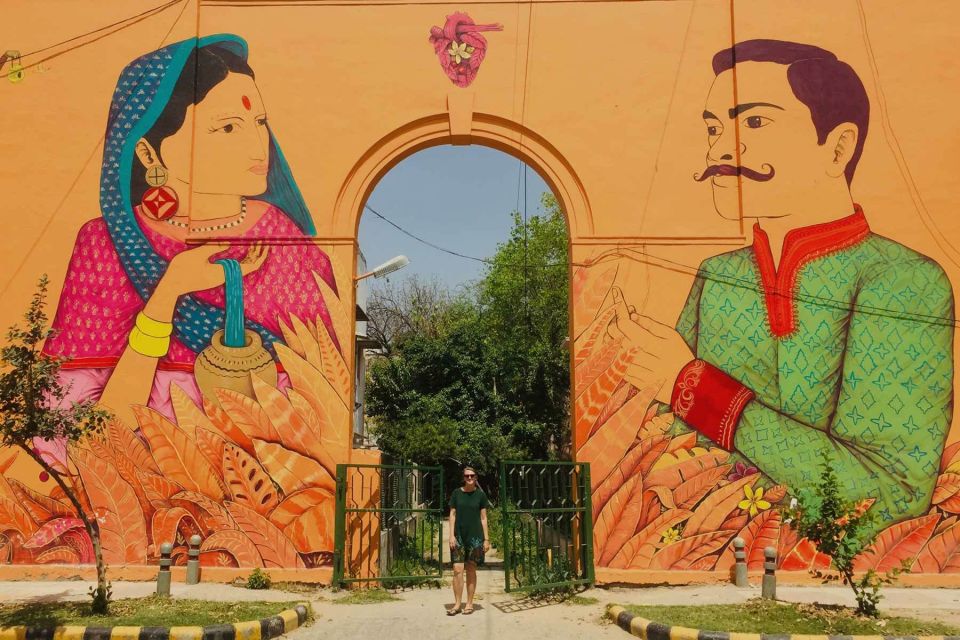
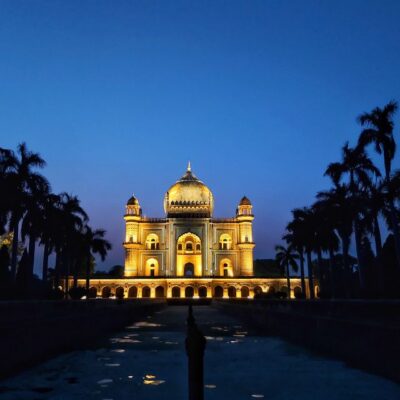
After the street art, the tour switches gears to Lodi Gardens. This is a 90-acre space, and the change in scenery is real. One moment you’re reading murals; the next you’re reading architecture—tombs, mosques, and bridges from the 15th century tied to the Sayyid and Lodhi periods.
This part feels special because it gives you structure. The gardens aren’t just green space; they’re a setting where monuments sit in a way that makes the era easier to understand. You’ll walk through key sights at a slow enough pace to notice shapes, layouts, and how the structures relate to their surroundings.
The main drawback here
It’s not a speed-walk. If you’re expecting big-screen views every 30 seconds, you might feel like you’re waiting for the next landmark. The reward is the opposite: you get time to look closely and understand how the garden’s history is written into the built environment.
Photo Stops and Free Time: Built for Real Viewing, Not Sprinting
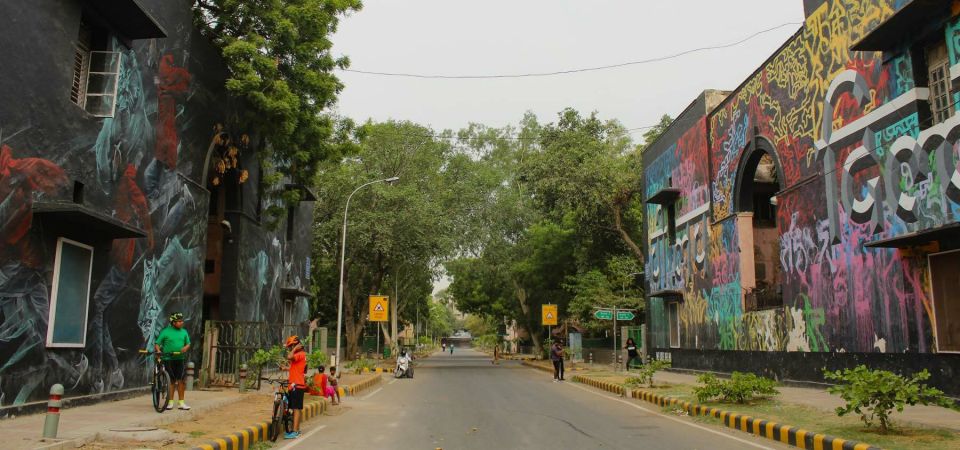
The tour rhythm is surprisingly humane. You’ll get photo stops and guided time in both the art district and the gardens, plus a stretch of free time in between.
In practice, that means you can linger at a mural that grabs you, then move on when you’re ready. It also means you don’t have to keep up with a group of strangers sprinting from one spot to another.
If you’re using Instagram a lot, this format is helpful. The guide often points out good spots, and the free moments give you time to compose shots without feeling like the whole city is staring at your tripod setup.
Break Time Near a Local Restaurant (and What That Means for Your Budget)
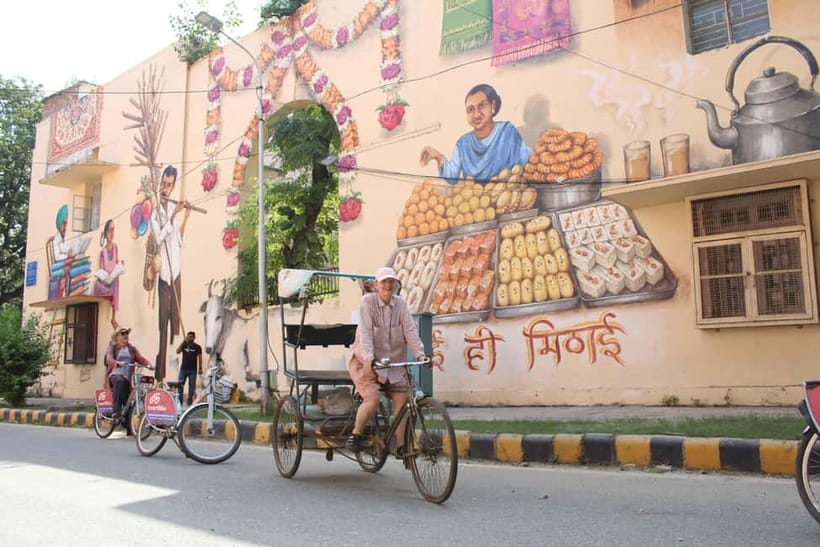
You’ll have a break time of about 15 minutes near a local restaurant. Food is not included in the price, so this is your chance to grab something quick and keep the tour energy steady.
This is the kind of stop that works well if you have mid-tour hunger. It’s short enough that you don’t lose the flow of the day, but long enough that you’re not wandering around the end of the walk cranky.
What I’d do
If you’re sensitive to heat or tired easily, this is the moment to refill water and pick something simple. No need to make it a full meal unless you’re running late elsewhere in your trip.
Price and Inclusions: Is $26 Good Value for Delhi?
At about $26 per person for a 3-hour experience, the value is strongest when you care about interpretation. You’re paying for an English-speaking local guide, not just access to sights.
What’s included is straightforward: a local English-speaking guide plus water or a cold drink. That’s a real benefit in Delhi, where a little hydration can save the day.
What’s not included is also clear: entry tickets and food aren’t part of the price. So you should budget for small extras, especially if you want a drink or snack during the break.
I think the best value comes from the mix of stops. You’re not only walking in one theme. You’re connecting public art and 15th-century monuments, which costs a lot more time and effort if you try to DIY it without local context.
Practical Stuff You Actually Need: Shoes, Rules, and Weather
This tour is rain or shine. That’s important because you’ll be walking through gardens and outdoors areas. If you hate getting caught in sudden weather, bring a light rain layer or umbrella you can manage safely.
You also need comfortable shoes. The surfaces can be uneven in historic garden areas and in pedestrian streets, and you’ll enjoy the tour more when your feet aren’t arguing with you.
There are some clear restrictions too. Weapons or sharp objects are not allowed, and luggage or large bags aren’t allowed. If you’re traveling with a bigger backpack, think ahead and keep it minimal for this one.
Meeting Points and Drop-Off: Where You’ll Start and End
Meeting points can vary depending on which starting option you choose. One of the listed start points is a WHSmith store, and the tour then uses public transport to reach the main areas.
At the end, you’ll drop off near Khan Market Metro Station or near Qureshi Kabab Treat Restaurants. That’s helpful because it puts you close to transit and easy onward plans.
If you like clean logistics, you’ll probably appreciate that the tour finishes in an area that’s practical for continuing your Delhi day.
Best For: Who Should Book This Street Art and Gardens Walk
This is ideal if you fall into any of these categories:
- You want street art with context, not just a photo hunt
- You like historic sites but want them in a calmer, less chaotic setting
- You’re in Delhi for a short time and want a compact route that links two themes
- You’re traveling with someone who likes photos and someone else who likes explanations (this tour balances both)
It’s also a good fit if you’re tired of standard sightseeing loops. This route gives you cultural depth without feeling like every stop is another temple line.
Who Might Skip It: The One-Stop Monument Crowd
If your idea of a perfect tour is nonstop must-see landmarks with big-ticket wow moments, you might find the pace slower here. The reward is interpretation and close looking, not dramatic spectacle every five minutes.
Also, if you dislike walking or you get stressed in rain, you’ll need a different plan for weather and comfort. The tour doesn’t pretend it will be easy-footed in bad conditions.
Should You Book This Tour?
Yes, if you want Delhi in a different gear—public murals, 15th-century monuments, and a calm pocket of the city—without spending the whole day commuting.
It’s also a great choice for value. For roughly $26, you’re buying time with a local English-speaking guide, plus water/cold drink, and the kind of explanation that makes street art and historic architecture easier to understand on the spot.
If you’re flexible on weather, wear decent shoes, and you like stories behind what you see, this tour is the kind of experience that makes Delhi feel personal instead of just crowded.
FAQ
How long is the Delhi Street Art Tour?
The tour lasts about 3 hours.
What’s included in the $26 price?
You get a local English-speaking guide and water or a cold drink. Entry tickets and food are not included.
Where does the tour start and end?
Meeting points may vary by the option you book, and a WHSmith store is one listed starting point. The drop-off options include Khan Market Metro Station and Qureshi Kabab Treat Restaurants.
Does the tour run in bad weather?
Yes. The tour runs rain or shine.
Do I need to bring anything?
Bring comfortable shoes. The tour is also listed as not allowing luggage or large bags.
What items are not allowed?
Weapons or sharp objects are not allowed, and luggage or large bags are not allowed.