REVIEW · NEW DELHI
Delhi Street Art Tour: Explore the Murals & Visit a Stepwell
Book on GetYourGuide →Operated by Explore Routes · Bookable on GetYourGuide
Street art in Delhi has real stories. This 3-hour small-group tour threads bright murals through the Lodhi Art District, then finishes at a centuries-old stepwell in the middle of New Delhi. The route is paced by a live storyteller guide (English, German), with a tuk-tuk ride and lots of stops built for photos.
I especially like how the guide connects what you see on the walls to real themes in India, from gender inequality and deforestation to sci-fi fantasies and famous characters. I also like that you get a proper sit-down South Indian breakfast—dosa and filter coffee—right after the stepwell so you’re not scrambling for food. One thing to consider: there’s walking and some tight spaces, so the tour is not suitable for mobility impairments.
In This Review
- Key highlights worth circling
- Lodhi’s street art: more than pretty walls
- Starting at Golden Bakery: how the day begins smoothly
- Pedicab to Lodhi Art District: settling into the art zone
- Hidden gem lanes and a quieter side of Lodhi
- Tuk-tuk ride and the best photo moments
- The centuries-old stepwell: ancient water tech in modern Delhi
- Breakfast at the right moment: dosa and filter coffee
- Price and value: what $38 buys you here
- Who should book this tour (and who should skip it)
- Booking in a nutshell: what you should plan for
- Should you book? My practical take
- FAQ
- How long is the Delhi Street Art Tour with the stepwell?
- How much does the tour cost?
- How many people are in the group?
- Where do I meet, and where does the tour end?
- What’s included in the tour price?
- What languages are the guides?
- What should I bring?
- Is the tour suitable for people with mobility impairments?
Key highlights worth circling
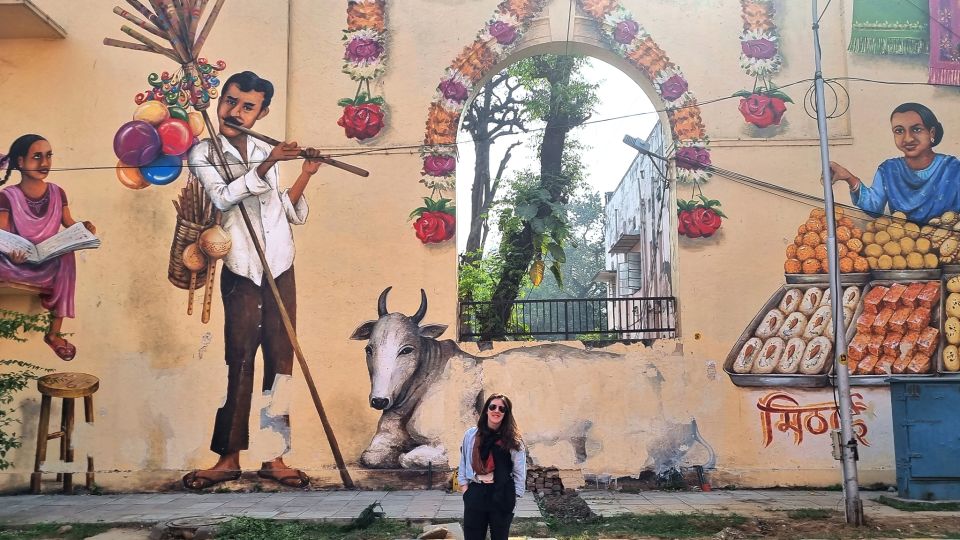
- Faizy-style storytelling that explains mural meaning, not just what’s painted
- Lodhi Art District murals in brightly painted lanes made for slow looking
- Tuk-tuk + short pedicab/rickshaw hops that keep the day moving
- Photo stops at some of the most Instagrammable backdrops
- A centuries-old stepwell that contrasts ancient water tech with tall modern buildings
- South Indian breakfast at a sit-down café with filter coffee (if you choose the breakfast option)
Lodhi’s street art: more than pretty walls
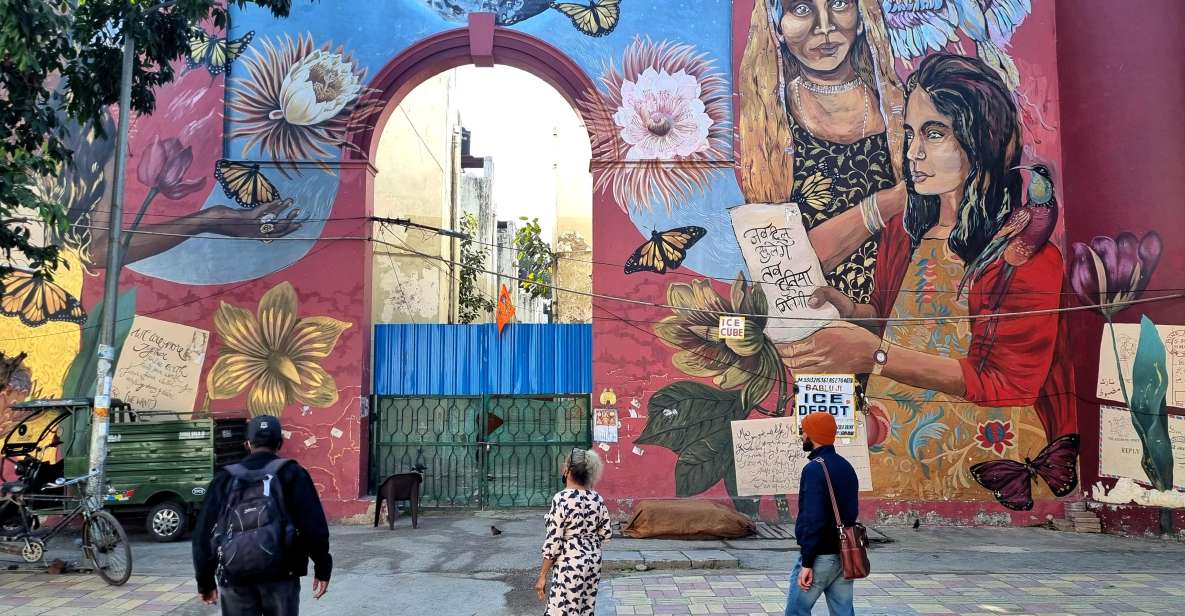
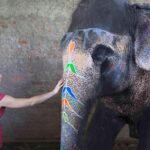
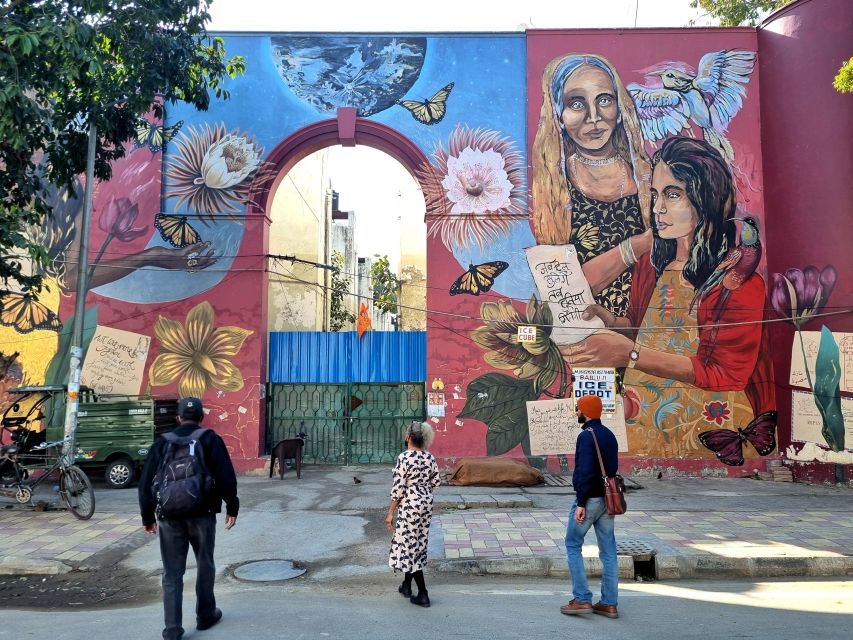
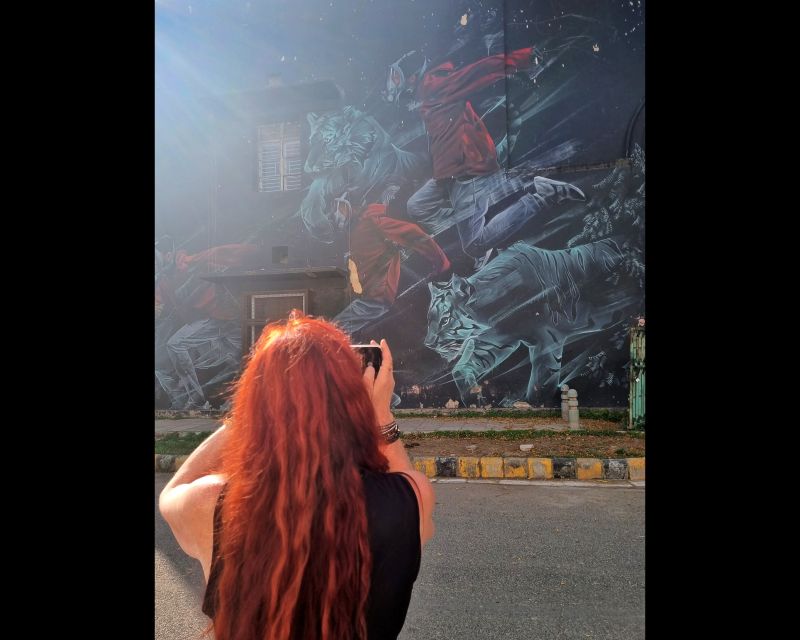
Delhi’s street art scene can feel like a blur if you’re only hunting for images. What makes this tour different is that you’re not just moving from mural to mural—you’re learning how the walls are talking back to the city. You’ll see work that covers big topics like gender inequality and deforestation, but also lighter sci-fi fantasies and recognizable pop-culture characters. That mix matters, because it keeps the art from turning into a single-note political poster.
I also appreciate the way the guide’s tone stays conversational and practical. Instead of throwing dates and jargon at you, you get story threads you can remember: why a certain style was used, what message a wall is trying to pass on, and how the artwork fits into Delhi’s neighborhoods. When you know what to look for, the photos get better too, because you’re not just framing a color explosion—you’re capturing a meaning.
And yes, it’s photogenic. But the tour doesn’t treat photography as the whole point. The photo stops are well-placed so you can pause, look longer, and then move on.
You can also read our reviews of more tours and experiences in New Delhi
Starting at Golden Bakery: how the day begins smoothly
You meet at Golden Bakery in Khanna Market, Lodhi Colony. That’s a solid choice because it’s easy to find as a landmark and it gets you oriented fast. You’ll be in a small group of up to 6, which keeps the pacing from turning into a herd sprint.
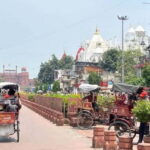
Right at the start, you’ll take a short hop by pedicab/rickshaw (about 10 minutes). In Delhi, those little transfers do a lot of good: they save your legs for the walking parts and they help you cover ground without feeling like you’re waiting around for traffic.
Practical tip: wear comfortable shoes. You’ll be on foot for multiple stretches, and the photo stops mean you’ll likely stop, look, and step back into position often. If you’re thinking about packing lightly, remember that luggage or large bags aren’t allowed on this tour.
Pedicab to Lodhi Art District: settling into the art zone
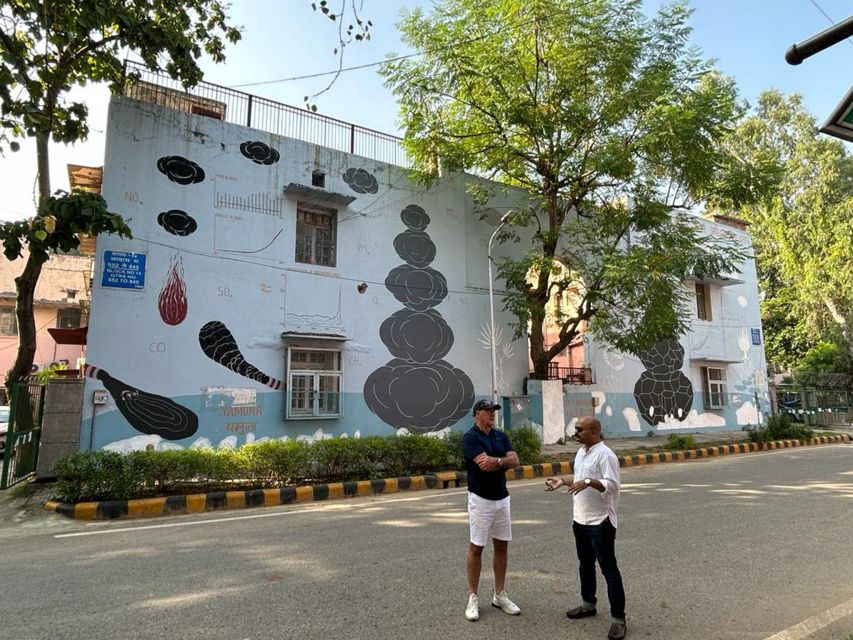
Once you’re in the Lodhi Art District, the tour shifts into a guided walk through painted lanes. Expect about an hour of walking with the guide leading you through murals while pointing out details you’d miss if you were on your own.
This is where the tour earns its keep. The guide doesn’t just say what the mural is; they explain why it’s there and how it relates to the local art and architecture scene. You’ll also pick up a sense of how Delhi’s street art has become a cultural outlet—sometimes hopeful, sometimes uncomfortable, always present.
If you’re the type who likes to understand context, this is your moment. You’ll come away with a better read on how public spaces in Delhi are being used for commentary, celebration, and sometimes confrontation.
Hidden gem lanes and a quieter side of Lodhi
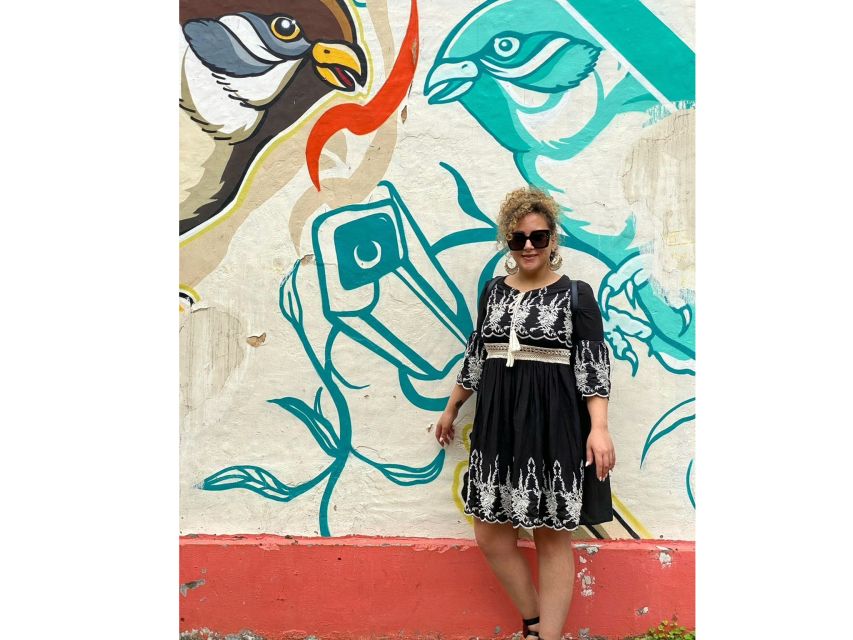
After Lodhi’s main art stretch, you’ll move into a hidden gem stop for about 20 minutes with a guided look. This is one of those parts that feels like the tour is showing you more than the obvious photos. The goal isn’t to find art in a perfect postcard way—it’s to show you how street art lives in everyday neighborhoods.
The pacing helps here. After a denser mural area, the quieter stop gives you mental space. I like these breaks because they make you look more carefully when you return to the action. Also, shorter segments with guidance mean fewer chances to get lost in a maze of side streets.
Expect another brief walking segment after that, plus a short additional on-foot stretch. If you’re doing this on a busy trip day, treat it as your “slow down and look” activity—not a rushed add-on between appointments.
Tuk-tuk ride and the best photo moments
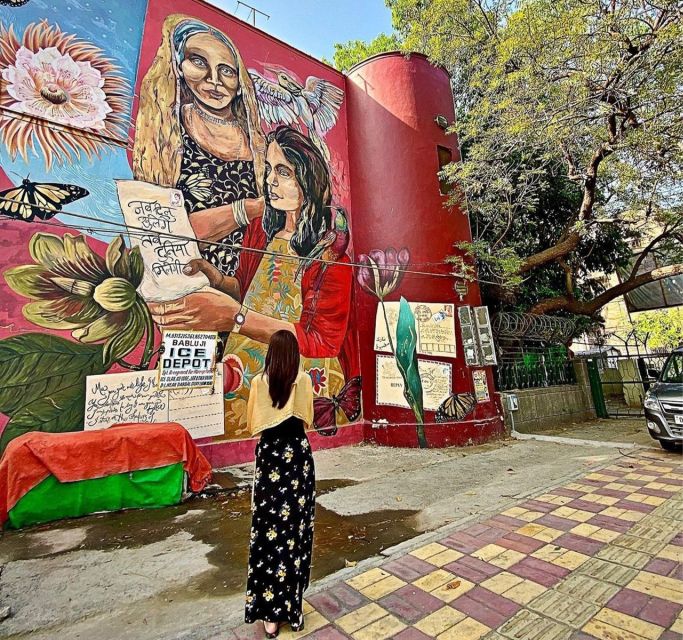
You’ll get a tuk-tuk ride for about 15 minutes. It’s not just for fun (though it is). The tuk-tuk helps break up the walking and it also changes your perspective—sometimes you see the next mural before you even reach the alley, which makes the tour feel like a guided discovery rather than a checklist.
Then come the secret photo stops, including a short stop specifically built for pictures (about 15 minutes). The murals here are some of the most “stop-and-frame” backgrounds, and the guide will help you time your photos so you can get the best angles without turning the whole moment into a crowd scene.
A small but smart detail: the guide will generally help with photo timing in the flow of the tour. If you don’t travel with a photographer friend, that matters more than people think.






The centuries-old stepwell: ancient water tech in modern Delhi
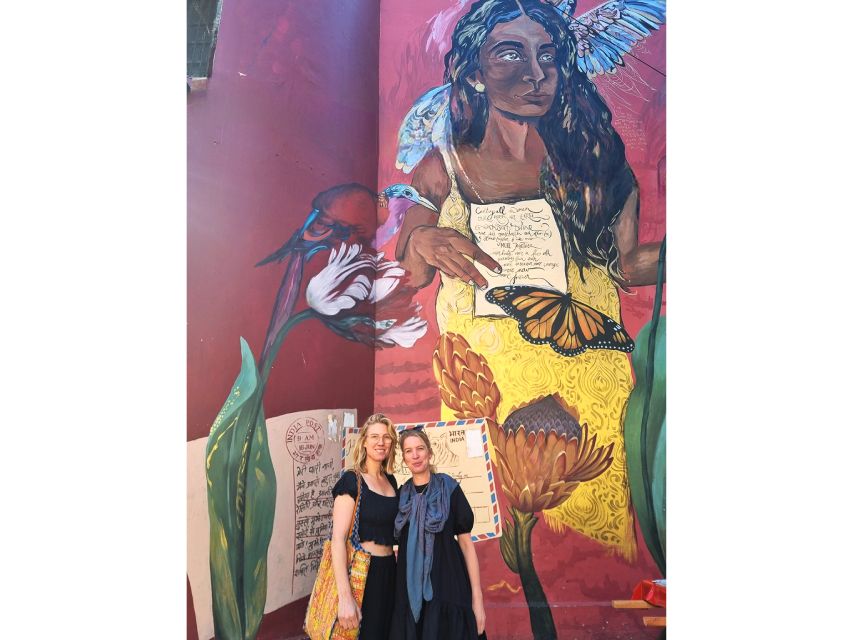
The tour’s standout contrast is the stepwell visit in the heart of New Delhi. You’re not seeing a temple from a distance or a monument from a viewpoint—you’re stepping into an ancient water reservoir space, where the architecture shows you how people once solved a daily problem: access to water.
This is where the tour becomes more than street art. The stepwell adds depth and texture to the day. It also sharpens the theme of “old meets new.” Tall buildings surround you visually, but the stepwell itself pulls you toward a slower, older way of thinking—design shaped by water, heat, and routine.
You’ll likely have a moment where you just stop and look. Even if you’re not a “ruins person,” the geometry and the concept behind it makes for a meaningful visit. And because it’s part of the same tour, you get an easy comparison: street art communicates today’s concerns on city walls, while the stepwell is architecture that supported life generations ago.
One note for your planning: there can be timing pressure in a 3-hour tour. If you’re the type who hates tight schedules, show up promptly at Golden Bakery so you’re not trading your best photo moments or stepwell time for a late start.
Breakfast at the right moment: dosa and filter coffee
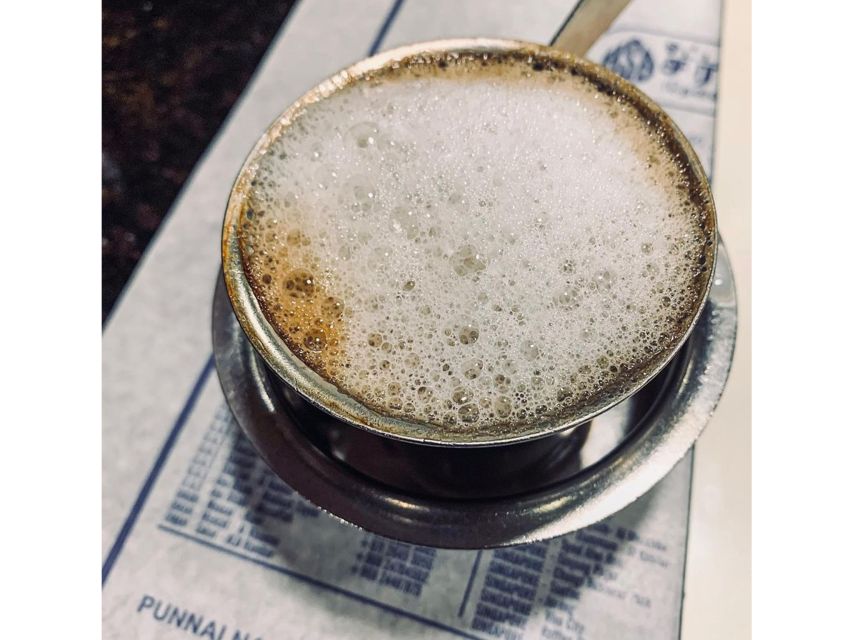
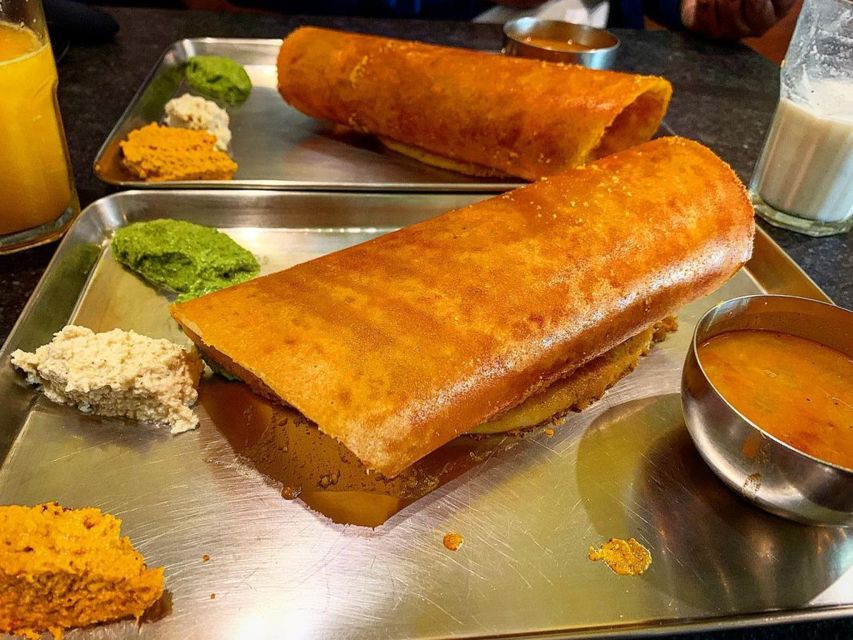
Ending with food is always a good travel move, and this tour picks the right kind of meal. After the art and the stepwell, you go to a famous South Indian restaurant for a sit-down breakfast. The menu focus is dosa and filter coffee, and the meal is given enough time to actually eat (about 45 minutes for the breakfast and tasting).
I like this because it keeps the tour from becoming only “look, walk, repeat.” You refuel in comfort, and the meal helps your brain settle after the stimulation of murals and photo stops. It also makes the tour feel like a cultural experience rather than a sightseeing route with a snack at the end.
If you have dietary needs: the tour data doesn’t spell out options beyond the South Indian breakfast setup, so you’ll want to check directly before booking if you’re sensitive to specific ingredients.
Price and value: what $38 buys you here
At $38 per person for a 3-hour guided experience, you’re paying for more than an Instagram-worthy walk. You’re getting:
- a live English-speaking storyteller guide (and English/German availability),
- a tuk-tuk ride (plus shorter local transport at the start),
- multiple guided stops built around murals and photos,
- and a sit-down South Indian breakfast with filter coffee if you select that breakfast option.
Is it a budget tour? Not exactly. But it’s also not just a quick street walk. The stepwell adds a different category of site, and the breakfast turns it into a full morning half-day instead of a short hop between sights. For me, the value comes from the guide’s storytelling—because without that, the murals can look like decoration. With it, you get the why behind the paint.
Who should book this tour (and who should skip it)
This is a strong match if you:
- love street art and want meaning, not just pictures
- enjoy learning how neighborhoods shape art (and how art shapes conversations)
- like a route with photo stops but still want a guided explanation
- want something more local-feeling than the standard Delhi sightseeing checklist
Skip it if:
- you have mobility limitations and need a more accessible format (the tour is not suitable for mobility impairments)
- you hate walking and standing for photos, since the day includes multiple on-foot segments
- you’re only looking for major tourist monuments; this tour is intentionally focused on a different Delhi
Booking in a nutshell: what you should plan for
If you book, plan to bring passport or ID, wear comfortable shoes, and consider bringing a face mask or protective covering. Keep your bag small because luggage or large bags aren’t allowed.
Also, because the day is only 3 hours, show up at Golden Bakery on time. The tour ends at Janpath Metro Station Gate No 2, so you can line up your next activity without a long scramble afterward.
Should you book? My practical take
Book this tour if you want a Delhi morning that mixes street art with real context and finishes with a stepwell that reminds you Delhi isn’t just modern glass and monuments. The small group size (up to 6), the tuk-tuk ride, and the included sit-down breakfast (when selected) make it feel like more than a casual walk.
Don’t book if you need a fully accessible route or if you’re expecting a slow, relaxed museum-style pace. This is a guided, moving, looking-and-photographing kind of experience.
If you’re flexible and you like your travel with stories attached to the walls, this one fits well.
FAQ
How long is the Delhi Street Art Tour with the stepwell?
The tour duration is 3 hours.
How much does the tour cost?
The price is $38 per person.
How many people are in the group?
It’s a small group limited to 6 participants.
Where do I meet, and where does the tour end?
You meet at Golden Bakery, Khanna Market in Lodhi Colony. The tour finishes at Janpath Metro Station Gate No 2.
What’s included in the tour price?
The tour includes a private English-speaking storyteller, a South Indian breakfast at a sit-down café with filter coffee if that option is selected, and a tuk-tuk ride.
What languages are the guides?
The live tour guide is available in English and German.
What should I bring?
Bring your passport or ID card, wear comfortable shoes, and consider bringing a face mask or protective covering.
Is the tour suitable for people with mobility impairments?
No. The tour is not suitable for people with mobility impairments.