REVIEW · NEW DELHI
Delhi Textile & Handicraft Tour: Artisan Workshops Experience
Book on Viator →Operated by india arrival tours · Bookable on Viator
Textiles in Delhi have a pulse. This private day mixes live textile workshops with hands-on market time, so you can see how fabrics, trims, and needlework are made before you buy. I especially liked the custom tailoring stop, where you can get real measurements and style guidance instead of guessing. The main catch: you’ll be shopping all day, and some market areas can feel crowded during peak hours.
I also love the practical flow: hotel private pickup in an air-conditioned vehicle, then short, guided hops between craft hubs. In particular, RK stood out for clear explanations and smart guidance on quality, while Shelia and Mr. Khan customized the route to match what we wanted and kept everything on time with a comfortable, safe pace.
In This Review
- Key Highlights You’ll Actually Care About
- What a Delhi Textile Day Looks Like When It’s Built for Buying
- Chandni Chowk Textiles and Trims: The Tuk-Tuk Shortcut Into Old Delhi
- Connaught Place Fabric House: Cotton, Silk, and Designer-Style Materials
- Nehru Place Zardozi and Embroidery: Watch the Stitching Live
- Gole Market Carpets and Pashmina: Traditional Loom Craft You Can Understand
- Khan Market Custom Tailoring: Measurements and Style Guidance Without the Guesswork
- Dilli Haat for Finished Handicrafts and Home Décor Textiles
- How the Guide Helps You Avoid the Usual Delhi Shopping Traps
- Price and Day Logistics: $60 Makes Sense If You’ll Buy or Want Clarity
- Should You Book This Delhi Textile & Handicraft Tour?
- FAQ
- How long is the Delhi Textile & Handicraft Tour?
- Is hotel pickup and drop-off included?
- Is this a private tour?
- What demonstrations will I see during the tour?
- Do you include a tuk-tuk ride?
- Can I get something tailored during the tour?
- Are meals included?
- What should I wear or bring?
- Is free cancellation available?
Key Highlights You’ll Actually Care About
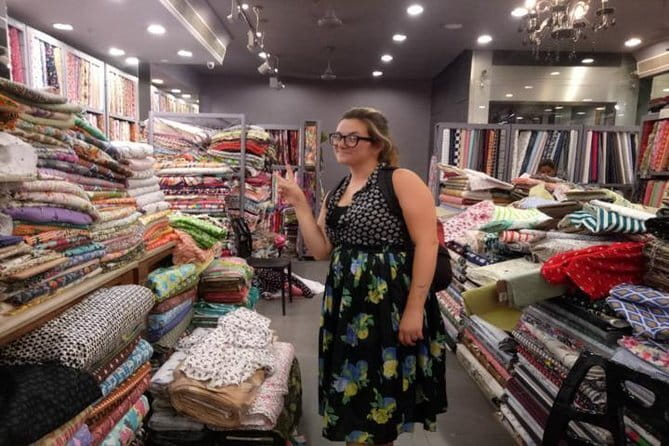
- Live workshop viewing, not just shop windows so you can connect what you’re seeing to what you’re buying
- Tuk-tuk ride through Old Delhi lanes for a quick taste of how tight the markets really are
- Zardozi and embroidery demos (Zardozi/Aari/hand embroidery depending on availability) while you browse
- Traditional weaving and looms tied to carpets and pashmina so craftsmanship isn’t just a sales pitch
- Tailoring measurements and style consultation with optional stitching orders during the visit
What a Delhi Textile Day Looks Like When It’s Built for Buying
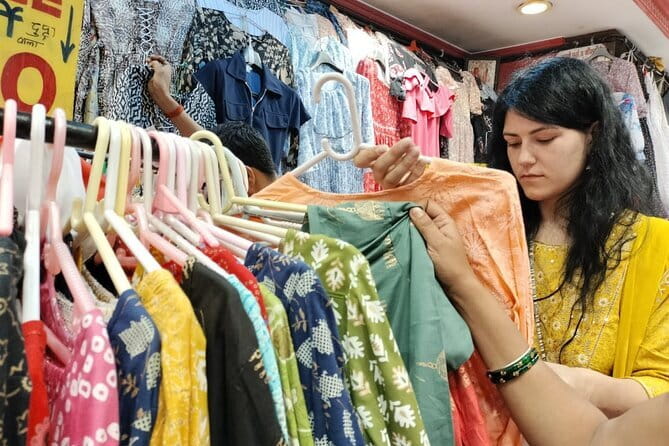
This tour is designed for one thing: helping you shop for textiles and handicrafts without getting lost in the chaos. You cover the major shopping zones where people expect to buy materials in bulk, order-made pieces, or finished décor items. The guide’s job is to help you compare quality and make decisions calmly.
The format is also smart for first-timers. You’re not wandering for hours trying to figure out what’s good. You move with a plan—then the guide gives you permission to slow down when something catches your eye. Because it’s private, your group sets the pace, and your stops can be adjusted to your interests.
And yes, there’s time for craft watching. The weaving and embroidery segments aren’t just a quick photo stop. They’re woven into the day so you can learn while you browse.
You can also read our reviews of more tours and experiences in New Delhi



Chandni Chowk Textiles and Trims: The Tuk-Tuk Shortcut Into Old Delhi
Chandni Chowk is where the sensory overload starts—in a good way. You’ll spend about two hours in the Old Delhi textile lanes, focusing on trims, Zari-style shine, lace-type items, fabric stalls, and accessory shops. Even if you’re not buying fabric by the meter, this stop helps you learn what to look for.
The included tuk-tuk ride matters. Narrow lanes in Old Delhi aren’t built for cars, and the tuk-tuk gives you a fast way to see the layout without spending your whole morning stuck in traffic. It’s also a nice reset point when the market starts to blend together.
The drawback to keep in mind: Chandni Chowk can be crowded. That’s not a reason to skip it—it’s a reason to come prepared. Wear comfortable walking shoes and be ready for close quarters. If you get overwhelmed easily, tell your guide early. They can help you route through the busiest sections and focus you on the best-value areas for your goals.
Connaught Place Fabric House: Cotton, Silk, and Designer-Style Materials
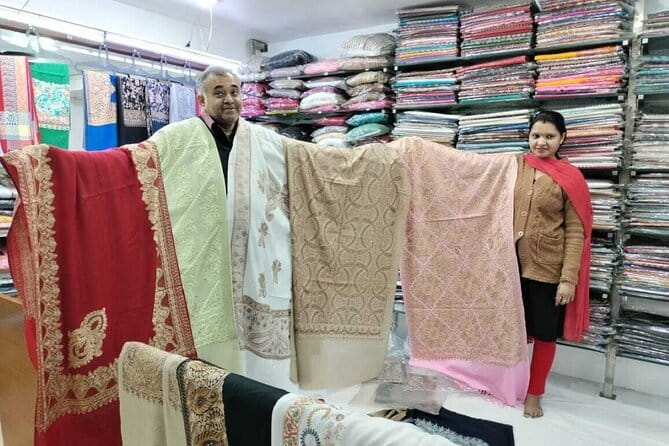
After Old Delhi, Connaught Place feels more controlled—more space, more structure. Here, you visit a boutique fabric shop specializing in premium cotton, silk, and designer materials. This is the part of the tour that helps you translate market impressions into a shopping strategy.
Why this stop is useful: the quality differences between fabrics can be obvious once you learn where to look—texture, weight, how the cloth hangs, and how the material behaves when handled. A guide helps you ask better questions and avoid getting pulled toward the flashiest option that might not be the best buy.
If your interest is dressmaking, tailoring orders, or fabric for home projects, this is also where you’re likely to start building a short list of what you want to bring to the tailor later. Even if you’re only shopping for souvenirs, it’s a solid place to find pieces that look polished and feel substantial.
Nehru Place Zardozi and Embroidery: Watch the Stitching Live
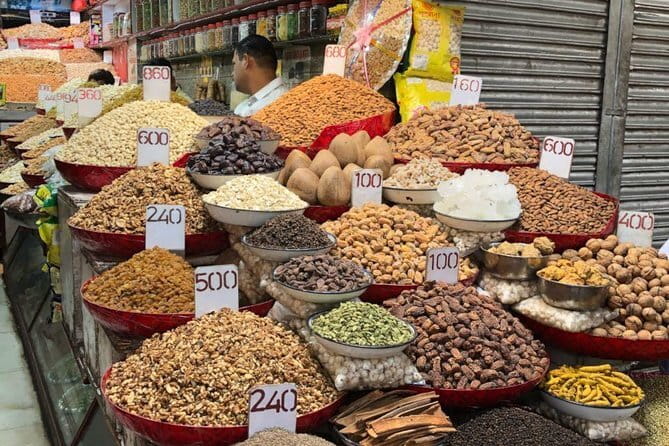
Nehr u Place is where needlework takes center stage. You’ll visit a Zardozi and embroidery workshop and see live demonstrations, typically including Zardozi, Aari, and hand-embroidery styles, depending on what’s running at the time. You also have time to browse premium handcrafted pieces.
This stop is great for anyone who wants to understand why an embroidered item costs more. When you watch the process, it stops being abstract. You can see the effort behind the shine and the careful placement that makes the design look crisp rather than messy.
The practical tip: give your guide a clear target before the demo starts. For example, tell them whether you want something for casual wear, formal outfits, or home décor. That makes the workshop browsing more productive because you’re not starting from scratch.
One consideration: embroidery demonstrations depend on availability. If you’re going at a busy time, you may not see every stitch style listed. Still, you’ll be in an embroidery-focused environment, and your guide can steer you toward what’s happening during your visit.
Gole Market Carpets and Pashmina: Traditional Loom Craft You Can Understand
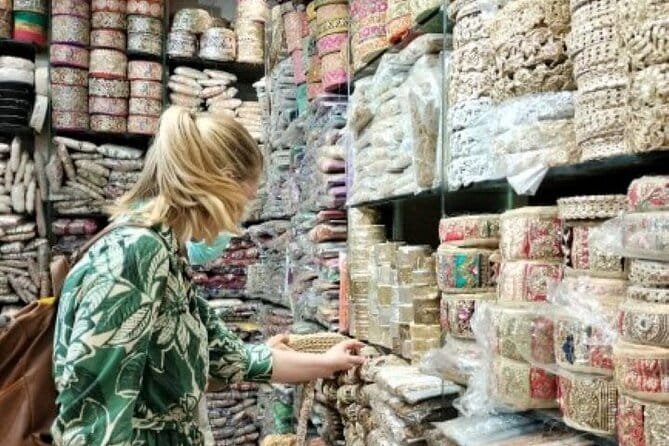
Gole Market is all about carpets and pashmina, and this stop earns its time. You’ll visit a carpet weaving and pashmina studio, spend about an hour there, and get an artisan interaction plus a live weaving demonstration on traditional looms.
If you’ve ever felt unsure about carpet shopping—like you can’t tell wool from blends or you can’t judge weave quality—this is where the tour helps. The demo gives you a reference point for what weaving looks like when it’s being built on a loom, not just sold as a finished product.
For pashmina lovers, the added value is context. You learn what makes the weaving method and fiber blend feel different, and you can compare what you’re seeing in the studio with what you notice later in markets.
One thing to watch: carpets and pashmina are not impulse purchases unless you’re confident in your selection. Your best move is to use the demo time to ask your guide what questions matter for the piece you want—then decide with clarity later.






Khan Market Custom Tailoring: Measurements and Style Guidance Without the Guesswork
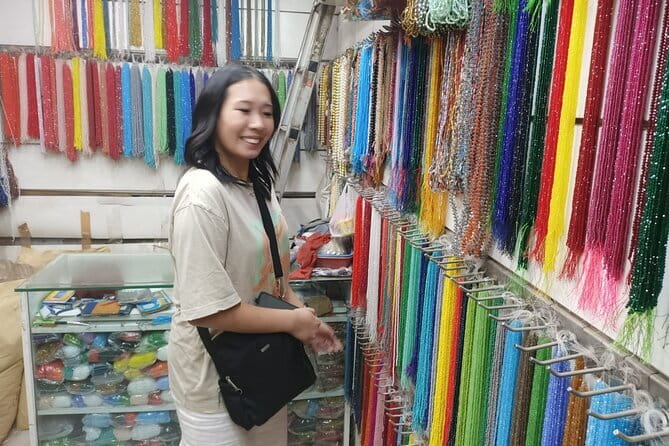
Khan Market is a different pace. Instead of only browsing, you get a custom tailoring consultation focused on measurements and style ideas. You’ll meet expert tailors and discuss what you want made—shirts, jackets, dresses, or traditional outfit styles. Optional stitching orders are available if you choose to proceed.
This is one of the most praised parts of the experience, and I get why. Tailoring is where many visitors either overpay or end up with the wrong fit because nobody explained the process clearly. A guided consultation gives you a better shot at getting fabric choices that match your style and a size process that makes sense.
A real advantage here is timing and decision-making. You can inspect premium materials earlier in the day, then bring those preferences to the tailor. That turns the tour from shopping into a workflow.
If you want to take home something truly personal, this is your moment. If you’re not into ordering, you can still use the consultation for information—what works for your body type, what styles suit your goals, and what fabrics feel best for the look you want.
Dilli Haat for Finished Handicrafts and Home Décor Textiles

Dilli Haat wraps things up with ready-to-take home items. You’ll have about thirty minutes to browse a handicraft boutique with textiles and home décor items like cushion covers, wall art, runners, and embroidered textiles made by master artisans.
This last stop works as a smart filter. You don’t have to commit to meters of fabric or complicated shipping decisions at this stage. Instead, you can pick smaller items that match what you liked earlier—often with enough time to spot quality differences between pieces.
It’s also a chance to buy something beautiful even if you’re tired. After a long day of market walking, it’s nice when the browsing is more straightforward and the shopping decisions are simpler.
How the Guide Helps You Avoid the Usual Delhi Shopping Traps
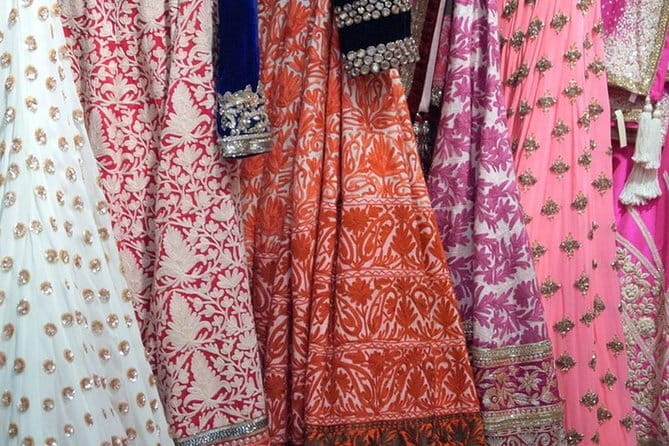
A good textile guide is half interpreter, half quality-checker. That’s exactly what RK is known for—clear explanations and guidance on fabric and craft quality that helped visitors pick better options and feel confident about what they were buying.
Here are practical ways to use the guide’s time so you get more value:
- Start with your goal in the first hour. If you want a fabric for tailoring, say it early. If you want décor items, tell them what kind and what size.
- Compare feel, not just look. Ask to handle fabrics and look at how they drape.
- Ask questions tied to your end use. A fabric for a formal outfit isn’t the same choice as one for casual wear or home décor.
- Use the workshop stops to build a vocabulary. Once you know what you’re seeing—like the difference between embroidery types—you shop with more confidence.
And because the tour is pressure-free, you can keep your decisions calm. No rushing, no forcing purchases. You can simply learn the craft language, then shop in a way that feels natural.
Price and Day Logistics: $60 Makes Sense If You’ll Buy or Want Clarity
At $60 per person for an approximately eight-hour private tour, you’re paying for more than sightseeing. You’re covering a professional English-speaking local guide, hotel pickup and drop-off, a private air-conditioned vehicle, and included demo time. You also get a tuk-tuk ride through Old Delhi lanes, which would be extra on your own.
Then there’s the part you can’t price easily: avoiding costly mistakes. If you plan to buy textiles, order-made items, or handcrafted décor, a guide can save you from choosing the wrong material or paying without understanding why something costs what it costs.
What’s not included: gratuities (listed as $5 per person) and meals. That means you should plan on grabbing lunch or snacks on your own during the day. Also bring water if you know you get thirsty while walking.
Comfort note: Markets can be crowded during peak hours, and you’ll do plenty of walking. This is one of those days where you’ll appreciate shoes that don’t punish you.
Should You Book This Delhi Textile & Handicraft Tour?
You should book if you want a smart, guided textile day in New Delhi where you can watch craftsmanship live and then shop with context. It’s ideal if you’re:
- interested in textiles and handicrafts as real purchases, not just browsing
- considering custom tailoring and want measurements and style help
- the type of traveler who wants to understand quality before committing
Skip it (or adjust expectations) if you only want quick souvenirs and don’t want an all-day shopping focus. Also, if you hate crowds, plan to lean on the guide to route you through the busiest areas.
If you’re on the fence, my advice is simple: this tour becomes great value when you use the workshops to learn and then use the guide to buy thoughtfully.
FAQ
How long is the Delhi Textile & Handicraft Tour?
It runs about 8 hours, approximately.
Is hotel pickup and drop-off included?
Yes. The tour includes pickup and drop-off in Delhi via a private air-conditioned vehicle.
Is this a private tour?
Yes. It’s a private tour/activity, and only your group participates.
What demonstrations will I see during the tour?
You’ll see live demonstrations such as weaving and embroidery, and Zardozi depending on availability. The exact crafts can vary by what’s available that day.
Do you include a tuk-tuk ride?
Yes. A tuk-tuk ride through Old Delhi market lanes is included.
Can I get something tailored during the tour?
Yes. There’s a custom tailoring experience with measurements and a style consultation, and optional stitching orders are available.
Are meals included?
No. Meals are not included.
What should I wear or bring?
Comfortable walking shoes are recommended because market areas can be crowded and you’ll walk a fair amount.
Is free cancellation available?
Yes. You can cancel up to 24 hours in advance for a full refund. After that point, the amount paid is not refunded.