REVIEW · NEW DELHI
From Delhi: 4-Day Golden Triangle & Ranthambore Tiger Safari
Book on GetYourGuide →Operated by Crystal India Holidays · Bookable on GetYourGuide
Four days, three cities, and one big cat gamble.
This Golden Triangle trip packs the sunrise Taj Mahal into your schedule and puts you on a Ranthambore tiger safari with a trained naturalist. Add in strong planning, private transfers, and local guides like Rasheed in Agra and Kamal in Jaipur, and you’ve got a fast, fun route that doesn’t feel sloppy.
I especially like how the day-by-day pacing gives you prime sights early. Qutub Minar and Lotus Temple keep Delhi from being just a drive-through, and Agra’s morning plan gets you inside the Taj at the best time of day.
One thing to keep realistic: the tiger part depends on luck. Ranthambore can deliver an amazing sighting, or it can leave you with only tracks and big bird energy, so I’d think ahead about how much you need that tiger photo.
In This Review
- Key highlights that matter
- Price and logistics: what $290 gets you in real life
- Delhi first: Qutub Minar, Lotus Temple, India Gate, and Step Well stops
- Sunrise Taj Mahal: why the early start is the whole game
- Agra Fort: the architecture you actually notice when you slow down
- The drive to Ranthambore and the hotel that sets your mood
- Ranthambore tiger safari: shared jeeps/canters and how to maximize your odds
- Jaipur on day 4: Amber Fort, Jal Mahal, Hawa Mahal, and Jantar Mantar
- Hotel comfort in Delhi, Agra, Ranthambore, and Jaipur
- The driver and guide effect: when service makes the whole trip easier
- What you might want to adjust before you go
- Should you book this 4-day Golden Triangle and Ranthambore tour?
- FAQ
- How long is the Golden Triangle & Ranthambore tour?
- What cities are included?
- Where can pickup be arranged?
- Is the tour a private group?
- What happens on the Taj Mahal day?
- What vehicle is used for the Ranthambore safari?
- What languages are available for the tour guide?
- Are monument entrance tickets included?
- Can I cancel for a full refund?
Key highlights that matter
- Sunrise Taj Mahal time: a guided visit timed for fewer crowds and better light.
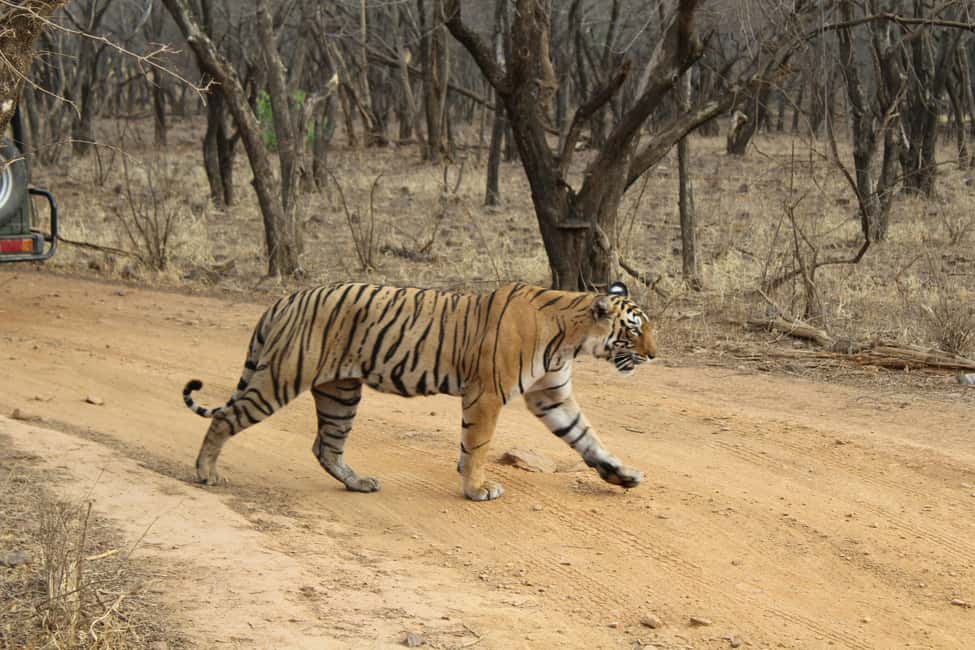
- Ranthambore safari with a naturalist: you get local wildlife spotting know-how, not just a bus ride.
- Strong driver and guide teamwork: people like Paramjeet, Ashok, Surinder, and Rishi show up in reviews for punctual, calm support.
- Comfort-first hotel options: your stay scales from solid 3-star to standout 5-star resorts.
- Real monument routing: Qutub Minar, Agra Fort, Amber Fort, Hawa Mahal, Jal Mahal, and Jantar Mantar are all on the path.
Price and logistics: what $290 gets you in real life

At around $290 per person for 4 days, the value comes from the structure. You’re paying for a guided route with transfers between cities, hotel planning, and local guides for each city stop. That matters in India, where logistics can eat your energy if you try to freestyle every leg.
You’ll also want to budget a bit for entry tickets at monuments. The tour experience includes help with purchasing entrance tickets, but at least one guest noted that entrance tickets were not included in the base price. If you’re the kind of traveler who hates surprises, ask the operator to confirm exactly what’s included before you go.
Finally, know this tour involves a lot of time in the car. It’s not a slow, cozy country drive. The payoff is that you see Delhi, Agra, Jaipur, and Ranthambore in just 4 days.
You can also read our reviews of more tours and experiences in New Delhi



Delhi first: Qutub Minar, Lotus Temple, India Gate, and Step Well stops
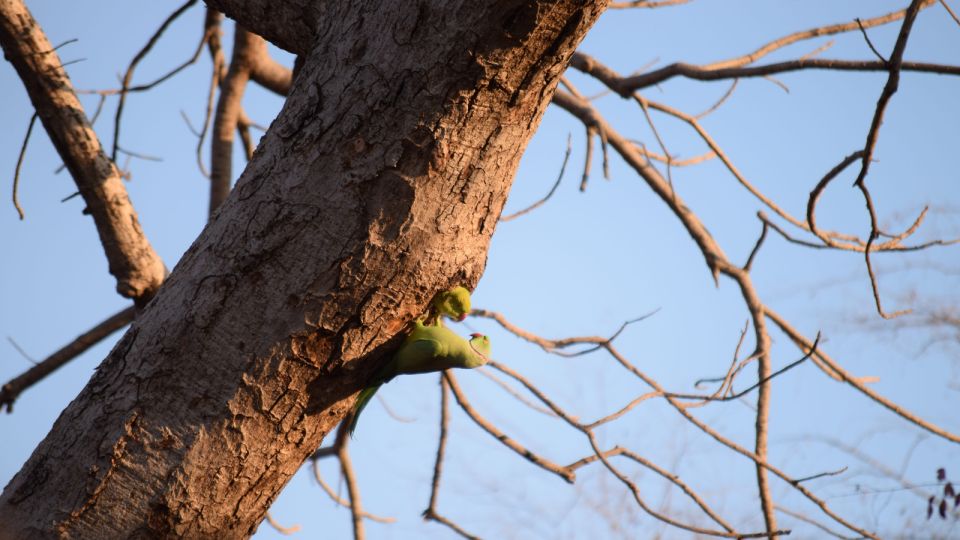
Delhi is a good warm-up day because it mixes big monuments with quieter, more unusual sights. You’ll start with Qutub Minar, often described as a victory tower, and see it as part of the larger Qutb complex area rather than as a standalone photo spot.
Next comes the Lotus Temple, which is known for its calm, geometric look. One practical note: the Lotus Temple remains closed every Monday, so if your dates land on a Monday, don’t assume you’ll get in there.
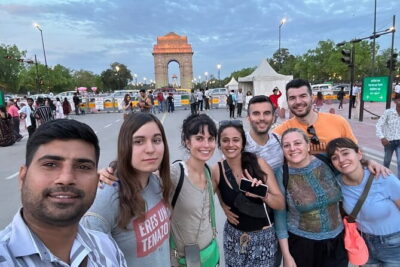
Then you’ll hit India Gate, plus Agrasen ki Baoli, a step well that feels cooler and more atmospheric than the skyline landmarks. From a tour-planning point of view, this is a smart mix: one major Delhi icon, one reflective modern temple, one war memorial, and one place where the crowds thin out.
You’ll also pass major government buildings like Parliament House and Rashtrapati Bhavan on the way. You don’t linger there, but it gives you a clearer sense of what you’re looking at when you’re driving around Delhi.
What to watch for: comfortable shoes. Delhi walking is mostly manageable, but between sights and transfers you’ll want good grip and cushion.
Sunrise Taj Mahal: why the early start is the whole game
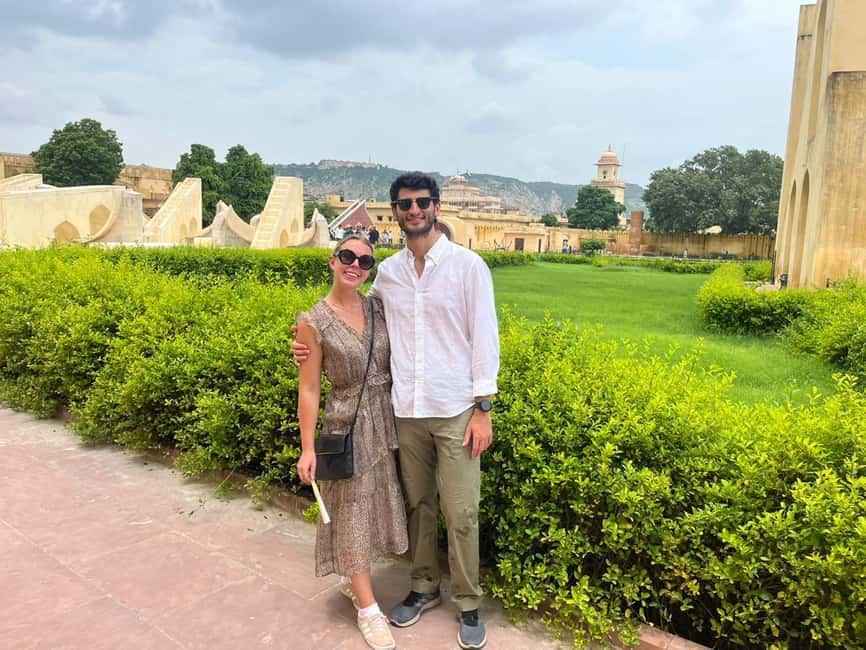
The Taj Mahal at sunrise is the headline for a reason. You visit early enough to beat much of the day’s crowd pressure, and the light makes the white marble look less harsh than midday.
You’re guided inside the Taj Mahal for about two hours. That guided time is where you get value, because you’ll learn what you’re seeing instead of just collecting angles. A guide named Rasheed is specifically mentioned in reviews for history and great photo help, which lines up with what makes a sunrise visit worth it: you’re awake, you’re there early, and you’re not wasting it staring.
After the Taj, breakfast returns you to routine before you move on to Agra Fort. That keeps the momentum without feeling like you’re sprinting from one thing to the next with zero breaks.
Potential drawback: early mornings are not optional. If your body runs slow, plan for it. Bring patience and water habits for the pre-dawn start.
Agra Fort: the architecture you actually notice when you slow down
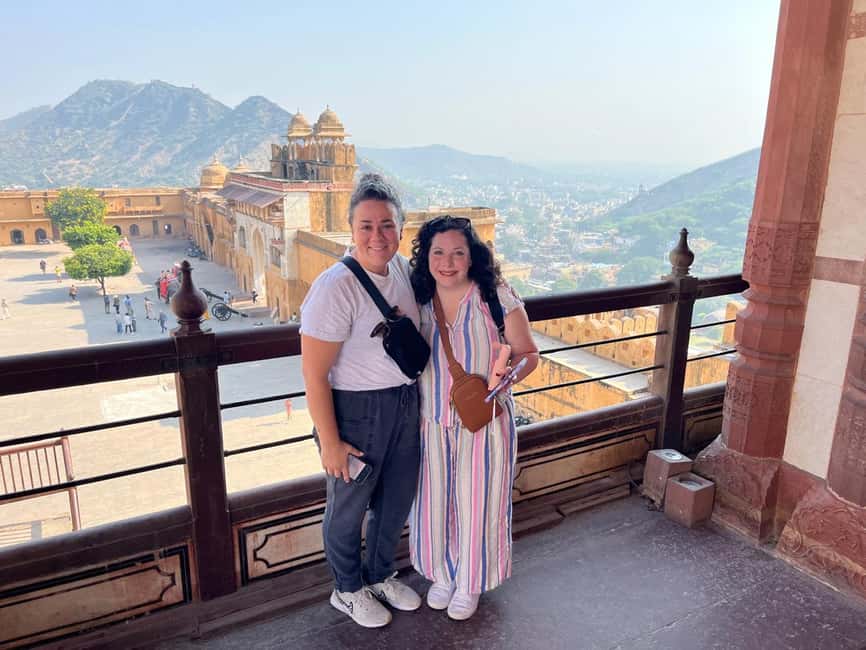
Agra Fort isn’t as universally famous as the Taj, but it’s the kind of site that rewards attention. You’ll tour it with a guide and spend time seeing the fort’s different apartments and the bigger picture of its design.
What I like here is the contrast. The Taj Mahal is all about symmetry and romance; Agra Fort is about power, layout, and how the fort functioned. Even if you’re not a hardcore architecture person, you’ll feel the change once you step into the complex.
This is also a helpful breather day-wise. You’re not just chasing one landmark; you’re getting a whole strong chunk of history before you switch to Ranthambore wildlife time.
The drive to Ranthambore and the hotel that sets your mood
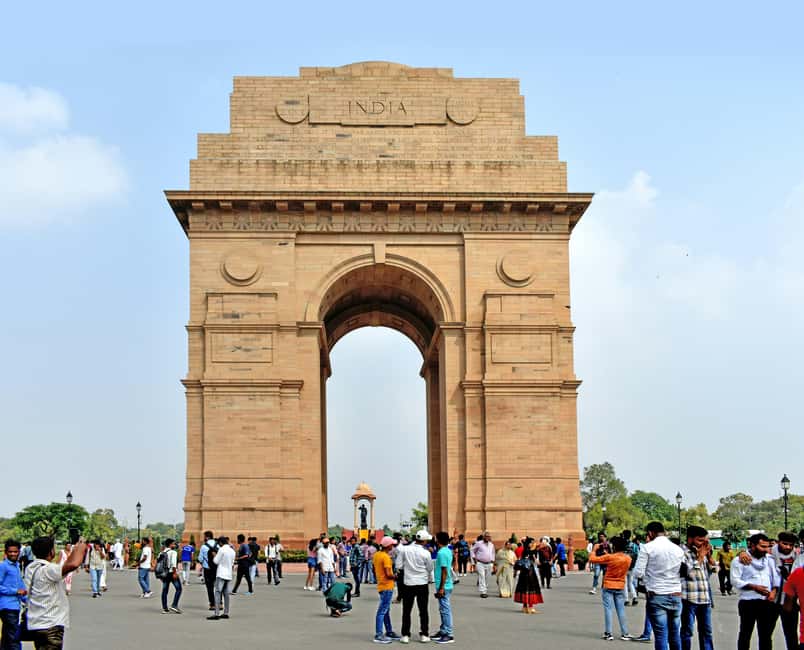
Once you leave Agra, the day shifts into slower, wildlife-focused rhythms. When you check into Ranthambore, your hotel matters because you need energy for an early safari.
Hotels come in a range:
- 3-star options include Raj Palace Resort (or similar)
- 4-star options include Regenta Resort Vanya Mahal, The Fern Ranthambhore (or similar)
- 5-star options include Aamaghati Wildlife Resort, The Tigress, Ranthambore, and Jogi Mahal (or similar)
A real tip from how reviews read: if you can afford the upgrade, it’s often worth it for the “after safari” comfort. One guest loved the resort atmosphere in Ranthambore even when the tiger didn’t show up, which tells you how much the lodge experience can soften the blow.
Small travel reality: Ranthambore days start early. If you’re sleeping poorly, you’ll feel it during the safari.
You can also read our reviews of more tours and experiences in New Delhi





Ranthambore tiger safari: shared jeeps/canters and how to maximize your odds
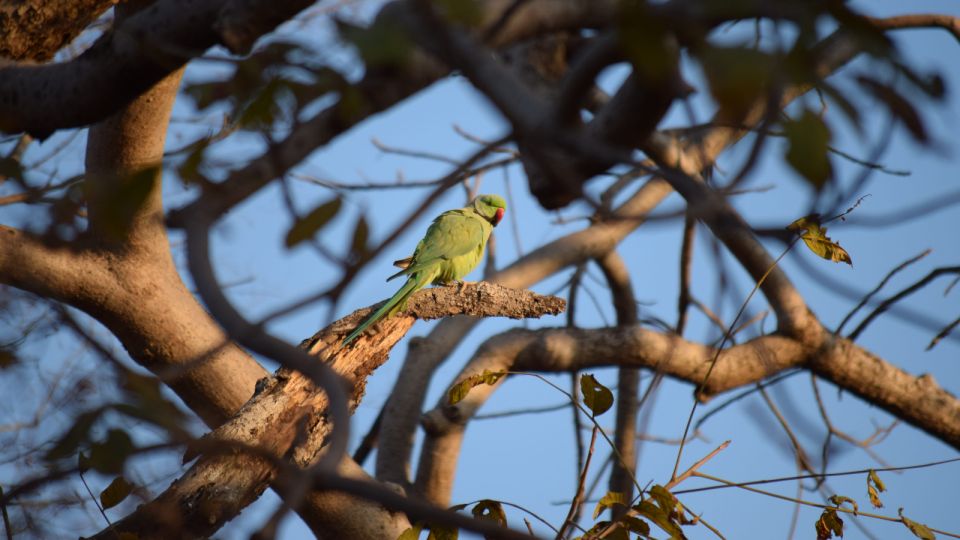
Day 3 is your big wildlife moment. You head into Ranthambore National Park early for a jungle safari by either a shared Jeep or a shared Canter. You’ll go with a trained naturalist who speaks English (and this is also explicitly noted), so you’re not just sitting there hoping.
Here’s what you need to understand before you book:
- Tiger spotting is largely luck.
- Even great operators cannot control what animals do that day.
- Expect other wildlife too: monkeys, peacocks, gazelle, and more are common background characters.
In reviews, you’ll see both sides. One guest saw a tiger and calls it life-changing. Another guest had a safari that felt disappointing because no tigers appeared. That’s the truth of Ranthambore. So I don’t treat tiger sightings as a guarantee when I’m advising people.
How to improve your chances (practical advice): if tiger viewing is your top goal, consider arranging an extra safari when you can. One guest recommended doing two safaris (including an afternoon one) and adjusting the schedule to arrive in Jaipur late, so you’re not losing time if the first drive disappoints.
One more reality check: a review suggested jeep rides instead of canters could feel more exclusive. If you’re sensitive to comfort and viewing angles, ask whether jeeps are available for your date. The tour doesn’t promise private safari vehicles, so expectations should be aligned.
Jaipur on day 4: Amber Fort, Jal Mahal, Hawa Mahal, and Jantar Mantar
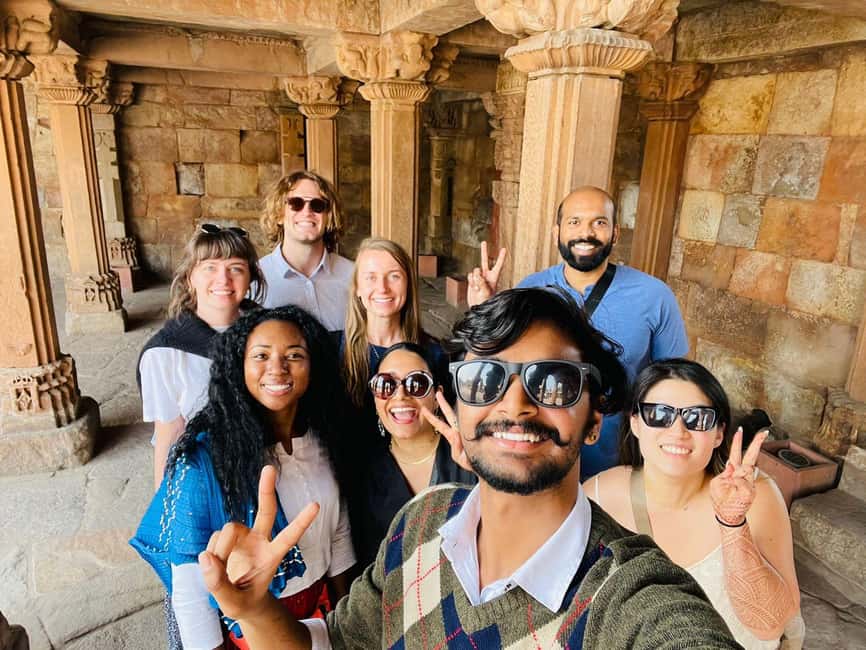
Jaipur is the payoff city for many people because it’s the mix of forts, planned city geometry, and photo-heavy details. Your guided route includes Panna Meena ka Kund, then Amber Fort, which is the big “yes, this is why we came” stop.
Then comes Jal Mahal, the palace sitting in the Man Sagar Lake. Even if you’ve seen photos, it hits differently when you’re standing near it, because the setting feels more layered than a simple postcard.
You’ll also see Hawa Mahal, the City Palace Museum, Jantar Mantar, and Gatore Ki Chhatriyan. This is a good spread: fort and palace, science and geometry, plus the chhatriyan that give you an atmospheric break from the busiest spots.
I like that you’re not forced into one single monument for hours. It’s a tour day, so the pacing is structured, but each stop has a different flavor. In reviews, a guide named Kamal is singled out for being friendly and informative in Jaipur, which is exactly what you want here: someone who helps the sites connect instead of just naming them.
Hotel comfort in Delhi, Agra, Ranthambore, and Jaipur
This trip works best when your hotels help you recover. The tour offers three tiers (and you choose what you book):
- 3-star options: serviceable and comfortable enough for short stays
- 4-star options: better facilities and a more relaxed feeling between sightseeing days
- 5-star options: the “treat yourself” choice
In Delhi, 5-star options include Jaypee Palace (also mentioned in reviews) and other major brands like Courtyard by Marriott and Grand Mercure. One guest loved Jaypee Palace specifically and even mentions peacocks on the property, which is the kind of small detail that makes a hotel feel like more than a bed.
In Ranthambore, the 5-star resort options (like The Tigress and Aamaghati) can be especially rewarding because you’ll spend more downtime there between the safari start and your evening recovery.
What I’d keep in mind: twin-sharing is the default arrangement. If you’re traveling in a group of 3 and want 2 rooms, you may need to pay an extra charge. Check your rooming preference early so it doesn’t become a scramble.
The driver and guide effect: when service makes the whole trip easier

If you’ve ever done a fast tour, you know the truth: the driver and guides can make or break the trip. Here, the reviews repeatedly praise that human layer.
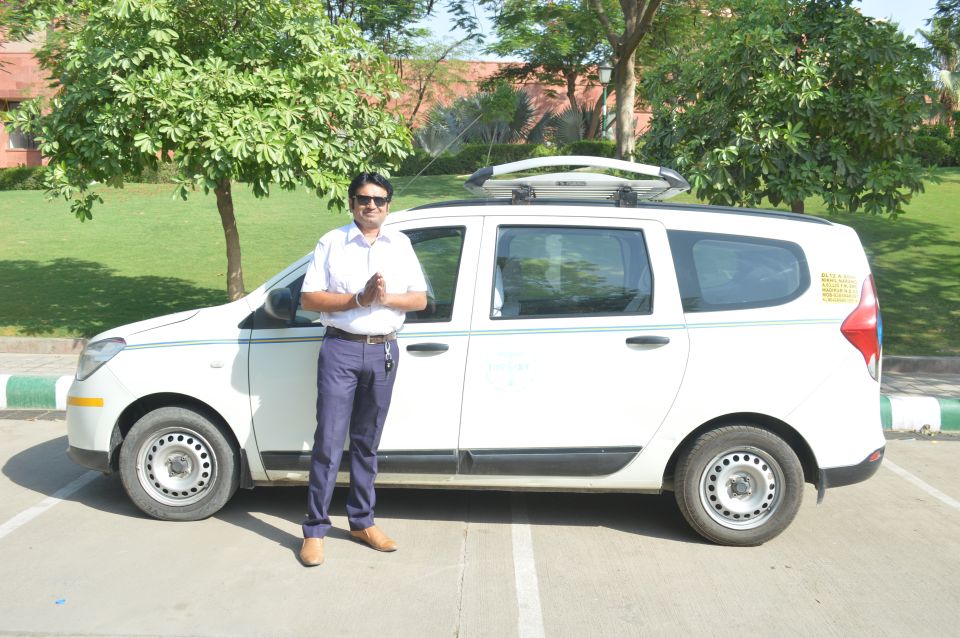
People mentioned drivers like Paramjeet, Ashok, Surinder, and Rajinder for safety, punctuality, and calm coordination. In one review, the driver actively explained what would happen and with who, and didn’t just hand the group off. That’s huge in a multi-stop trip with multiple guides across multiple days.
Guides also get credit for flexibility and energy. One guest shared that even with a set itinerary, the driver was happy to change the plan if the group wanted something specific. Another guest praised the guides for adjusting based on interests and speed, like Sahdav, Shobhit, and Prateek (named together in a review).
That’s a practical takeaway for you: when you’re with an attentive driver, you spend less time guessing and more time enjoying.
What you might want to adjust before you go
This itinerary is built around strong highlights: sunrise Taj Mahal, Agra Fort, one Ranthambore safari, and the Jaipur monuments loop. The tradeoff is time. You’re moving a lot.
So here are the adjustments I’d consider based on the realities of the area:
- Tiger priority? Add a second safari if you can. One guest recommended an extra afternoon run so you’re not stuck with just one chance.
- Safari vehicle preference? If you strongly prefer jeeps over canters for viewing, ask about the vehicle type for your date. A review suggested jeeps could feel more exclusive.
- Arrival timing in Jaipur: If you add a safari, it may shift when you reach Jaipur. That can be a good thing if you want to reduce “rushed” hours on day 4.
- Monday trips: Lotus Temple is closed on Mondays. The tour will still route you, but you’ll want to accept that this specific stop may not happen as planned.
Should you book this 4-day Golden Triangle and Ranthambore tour?
I’d book it if you want a structured Golden Triangle trip with a real plan, not a stressful self-arranged scramble. The value is in the combination of guided highlights (like the Taj Mahal sunrise visit) plus transportation plus hotel choices that keep you comfortable.
I’d think twice if you need a guaranteed tiger sighting. Ranthambore is a nature experience, not a theme park. One safari can be magical, or it can be a lesson in patience.
Best fit:
- You want to see Delhi, Agra, Jaipur, and Ranthambore in a tight time window.
- You like guided context, not just hopping between landmarks.
- You’re okay with early mornings and car time.
If that sounds like you, this is a solid way to do India fast and still feel cared for.
FAQ
How long is the Golden Triangle & Ranthambore tour?
The tour duration is 4 days.
What cities are included?
The route includes Delhi, Agra, Jaipur, and Ranthambore.
Where can pickup be arranged?
Pickup is included from your hotel, airport, railway station, or other desired location in Delhi, Noida, or Gurugram.
Is the tour a private group?
Yes, it’s listed as a private group.
What happens on the Taj Mahal day?
You do an early sunrise Taj Mahal visit with a guided tour inside for around two hours, then return for breakfast before moving on to Agra Fort.
What vehicle is used for the Ranthambore safari?
The safari is done using a shared Jeep or shared Canter, with a trained naturalist.
What languages are available for the tour guide?
The live tour guide is available in English, Spanish, French, German, and Russian.
Are monument entrance tickets included?
Your guides assist with purchasing entrance tickets at the monuments. One guest noted that entry tickets were not included in the price, so it’s smart to confirm what costs are separate before you travel.
Can I cancel for a full refund?
Yes. You can cancel up to 24 hours in advance for a full refund.