REVIEW · NEW DELHI
Spice Knight (Cooking Class -> Meal -> Local Market walk)
Book on Viator →Operated by Saffron Palate · Bookable on Viator
Spices and technique fly by in four hours. I love the small-group lesson with Neha’s patient coaching and the included lunch of breads, main dishes, dessert, and drinks.
One small catch: the market walk happens after you eat, so it’s more orientation than a full-on ingredient scavenger hunt. If you want a long market morning where you pick produce and herbs to cook with, plan for a shorter walk focused on spices and what you used.
Key things I’d circle before booking
- Neha leads the cooking with kind, helpful teaching that works for different skill levels
- 4 main dishes + 3 breads are included, so you’re not just tasting—you’re cooking
- Lunch is a real meal, with breads, dessert, and refreshments built into the timing
- Private transport to the market saves time and keeps the session smooth
- Spice boxes are for purchase if you want to take flavors home
- Market time is short and guided, focused on spices/vegetables used in class
In This Review
- Small-Group Cooking With Neha at Saffron Palate
- What You’ll Cook: 4 Main Dishes, 3 Breads, and Simple Technique
- Dietary options are handled by customizing the menu
- Your Included Lunch: More Than a Break in the Middle
- The Market Walk After You Eat: Spices, Vegetables, and Spice-Box Shopping
- What to watch for during the market portion
- Price and Logistics: Is $85 Good Value?
- Timing, Group Size, and What Helps You Enjoy It More
- What I’d bring
- Who Should Book This Cooking Class (and Who Might Want Another Option)
- Should You Book Spice Knight in Delhi?
- FAQ
- What’s included in the $85 price?
- How long is the experience?
- How many people are in the group?
- Is vegetarian, vegan, or gluten-free food available?
- What happens at the local market?
- Is transport included to the market?
- What’s the cancellation policy?
Small-Group Cooking With Neha at Saffron Palate
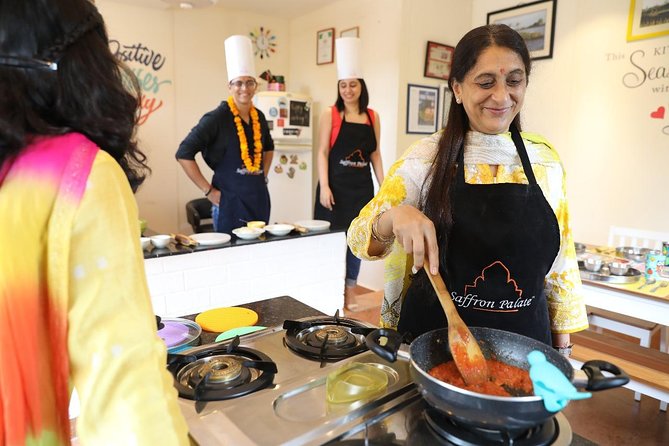
This experience runs out of Saffron Palate in Hauz Khas (near Chor Minar, Padmini Enclave). You start at 11:30 am, and the whole thing is about 4 hours end-to-end, including cooking, eating, and the post-meal market walk.
What makes it feel practical is the small group size (up to 12). That matters in a cooking class. Fewer people means the instructor can actually slow down when you’re stuck, and you’re less likely to spend the whole time watching someone else.
Neha is the name you’ll hear most. Based on the vibe in the teaching style, she’s the kind of guide who keeps things clear and approachable, even if your kitchen skills are more “I can boil pasta” than “I can temper spices.”
What You’ll Cook: 4 Main Dishes, 3 Breads, and Simple Technique
The class is built around cooking an Indian meal from scratch, not just following steps for one dish. You’re set up to make 4 main dishes and 3 breads. The menu can vary, but common options include butter chicken, palak paneer, biryani, and aloo gobi.
A detail I appreciate: the cooking is described as time-tested yet simple nuances. That usually means you’ll learn the bits that actually change the outcome—timing, heat control, and how spices behave in different stages. You’ll also receive recipes, which is huge if you want to recreate it later without guessing.
This is the part of the experience that’s most “worth it” for food lovers. You’re not just tasting curry; you’re making components that create a full meal. Even if the final dishes differ from what you expected, the structure stays the same: build flavor, cook with intention, and leave with a repeatable process.
You can also read our reviews of more walking tours in New Delhi


Dietary options are handled by customizing the menu
If you have dietary limits, this tour can be adjusted. Vegetarian/vegan options are available, and the menu can also be customized for gluten-free needs. Let the team know at booking, because the menu is part of the plan, not a last-minute swap.
If you’re traveling with mixed preferences, that flexibility helps you all eat together as part of the same class.
Your Included Lunch: More Than a Break in the Middle
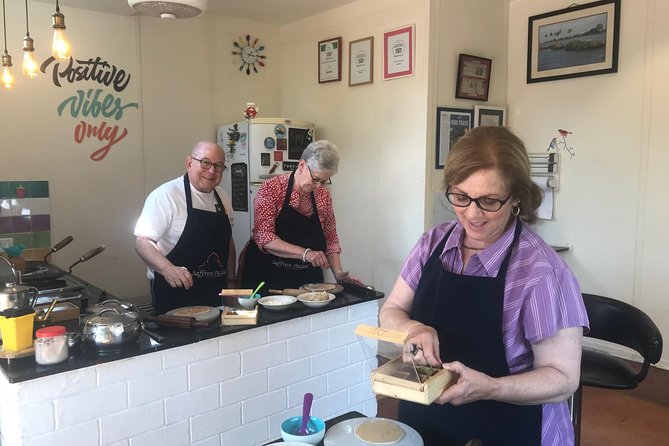
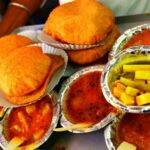
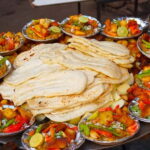
After cooking, you sit down for lunch that matches the class structure: breads, the dishes you prepared, plus dessert and refreshments. You’ll also have bottled water and beverages such as tea/coffee, juice, and aerated drinks.
This is one of those “small” inclusions that changes the whole experience. You’re not racing to eat. You’re not hungry and cranky halfway through a lesson. And you get to taste what you made in the setting where Indian meals actually happen: together, warm, and meant to be mixed and shared.
Also, you get a better learning loop. Cooking teaches you the process, and then eating immediately reinforces what the flavors are supposed to feel like. If you want to understand why the dish tastes balanced, this timing helps.
The Market Walk After You Eat: Spices, Vegetables, and Spice-Box Shopping
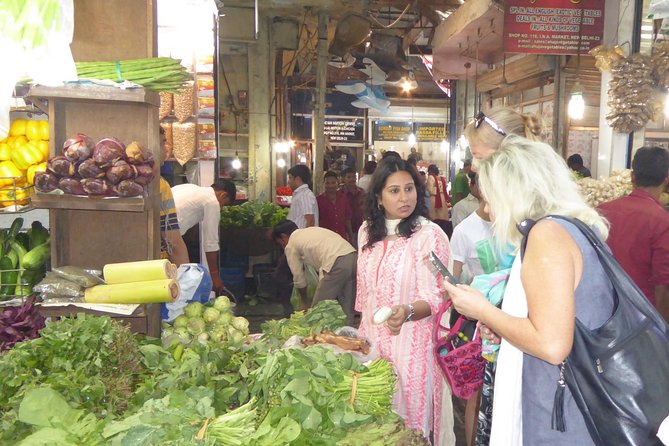
Then comes the part many people underestimate: the local spices and vegetable market walk happens after class and lunch. The walk is meant to give you an orientation—how to recognize the spices and vegetables used in what you cooked, plus pointers to other common Indian ingredients.
The market itself is described as one-stop for spices, fruits, and vegetables, and it’s known as one of Delhi’s most exciting food bazaars. Even if your shopping instincts are strong, the walk still works best as education: you’ll learn what to look for and why it’s used.
Here’s the practical expectation to set: it’s not described as a full market shopping spree where you buy every ingredient and then cook from scratch. One concern raised in feedback is that the walk can feel relatively short and focused on orientation rather than shopping for fresh ingredients. If you come hoping for a longer ingredient hunt, you may feel a little underfed—literally and figuratively.
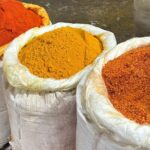
What you can buy is a spice box. Those are available to purchase in the market, and they’re one of the easiest ways to take the lesson home without trying to rebuild Indian pantry basics from memory.
What to watch for during the market portion
Because it’s a spice- and produce-focused bazaar, you’ll see goods arranged for quick buying, not for photo-perfect freshness. If you’re picky about how produce looks on first glance, keep your focus on the ingredient types you learned in class: dried spices, spice blends, aromatics, and the vegetables that show up in the dishes you made.
If you’re serious about bringing home spices, it helps to go in with a simple plan: buy a spice box if it matches what you cooked, then add only what you know you’ll use. That keeps you from overspending on items you won’t touch later.
You can also read our reviews of more shopping tours in New Delhi



Price and Logistics: Is $85 Good Value?
At $85 per person, this isn’t a bargain-class deal. But it’s also not just a “watch someone cook” experience. You’re paying for several things at once:
- A hands-on small-group cooking lesson
- Lunch with breads, your main dishes, dessert, and refreshments
- Private transport to the local market
- An instructor/host guiding the lesson and meal
- Recipes provided
- A guided market walk with ingredient orientation
Where the value really shows is the combination. In many cities, cooking classes can be pricey, and lunch may cost extra—or you still end up doing your own shopping afterward. Here, food is built into the schedule, and the market time is tied to the ingredients you cooked with.
The main “value question” is how you define a market experience. If you want to shop for ingredients at peak freshness and then cook with them, this model may feel like it stops short. If you want to learn Indian cooking in a guided, structured way and get a spice-buying pathway at the end, you’ll probably feel it’s worth it.
The other practical detail: it’s sold through with a mobile ticket, so you don’t have to worry about paper. And there’s an escort/host, which helps when you’re trying to find the right meeting point in a busy area.
Timing, Group Size, and What Helps You Enjoy It More
The schedule starts at 11:30 am and runs about 4 hours. That’s a good length because it gives you time to cook multiple dishes and still get a market segment after eating.
With a maximum of 12 travelers, you’re likely to get more direct help than you would in a large group. That matters when you’re learning techniques like how to control spice intensity, how long to cook vegetables, and how breads should feel as you work.
What I’d bring
You won’t need special gear beyond comfort, but I’d still show up prepared:
- Wear clothes you don’t mind getting splashed or scented
- Plan to stand and move during the market walk
- Bring a small bag or container mindset if you’re considering a spice box
And since the menu can be customized, tell them your dietary needs clearly at booking. It’s better to do that upfront than try to adjust mid-class.
Who Should Book This Cooking Class (and Who Might Want Another Option)
This is a great fit if:
- You want to learn Indian cooking techniques you can repeat
- You enjoy hands-on classes where you cook multiple dishes, not just one
- You like the idea of a guided meal plus a short spice-focused market orientation
- You’re traveling with dietary needs and want the menu adjusted
It may be less ideal if:
- You’re expecting a long, immersive market shopping morning where you buy ingredients first and then cook from what you chose
- You’re looking for a very “clean and curated” market presentation, since bazaar markets are working spaces
That said, even with those caveats, the core value is the cooking lesson itself—especially if Neha’s teaching style works for you. The fact that people feel able to take recipes home is usually a sign the instruction is clear, not vague.
Should You Book Spice Knight in Delhi?
Yes—if your goal is to leave with real cooking skills, a full Indian meal experience, and a clearer understanding of spices you’ll actually use at home. I’d book it when you want structure: you cook 4 mains and 3 breads, you eat the results, then you get guided context in the market.
I’d think twice if your fantasy is a longer market expedition where you actively choose ingredients, then cook them immediately. This tour is more about cooking and learning, with market time as an extension.
FAQ
What’s included in the $85 price?
The price includes beverages (aerated drinks, juice, and tea/coffee), bottled water, lunch with the dishes prepared in class (4 main dishes and 3 breads), dessert, private transport to the local market, a tour escort/host, and lunch. Spices and spice boxes are available to purchase separately.
How long is the experience?
It runs for about 4 hours.
How many people are in the group?
The activity has a maximum of 12 travelers.
Is vegetarian, vegan, or gluten-free food available?
Yes. The menu can be customized for vegetarian, vegan, and gluten-free preferences if you share your dietary requirements at booking.
What happens at the local market?
After the cooking class and meal, you’ll take a guided walk focused on spices and vegetables, including orientation to the ingredients used in class. Spice boxes are available to purchase in the market.
Is transport included to the market?
Yes. Private transport to the local market is included by private vehicle.
What’s the cancellation policy?
You can cancel for a full refund up to 24 hours before the experience’s start time. The experience requires good weather; if it’s canceled due to poor weather, you’ll be offered a different date or a full refund.
If you tell me your cooking level (beginner vs. comfortable) and any dietary needs, I can help you judge whether this format will feel like a great fit—or if you should look for a more market-first style class.