REVIEW · NEW DELHI
6 Day Golden Triangle Tour with Varanasi from Delhi
Book on GetYourGuide →Operated by WOW Tour Guide · Bookable on GetYourGuide
Golden Triangle tours can be loud. This one is organized.
You’ll move through Delhi, Agra, Jaipur, and Varanasi with live city guides and planned sights, then finish with the kind of morning and river moments you remember for years.
I like the mix of “big-name” landmarks and everyday religious life: Qutub Minar and Old Delhi in one stretch, then temples and ghats in Varanasi. I also like the small service details that reduce friction—hotel/airport pickup, skip the ticket line, and English (plus many other) guide languages.
One possible drawback: the schedule is packed, with early starts (like the Taj sunrise) and a longer overnight train leg. If you’re sensitive to time changes or long travel, you’ll want to plan for downtime in the evenings.
In This Review
- Key highlights you’ll feel right away
- The “Golden Triangle + Varanasi” idea, explained simply
- Delhi: Old Delhi lanes, Qutub Minar, and major sights in one guided day
- Jaipur half-day: City Palace, Jantar Mantar, and Amber Fort with Jal Mahal
- Fatehpur Sikri on the road to Agra: why this detour is worth it
- Agra: sunrise Taj Mahal, Agra Fort, and the Mehtab Bagh viewpoint
- Overnight train to Varanasi: a practical reset, not just transportation
- Varanasi at sunrise and night: temples, ghats, and a boat ride on the Ganges
- Price and value: what $134 per person realistically covers
- Who this tour suits best (and who should think twice)
- Should you book this 6-day Golden Triangle Tour with Varanasi?
- FAQ
- Which cities are included in this 6-day tour?
- How do you travel between the cities?
- Is there a guide, and what languages are offered?
- How does the pickup work in Delhi?
- Is the Taj Mahal always visited?
- What do I need to bring?
- Can I cancel for a full refund or pay later?
Key highlights you’ll feel right away
- Guided walkthroughs in every city so you’re not just collecting monuments
- Delhi Old and New in one day: Jama Masjid, Chandni Chowk, Qutub Minar, Humayun Tomb
- Fatehpur Sikri as a roadside masterpiece stop on the way to Agra
- Taj Mahal at sunrise plus Agra Fort and Mehtab Bagh viewpoints
- Varanasi Ganga Aarti + boat ride from the ghats, including Dasaswamedh Ghat area
- Private group and multilingual live guide (English, German, Italian, Russian, Spanish, French, Japanese, Chinese, Portuguese)
The “Golden Triangle + Varanasi” idea, explained simply
This tour is a classic route for a reason: you get the visual story of northern India in a tight loop. Delhi gives you modern India’s layer cake plus old Mughal-era monuments. Agra is the craft and power behind the Taj Mahal. Jaipur adds royal planning and craft. Then Varanasi flips the mood to religion, river life, and early-morning rituals.
What makes this version feel more practical is that you’re not driving yourself or trying to guess your way through ticket lines and meeting points. You’re traveling with a live guide and a driver, with hotel or airport pickup in the Delhi area. In India, that difference matters. It’s the gap between seeing “a few places” and actually understanding what you’re looking at.
And yes, you’ll hit the headline stops: Qutub Minar, the Taj Mahal, Amber Fort, and the Ganges ghats in Varanasi. But the best part is how the day-to-day flow keeps you moving without feeling random.
You can also read our reviews of more tours and experiences in New Delhi



Delhi: Old Delhi lanes, Qutub Minar, and major sights in one guided day
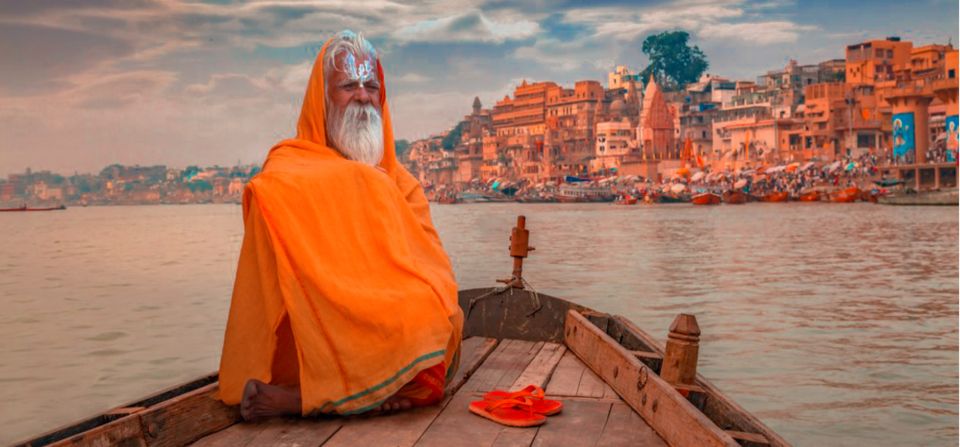
Delhi day one is designed like a sampler tray: Old Delhi culture and markets, then New Delhi monuments, then two of the city’s most important historic sites.
You’ll start with pickup and hotel check-in, followed by a sightseeing day that covers both sides of the city. Old Delhi means Jama Masjid and the Chandni Chowk complex. Chandni Chowk is one of those places where your senses get “turned on” fast—crowds, street food smells, shop signs, and constant motion. The value of a guide here is simple: you don’t just walk through. You understand what you’re seeing.
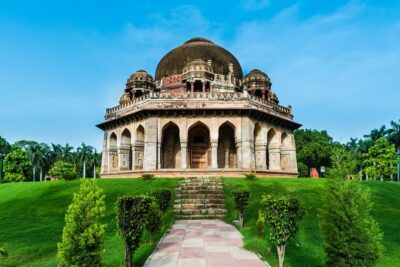
New Delhi’s highlights come after that: India Gate, Parliament House, Raj Ghat, Akshardham, and the Lotus Temple area. Then you move to the historic monuments you’ll likely remember even after you leave the capital: Qutub Minar and Humayun Tomb.
Why I think this day works: it compresses the geographic spread of Delhi into a single tour day. You’ll also get the context to connect monuments to the empires and ideas behind them. In one group tour, that’s the difference between “cool buildings” and a real sense of place.
Service note from real-world feedback: in Delhi, a guide named Shaily has been praised for being professional and making the history clear, which helps when the city sites can otherwise feel like a blur.
Jaipur half-day: City Palace, Jantar Mantar, and Amber Fort with Jal Mahal
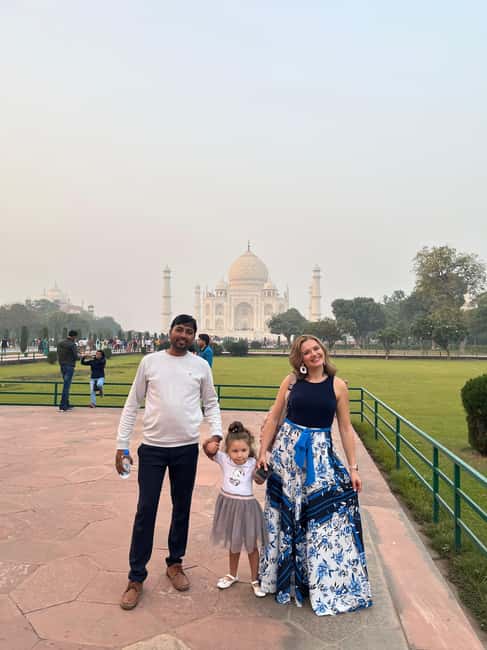
Jaipur day two is intentionally half-day at first, which I like. You get the royal-set pieces, then you keep energy for the next day’s stronger “wow” moment.
You’ll visit the City Palace, plus Jantar Mantar and Hawa Mahal. These aren’t random stops. They show three different sides of Jaipur’s design language:
- The City Palace gives you a sense of how power and daily court life sat side-by-side.
- Jantar Mantar connects royalty with science—big instruments built for measuring the sky.
- Hawa Mahal is all about façade design, built for watching city life through rows of windows.
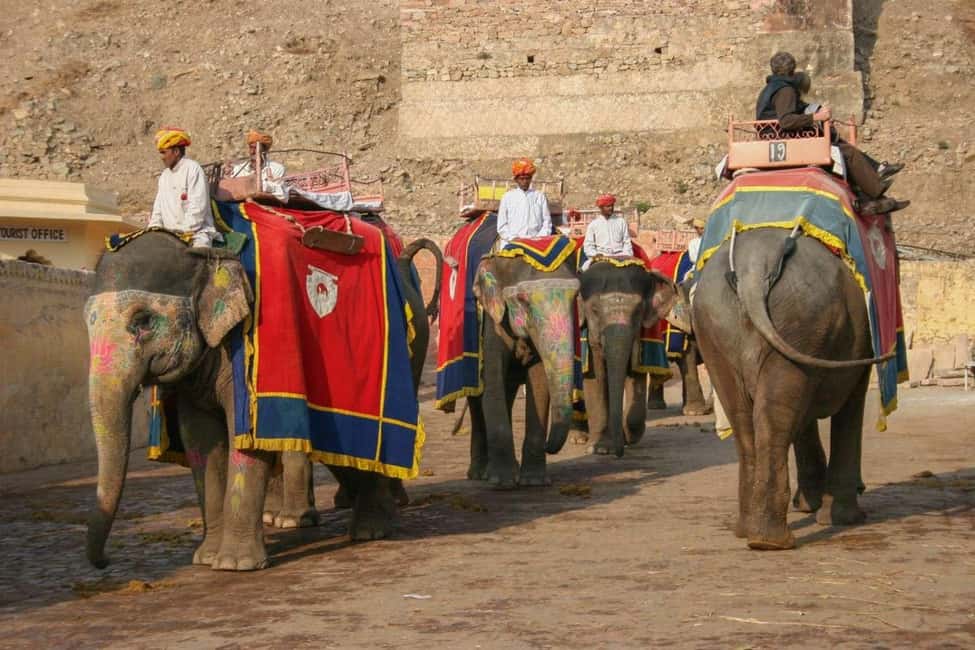
Then day three adds the classic fort experience. In the morning you do Amber Fort and Jal Mahal. Amber Fort is the kind of place where the scale hits you once you start climbing through walls, courtyards, and viewpoints. Jal Mahal (the water palace) is a quieter “pause” in the day—one of those spots where you can catch reflections and think for a minute while the rest of the fort keeps the grandeur going.
One thing to consider: forts often mean walking and steps. If you prefer minimal physical effort, plan for comfortable shoes and a slower pace than you might use in Europe.
Practical tip: Jaipur is where local meeting points and timing matter. A scheduled half-day plus a full day of forts keeps you from spending your vacation figuring out what’s open and where you’re supposed to be at what time.
Fatehpur Sikri on the road to Agra: why this detour is worth it
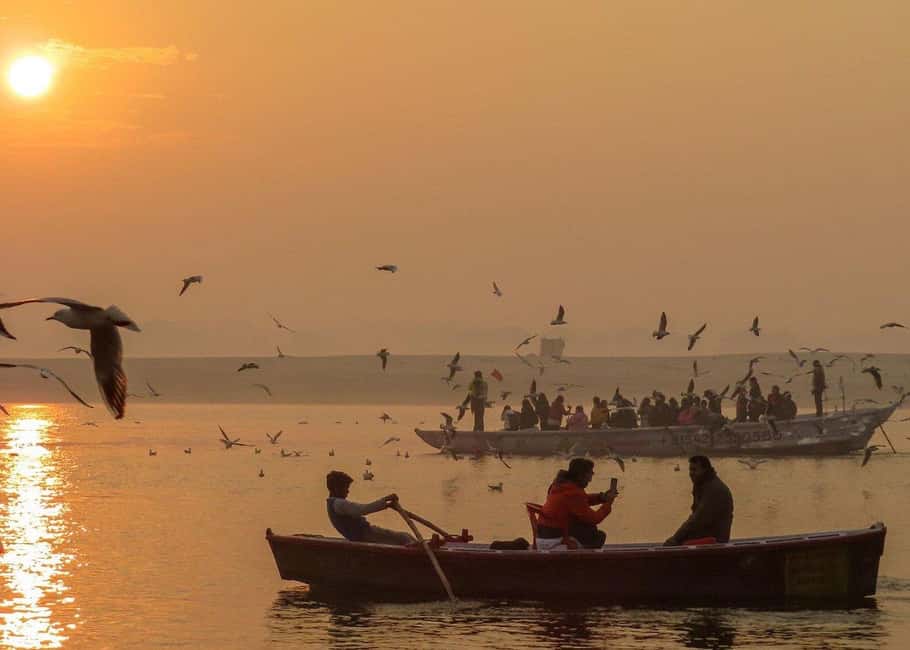
On the way from Jaipur to Agra, you stop at Fatehpur Sikri, a Mughal city founded by Akbar and listed as a world heritage site. Even though it’s a “stop,” it’s not a filler.
Fatehpur Sikri works because you’re switching time periods. You leave Jaipur’s palace-and-fort atmosphere, then you step into a city built for imperial ambition. You’ll explore its monuments and then continue driving to Agra.
A good way to enjoy this stop: treat it like a chapter break. You’re not just moving between cities—you’re tasting a different slice of Mughal planning and architecture. It’s also a mental reset before Agra’s most famous (and busiest) landmark.
Agra: sunrise Taj Mahal, Agra Fort, and the Mehtab Bagh viewpoint
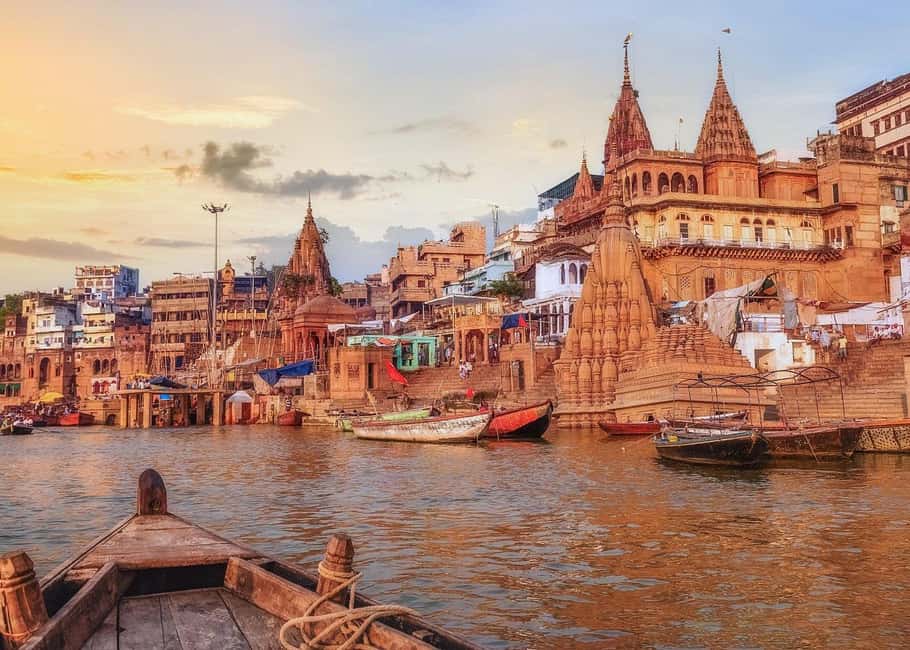
Agra is where the itinerary turns serious. Day four starts at sunrise with the Taj Mahal. You’re there early for a reason: the Taj changes through the morning light, and sunrise is the best time to experience that shift without fighting the day’s full crowds.
There’s one scheduling catch you should know upfront: the Taj Mahal is closed on Friday. If your Taj day lands on a Friday, your tour day will not match the sunrise visit plan as written, so you’ll want to align your expectations with that closure.
After the Taj, you move through Agra’s other key sights:
- Agra Fort
- Id-Mat-Ud-Dauhla’s tomb
- Mehtab Bagh
Mehtab Bagh is particularly interesting because it gives you a different viewing angle idea. Instead of only seeing the Taj as the main frame, you start thinking about how the monument relates to water and gardens and the wider layout.
Then comes the day’s major logistics shift: you transfer to the train station for the trip to Varanasi, with an overnight train journey. This is a big moment in the whole tour. For many people, it’s also where the trip changes from “touring” to “ritual watching.”
Why this matters: the Taj is a controlled, ticket-and-timing type of experience. Varanasi is the opposite: it’s living religion along the river. Switching from one style of seeing to the other makes the full week feel balanced.






Overnight train to Varanasi: a practical reset, not just transportation
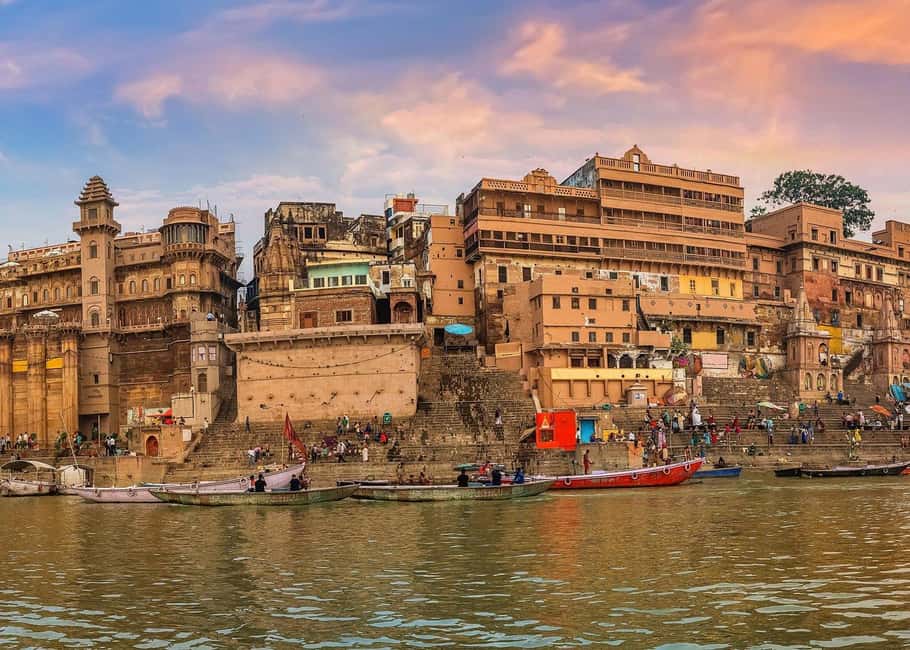
The overnight train leg is there to save time and fit the Varanasi sunrise and evening rituals without running out of daylight.
You’ll catch the train in the afternoon from Agra and then arrive in Varanasi for day five. The tour includes an overnight journey on the train, and that means you can think of it as a moving hotel time block. It’s also why the pacing works: you start Varanasi with fresh eyes rather than arriving and immediately being thrown into late-night crowds.
If you’re the type who hates travel jostle, consider this your “headphones and patience” chapter. But if you’ve handled trains before, you’ll likely appreciate the way this keeps the week efficient.
Also, this part of the tour is guided in the sense that you’re not left alone when you arrive—you’ll have pickup and transfer to your hotel, then a guided city tour.
Varanasi at sunrise and night: temples, ghats, and a boat ride on the Ganges
Day five and six are where northern India feels most personal.
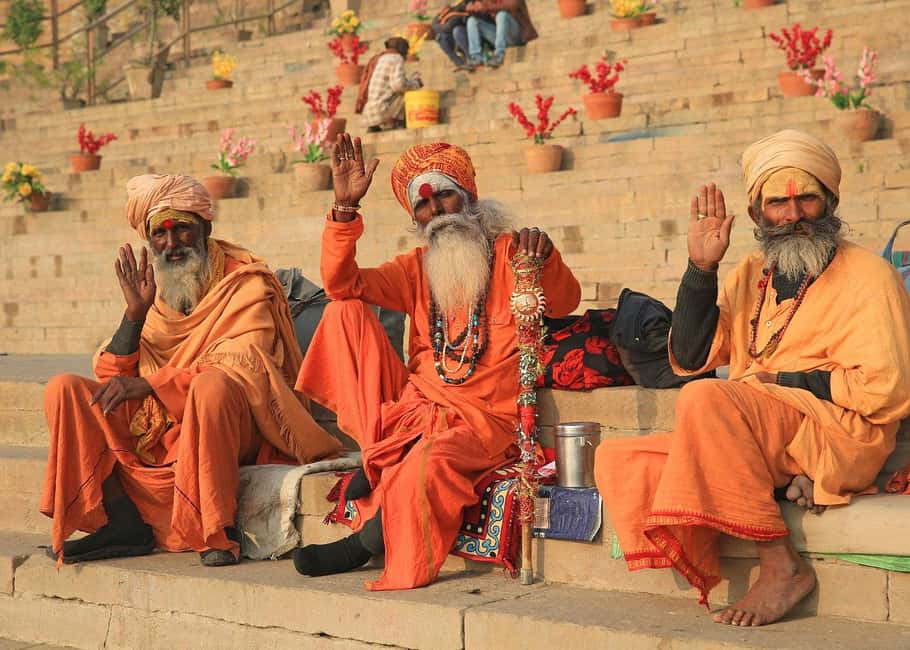
When you arrive, you’ll check in with a traditional welcome and then head out for a city tour built around major sacred sites. The schedule includes stops such as New Vishwanath Temple (B.H.U), Sankat Mochan Temple, Tulsi Manas Mandir, Durga Mandir, and Tridev temple.
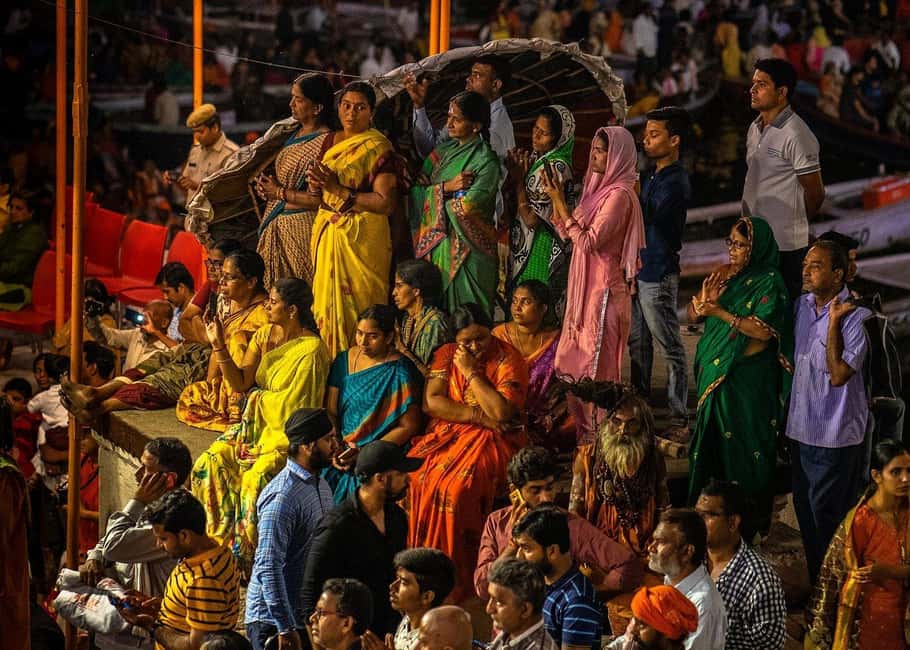
Then the evening layer: Ganga Aarti and boating on the River Ganga at Dasaswamedh Ghat. In many cities, “sunset activities” are just views. Here, it’s a ritual space—people gather, chants and flame offerings take over the moment, and the river becomes the center of the scene.
If you’ve only seen river life in photos, the boat ride is often the reality check. You feel the river traffic, the closeness of the steps, and the way the ghats shape daily movement. It’s also exhilarating in a good way—fast impressions, strong atmosphere, and a sense that you’re watching something in motion rather than a staged show.
Day six continues with an early boat ride on the Ganges before breakfast, then your train transfer back to Delhi for departure assistance at the international airport.
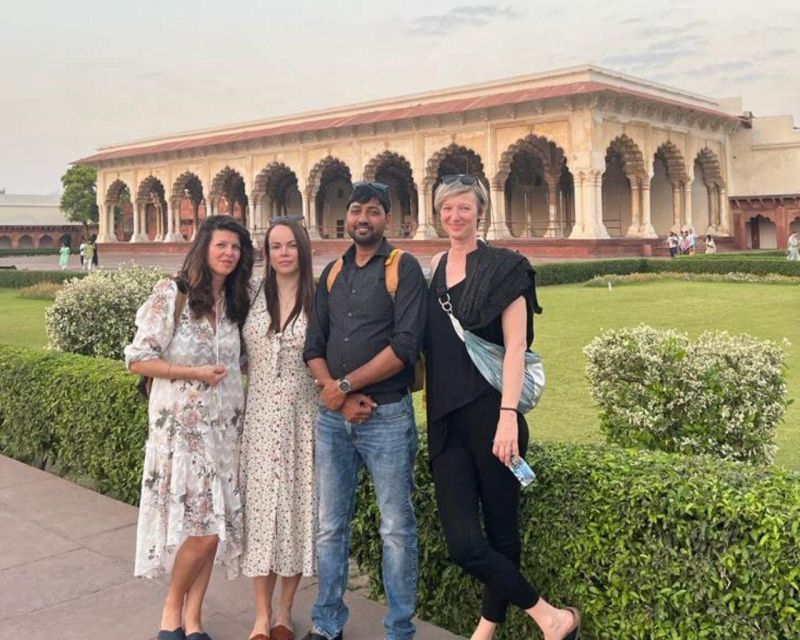
One more service detail that helps: a tour organizer named Vishnu has been praised for doing an excellent job helping at every moment, which matters in Varanasi where navigation and timing can otherwise feel intense. In at least one case, the guide also acted as a professional photographer, helping with photos at each place—useful if you want more than random snapshots.
Price and value: what $134 per person realistically covers
At $134 per person for a 6-day North India loop, the value is mostly in what’s included, not just what you see.
From the information you have here, you’re getting:
- Pickup from Delhi airport or your Delhi-area hotel (Delhi, Noida, or Gurgaon)
- A live tour guide with many language options
- Skip the ticket line
- A private group setup
- Multiple city days with guided historical context
- An overnight train transfer between Agra and Varanasi
- Hotel stays that have been described as clean and air-conditioned in feedback
So the “cheap vs expensive” question turns into a “friction vs effort” question. You’re paying for less planning stress: meeting you, coordinating timing, guiding you through the sites, and keeping the route moving.
Could you do parts independently? Sure. But in places where tickets and meeting points can be tricky, going DIY often costs time and energy you didn’t budget for. This tour buys you time to look and understand.
The main value trade-off is that the itinerary is packed and structured. You’re not purchasing freedom to linger whenever you want. You’re purchasing efficient access plus guided meaning.
Who this tour suits best (and who should think twice)
This is best for you if:
- You want a guided overview of India’s most recognizable highlights in a short window
- You like history explained clearly while you walk
- You’re comfortable with a mix of walking, monuments, temples, and early mornings
- You want a private group feel without doing complicated logistics yourself
It might not suit you if:
- You’re pregnant (explicitly listed as not suitable)
- You need a very relaxed pace (the early Taj sunrise and overnight train are real schedule anchors)
Also, if you’re worried about language barriers: the guide is available in a wide set of languages, and there’s been positive feedback about explanations being clear and spoken slowly for people whose English isn’t strong.
Should you book this 6-day Golden Triangle Tour with Varanasi?
If you want the classic northern route plus Varanasi’s river rituals, this is a strong fit. The biggest reasons to book are the guided structure across all four cities, the included pickup and ticket-line help, and the way the tour balances headline monuments (Taj, Amber Fort) with spiritual life (temples, Ganga Aarti, ghats, boat ride).
My advice for making the call is simple:
- Check your calendar for Friday. The Taj Mahal closure can affect expectations.
- Decide if you’re okay with a packed week and an overnight train segment.
- If you want a smoother first trip to India, this kind of guided, coordinated route usually saves you more hassle than it costs in freedom.
If those fit your style, book.
FAQ
Which cities are included in this 6-day tour?
You’ll visit Delhi, Jaipur, Agra, and Varanasi.
How do you travel between the cities?
Delhi to Jaipur is by road. Jaipur to Agra is by road with a stop at Fatehpur Sikri. Agra to Varanasi is by train with an overnight journey. Varanasi to Delhi is by train for your departure day.
Is there a guide, and what languages are offered?
Yes. There is a live tour guide, available in English, German, Italian, Russian, Spanish, French, Japanese, Chinese, and Portuguese.
How does the pickup work in Delhi?
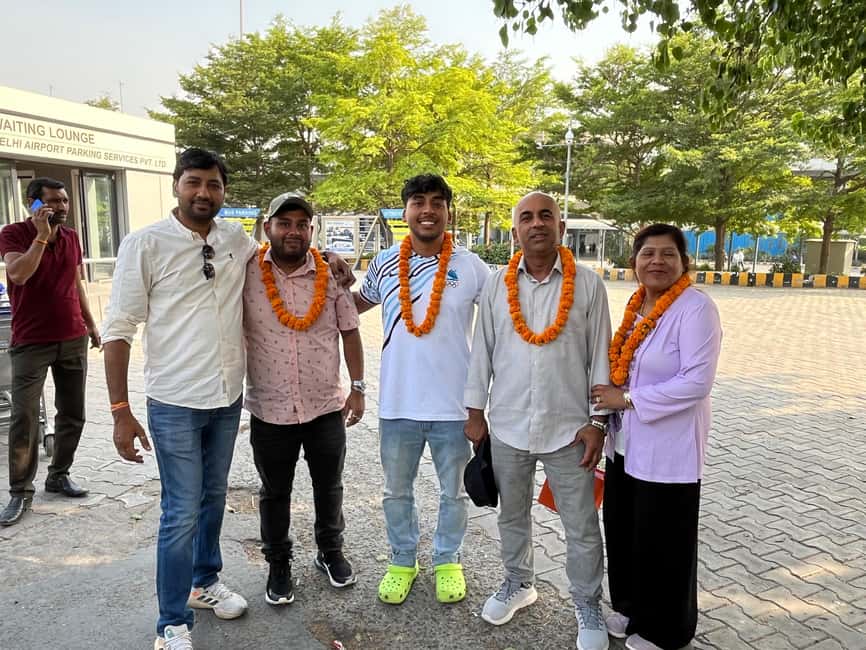
Pickup is included from your hotel or airport in Delhi, Noida, or Gurgaon. At Terminal 3 in Delhi Airport, the driver meets you holding a board with your name and you exit at Gate No. 4.
Is the Taj Mahal always visited?
The tour includes a sunrise visit to the Taj Mahal, but it notes that the Taj Mahal is closed on Friday.
What do I need to bring?
You need a passport or an ID card.
Can I cancel for a full refund or pay later?
Yes. Free cancellation is available up to 24 hours in advance for a full refund. You can also use reserve now & pay later, meaning you can book without paying immediately.