REVIEW · NEW DELHI
Timeless Treasures: An Old Delhi Heritage Walking Tour
Book on Viator →Operated by Ritesh Rawat · Bookable on Viator
Old Delhi changes your pace fast. This 3.5-hour heritage walk strings together Old Delhi landmarks with real market life, ending near the spice market area. I like how the tour mixes sacred places with food stops, so you see the city as locals live it—not just as photo backdrops.
Two things I’d especially highlight: the included street-food tasting/snacks and the stop-by-stop navigation through Chandni Chowk’s maze-like lanes. One thing to keep in mind is that you’ll do a fair bit of walking and you must follow worship etiquette like covering shoulders and knees and removing shoes at places of worship.
In This Review
- Key highlights at a glance
- Old Delhi on Foot: What a 3.5-Hour Heritage Walk Delivers
- Price and Value: Why $22.53 Can Feel Like a Deal
- Meeting Point to Finish: Starting Near Red Fort, Ending in the Spice Market Zone
- Stop 1: Sri Digambar Jain Lal Mandir and Temple Etiquette That You’ll Appreciate
- Stop 2: Chandni Chowk Market Lanes for Real Market Life
- Stop 3: Gurudwara Sis Ganj Sahib and the Story You Can’t Get Just by Reading Signs
- Stop 4: Dariba Kalan and Naughara’s “Nine Houses” Area
- Stop 5: Gali Paranthe Wali and the Flatbread Street Moment
- Stop 6: Khari Baoli Spice Market and Why Spices Are a Story Here
- Street Food, Tea or Coffee, and Snacks: How the Tasting Works
- The Guide Factor: What You Gain from Guides Like Ritesh (and Zohra)
- Practical Tips: Shoes, Clothes, and Walking Comfort in Chandni Chowk
- Who Should Book This Tour (and Who Might Want Something Else)
- Group Size and Comfort: Small-Group Feel in a Big-City Maze
- Should You Book This Old Delhi Heritage Walking Tour?
- FAQ
- How much does the Timeless Treasures Old Delhi walking tour cost?
- How long is the tour?
- Where does the tour start and end?
- What’s included in the price?
- Is there food and a spice market stop?
- Do I need to cover my knees and shoulders?
- Do I need to remove my shoes?
- What walking or fitness level is expected?
- Can I cancel for a full refund?
- What group size should I expect?
Key highlights at a glance

- Chandni Chowk lanes + major bazaars: guided orientation through one of Delhi’s best-known market districts
- Khari Baoli spice market visit: built on the city’s long spice-trade tradition
- Temple and Gurudwara stops: Sri Digambar Jain Lal Mandir and Gurudwara Sis Ganj Sahib, with visitor rules
- Street food tasting included: snacks plus tea or coffee during the walk
- Short rickshaw ride: a tuk-tuk/cycle rickshaw style transfer helps break up the route
- High praise for guiding: feedback spotlights guides such as Ritesh Rawat (and also mentions Zohra) for warmth and flexibility
Old Delhi on Foot: What a 3.5-Hour Heritage Walk Delivers
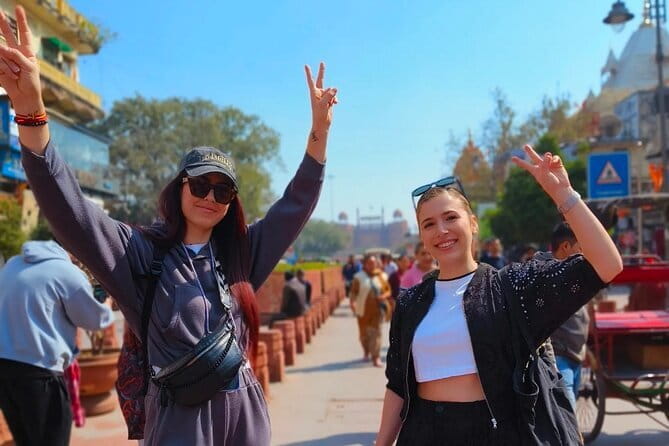
This isn’t a “stand and look” tour. It’s designed for moving through Old Delhi like you’re supposed to be there: on foot, with a guide keeping you oriented while you drift from one spot to the next.
The timing matters. At about 3 hours 30 minutes, you get enough time to see the key corners of Chandni Chowk and still have room for food and a short ride, without feeling like the day disappears. The pace also suits a moderate fitness level, as long as you’re comfortable walking through uneven, crowded areas.
The biggest value is practical. You’ll learn what you’re looking at—temples, markets, and the spice trade—while you’re physically in the environment. And because the tour includes bottled water, plus coffee and/or tea and snacks, you’re not stuck trying to figure out food and hydration on your own mid-walk.
You can also read our reviews of more walking tours in New Delhi


Price and Value: Why $22.53 Can Feel Like a Deal
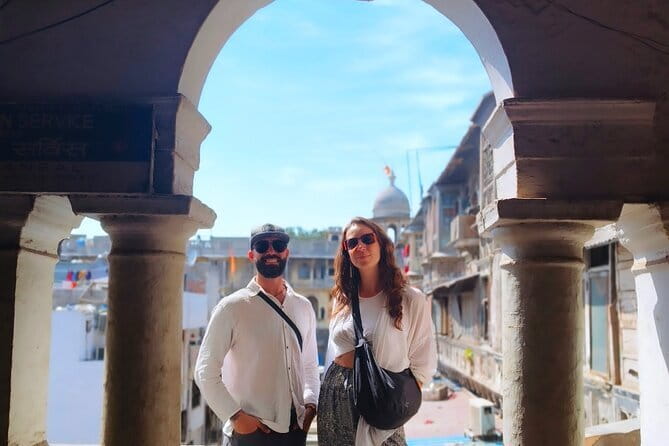
At $22.53 per person, you’re paying for more than a guide. You’re paying for routing, timing, and the small logistics that make Old Delhi feel less intimidating.
Here’s what you actually get in the value mix:
- Temples and market stops (with admission listed as free at the stops)
- Snacks + coffee and/or tea
- A short ride (cycle rickshaw/tuk tuk type transfer)
- Bottled water
- A guide who helps you understand what’s going on so you’re not guessing
If you’ve ever tried to “self-tour” Chandni Chowk, you know the trap: you can wander for hours and still not know what you’re seeing or where the important food/market moments are. This tour compresses that discovery into a focused half-day, and the included tastings soften the price compared to buying snacks separately.
Meeting Point to Finish: Starting Near Red Fort, Ending in the Spice Market Zone
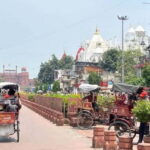
You’ll start at Shri Digambar Jain Atishay Kshetra Lal Mandir, on Netaji Subhash Marg, opposite Red Fort (Chandni Chowk). That’s a smart anchor point: you’re near one of Old Delhi’s most recognizable landmarks, so you can orient quickly.
The tour finishes at Fatehpuri Masjid in the Chandni Chowk area, and the overall plan is to wrap up around the spice market zone. For me, that matters because it means you don’t leave the experience and then have to figure out how to get to the one place you came for.
Stop 1: Sri Digambar Jain Lal Mandir and Temple Etiquette That You’ll Appreciate
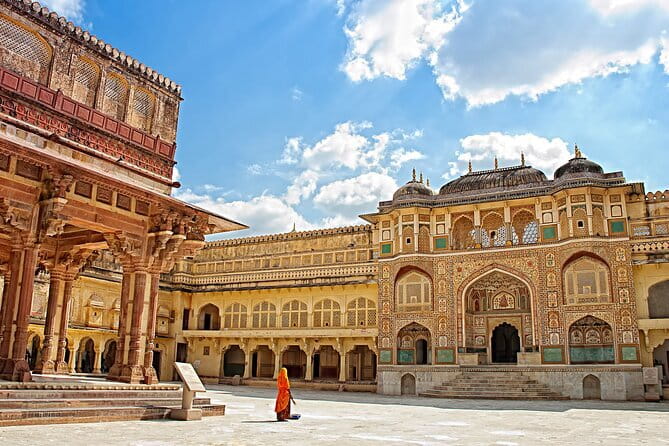
The first stop is Sri Digambar Jain Lal Mandir, about 40 minutes. This Jain temple is known for its architecture and history, and you’ll get a guided look that goes beyond just exterior photos.
What makes this stop useful for first-timers is the visitor etiquette. You’ll be guided through the rules that keep worship spaces respectful:
- Knees and shoulders must be covered
- Shoes and slippers need to be removed at places of worship, and they’ll be stored safely for you
That’s not just “nice to know.” In a place like Old Delhi, the rules help you move smoothly. If you show up prepared, you don’t waste time later hunting for a way to cover up.
Stop 2: Chandni Chowk Market Lanes for Real Market Life
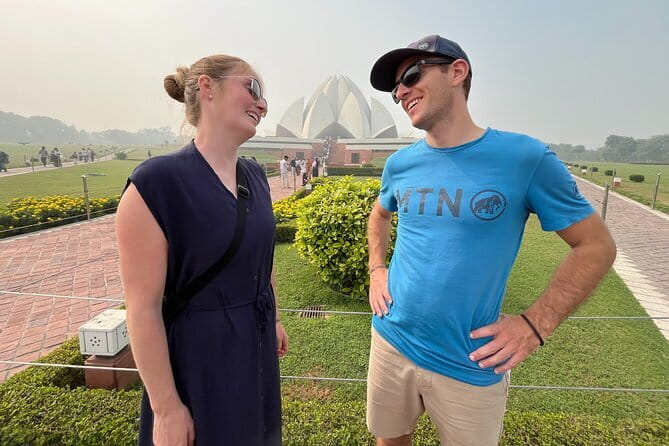
Next comes Chandni Chowk, roughly 1 hour. This is one of Delhi’s oldest and busiest markets, and the tour keeps you in the thick of it rather than floating at the edges.
You’ll see:
- Narrow lanes packed with shops
- A sense of market energy that you can’t replicate from a bus window
- How people shop day-to-day, not just how tourists browse
This is also the moment when a guide earns their fee. Chandni Chowk is easy to get lost in. A good guide helps you connect what you’re seeing with why it matters—so you understand the market as a system, not just a set of storefronts.
You can also read our reviews of more historical tours in New Delhi



Stop 3: Gurudwara Sis Ganj Sahib and the Story You Can’t Get Just by Reading Signs

After the market, you’ll visit Gurudwara Sis Ganj Sahib for about 25 minutes. This gurudwara has important Sikh historical meaning, commemorating the martyrdom of Guru Tegh Bahadur, the ninth Sikh Guru.
This stop is a reminder that Old Delhi isn’t only about commerce. It’s also a living religious corridor where worship shapes daily life. The same rules apply here—covered shoulders and knees, and shoe removal—so plan your outfit around that.
If you like places that have meaning rather than just aesthetics, you’ll enjoy this stop most. It gives context to the area you’re walking through instead of treating everything as a shopping stop.
Stop 4: Dariba Kalan and Naughara’s “Nine Houses” Area

From there, you’ll pass through Dariba Kalan, a historic street linked with jewelry trading for centuries—especially silver and gold. You’re there for a quick look, around the short stop time slot, but it helps to see this area because Chandni Chowk isn’t a single theme. It’s layered: spices in one pocket, jewelry in another, worship nearby, and food right where people need it.
Then there’s Naughara (Row of Nine Houses), about 10 minutes. This locality is associated with Mughal-era architectural remnants. The short timing is intentional; it works as a “you’re here, notice this” moment, not a long museum-style stop.
Even if you don’t memorize every detail, you’ll leave with better instincts for how Old Delhi developed—commercial lanes next to heritage pockets—so you can keep noticing patterns after the tour ends.
Stop 5: Gali Paranthe Wali and the Flatbread Street Moment
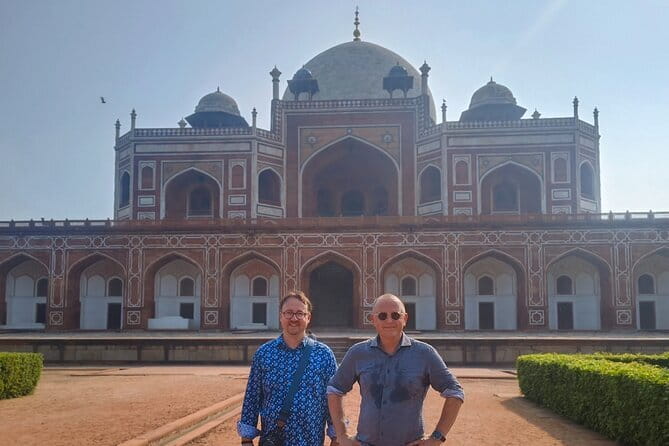
Next is Gali Paranthe Wali for about 5 minutes. This street is famous for parathas (traditional Indian flatbreads), and it’s lined with eateries.
That short time might sound quick, but it’s perfect for the tour style. You’re getting a “signature street” stamp without forcing you to sit for a full meal right in the middle of the walk. And since the tour includes snacks, this is part of how the tasting route stays efficient.
If you’re food-forward, you’ll appreciate that the tour builds in time for eating without turning the whole experience into one long restaurant stop.
Stop 6: Khari Baoli Spice Market and Why Spices Are a Story Here
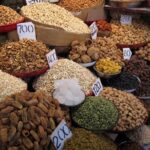
Finally, you reach Khari Baoli, one of Asia’s largest wholesale spice markets. The name is tied to salt/spice traditions, and the market has been a spice-trade center since the Mughal era.
You’ll spend about 25 minutes here, and this is the part many people remember most. It’s not just about spices as products. It’s spices as history, trade, and daily supply. Watching how the market operates gives meaning to everything you’ve seen up to now—because Chandni Chowk’s commercial life makes more sense once you understand where goods come from.
This is also where the tour’s short ride can pay off. The route includes a cycle rickshaw/tuk tuk ride, helping you move between dense zones without turning the walk into pure endurance.
Street Food, Tea or Coffee, and Snacks: How the Tasting Works
The tour description emphasizes tasting street food dishes, and the inclusions confirm snacks plus coffee and/or tea. In practice, this combo keeps the experience grounded: you’re learning with your eyes, then confirming with your taste buds.
A practical tip: treat the included snacks as your “fuel stops,” not necessarily as a full lunch replacement. Old Delhi food can be tempting, and once you’re at Khari Baoli and Gali Paranthe Wali, you might spot extra things you want after the tour.
The Guide Factor: What You Gain from Guides Like Ritesh (and Zohra)
The biggest reason this tour scores so high is guide quality. Feedback specifically praises Ritesh Rawat for strong English and for telling stories that make Old Delhi feel clear and safe. Another praised guide is Zohra, described as warm, personal, and knowledgeable, with flexibility when schedules get tight.
That flexibility shows up in real ways:
- Guides can adapt timing when heat hits hard
- The experience can feel personal, even when you’re in a crowd-heavy area
- Safety and comfort matter, especially if you’re traveling solo
For you, that means less guessing. You’re not just collecting facts; you’re getting help navigating real streets and choosing what’s worth stopping for.
Practical Tips: Shoes, Clothes, and Walking Comfort in Chandni Chowk
Old Delhi is not a place for “I’ll just wear anything.” Here’s what you should plan around based on the rules and the route.
Wear covered clothing for temples
You’ll need knees and shoulders covered at places of worship. Wear something you can move in, because you’ll be walking through markets.
Expect shoe removal at worship stops
Shoes and slippers come off at places of worship, and the tour notes they’ll be safely stored for you. That’s normal here—bring footwear that’s easy to take on and off.
Bring comfortable walking shoes or slippers
The tour explicitly recommends comfortable shoes/slippers. I’d treat that as non-negotiable. The ground and crowding can make “cute shoes” a bad deal.
Who Should Book This Tour (and Who Might Want Something Else)
This walk is a strong fit if you want:
- A first introduction to Old Delhi via markets and heritage stops
- Included food moments (snacks + street-food tasting)
- A guided route so you don’t spend half your time orienting
You’ll likely enjoy it most if you’re comfortable with moderate walking and if you can follow basic worship etiquette. If you’re dealing with mobility issues, or if removing shoes plus covering up feels like a hassle you can’t manage, you might prefer a more flexible option with fewer stops.
Also, this tour works well for people who like structure. You get a clear sequence of sites rather than an open-ended scramble.
Group Size and Comfort: Small-Group Feel in a Big-City Maze
The activity notes caps that keep the group from turning into a parade—a maximum of 10 travelers is listed, and a maximum of 50 also appears in the information. Either way, the goal is to keep it manageable so you can hear the guide and move together.
In feedback, people also highlight feeling safe during the walk. In a place like Chandni Chowk, that’s not a small detail. Safety is partly route knowledge and partly crowd navigation.
Should You Book This Old Delhi Heritage Walking Tour?
If you’re going to Old Delhi and you want more than a shopping walk, I think you should book this. The price is modest, and the included snacks, tea/coffee, water, and short rickshaw ride add real value. You also get a balanced mix: a Jain temple, a gurudwara tied to Guru Tegh Bahadur, major market streets, and the Khari Baoli spice market where everything starts to make sense.
Book it if you can handle shoe removal and covered clothing at worship stops, and if you enjoy walking through busy areas. Skip or compare other options if you want a low-walking day or you can’t comfortably follow the temple dress rules.
If you do book it, show up prepared, go hungry enough for snacks, and let the guide do the heavy lifting. Old Delhi is easier when someone knows exactly where to take you next.
FAQ
How much does the Timeless Treasures Old Delhi walking tour cost?
It costs $22.53 per person.
How long is the tour?
The tour lasts about 3 hours 30 minutes.
Where does the tour start and end?
It starts at Shri Digambar Jain Atishay Kshetra Lal Mandir on Netaji Subhash Marg, opposite Red Fort (Chandni Chowk). It ends at Fatehpuri Masjid in the Chandni Chowk area, and the tour finishes around the spice market zone.
What’s included in the price?
Included are bottled water, snacks, a cycle rickshaw/tuk tuk ride, coffee and/or tea, and a friendly tour guide.
Is there food and a spice market stop?
Yes. The tour includes tasting street food dishes, plus a visit to Khari Baoli, which is one of Asia’s largest wholesale spice markets.
Do I need to cover my knees and shoulders?
Yes. Knees and shoulders must be covered at all places of worship.
Do I need to remove my shoes?
Yes. Shoes and slippers need to be removed at places of worship, and they will be safely stored for you.
What walking or fitness level is expected?
You should have a moderate physical fitness level.
Can I cancel for a full refund?
Yes. Free cancellation is available up to 24 hours in advance for a full refund.
What group size should I expect?
The information lists a maximum of 10 travelers, and it also notes a maximum of 50 travelers.