REVIEW · NEW DELHI
Tea Tasting Session at India’s oldest tea boutique Sancha Tea/Aap Ki Pasand
Book on Viator →Operated by Sancha Tea Boutique · Bookable on Viator
Tea has geography, and this tasting teaches it. In New Delhi, you step into India’s oldest tea boutique and meet the spirit behind it, Mr Sanjay Kapur, who has been mastering and blending tea since 1981. You get a guided way to taste black, white, green, and spiced offerings, without turning it into a lecture marathon.
What I love is the focus on learning by tasting across regions like Darjeeling, Assam, Nilgiri, Sikkim, and Kangra. You also have time to ask questions and get help with what you’re drinking, including requests to have tea brewed in-store on the house.
One possible drawback: with just about 1 hour, you won’t be able to sample every one of their 100-plus teas. If you’re picky and have a specific rare type you want, come ready to ask for it early.
In This Review
- Key points to know before you go
- India’s Oldest Tea Boutique in New Delhi: Sancha Tea in Daryaganj
- How the 1-Hour Tasting Works with a Small Group
- Seven Regions, Several Tea Styles: What You Learn by Tasting
- The Masala Chai Blends with Saffron, Cardamom, Ginger
- Ayurvedic Herbal Teas and Brewing Requests
- Taking Tea Home: Gifts, Shopping Strategy, and Freshness
- Price and Value for $7 for a Focused Tasting Hour
- Should you book Sancha Tea/Aap Ki Pasand for a tea tasting?
- FAQ
- How long is the tea tasting session?
- How much does it cost?
- Where is the meeting point in New Delhi?
- What kinds of teas are included?
- Is the group size limited?
- What is the cancellation refund policy?
Key points to know before you go
- India’s oldest gourmet tea shop (since 1981) with 11 locations across India
- Seven tea regions in one session, from Darjeeling and Assam to Sikkim and Kangra
- Multiple tea styles to taste: black, white, green, plus Ayurvedic herbal options
- Masala chai blends featuring spices like saffron, cardamom, and ginger
- Small-group format (maximum 20) that keeps the pace conversational
- You can request brewing help from the sommeliers for teas in the shop
India’s Oldest Tea Boutique in New Delhi: Sancha Tea in Daryaganj

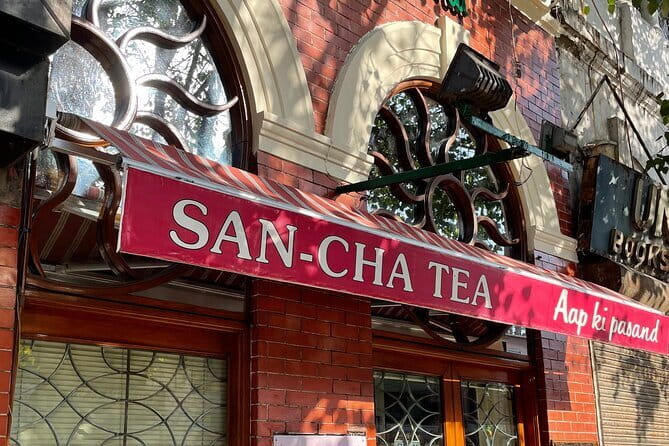
This tea stop is built on credibility and consistency. Sancha Tea/Aap Ki Pasand presents itself as the oldest artisanal tea boutique in India, founded by Master Tea Taster and blender Mr Sanjay Kapur in 1981. It’s not just a shop sign either. They’re also described as being recommended by major travel and media outlets since those early days.
The location is in Daryaganj, near Netaji Subhash Marg, opposite Golcha Cinema. For me, that matters because it keeps the tasting easy to fit into a day in central Delhi. You’re not going across town and losing half your morning just to reach a store.
You’ll also see how seriously they take selection. They mention 11 locations across India, plus “over a 100” teas and blends available to try and buy. Even if you only have an hour, the promise here is simple: you’ll drink enough to understand the main differences between Indian tea regions and styles, not just take home a bag of something random.
If you like your travel experiences small-scale and local, this is that. And if you’re the type who enjoys learning through food and drink, this tasting gives you a straight path: taste, then understand why it tastes that way.
You can also read our reviews of more food & drink experiences in New Delhi


How the 1-Hour Tasting Works with a Small Group
The session is designed to be compact: about 1 hour and a maximum of 20 people. That small cap is a big deal because it usually means you’re not stuck watching from the sidelines. Instead, you can ask questions and keep up with what the staff is explaining.
You get a mobile ticket, which makes last-minute planning simpler when you’re moving around Delhi. The shop is open Monday through Saturday, 10:30 AM to 5:30 PM, so you can generally line it up with other afternoon plans. The meeting point is clear: Aap Ki Pasand Tea Gallery, Sancha Tea 15, Netaji Subhash Marg, diagonally opposite Golcha Cinema.
One more practical note: the experience requires good weather. That doesn’t automatically mean it’s an outdoor tea party—sometimes it’s just how the operator handles scheduling. Still, keep a little flexibility in your day. If weather turns, you may need a different date or a refund.
In short, you’re paying for a guided tasting time slot, not an open-ended tea crawl. If you expect to wander the entire store for two hours, you’ll feel the time limit. If you want a focused hour that helps you taste and learn, it’s a solid match.
Seven Regions, Several Tea Styles: What You Learn by Tasting
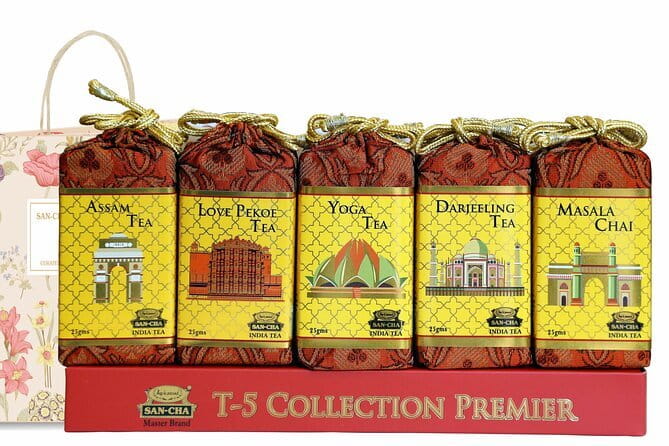
The heart of the experience is regional tea tasting. They frame India’s tea world as built on different tea-growing regions—and they name the major ones you can expect to taste: Darjeeling, Assam, Nilgiri, Sikkim, and Kangra. The idea is to taste the differences in leaf style, processing style, and flavor direction, then tie that back to the place the tea comes from.
You’ll also be drinking across multiple tea categories. Their tasting is not limited to black tea. They highlight white teas and green teas as part of what you can sample. That matters because a lot of visitors arrive thinking of Indian tea as mostly dark and malty. When you taste lighter styles too, you start to understand why India is not a one-note tea country.
What makes the session useful is the way it’s presented. The shop describes itself as artisan-led and runs a structure where you can sit, taste, and learn what you’re tasting. One guest experience described being able to sit and try 13 different teas in the hour, which tells you the pacing is meant to keep moving so you get real variety rather than one or two samples.
Here’s how I’d approach it as a visitor: don’t try to memorize everything on the spot. Instead, pick two or three teas that felt noticeably different, then ask a staff member what causes that shift. You’ll likely leave with more usable knowledge than if you try to treat it like a tasting exam.
The region-focused tasting is also a good way to decide what you actually want at home. You’ll know whether you prefer the brisk lift of certain white or green styles, or whether you reach for the deeper comfort of black teas.
The Masala Chai Blends with Saffron, Cardamom, Ginger
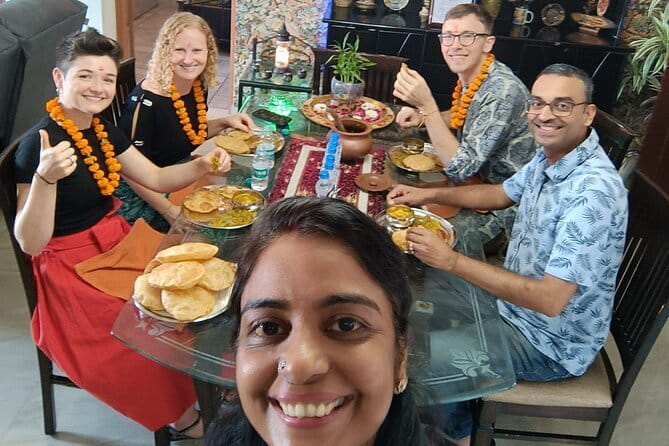
If your idea of Indian tea is masala chai, you’re going to feel at home here. The shop emphasizes 7 unique masala chai blends featuring spices such as saffron, cardamom, and ginger. They connect those flavors to the Malabar Spice Coast of India, which is a neat way to think about chai as more than just a generic sweet tea.
For you, the value of this section is that it helps you separate two things:
1) The tea base
2) The spice profile added on top
Spice-heavy chai can blur those lines when you buy it at random. In a tasting environment, the staff can help you notice how much the blend leans toward floral notes, warmth from ginger, or aromatic lift from cardamom.
One of the practical benefits of having blends in a structured tasting is comparison. Even if you don’t love every chai, you’ll quickly learn which direction fits your palate. Do you want a chai that feels more fragrant than sweet? One that’s spicier and bolder? Or one that’s gentler and easier to drink with meals?
After tasting, the store also positions these blends for gift buying. So you can turn your preferences into a shortlist fast. If you’re coming to Delhi with friends who always ask what to bring back, chai spice blends are an easy win because they feel specific to the region and taste like something you can’t recreate perfectly from generic tea bags.
Ayurvedic Herbal Teas and Brewing Requests
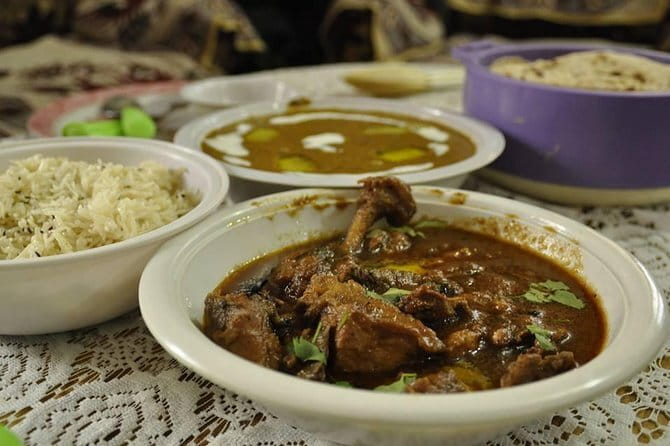
Not every tea drinker wants caffeine-heavy black teas all day. This shop also offers Ayurvedic herbal teas for wellness. That’s helpful if you want to taste broadly, including caffeine-free options or lighter infusions that still feel intentional.
A standout detail is the way they handle brewing. They say you can ask sommeliers to brew any tea in the store on the house. That turns the session into more than a set lineup. If you’re curious about a particular tea—maybe one you spot as you browse—you’re not stuck waiting for it to be part of a fixed flight.
In practical terms, this is where your questions pay off. If you want to learn, ask about:
- what makes a white tea feel different from a black tea
- how a specific spice blend changes the cup
- how the herbal options are intended to be used
And you should know the vibe in this shop is also described as relaxed. Guests highlight that the staff doesn’t make you feel pushed into buying. That’s important. Tea can be expensive, and pressure ruins the fun. Here, the approach sounds more like guided choice than forced sales.
If you’re traveling solo, this is also a good activity because the staff can adapt to what you want to taste. You’re not locked into a rigid script as long as you’re asking clear questions.






Taking Tea Home: Gifts, Shopping Strategy, and Freshness
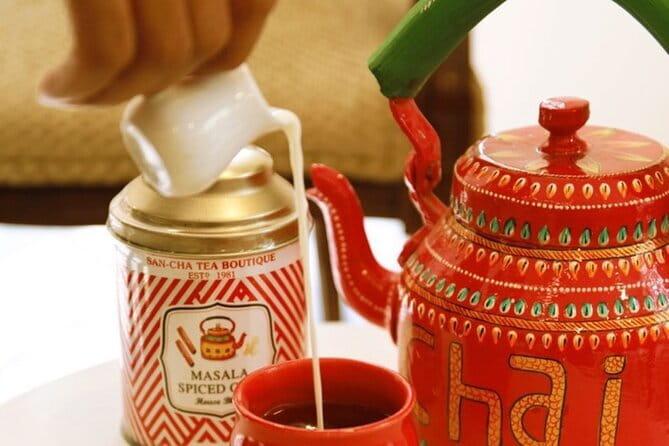
One reason this experience works as a souvenir is sheer selection. They mention 100 Indian teas and blends available, plus gift options with over 100 blends that include “real spices, herbs, flowers,” or pure tea. That means you can tailor what you buy to your household.
Here’s my value-focused approach to buying after a tasting like this:
- Buy for taste, not for variety
- Choose at least one tea that matches something you loved in the session
- Add one experimental item so you remember the trip without wasting money
Because they emphasize quality and freshness, you can feel more confident buying a blend you enjoyed instead of treating it as a random keepsake. Also, since they’re blending and selling in-house, you’re more likely to get guidance on how the blend should be used.
If you’re sending gifts, masala chai blends and spice-forward combinations are often the easiest to package into a “just add boiling water” routine. If you’re buying for someone who loves brewing, the pure tea options—especially if you sampled white or green—are a better fit.
Also, if you’re concerned about overspending, set a simple budget before you start tasting. With 100-plus options, it’s easy to drift into browsing mode. A quick plan keeps it fun.
Price and Value for $7 for a Focused Tasting Hour
At $7 per person, this is priced like a light add-on, not a premium fine-dining experience. The value comes from what’s included: guided tasting across multiple regions and multiple styles, plus time to ask for help and potentially request brewing for teas you want to try.
Duration matters here. A one-hour format can feel short, but in this case it’s part of the bargain: you’re paying for concentrated sampling rather than a full afternoon in a tasting room. The staff can move you through enough options to make choices without dragging on until your attention fades.
Small group format (up to 20) helps preserve that value. In larger groups, tastings often turn into quick pours with little explanation. Here, the session structure sounds built for interaction.
Also, it’s typically booked about 8 days in advance, so don’t assume you can stroll in at any time. If tea matters to your itinerary, lock it in early and keep the rest of your day flexible.
The practical trade-off is still the time limit: you won’t test everything. But for $7, that’s not a dealbreaker. It’s actually a smart way to sample widely, learn quickly, then come back later (or buy immediately) based on what you genuinely enjoyed.
Should you book Sancha Tea/Aap Ki Pasand for a tea tasting?
Book it if you want an experience that’s both hands-on and educational without turning your trip into homework. This fits best if you enjoy food and drink culture, you like learning regional differences, or you’re hunting for a tea souvenir that’s more thoughtful than random packets.
You might skip it if you only want one specific type of tea and you’re not interested in tasting across styles. The session is also about sampling and explanations, not a deep, multi-hour brewing class.
My simple decision rule: if you can spare an hour in central Delhi and you want a practical way to understand Indian tea regions, this tasting is worth scheduling.
FAQ
How long is the tea tasting session?
The session lasts about 1 hour.
How much does it cost?
It costs $7.00 per person.
Where is the meeting point in New Delhi?
You meet at Aap Ki Pasand Tea Gallery (India’s Oldest Gourmet Tea Store), Sancha Tea 15, Netaji Subhash Marg, opposite Golcha Cinema, diagonally, Daryaganj, New Delhi, Delhi 110002.
What kinds of teas are included?
You’ll taste teas from multiple Indian regions such as Darjeeling, Assam, Nilgiri, Sikkim, and Kangra, plus black teas, and also white teas and green teas. The shop also offers masala chai blends and Ayurvedic herbal teas.
Is the group size limited?
Yes. The experience has a maximum of 20 travelers.
What is the cancellation refund policy?
You can cancel for a full refund if you cancel at least 24 hours before the experience start time. If you cancel less than 24 hours before, the amount paid is not refunded.