REVIEW · NEW DELHI
Temples, Bazaars & Food Tasting in Old Delhi with Female Guide
Book on Viator →Operated by THE LOST COMPASS · Bookable on Viator
Old Delhi can feel loud and chaotic at first. This 3-hour Old Delhi Temples, Bazaars & Food Tasting tour gives you a guided path through the noise, with temple stops and bite-sized food along the way.
I like that it mixes the practical (markets you can navigate fast) with the meaningful (temple stories and what you’re actually seeing). I also really value the female guide angle for solo travelers, especially in tight lanes where a little confidence goes a long way.
A possible drawback: a few sights are mainly viewed from the outside, and you’ll be walking through crowded market areas where you need comfortable shoes and patience.
In This Review
- Key highlights you’ll feel right away
- Old Delhi in 3 hours: what this tour is really good at
- Why a female guide changes the experience
- Chandni Chowk: your orientation stop for Old Delhi life
- Sikh temple stop: the gurudwara kitchen is the surprise
- Red Fort and Hindu temple: see the exteriors, not an inside day
- Jain temples and the bird hospital: quiet detail where you least expect it
- Dariba Kalan: the silver street vibe
- Naughara: the row of nine houses and another Jain stop
- Khari Baoli: Asia’s 2nd largest spice market
- Fatehpuri Masjid: a big mosque with a clear sense of place
- Food tasting: how to get the best bites without rushing
- Rickshaw rides: the quickest way to reduce market stress
- Price and value: is $29 fair for what you get?
- Who should book this tour, and who might want to skip it
- Should you book? My honest call
- FAQ
- How long is the Old Delhi Temples, Bazaars & Food Tasting tour?
- How much does the tour cost?
- Where does the tour start?
- Does the tour end at the same place?
- What food is included?
- Are there rickshaw rides included?
- Which markets and temples are visited?
- Is admission included?
- Is this tour suitable for solo travelers and groups?
- What if there are weather issues or the minimum group size isn’t met?
Key highlights you’ll feel right away
- A female guide focused on care, clarity, and keeping the group moving
- Markets with names you’ll remember: Chandni Chowk, Dariba Kalan, Khari Baoli
- Temples that go beyond photos: Sikh gurudwara kitchen, Jain bird hospital, a 2nd-largest mosque
- Food tasting built for pacing: chai, samosa, pakora, traditional bread, curry, lassi
- Rickshaw rides that break up the walking and help you cross busy lanes
- Small group size capped at 20 people for easier conversation
Old Delhi in 3 hours: what this tour is really good at
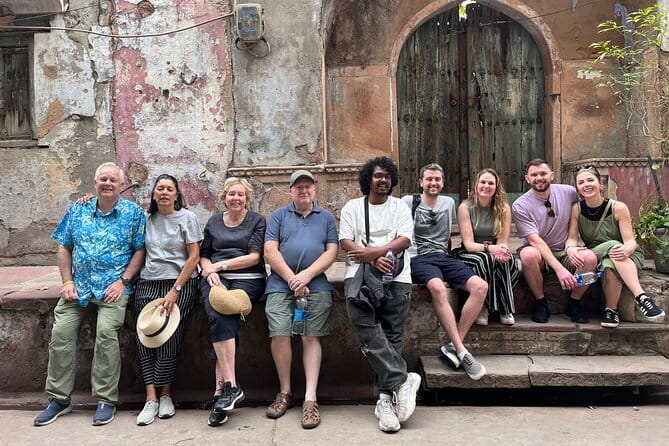
This tour is built for a short, high-impact taste of Old Delhi without turning your day into a full-on logistics project. You start at Metro Station Lal Qila in the Chandni Chowk area, and you end back at the same meeting point, which matters when the lanes are packed and you don’t want to keep re-navigating.
The timing works because the itinerary is a series of quick transitions. Think 10 to 25 minutes at most stops, then right back into the streets. If you’ve only got a half day, this format is a smart way to get your bearings fast.
You can also read our reviews of more food & drink experiences in New Delhi


Why a female guide changes the experience
In busy market streets, the biggest difference isn’t just the route. It’s how you’re handled inside crowds. A good guide keeps you from getting separated, helps you move at a comfortable pace, and explains what you’re looking at before you feel overwhelmed.
This experience is led by a female guide, and that’s not a small detail. For solo female travelers, it adds comfort and confidence in areas where you may otherwise feel hesitant. Communication in advance also seems to be a strong point, which helps you arrive ready instead of scrambling on the ground.
Chandni Chowk: your orientation stop for Old Delhi life
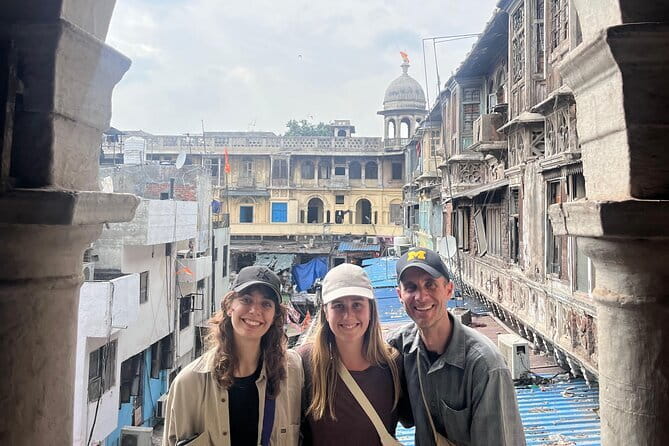
You begin at Chandni Chowk, famous for its markets and the kind of street energy that makes your senses wake up. The lanes here can be intense, so your first minutes are about getting your bearings and learning how to read the chaos.
At this early stage, what you’ll appreciate most is the order the guide gives you. You’ll see the market environment right away, and you’ll get context so you don’t just feel like you’re walking through noise. For first-timers, this stop is where you start to understand the rhythm of the area.
Sikh temple stop: the gurudwara kitchen is the surprise
Next you visit Sis Ganj Guru Dwara, a Sikh temple where the focus isn’t only on prayer. You’ll also step into the mega kitchen where around twelve to fifteen thousand people are served food every single day for free.
That number changes how you look at the place. You’re not just touring a building. You’re seeing community food work at a scale that feels impossible until you’re standing in the space. It’s one of the stops that tends to stick with you because it’s practical, human, and easy to understand without needing deep background.
Plan to spend enough time to notice details, but also remember this is still a moving tour. You’ll get the story and then keep going.
Red Fort and Hindu temple: see the exteriors, not an inside day

A quick stop follows for Red Fort, plus a Hindu temple from outside. This is not a full temple complex visit and it isn’t the kind of stop where you need to plan for long photo sessions.
Why it works: it gives you reference points. Seeing the exteriors helps connect the rest of the day, because you’re learning Old Delhi as an urban patchwork, not as one isolated attraction. If you’re hoping for a deep interior visit, you might find this portion lighter than expected.
You can also read our reviews of more tours and experiences in New Delhi





Jain temples and the bird hospital: quiet detail where you least expect it
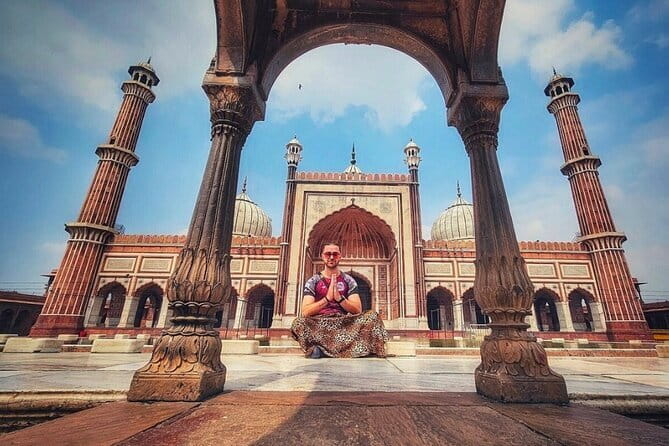
Then the tour shifts into a calmer, more intricate side of the city with Lal Mandir Shri Digambar Jain Atishay Kshetra. Jain temples can feel visually different from the Sikh and Hindu spaces you’ll have seen earlier, and this one is a great example of that attention to detail.
While you’re there, you’ll also visit the bird hospital inside. That’s the kind of specific detail that makes a short tour feel personal. It’s not just architecture talk; it’s an on-site glimpse at care and practice.
Time here is about 25 minutes. You’ll want to slow down for a minute, because the fine details reward patience. But don’t expect a long sit-down; you’ll be moving again soon.
Dariba Kalan: the silver street vibe
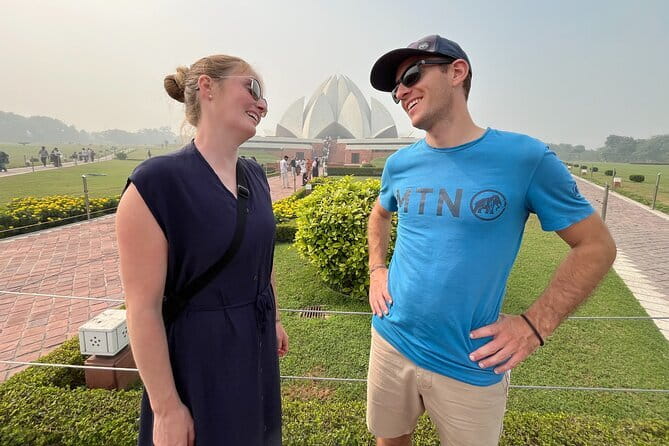
Next you pass through Dariba Kalan, known as the silver street of Old Delhi and a famous market for silver. Even if you don’t plan to buy, this is a useful stop because it shows how Old Delhi markets are organized by trade.
You’ll see the street culture of craftsmanship and retail, and you’ll get a clearer sense of how these lanes specialize. If you’re shopping, this is the kind of place where you’ll want to take your time and compare, because you’ll have other moments later that are more about spices and worship than sales.
Naughara: the row of nine houses and another Jain stop
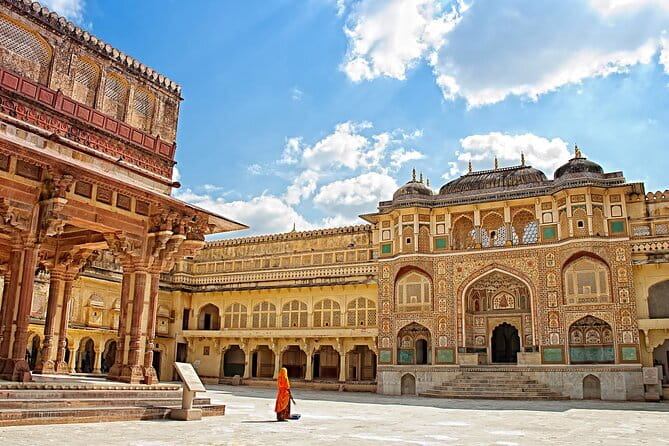
You then visit Naughara – Row Of Nine Houses, often considered one of the most beautiful lanes in Old Delhi. Here, you’ll explore a Jain temple situated in the area.
This stop feels different because the lane itself becomes part of the experience, not just the temple. It’s also a good reminder that Old Delhi isn’t one straight line of sights. It’s small pockets of identity—trade zones here, worship spaces there, and lanes that feel like they have their own character.
Time is about 20 minutes, so it’s enough to see what makes the lane special without it turning into a long detour.
Khari Baoli: Asia’s 2nd largest spice market
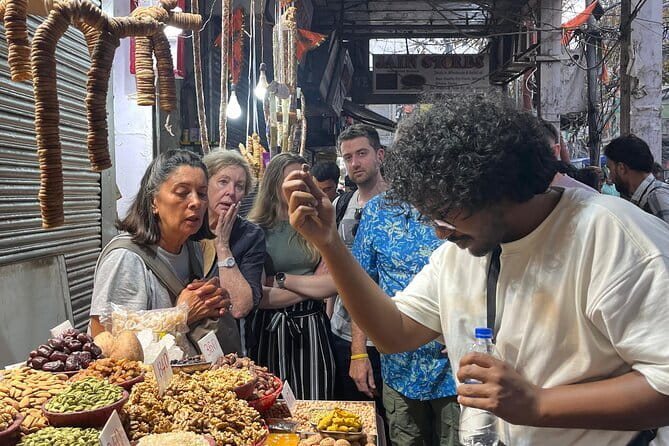
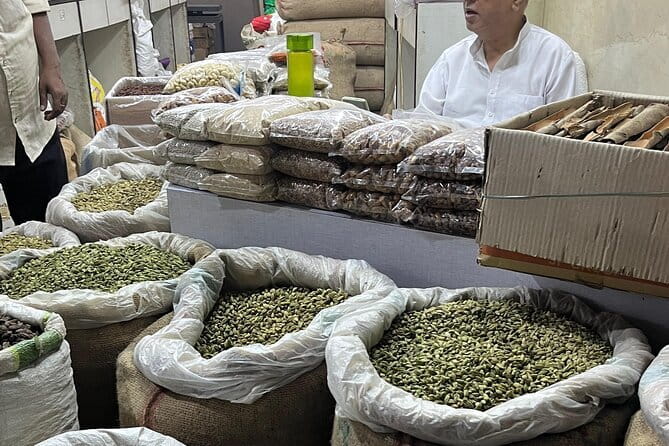
Then comes Khari Baoli, described as Asia’s 2nd largest spice market. The aroma here is the star. Expect strong spice smells, crowded stalls, and a sense that this is where the city’s kitchens and everyday life start.
Your guide’s context really matters at this stop. Without it, spice markets can turn into a sensory overload. With it, you can start to understand what you’re seeing—spice storage, retail habits, and why this kind of market exists in the center of town.
This is also one of those moments where comfortable shoes pay off. The best way to enjoy it is to keep your pace steady and not get stuck in the thickest part of the lane.
Fatehpuri Masjid: a big mosque with a clear sense of place
The day ends with Fatehpuri Masjid, a mosque located in the heart of Old Delhi that’s about 375 years old and described as the 2nd largest mosque there.
This stop is short, but it’s a powerful contrast to the spice lanes you just came from. You’ll likely appreciate the change in sound and movement pattern once you reach the mosque area. It also helps you understand that Old Delhi’s identity isn’t only market-driven. It’s layered with worship sites that still shape daily life.
Food tasting: how to get the best bites without rushing
The tour includes 4 to 5 food items, plus chai, samosa, pakora, traditional bread, curry, and lassi. Add in bottled water and coffee and/or tea, and you have a solid mini-meal plan for a short day.
What makes this tasting good value is that it’s not just random street snacking. It’s a set of bites that represent different flavors and textures: fried (samosa, pakora), comforting (bread), creamy and cooling (lassi), and warm spiced curry.
Practical tip: if you have a sensitive stomach, take it slow with fried items and drink the provided water. If you have food allergies, the tour explicitly asks you to write in ahead of time. That’s the right move, not the day-of gamble.
Rickshaw rides: the quickest way to reduce market stress
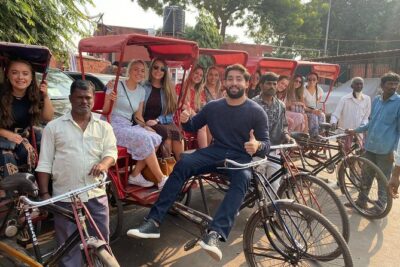
A rickshaw ride is included, which helps break up walking. In a place like Old Delhi, switching transport even briefly can change how you feel—less strain, fewer long crush points, and a chance to reset your focus.
You’ll still be walking, but the rickshaw moments make the day easier to manage, especially if you’re not used to navigating dense lanes.
Price and value: is $29 fair for what you get?
At $29 per person for about 3 hours, this tour is a good deal if you’re trying to avoid the usual headaches: figuring out which streets to hit, locating the right temple order, and paying individually for guide time plus snacks.
What makes the price feel fair is the bundle:
- A guide
- Multiple stops across markets and temples
- Rickshaw rides
- Bottled water
- Coffee and/or tea
- All fees and taxes
- Several food items
Individually, those pieces add up quickly, especially once you factor in time. This tour is essentially paying for direction, pacing, and context, while the food handles the fun part.
Who should book this tour, and who might want to skip it
I think this is a strong fit if you:
- Want a first-time Old Delhi route that doesn’t require planning
- Prefer a female guide for comfort while exploring crowded lanes
- Like food tours, but want them structured and timed
- Have only a few hours and want both markets and temples
You might want a different option if you:
- Want a long, inside-only temple day
- Hate crowded street environments and prefer quieter neighborhoods
- Are looking for deep museum-level time at each stop
Should you book? My honest call
If your goal is Old Delhi with less guesswork, this tour is a good booking choice. The standout strengths are the guide approach (especially for solo women), the mix of markets and worship spaces, and the fact that you leave with a practical sense of how these parts of the city fit together.
Book it if you want a short plan that actually works on the ground. Skip it only if you’re hoping for long interior visits at every major landmark.
FAQ
How long is the Old Delhi Temples, Bazaars & Food Tasting tour?
It’s approximately 3 hours.
How much does the tour cost?
The price is $29.00 per person.
Where does the tour start?
The meeting point is Metro Station Lal Qila, Chandni Chowk, Delhi 110006, India.
Does the tour end at the same place?
Yes, it ends back at the meeting point.
What food is included?
The tour includes 4 to 5 food items, including chai, samosa, pakora, traditional bread, curry, and lassi. Bottled water and coffee and/or tea are also included.
Are there rickshaw rides included?
Yes, rickshaw rides are included.
Which markets and temples are visited?
You’ll visit Chandni Chowk, Sis Ganj Guru Dwara, Red Fort (from outside), Lal Mandir Shri Digambar Jain Atishay Kshetra, Dariba Kalan, Naughara – Row Of Nine Houses, Khari Baoli, and Fatehpuri Masjid.
Is admission included?
All fees and taxes are included, and you’ll have admission for the stops marked as included.
Is this tour suitable for solo travelers and groups?
Most travelers can participate, and it’s designed for a group with a maximum of 20 travelers.
What if there are weather issues or the minimum group size isn’t met?
This experience requires good weather. If it’s canceled due to poor weather, you’ll be offered a different date or a full refund. A minimum number of travelers is also required, and cancellations for that reason offer a different date/experience or a full refund. You can cancel for a full refund up to 24 hours in advance.