REVIEW · NEW DELHI
3-Day Luxury Private Golden Triangle Tour – Delhi, Agra & Jaipur
Book on Viator →Operated by Shahrukh Khan · Bookable on Viator
A three-day circuit that feels like a VIP shortcut. This private luxury Golden Triangle tour links Delhi, Agra, and Jaipur with a driver who handles the driving and timing, so you can focus on the big sights without planning around tickets, traffic, or hotel check-in chaos. You also get a bit of flexibility to shape the day to your interests.
I especially love the mix of “wow” monuments and local rhythm. On Day 1 you hit Delhi’s grand Mughal and landmark sites, then you’re dropped into the energy of Chandni Chowk. On Day 2 you catch the Taj Mahal at sunrise, then continue through Agra’s UNESCO Mughal-era buildings at a pace that doesn’t feel rushed.
One possible consideration: entrance tickets aren’t included for many stops. That means you’ll want to budget for site entry fees and carry cash/card just in case, especially for the major monuments.
In This Review
- Key Highlights You’ll Feel From the Start
- The Private Luxury Angle: What It Actually Changes in Your Day
- Day 1 in Delhi: From Qutub Minar to Jama Masjid and Chandni Chowk
- Qutub Minar: UNESCO and the start of the story
- Lotus Temple: calm architecture in the middle of traffic
- Humayun’s Tomb: Mughal elegance, softer than the Taj
- India Gate: the memorial that surprises people
- Rashtrapati Bhavan: planned capital energy
- Jama Masjid and the push into Old Delhi
- Red Fort: Mughal power made visible
- Pasar Chandni Chowk: markets as a sensory break
- Drive to Agra: leaving Delhi’s speed behind
- Day 2 in Agra: Sunrise Taj Mahal Plus Three Mughal Stops
- Taj Mahal at sunrise: why early timing matters
- Agra Fort: part fortress, part architecture lesson
- Itmad-ud-Daula: the marble milestone
- Fatehpur Sikri en route: a quick taste of a lost capital
- Arrive Jaipur: hotel drop-off and breathing room
- Jaipur Day 3: Amer Fort, Jal Mahal, Hawa Mahal, City Palace, Jantar Mantar
- Amber Palace (Amer Fort): architecture you can feel
- Jal Mahal: peace at Man Sagar Lake
- Hawa Mahal: the 953-window signature
- City Palace: the royal residence side
- Jantar Mantar: astrology meets math
- Back to Delhi (or Jaipur airport)
- What’s Included: The Stuff That Makes This Worth Your Time
- Price and Value: Why $202.24 Can Make Sense
- Who This Tour Suits Best (And Who Might Not Love It)
- Quick Practical Tips Before You Go
- Should You Book This Private Golden Triangle Tour?
Key Highlights You’ll Feel From the Start
- Private pickup and door-to-door transfers in an air-conditioned vehicle, starting and finishing in Delhi
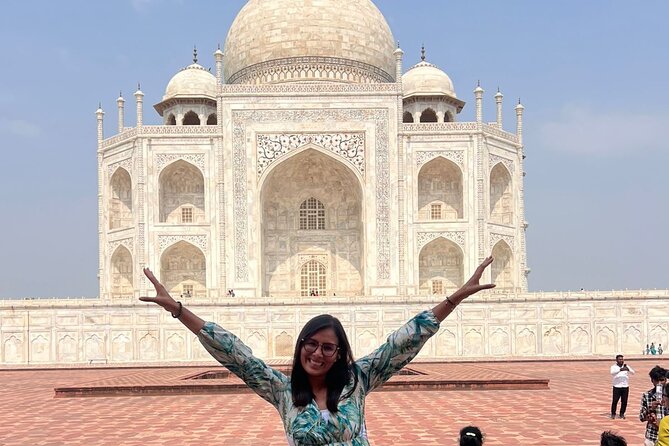
- Sunrise Taj Mahal timing for that early light (and a more peaceful start than later)
- UNESCO-heavy route: Qutub Minar, Humayun’s Tomb, Jama Masjid, Agra Fort, and more
- Comfort details matter: bottled water and soft drinks during the journeys, plus breakfast on two days
- Drivers with real “fixer” skills: people mentioned Mohit (and others) helping with clean bathroom stops and good tea/lassi breaks
- Solo-friendly vibe: at least one solo female traveler specifically called out feeling safe with the driver and setup
The Private Luxury Angle: What It Actually Changes in Your Day

This tour is built around one idea: you shouldn’t have to manage the messy parts. You’re picked up from the airport or your hotel and taken around in a private air-conditioned vehicle, so you don’t lose time negotiating routes, figuring out transit, or constantly “restarting” your day.
It’s also genuinely helpful for logistics-heavy sightseeing. In Delhi, you’re bouncing between major monuments. In Agra, you’re doing an early start. In Jaipur, you’re hitting forts and palace areas that can eat hours if you’re trying to plan trains or taxis on the fly. With private transfers, your time stays yours.
And yes, the luxury element shows up in the small things you’ll notice more in India than you expect: comfortable rides, bottled water and soft drinks during journeys, and daily help from a driver who’s used to the routes and timing. In feedback tied to this experience, drivers like Mohit and Ram Sharma stood out for keeping the car clean and serving as the kind of person who knows where to stop for a decent snack and where bathrooms are usable.
If you like having control but not chores, this setup fits well.
You can also read our reviews of more private tours in New Delhi



Day 1 in Delhi: From Qutub Minar to Jama Masjid and Chandni Chowk
Day 1 is the “big foundations” day. You start with Delhi’s iconic monuments in a line that’s easy to follow because you’re not hopping trains or coordinating multiple vehicles.
Qutub Minar: UNESCO and the start of the story
You’ll head straight to Qutub Minar, a UNESCO World Heritage site. It’s tied to Qutub-ud-din Aibak, and it’s the kind of site where you can instantly see why people make time for it: tall, architectural, and clearly meant to impress. Because it’s a standalone landmark, it’s a great way to get your bearings fast—this is where the rest of the city’s layers begin to make sense.
Admission isn’t included, so factor that into your day plan.
Lotus Temple: calm architecture in the middle of traffic
Next comes the Lotus Temple, dedicated in December 1986. It’s famous for its flowerlike shape and was built at a reported cost of $10 million. Even if you’re not religious, it’s a good reset. The vibe is quieter than the surrounding city noise.
Again, admission tickets aren’t listed as included here.
Humayun’s Tomb: Mughal elegance, softer than the Taj
From there, you go to Humayun’s Tomb, the tomb of Mughal Emperor Humayun. This stop gives you a key preview of Mughal building style—symmetry, gardens, and a more gradual emotional build than later “shock and awe” monuments.
You can also read our reviews of more tours and experiences in New Delhi






India Gate: the memorial that surprises people
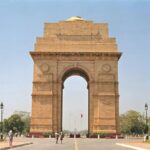
At India Gate, you get more than a photo moment. The names of 13,300 Indian Army servicemen carved into the walls are a heavy but important detail. It’s also one of those stops that can feel short—about 30 minutes is enough if you move calmly and read what you can.
Rashtrapati Bhavan: planned capital energy
You’ll also pass Rashtrapati Bhavan, the government house area tied to New Delhi’s planned architecture. It covers 330 acres and was constructed in 1929 by Sir Edwin Lutyens and Herbert Baker—two names you’ll hear again if you start paying attention to how New Delhi was shaped.
Jama Masjid and the push into Old Delhi
Then you reach Jama Masjid, a 17th-century mosque and another UNESCO World Heritage site. It’s described as one of the world’s largest mosques. This is a stop where scale matters. Even if you keep moving, you’ll feel it.
Red Fort: Mughal power made visible
You’ll also visit Red Fort, built between 1639 and 1648. It served as the main residence of the Mughal dynasty’s emperors, so it’s not just a wall-and-gates monument—it’s a “center of authority” feeling.
Pasar Chandni Chowk: markets as a sensory break
To end Day 1, you head to Chandni Chowk, a market area tied to a 17th-century layout. The time here is short, so think of it as an orientation to Old Delhi’s everyday life: colors, scents, and street energy.
Drive to Agra: leaving Delhi’s speed behind
Finally, your driver takes you from Delhi to Agra (about 3 hours). This matters because it protects your Day 2 focus. You’ll want to be rested for an early Taj Mahal start.
Day 2 in Agra: Sunrise Taj Mahal Plus Three Mughal Stops

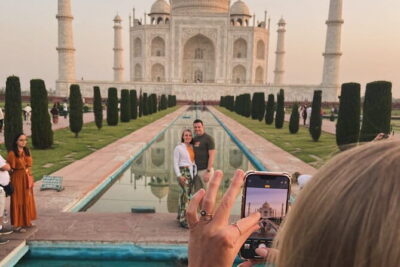
Day 2 is where the trip becomes cinematic. You start early for the Taj Mahal sunrise view, which is specifically designed to give you the light and the mood—when the mausoleum’s marble reads best.
Taj Mahal at sunrise: why early timing matters
You’ll spend about 3 hours at the Taj Mahal. It was built by Emperor Shah Jahan in 1630 for his wife, and the tour explains its tragic story. I love this kind of guided context because it stops the visit from being only visual. You’re not just looking at marble—you’re learning why that marble was worth the effort and sacrifice behind the legend.
This stop’s admission isn’t included, so plan around entry tickets.
Agra Fort: part fortress, part architecture lesson
Next is Agra Fort, also UNESCO World Heritage. It’s from the 17th century and described as a blend of Indian and Islamic art and architecture. The payoff here is the bigger “system” of Mughal design: how power was defended and displayed.
Itmad-ud-Daula: the marble milestone
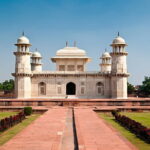
You’ll then see Itmad-ud-Daula, noted for being the first Mughal structure built completely from marble. It also uses pietra dura extensively, and it’s described as the first tomb built on the banks of the Yamuna in that era. This stop can feel like a palate cleanser after the monumental Taj. It’s detailed, intimate, and very “craft-focused.”
Fatehpur Sikri en route: a quick taste of a lost capital
On your way toward Jaipur, you’ll have time for Fatehpur Sikri, about 40 km west of Agra. It was a short-lived Mughal capital between 1572 and later years (the timeframe matters because it explains why parts feel unfinished or time-worn). You’ll only have about 30 minutes listed here, so it’s best if you treat it as a highlights reel: enough to recognize what it was and why it matters.
Admission isn’t listed as included.
Arrive Jaipur: hotel drop-off and breathing room
You’ll then drive to Jaipur (about 3 hours) and be dropped at your hotel. This is one of the smartest choices in the whole itinerary. Instead of trying to stack Jaipur palace hopping with an evening arrival, you get a clean transition.
Jaipur Day 3: Amer Fort, Jal Mahal, Hawa Mahal, City Palace, Jantar Mantar
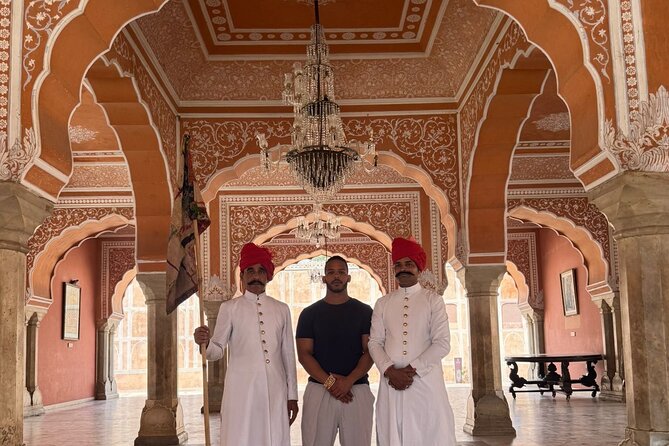
Jaipur is where the Golden Triangle turns from “empires” into “royal life.” This day blends big photo icons with forts and a science-meets-royalty site.
Amber Palace (Amer Fort): architecture you can feel
After breakfast, you’ll head to Amber Palace (Amer Fort). It’s described as having Hindu-style artistic architecture and it takes about 2 hours. This is the stop I’d call “the backbone” of your Jaipur memories. Forts are where Jaipur’s geometry and decoration become obvious. You’ll likely walk a fair bit, so wear shoes you can trust.
Admission isn’t included.
Jal Mahal: peace at Man Sagar Lake
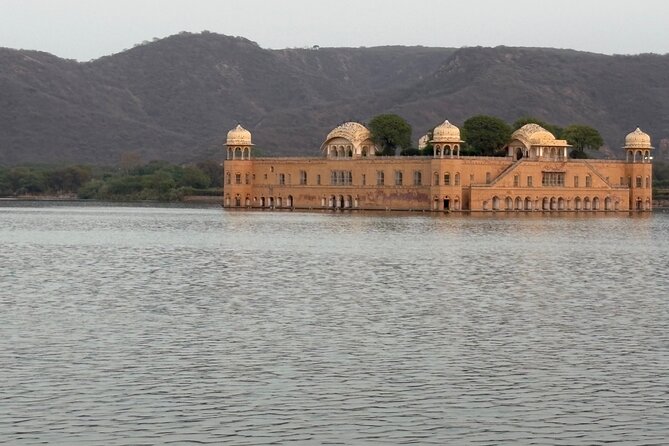
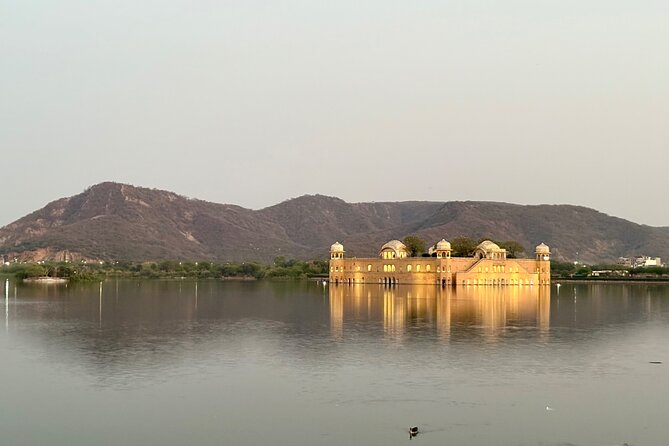
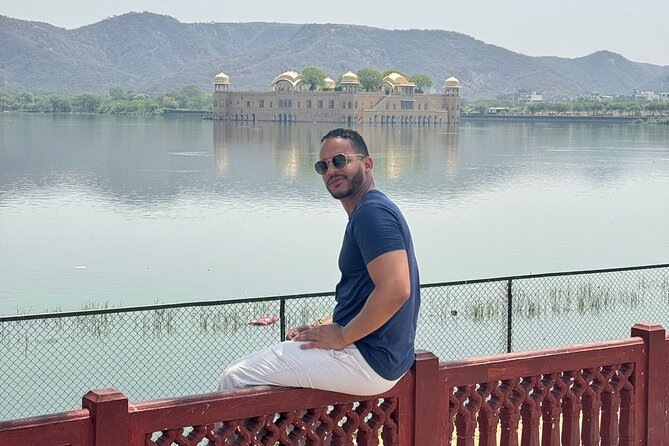
Next, you visit Jal Mahal, set in the middle of Man Sagar Lake. It’s described as Rajput-style architecture and a 17th-century beauty. This is short (about 30 minutes), but it’s a nice counterbalance to forts and palaces. You can slow your pace and soak in the setting.
Admission isn’t included.
Hawa Mahal: the 953-window signature
Then you hit Hawa Mahal (Palace of Wind). The headline detail here is the 953 windows, built for royal ladies. It’s listed as about 30 minutes. Even if you don’t go deep into the interior spaces, the exterior design is unmistakable.
Admission isn’t included.
City Palace: the royal residence side
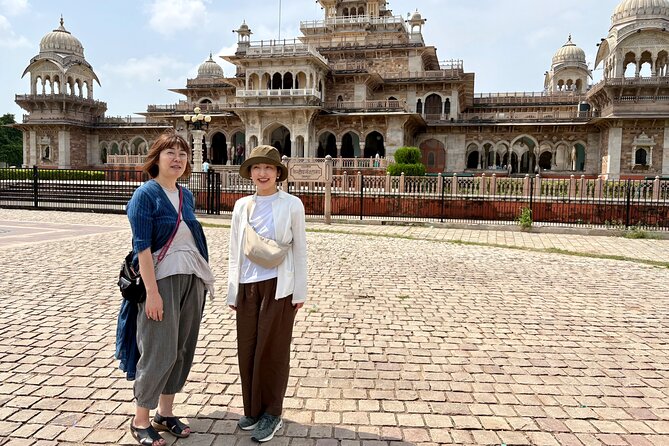
After that, you’ll see City Palace, about 1 hour. It’s a royal residence and former administrative headquarters of the Jaipur rulers. This stop gives you a more grounded sense of how these palaces weren’t just scenery; they were part of governance.
Admission isn’t included.
Jantar Mantar: astrology meets math
Finally, you visit Jantar Mantar, a collection of 19 astronomical instruments built by Sawai Jai Singh. It’s completed in 1734. This is one of those places where you’ll either love it instantly or need a minute to appreciate the logic. Either way, it’s a great way to end the trip because it reminds you that royal life included observation, planning, and measurement.
Admission isn’t included.
Back to Delhi (or Jaipur airport)
After sightseeing, you start the journey back to Delhi (about 4 hours). The tour also offers the option to drop you at Jaipur airport if you prefer.
What’s Included: The Stuff That Makes This Worth Your Time
When you compare options, the “included” list is where value lives.
Here’s what’s covered:
- Air-conditioned vehicle for transfers and sightseeing
- 2 nights accommodation in 3, 4, or 5-star hotels (based on your choice)
- Hotel or airport pickup and drop-off
- Breakfast (2)
- Bottled mineral water and soft drinks during journeys
Also, this is a private tour, meaning only your group participates. That’s not just comfort—it’s planning power. You can move slower at a monument you love, or speed up if you’re ready.
And since you’ll be using mobile tickets, it’s a simpler day-to-day management style than carrying paper everywhere.
One more point I like: the itinerary is described as flexible, allowing you to customize based on interests and preferences. If you hate shopping stops or want more time at a specific monument, a private setup is the easiest place to do it.
Price and Value: Why $202.24 Can Make Sense
At $202.24 per person for 3 days, you’re paying for the bundle: private transportation between cities, two nights in a selected hotel tier, and breakfast. In many places, that combination is exactly where costs pile up—especially when you factor in the hassle of arranging vehicles and hotels yourself.
That said, your final “true cost” will depend on two things:
- Entrance tickets, which aren’t included at many stops
- Tips and gratitudes, listed as not included
If you’re traveling as a solo or a couple and you hate coordinating logistics, this price can feel like a bargain. If you’re a budget traveler who enjoys public transport and self-guided wandering, you might find cheaper alternatives—but you’ll trade away convenience and time.
Who This Tour Suits Best (And Who Might Not Love It)
This tour is ideal if you want:
- A private driver who handles city-to-city movement
- Major monuments without the stress of constant ticket lines and navigation
- A plan that still leaves room for a little personalization
In the feedback patterns connected to this experience, drivers are often praised for staying calm and helpful. Mohit and Ram Sharma are named in stories for being reliable, professional, and for knowing good places to pause. Shakir is mentioned in a way that highlights safety for a solo female traveler. Dinesh is also noted for driving through busy areas smoothly, and Aki is mentioned as taking guests to off-the-beaten-path spots.
If you hate structured routes and want full freedom every hour, you might feel constrained by a 3-day framework. But if you want the Golden Triangle highlights with lower stress, you’ll probably appreciate how much is handled for you.
Quick Practical Tips Before You Go
- Wear shoes you can walk in for forts and palace areas. Day 3 is the most “step-heavy.”
- Budget for entrance tickets since they’re frequently listed as not included.
- If sunrise Taj Mahal matters to you, plan to be ready for an early start mindset on Day 2.
- Bring a small amount of cash for small purchases at market areas like Chandni Chowk, where things can be fast and cash-based.
Should You Book This Private Golden Triangle Tour?
I think you should book it if you want the Golden Triangle to feel organized, comfortable, and driver-led, with a strong shot at getting great Taj Mahal light and a smooth city-to-city flow. The combination of private air-conditioned transfers, hotel nights, and breakfast makes it less work and more sightseeing.
I’d think twice if you want everything fully budget-contained with no entrance-ticket add-ons, or if you only want to pick and choose your stops day-by-day with no set order. In that case, you may prefer a fully DIY route.
My take: if your goal is to see Delhi, Agra, and Jaipur without turning your vacation into a logistics project, this is a solid way to do it.