Golden Triangle feels fast, but it can be smooth. This private 3-day run strings together Delhi, Agra, and Jaipur with an AC car and an English-speaking driver so you spend less time figuring things out. I like that you get guided monument time in each city, and I also like how the route keeps the big sights on your schedule without turning it into a stress test. The one catch: the days are packed, so you’ll want comfortable shoes and a calm attitude about travel time between stops.
I’d book this if you want classic icons plus real local texture—Old Delhi markets one day, sunrise-level Agra the next, then Jaipur’s palace-and-fort day after that. Breakfast is included for two mornings, and you can usually add hotel nights depending on the option you pick. If you’re the type who wants long, slow museum days with no rush, you may find the pace tighter than you’d like.
In This Review
- Key highlights worth caring about
- Value and what you’re really paying for
- Private AC transport: the difference between work and sightseeing
- Day 1 in Delhi: Qutub Minar first, then modern icons to Old Delhi
- Qutub Minar (UNESCO area)
- Lotus Temple
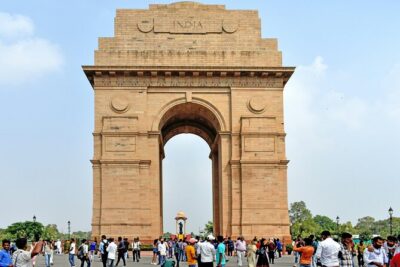
- India Gate, Parliament House, Rashtrapati Bhavan (quick hits)
- Agrasen Ki Baoli and Humayun’s Tomb
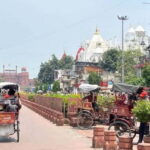
- Chandni Chowk and Jama Masjid (Old Delhi atmosphere)
- The key drawback to consider on Day 1
- Day 2 in Agra: sunrise Taj Mahal, then forts and the Baby Taj
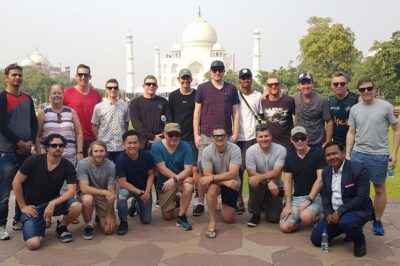
- Taj Mahal (UNESCO, early light)
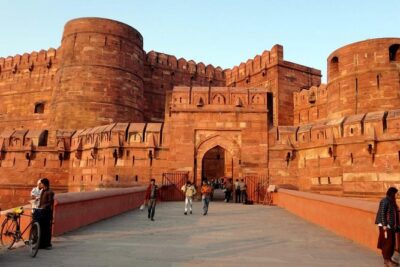
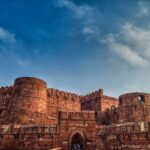
- Agra Fort (UNESCO)
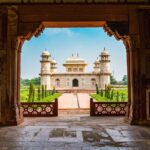
- Itmad-ud-Daula, aka Baby Taj
- Fatehpur Sikri (Akbar’s fortified city)
- Chand Baori stepwell
- Transfer time and your last step toward Jaipur
- Day 3 in Jaipur: Hawa Mahal, Jantar Mantar, City Palace, and Amer
- Hawa Mahal (Palace of Breeze)
- Jantar Mantar (UNESCO astronomical instruments)
- City Palace
- Royal Gaitor Tumbas
- Jal Mahal quick moment
- Amer (historic town outside Jaipur)
- Return to Delhi
- Timing, pacing, and how to avoid Golden Triangle fatigue
- Who this tour is best for
- Should you book this Private Golden Triangle 3-Day Tour?
- FAQ
- Is pickup included?
- What transportation is provided?
- Is this tour private?
- Are hotels included?
- Is breakfast included?
- Are meals like lunch and dinner included?
- Is admission to the Taj Mahal included?
- Which monument entries are marked free in the plan?
- What type of car do we get for a small group?
- Can I cancel for a full refund?
Key highlights worth caring about
- Private door-to-door pickup in Delhi/Noida/Gurugram to reduce first-day chaos
- Sangam-style driving: one standout driver experience was praised for personality and English skills
- Two breakfasts included (small cost saver, real comfort before sightseeing)
- Agra with an early Taj Mahal start for that first-light mood
- Mix of Mughal and Rajput sites across three UNESCO areas and major monuments
- Optional hotel add-on so you can travel without hunting for rooms mid-trip
Value and what you’re really paying for
At $134.20 per person for a 3-day private Golden Triangle, the value depends on one detail: which option you choose. Some monument entries are listed as not included (for example, Taj Mahal, Qutub Minar, Humayun’s Tomb, Red Fort, and a few others), while other sites are marked free in the plan. That means your final “all-in” cost can move a bit based on admissions and whether you add hotels.
What you do get for your money is the practical spine of the trip: a pickup service and a private AC vehicle with fuel, tolls, parking, and taxes covered. You also get an English-speaking driver plus local guide coverage for stops where entry and guiding are selected. In real terms, that reduces the biggest Golden Triangle headaches—lost time, confusing directions, and deciding what to cut.
If you want to keep the budget predictable, I suggest you plan for paid-entry sites on the days that list them as not included. Also note that meals aren’t included, even if the schedule includes time for lunch. Think of this tour as transport + guiding + timing, not a full board package.
You can also read our reviews of more private tours in New Delhi

Private AC transport: the difference between work and sightseeing
This is a private tour, so your group does the route at your pace. There’s no waiting for strangers to finish photos or argue about where to eat, which matters a lot when you’re bouncing between Delhi, Agra, and Jaipur.
Your car choice depends on group size:
- 1–3 passengers: Maruti Dzire / Toyota Etios Sedan
- 4–5 passengers: Maruti XL6 or Toyota Crysta SUV
- 6–10 passengers: Minivan or Tempo Traveler
That matters because comfort isn’t just about space. On long drives through traffic, a good ride setup keeps you from feeling wrecked before you even reach the next monument.
One more quality signal from the feedback: a driver named Sangam received strong praise for personality, friendliness, and English skills. That kind of driver can make the route easier to handle—especially when you’re moving between high-energy areas like Old Delhi and the more planned museum zones.
Day 1 in Delhi: Qutub Minar first, then modern icons to Old Delhi
Day 1 is your “orientation day,” built to cover Delhi’s most famous landmarks without leaving you stuck in logistics. Your representative meets you at the airport area and takes you straight into sightseeing, which is ideal if you land and want to start instantly.
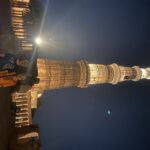
Qutub Minar (UNESCO area)
You start at Qutub Minar, a UNESCO World Heritage site built in 1193 by Qutub-ud-din Aibak. This is one of those places that turns photos into context fast, because the scale and the age of the structure are hard to fully grasp from a website. Admission is listed as not included here, so budget for the ticket.
Lotus Temple
Next comes the Lotus Temple, famous for its flower-like shape. It’s only a short visit, and admission is free in this plan. Even if you’re not a religious traveler, it’s a calm pause after the first major stop.
You can also read our reviews of more tours and experiences in New Delhi



India Gate, Parliament House, Rashtrapati Bhavan (quick hits)
After that, the tour moves through Delhi’s monumental civic sights:
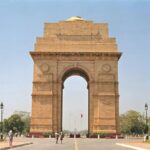
- India Gate as a war memorial near Rajpath
- Parliament House (Sansad Bhavan), circular and linked in design inspiration to the Ashoka Chakra
- Rashtrapati Bhavan, the President of India’s residence area and gardens
These are quick stops with mostly exterior viewing time. The value is that you get the layout of central Delhi without needing to plan a separate day.
Agrasen Ki Baoli and Humayun’s Tomb
Then you head toward two classic Mughal-era experiences:
- Agrasen Ki Baoli, a protected stepwell monument
- Humayun’s Tomb, the Mughal mausoleum commissioned in 1558
Humayun’s Tomb has admission listed as not included, so it’s another spot to expect paid entry.
Chandni Chowk and Jama Masjid (Old Delhi atmosphere)
The day finishes in Old Delhi with:
- Chandni Chowk, a busy shopping area known for spices, dried fruits, silver jewelry, and saris
- Jama Masjid, one of India’s largest mosques, commissioned in 1650 and completed in 1656
This is where you’ll feel the contrast with the earlier parts of the trip. The streets are narrow and active, so it helps to have a driver who can navigate and a guide who can help you move efficiently.
The key drawback to consider on Day 1
You’re stacking multiple zones in one day, and not all of them are on the same timeline. If your energy runs low early in a trip, Day 1 can feel like a lot. It’s the best day for structure, but it’s also the day where you’ll benefit most from comfortable shoes and a drink plan.
Day 2 in Agra: sunrise Taj Mahal, then forts and the Baby Taj
Agra is where the tour becomes more emotional. The schedule starts early with the Taj Mahal sunrise view, then shifts into guided monument time for the rest of the day. Admission for the Taj Mahal is listed as not included, so again: expect ticket costs.
Taj Mahal (UNESCO, early light)
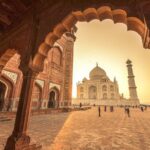
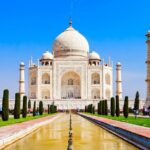
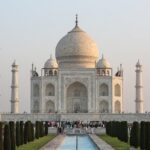
The Taj Mahal is a UNESCO World Heritage site and part of the New 7 Wonders of the World. Doing it at sunrise is practical because the light is soft and the air can feel calmer than later in the day. Plan time for the guided portion and inside viewing.
Agra Fort (UNESCO)
Next is Agra Fort, another UNESCO site and a major Mughal-era power base. You’ll get an hour here, and it’s a good follow-up to the Taj because it adds context: palaces aren’t just pretty buildings; they were also the center of authority.
Admission is listed as not included, so consider that as a planned expense.
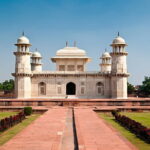
Itmad-ud-Daula, aka Baby Taj
Then comes Itmad-ud-Daula, often called the Baby Taj. The schedule marks admission as free, and the visit is short, about 30 minutes. This stop is useful when you want to slow down for details without committing a whole day.
Fatehpur Sikri (Akbar’s fortified city)
After Agra, you go to Fatehpur Sikri, a fortified city founded by Emperor Akbar in 1569. It’s listed with free admission and about an hour on the clock. This is a strong contrast stop because it feels different from both Agra and Jaipur: more like a whole city plan than a single monument.
Chand Baori stepwell
You also visit Chand Baori, a stepwell with over 3,500 steps described as built in the 8th–9th centuries. Admission is marked not included for this one. This stop can feel like a breather after the bigger Mughal sites because it rewards patience.
Transfer time and your last step toward Jaipur
Late in the day, you drive toward Jaipur and check into your hotel for an overnight stay. There’s also time mentioned for lunch before heading out on the expressway, but meals aren’t included overall—so treat that as a lunch you pay for.
Day 3 in Jaipur: Hawa Mahal, Jantar Mantar, City Palace, and Amer
Day 3 is the most visual day, with Jaipur’s signature colors and geometry. It starts with a landmark you’ll recognize instantly from photos, then moves through astronomical history and royal architecture, and ends with the Amer experience.
Hawa Mahal (Palace of Breeze)
Hawa Mahal is your first stop, built in 1799 by Sawai Pratap Singh and designed with a striking five-storey facade. Admission is listed as not included. The best reason to come early is that the angles are more forgiving for photos and you can enjoy the facade without rushing.
Jantar Mantar (UNESCO astronomical instruments)
Next is Jantar Mantar, UNESCO-listed, commissioned in 1734 by Sawai Jai Singh II. It’s a complex of 19 architectural instruments for astronomy. Admission is listed as not included and the visit is about 45 minutes. This is a good stop if you like science, even casually, because the site is part math, part spectacle.
City Palace
You then visit City Palace, built in 1721 as the administrative and ceremonial hub of Jaipur’s Maharaja. The schedule allows about two hours, with admission marked not included. This is one of the best places to connect the dots: how royal power, ceremony, and daily life fit into one compound.
Royal Gaitor Tumbas
The tour also includes Royal Gaitor Tumbas, the cremation site area for Maharajas, located about 15 km from Jaipur and near Nahagarh Fort. Time is short (around 30 minutes), and admission is not included. It’s an “off-center” history stop that adds depth beyond palaces.
Jal Mahal quick moment
Then you get Jal Mahal, a palace in Man Sagar Lake. Admission is listed as free and the stop is brief. It works well as a visual reset in the middle of a longer day.
Amer (historic town outside Jaipur)
Finally, you head to Amer, a historic town on the outskirts of Jaipur. Admission is marked free and the visit is about an hour. This is the right way to end the tour because it shifts from city-center buildings to a wider heritage setting.
Return to Delhi
After Jaipur sightseeing, you travel about five hours back to Delhi for drop-off or airport transfer. That’s a long ride, so keep your phone charged, bring a light layer, and plan for a calmer pace on the drive.
Timing, pacing, and how to avoid Golden Triangle fatigue
This tour is efficient, and efficiency can come with a cost: you’re doing a lot of big sights close together. If you’re sensitive to schedule pressure, choose your energy strategy early.
My practical advice:
- Start with comfortable shoes because you’ll walk through multiple monument areas across all three cities
- Carry water and plan for breaks even when the schedule is tight
- Treat paid-entry monuments as part of the math of value, not surprises
The silver lining is that the private driver and local guides mean you’re not wasting time figuring out what’s next. That’s the main difference between a “must-see list” and an actual trip.
Who this tour is best for
I think this fits best if you:
- Want first-time-friendly coverage across Delhi, Agra, and Jaipur without public-transport stress
- Prefer private timing over crowded group schedules
- Like a guided mix of major monuments plus everyday city texture (especially Old Delhi)
- Appreciate early starts when they unlock a better experience, like sunrise at the Taj
It may be less ideal if you want slow travel, lots of free wandering time, or you dislike packed days between cities.
Should you book this Private Golden Triangle 3-Day Tour?
Book it if you want a structured route with an AC chauffeur, English support from the driver, and guided monument time. At this price point, the value comes from transportation and organization more than from luxury add-ons.
I’d think twice only if admissions costs would strain your budget or if you know you get overwhelmed by tight schedules. If that’s you, you can still do it, but you’ll want to set expectations: this is a “see the big icons” tour, not a relaxed slow-study of each city.
If you’re ready for a classic Golden Triangle sprint with a private, comfortable ride and a plan that actually makes sense, this one is easy to recommend.
FAQ
Is pickup included?
Yes. Pickup is available from the airport, railway station, hotel, or any location in Delhi, Noida, and Gurugram.
What transportation is provided?
You get a private AC vehicle with an English-speaking driver. Fuel, toll, parking, and taxes are included.
Is this tour private?
Yes. It’s a private tour/activity, and only your group participates.
Are hotels included?
The package can include 2 nights of accommodation if you book the option that includes hotels. Otherwise, accommodation is not included.
Is breakfast included?
Yes. Breakfast is included for 2 mornings.
Are meals like lunch and dinner included?
No. Meals are listed as not included.
Is admission to the Taj Mahal included?
Admission is listed as not included for the Taj Mahal.
Which monument entries are marked free in the plan?
Some stops are marked free, including Lotus Temple, India Gate, Parliament House, Rashtrapati Bhavan, Chandni Chowk (time noted), Jama Masjid, Itmad-ud-Daula, Jal Mahal, and Amer (as listed). Other major sites are listed as not included.
What type of car do we get for a small group?
For 1–3 passengers, the car type is Maruti Dzire or Toyota Etios Sedan.
Can I cancel for a full refund?
Yes. You can cancel up to 24 hours in advance for a full refund. Within 24 hours, the amount paid is not refunded.