REVIEW · NEW DELHI
4-Days Golden Triangle Tour with Ranthambore Safari from Delhi
Book on Viator →Operated by Keeper Landwey · Bookable on Viator
Tigers and the Taj in four days. This tour strings together the classic Golden Triangle sights with a Ranthambore safari led with an English-speaking naturalist, all moved by a private air-conditioned vehicle. I especially like the tight pairing of monument guidance in Delhi/Agra/Jaipur with the wildlife focus at Ranthambore, so each day feels different instead of repeating the same routine.
One heads-up: monument entrance fees are not included (listed as $75 per person), and spotting a tiger depends a lot on luck since the safari is shared in canter/jeep. That said, if you go in expecting a well-run plan rather than a guaranteed tiger photo, the value here can be strong.
In This Review
- Key Things That Make This Tour Worth a Look
- Day 1 Delhi Starts Soft: Bangla Sahib, Then Old Delhi in a Tuk-Tuk
- Taj Mahal Sunrise and Agra Fort: Big Monuments, Tight Timing
- Ranthambore Safari Morning: Shared Jeep or Canter, Naturalist-Led
- Jaipur on Day 4: Fort Views, Lake Photos, and World-Heritage Observatories
- Price and Value: What You Get for $215 (and What You Still Pay)
- Logistics That Actually Matter: Pickup Windows, Shared Safaris, and ID
- Timing Adjustments: Ranthambore Closure Months and Alternate City Order
- Who This Tour Fits Best
- Should You Book This Tour?
- FAQ
- What’s included in the tour price?
- Are monument entrance fees included?
- Is lunch and dinner included?
- How does the Taj Mahal visit work?
- Is the Ranthambore safari private?
- What time are pickups in Delhi?
- Do I need photo ID for monument entry?
- Does the schedule change for Ranthambore closures?
Key Things That Make This Tour Worth a Look

- Golden Triangle + Ranthambore in 4 days: big highlights without a long trip loop
- English-speaking naturalist on safari: you’re not just riding around hoping
- Live guide for monuments: the stories and context are part of the ticket
- Private air-conditioned transfers: you move comfortably between cities
- Pickup flexibility in the Delhi region: start anytime between 7:00 AM and 11:00 AM
Day 1 Delhi Starts Soft: Bangla Sahib, Then Old Delhi in a Tuk-Tuk
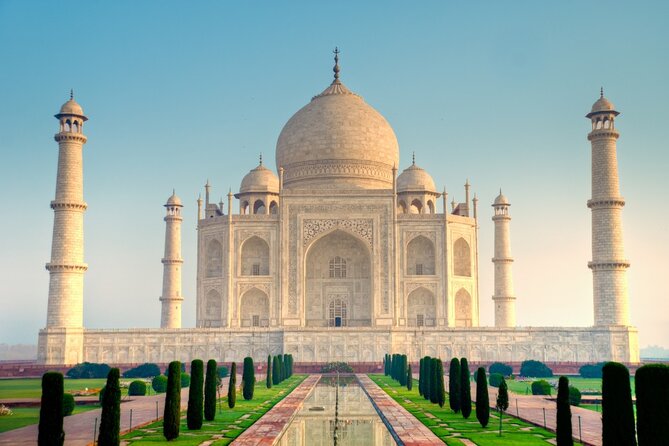
Day one is designed to get your bearings fast, then throw you into Old Delhi in a fun, low-stress way. You get pickup from Delhi, Noida, Gurugram, Faridabad, or Ghaziabad, with start times flexible between 7:00 AM and 11:00 AM—handy if you’re timing around jet lag or morning traffic.
First stop is Gurudwara Bangla Sahib, one of Delhi’s most peaceful Sikh temples. It’s known for its golden dome and the community kitchen, and it’s a nice contrast to what comes next. You’ll have about 45 minutes here, with entry listed as free.
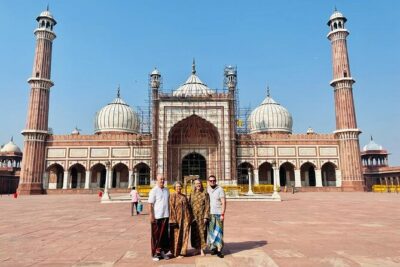
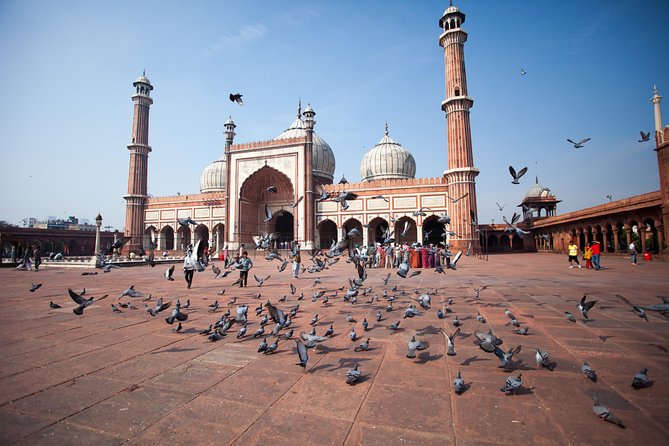
Then the tour shifts to Jama Masjid, built by Shah Jahan and considered India’s largest mosque. Expect grand scale, red sandstone tones, and Mughal-style minarets. This one is a “look up and take it in” stop, and the pace is steady—about an hour.
After that you hop on a traditional tuk-tuk for a short ride through Chandni Chowk. It’s chaos in the best sense: close lanes, lots of energy, and a quick way to feel Old Delhi without needing to navigate it solo. You’ll also walk through Khari Baoli, described as Asia’s biggest spice market, with around 30 minutes to soak up the colors and aromas (and yes, it will smell strong).
There are also two quick pass-by moments on the route: the Red Fort exterior and the 1921 Tomb of the Unknown Soldier, where names of 13,300 Indian army servicemen are carved. These are short, but they add depth beyond the postcard sites.
The later afternoon moves into official Delhi with Parliament House (about 45 minutes) and Rashtrapati Bhavan (listed at 3 hours). Connaught Place is next, and your guide will suggest food options there—Mughlai and also international choices—though meals are not included.
You end with Humayun’s Tomb, a UNESCO World Heritage Site and the first garden-tomb of India. It’s scheduled for about an hour, and it’s a good “cool down” before the long drive to Agra.
What I like about day one is the rhythm: calm worship space, big Mughal architecture, sensory Old Delhi, then wide-open monuments in New Delhi. The only drawback is that it’s packed. If you prefer slower sightseeing, plan to treat this day as “see a lot, then recover later” rather than a relaxed stroll.
You can also read our reviews of more tours and experiences in New Delhi



Taj Mahal Sunrise and Agra Fort: Big Monuments, Tight Timing
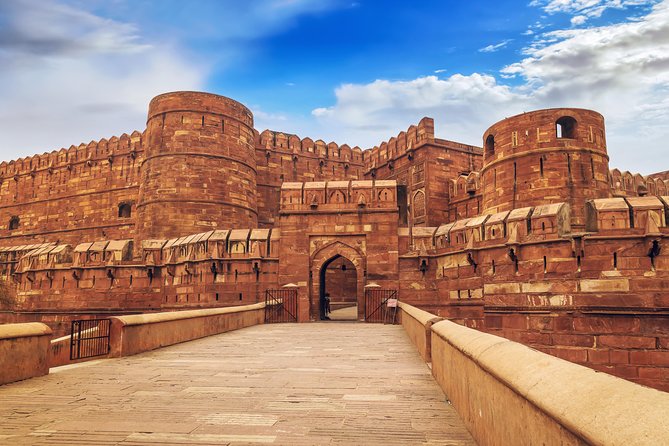
Day two starts with Taj Mahal sunrise. The schedule calls for about 2 hours at the Taj Mahal, with admission not included. Sunrise matters here because Taj visits can get crowded later, and early light makes the white marble look less flat and more dimensional. You’ll also get context through your guide, which is where this kind of visit goes from photo-op to understanding.
Next is Agra Fort (about 1 hour). It’s a UNESCO site and served as a main residence for Mughal emperors. The architecture blends Indian and Islamic elements, so even if you’re not a “fort person,” it still helps you understand how these cities worked.
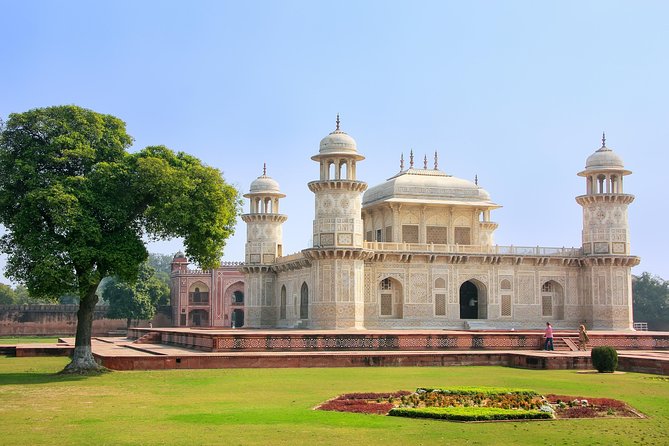
You then visit Itmad-ud-Daula, often called the Baby Taj. You’ll get around 45 minutes here, and the focus is on its white marble and the intricate pietra dura inlay work. Even without a long stay, it’s one of those stops that rewards attention.
After Agra, the pace changes again. You drive onward to Ranthambore, and the schedule notes about 5 hours of travel time. You check in at your hotel in Ranthambore and then head to bed early, since the safari is the main event tomorrow.
One practical point: Agra day can feel like a lot of “white marble and fort walls” in a row. If you want to keep it fresh, take a moment between stops for water, and don’t rush the details at Itmad-ud-Daula—those inlays are the kind of thing you’ll miss if you move too fast.
Ranthambore Safari Morning: Shared Jeep or Canter, Naturalist-Led
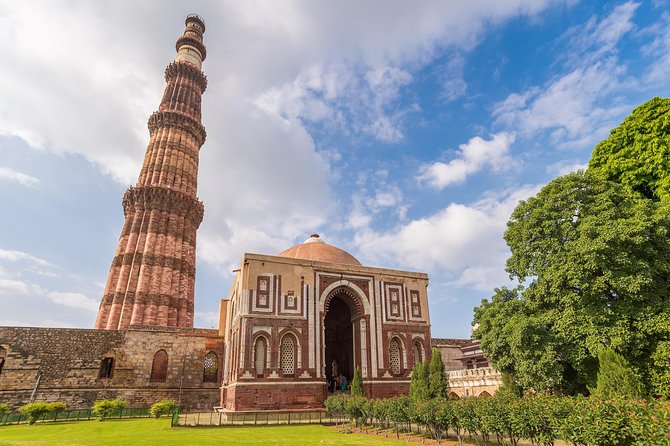
This is the day that makes the whole itinerary unique: a jungle safari in Ranthambore National Park. You’ll rise early, then go out in a shared jeep or canter, typically scheduled for about 2 to 3 hours in the park (and the itinerary lists about 3 hours for the safari block, with admission included).
A trained naturalist leads the safari, and the naturalist services are listed in English. That matters because it’s the difference between seeing shapes in the bush and knowing what you’re actually looking at—tracks, terrain, and animal behavior patterns. Also, the safari guide at Ranthambore is specifically noted as English speaking.
Here’s the honest consideration: tiger spotting depends on luck. Ranthambore can produce a sighting—or it can be quiet that day. The best move is to enjoy what you can control: follow the naturalist’s instructions, stay patient, and don’t treat the absence of a tiger as a failure of the trip.
After the safari, you return for breakfast, then check out and drive to Jaipur (about 4 hours). The itinerary gives you time to arrive, check in, and spend the rest of the day at leisure. That flexibility is helpful. Jaipur often feels like a city you want to “wander with intention,” not rush.
From the review notes, I’ve seen how much strong guiding can change your experience at these sites. Guides named Sadiq, Ali, and others were praised for clear explanations and for making the timing feel organized—especially for early Taj Mahal departures. On safari, the same idea applies: you want calm guidance, not chaos.
Jaipur on Day 4: Fort Views, Lake Photos, and World-Heritage Observatories
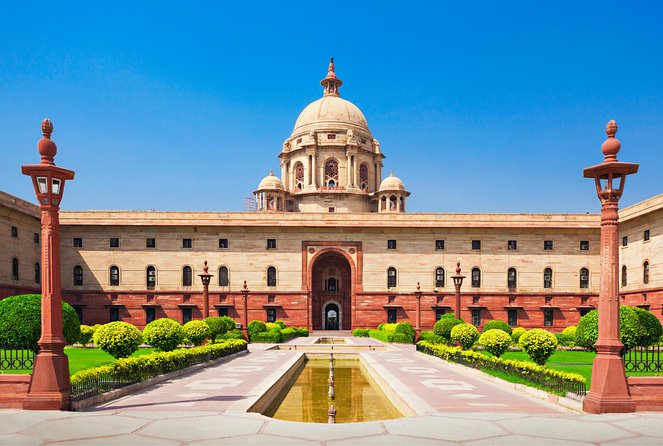
Day four is Jaipur’s highlight list, and it’s built for first-timers who want the famous stuff without wasting time. After breakfast, you start with Jaigarh Fort, scheduled for about 2 hours. It was built in 1726 by Maharaja Jai Singh II to protect Amber Fort below, and it’s known for the world’s largest wheeled cannon. Even if you only catch the cannon area briefly, the hilltop setting is the payoff.
Then you go down to Jal Mahal. This is a quick stop (around 15 minutes), and the palace isn’t open to visitors—so your goal is photos and views from the right angles. If you’re traveling in bright sun, bring shades and a camera strap; this stop is short, but the view is worth making quick work of.
Next is City Palace of Jaipur (about 1 hour). It was the royal residence, built in 1721, and the complex mixes Rajput and Mughal architecture. You’ll see courtyards, museums, and ceremonial halls—again, not just a single landmark but a small world of rooms and styles.
You then head to Jantar Mantar (about 1 hour). It’s UNESCO-listed and one of the best-preserved observatories from the 18th century, with 19 astronomical instruments. If you like science tucked into old structures, this is one of the more memorable stops because it’s still functional in how it’s meant to measure time and motion.
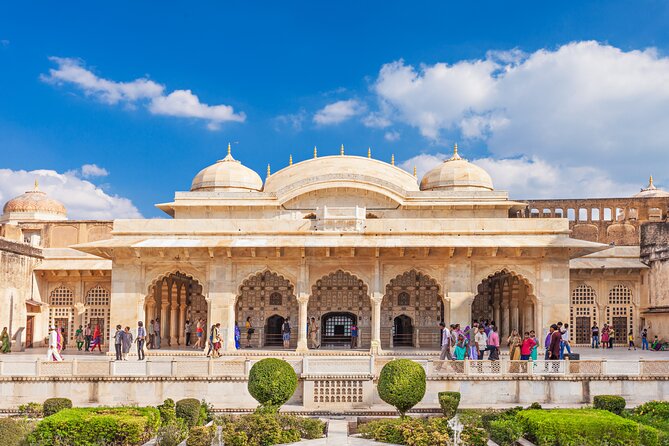
Hawa Mahal—Palace of Wind—comes next (about 30 minutes). Built in 1799, it’s that iconic red-and-pink façade with multiple small windows, designed so royal women could observe street life unseen. It’s visually striking, but the visit is short. Make your photos quick and then move on; otherwise, the lines and crowds can make it feel more like a hallway than a palace.
Lunch is not included, but you’ll pause at a local restaurant with recommendations from your guide. This is one of the better times to choose based on your hunger level. If you’ve been eating slowly all trip, you can ask for something lighter; if you’ve been snack-chasing, go for a proper Rajasthani plate.
The day ends with a drive back to Delhi (about 5 hours), with return around 9 PM noted in the details. That’s a late finish, so pack smart. Keep your ID easily accessible for monument entry, and keep water and snacks within reach.
Price and Value: What You Get for $215 (and What You Still Pay)
This tour is listed at $215 per person, for about 4 days with 3 nights of accommodation depending on the hotel option you choose (3-star, 4-star, or 5-star). Breakfast is included three times, and you also get private air-conditioned car transfers for all sightseeing.
On top of transport, you get two big “experience” inclusions:
- A private live tour guide at monuments in Delhi/Agra/Jaipur
- An English-speaking naturalist for the Ranthambore safari
That’s a strong value mix for people who don’t want to fight with logistics or “figure it out” at every stop.
What costs extra: monument entrance fees. The listing states $75 per person for monument entrance fees not included. If you’re counting totals, add this right away so there are no surprises. Lunch and dinner are also not included.
Safari is included as a shared canter option (or shared jeep), not a private wildlife vehicle. That’s common, and it’s how you keep the safari affordable. Just remember it also means your view depends on where your vehicle parks and how the animals move that day.
For me, the value comes down to two questions:
1) Do you want guides who explain what you’re seeing?
2) Do you want the cities handled for you with smooth transfers?
If yes, $215 plus the listed entrance fees can feel fair for a fast-hit Golden Triangle trip with a real tiger safari component.





Logistics That Actually Matter: Pickup Windows, Shared Safaris, and ID
A few details can make or break a short trip like this.
Pickup: You can start between 7:00 AM and 11:00 AM from the Delhi region. If you’re arriving by flight, make sure you share your flight details in time for airport pickup (if that’s part of your plan).
Tight days: Delhi and Agra both involve multiple major stops. Don’t treat every stop like it’s optional. If you miss one, the day behind it gets harder.
Safari expectations: Ranthambore safari depends on luck. The listing is clear about that, and it’s realistic. You’ll be guided, but you can’t control wildlife.
Photo ID: You’re asked to carry all travelers’ valid photo ID, including in your mobile, for monument entry. That’s one of those boring items that prevents the annoying kind of day—double-check it before you go.
Group size and car type: Vehicle size changes by group number. Smaller groups use a four-seater sedan; larger groups may use a six-seater wagon or nine/12-seater van. If you hate cramped seating, ask what your group size is before departure.
Timing Adjustments: Ranthambore Closure Months and Alternate City Order
Ranthambore National Park has seasonal closures. The park closes every Tuesday from 1st July to 30th September due to monsoon, and the itinerary can be adjusted if your booking falls in that window. The details note that only zones 6 to 10 remain open during that period.
There’s also a scheduling note if your tour begins on Thursday: the second day will be spent in Jaipur, the third day in Ranthambore, and the fourth day in Agra. That swap helps avoid conflict with certain operating patterns.
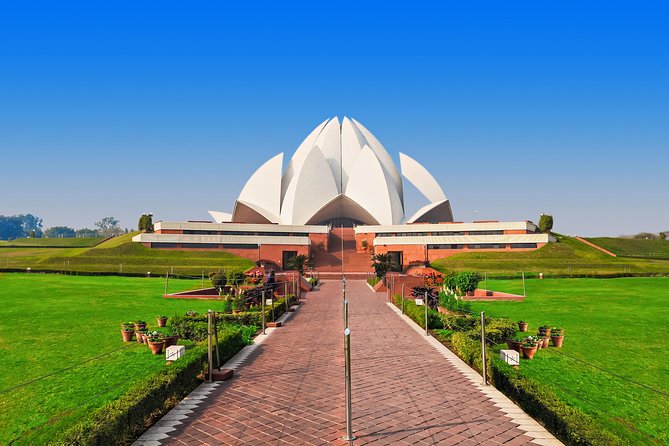
Delhi has one specific closure note too: the Lotus Temple remains closed every Monday. It’s not listed as a stop here, but it’s a helpful heads-up if you’re trying to add extra sights on your own.
Who This Tour Fits Best
This tour fits you if:
- You want the Golden Triangle highlights plus Ranthambore without adding extra travel days
- You like structured guiding at major monuments (and want less guesswork)
- You’re okay with a shared safari vehicle and the tiger sighting being unpredictable
It might not fit you if:
- You want long, unhurried time in each city (this itinerary is designed for coverage)
- You’re the type who needs guaranteed wildlife sightings (no safari can promise that)
In the review notes, strong praise often centers on guides’ ability to explain history and keep the experience organized. Names like Rajesh Singh and Parminder Singh come up with great feedback about keeping families happy despite the hustle, and guides such as Faizal, Azhar U., Sadiq, Ali, and Eli are repeatedly described as engaging and professional with good stories at Taj Mahal and related sites. That kind of guiding is exactly what makes a “checklist trip” feel meaningful.
Should You Book This Tour?
I’d book it if you want a solid, efficient 4-day itinerary that handles transport, guiding, and the safari naturalist for you. The mix of Delhi-Agra-Jaipur monuments with a Ranthambore tiger safari is a good way to see India in two different moods: human history and wild country.
I’d hesitate if entrance fees would sting your budget, since the listing puts monument fees at $75 per person on top of the $215 price. Also, if you’re only excited about one outcome—like a tiger sighting—you’ll need to manage expectations.
If you’re flexible, the payoff is strong: sunrise Taj Mahal timing, major UNESCO stops in Agra and Jaipur, and a real chance to experience Ranthambore with expert help.
FAQ
What’s included in the tour price?
The tour includes private air-conditioned car transfers for sightseeing, 3 nights of accommodation (hotel quality depends on the selected option), tiger safari at Ranthambore in shared canter, private live tour guide in monuments, English-speaking naturalist services during safaris, pickup and drop-off from the Delhi region, parking/tolls/fuel/taxes, and breakfast (3).
Are monument entrance fees included?
No. Monument entrance fees are not included and are listed as $75.00 per person.
Is lunch and dinner included?
No. Lunch and dinner are not included.
How does the Taj Mahal visit work?
You start early with a sunrise visit to the Taj Mahal. The scheduled time is about 2 hours, and the admission ticket is not included.
Is the Ranthambore safari private?
No. It’s a shared safari in a canter (or shared jeep as described), with a trained English-speaking naturalist.
What time are pickups in Delhi?
Pick-up options are flexible between 7:00 AM and 11:00 AM. Pickup is available from Delhi, Noida, Gurugram, Faridabad, or Ghaziabad.
Do I need photo ID for monument entry?
Yes. You’re asked to carry each traveler’s valid photo ID in your mobile for monument entry.
Does the schedule change for Ranthambore closures?
Yes. Ranthambore National Park closes every Tuesday from 1st July to 30th September due to monsoon, with itinerary adjustments as needed. Only zones 6 to 10 remain open during that period.