REVIEW · NEW DELHI
7 Day Golden Triangle Private Heritage and Varanasi Tour
Book on Viator →Operated by Perfect India Trip · Bookable on Viator
Golden Triangle and Varanasi in one trip can feel intense, but it’s a smart way to see a lot without doing nonstop planning. I like the private guide format and the way the route links big-ticket monuments with smaller, human-scale stops. I also like that you get 4-star hotels plus overnight train travel, which saves a bunch of daytime hours. The main thing to watch is extra spend: entry tickets and boat rides in Varanasi cost extra, and some days (especially mornings) start early.
This tour’s interest factor is the mix. You go from Delhi’s Mughal-era monuments into Jaipur’s royal geometry, then straight to Agra for the Taj Mahal, and finally into Varanasi for dawn Ganges moments and evening Ganga Aarti. You’re not just collecting photos, you’re moving through different eras and religious rhythms with guided interpretation and built-in time for the major sights.
One more consideration: the pace is busy and you’ll be on the move between cities. That’s the trade-off for fitting Delhi, Jaipur, Agra, and Varanasi into 7 days, with hotel breakfasts included and guided tours most days.
In This Review
- Key highlights
- Price and logistics: what $76 covers in real terms
- Delhi Old City start: Raj Ghat, Red Fort, Jama Masjid, Qutub Minar
- Raj Ghat
- Red Fort (Lal Qila)
- Jama Masjid
- Qutub Minar
- Jaipur arrival and Jal Mahal: a calmer first hit
- Jaipur’s royal day: Hawa Mahal, City Palace, Jantar Mantar, and museum culture
- Hawa Mahal (Palace of Wind)
- City Palace of Jaipur
- Jantar Mantar
- Albert Hall Museum
- Birla Mandir
- Monkey Temple (Galta)
- Agra: the Taj Mahal day plus the surrounding Mughal complex
- Taj Mahal
- Itmad-ud-Daula (Baby Taj)
- Agra Fort
- Mehtab Bagh
- Varanasi: Sarnath, sunrise on the Ganges, and Ganga Aarti at sunset
- Travel into Varanasi and check-in rhythm
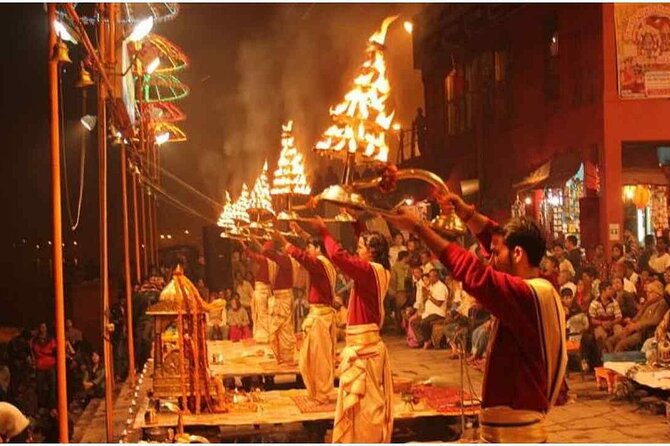
- Ganga Aarti sunset cruise
- Early morning boat cruise on the Ganges
- Dasaswamedh Ghat
- Bharat Kala Bhavan museum
- Overnight train back to Delhi and the final Delhi monuments
- Humayun’s Tomb
- India Gate
- Lotus Temple
- Your guide makes the difference: what to look for
- Who this tour is best for (and who should skip it)
- Should you book this private heritage and Varanasi tour?
- FAQ
- What cities are covered on the 7-day tour?
- Is pickup included in the tour?
- Is the tour private?
- Are hotel stays included?
- Are monument entry tickets included?
- What is the cancellation policy?
Key highlights
- Private heritage guide for the sights on your schedule
- 4-star hotels with breakfast included (6 days)
- Overnight trains to cut down extra hotel transfers
- Delhi Mughal core: Red Fort, Jama Masjid, Qutub Minar, plus Humayun’s Tomb later
- Varanasi at dawn and sunset: Ganges cruise + Ganga Aarti
- Good value logistics: pickup and drop-off around Delhi, parking/tolls/fuel/taxes covered
Price and logistics: what $76 covers in real terms
At $76 per person, this tour is priced like a practical “route bundle” rather than a luxury add-on. The big value is that you’re not paying separately for the driving, guide time, and the behind-the-scenes logistics that usually slow you down.
What you do get in the package:
- Pickup and drop-off anywhere in Delhi
- A private tour guide working to the itinerary
- All parking, tolls, fuel, and taxes
- Complimentary water bottle
- Breakfast included for six nights (so you’re not hunting for daily meals before sightseeing)
- A mobile ticket
- It’s a private tour for your group only
What can add cost:
- The tour notes that entry tickets and boat rides in Varanasi cost extra. Even if many other stops list admission as included, you should still budget extra money for Varanasi-related spending.
- Gratuities are optional (so keep some cash aside for the guide if you feel it’s deserved).
If you’re the kind of traveler who likes clear structure, transportation handled, and a guide to help you make sense of what you’re seeing, this price can feel like a deal. If you prefer total freedom to wander on your own schedule, you may find the day-by-day rhythm a little tight.
You can also read our reviews of more private tours in New Delhi


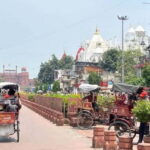
Delhi Old City start: Raj Ghat, Red Fort, Jama Masjid, Qutub Minar
Your Delhi begins with convenience: pickup from your hotel or the airport, then onward to your reserved overnight stay. From there, the focus is the Mughal corridor of Old Delhi and the nearby monumental landmarks.
Raj Ghat
Raj Ghat is the first listed stop. The itinerary doesn’t spell out details beyond timing, but it signals a thoughtful start to the Old Delhi area. Give yourself a little mental space here—Delhi’s other monuments later are louder and more crowded, and this is more of a reflective opening note.
Red Fort (Lal Qila)
Red Fort is a main Mughal residence site tied to Emperor Shah Jahan. The tour time is short, but it’s enough to orient you and appreciate the scale. If you want to feel what this place represents, try to view it as an imperial headquarters, not just a fortress. The architectural drama is the point: thick walls, big geometry, and a sense of power.
Jama Masjid
Jama Masjid is one of the largest mosques in India, and the guide-led walkthrough matters here. The structure is huge, and without context it can turn into just another photo stop. With guidance, you’ll understand why it’s a landmark tied to Mughal urban life.
Practical note: this is a place where you’ll likely stand, walk, and enter areas with religious rules. Dress with respect and plan for crowd flow.
You can also read our reviews of more historical tours in New Delhi





Qutub Minar
Qutub Minar is listed as a 73-meter tower of victory, with five distinct storeys. It’s also tied to the period after Delhi’s last Hindu kingdom was defeated. This kind of historical layering is exactly why a guided day helps—otherwise you miss the “why this was built, when, and what it symbolized.”
Drawback to keep in mind: Delhi days can run hot or hazy depending on the season. The itinerary includes several major exterior-heavy stops, so you’ll want to drink water often and use sun protection.
Jaipur arrival and Jal Mahal: a calmer first hit
On day two, you drive from Delhi to Jaipur. The schedule is straightforward: breakfast, check out at 8:30 a.m., arrive around 2:00 p.m. That arrival timing is handy because it gives you daylight to get oriented before you start the full royal sightseeing days.
Jal Mahal comes next. It’s a palace in the Man Sagar Lake area, originally constructed in 1699 and later renovated. The value of this stop is mood. After Delhi’s stone monuments, Jal Mahal gives you water, light, and a softer visual break. Even if you only spend a short time here, it helps set Jaipur’s “royal but scenic” tone.
Jaipur’s royal day: Hawa Mahal, City Palace, Jantar Mantar, and museum culture
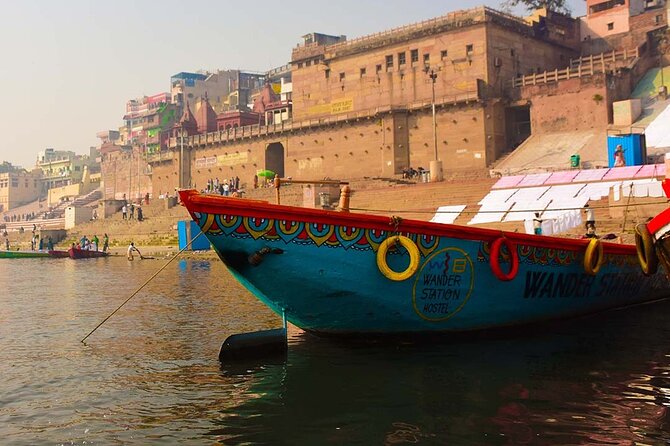
Jaipur day is the tour’s longest-feeling day on the books, so it’s built around variety: crown-shaped facade views, palace rooms, science instruments, and temple architecture, plus a museum stop.
Hawa Mahal (Palace of Wind)
Hawa Mahal is famous, and the tour positions it as a Palace of Wind. One reason it fascinates people is its design: it’s built in the form of Krishna’s crown. That detail is more than trivia—it changes how you look at the facade. Instead of seeing a pretty building, you start seeing symbolism and design intent.
City Palace of Jaipur
City Palace is where Jaipur starts to feel like a living system of courts and governance. The stop is about an hour, so you’ll want your guide to point out what matters most: layout, how authority was expressed, and how the palace works as a visual statement.
If you like “how things were run,” this is one of the most satisfying stops of the whole Golden Triangle track.
Jantar Mantar
Jantar Mantar is a collection of astronomical instruments built by Sawai Jai Singh II, completed in 1734. You get an hour here, which is short for science sites, but enough time with a guide to understand the basics and see how the instruments were used for measurement. This is one of the places where a good guide can turn a quick visit into a real learning moment.
Albert Hall Museum
Albert Hall Museum is included for about an hour. It’s also described as having origins as a concert hall, with architecture similar to London’s Victoria and Albert Museum. That’s useful context: you’re not just walking through rooms, you’re stepping into a building with colonial-era architectural links.
Birla Mandir
Birla Mandir (Lakshmi Narayan Temple) is made of white marble and built by the B.M. Birla Foundation in 1988. The tour time is brief, but it’s a nice contrast to the older palaces and fort-like structures. It gives you modern temple design in the middle of historical sites.
Monkey Temple (Galta)
Finally, Monkey Temple at Galta is on the schedule. The stop is around 30 minutes, and the pitch here is the setting: temples in a peaceful retreat with views toward the Aravalli Hills. Even with limited time, this is a good stop for a break from stone-and-ticket intensity.
Small consideration: Monkey Temple environments can mean more movement on uneven terrain. If you’re sensitive to stairs or want slower pacing, plan to move carefully.
Agra: the Taj Mahal day plus the surrounding Mughal complex
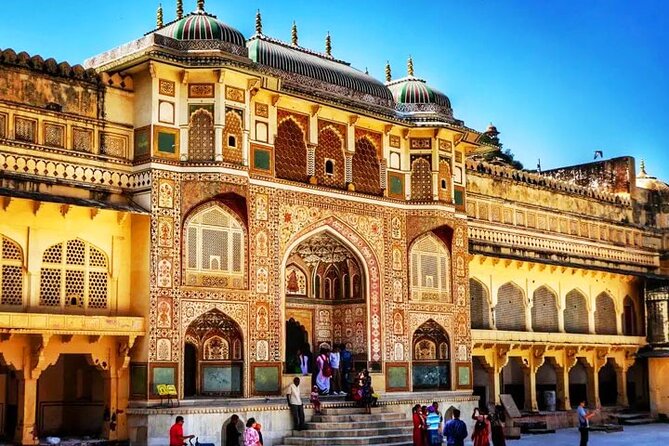
Agra day is where your eyes get the big reset. Breakfast is scheduled at 9:30 a.m., then the plan is a full sightseeing block.
Taj Mahal
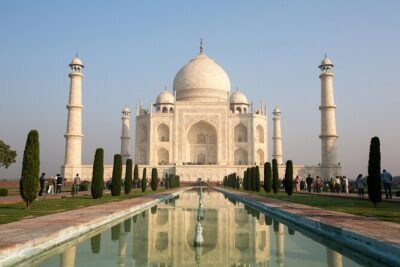
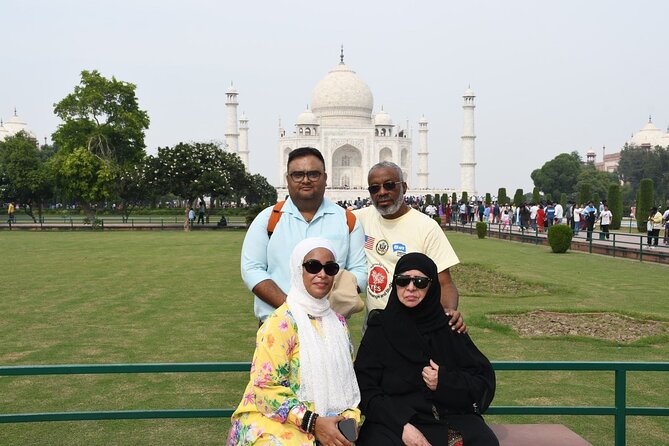
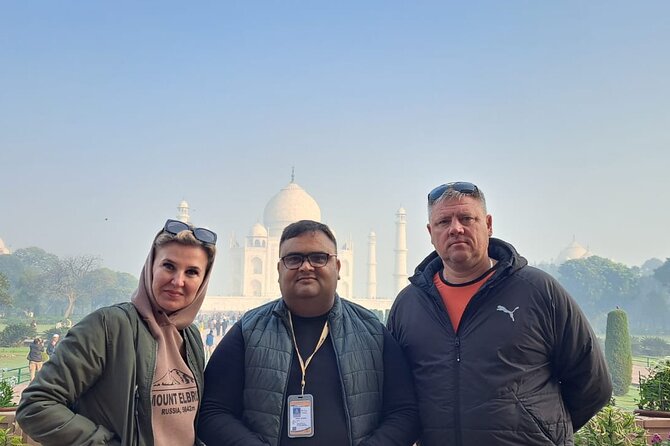
This is the headline. The tour lists it for about two hours and treats it as the most photographed monument in the world. Two hours is enough to see the Taj from different angles within the grounds and to let the guide explain the design logic behind the beauty.
I also suggest you time your visit thoughtfully based on the light. Even if the schedule feels fixed, you can still control how long you pause and where you stand.
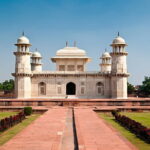
Itmad-ud-Daula (Baby Taj)
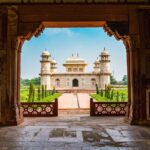
Itmad-ud-Daula is called the Tomb of I’timād-ud-Daulah and is often described as a jewel box, with the nickname Baby Taj. This stop is short (about 30 minutes), but it’s one of the better “skill builder” visits because it helps you notice Mughal craftsmanship details that can be harder to see when Taj Mahal is looming as the single focus.
Agra Fort
Agra Fort is included for about an hour. Built between 1565 and 1573 for Emperor Akbar and used as residence for rulers of the Sikarwar clan until Mughals occupied the area, it’s a reminder that Agra wasn’t just about one monument. This fort stop helps the Taj Mahal make more sense as part of a larger imperial setting.
Mehtab Bagh
Mehtab Bagh is a charbagh garden complex lying across from the Taj Mahal on the Yamuna River flood plains. The tour gives it around 30 minutes. Even with limited time, it adds a key perspective: the Taj Mahal as a symmetrical centerpiece viewed from a distance, not only up close.
The main drawback for Agra is simple: it’s a popular route. Expect crowds and plan for line time, even if many admissions are listed as included.
Varanasi: Sarnath, sunrise on the Ganges, and Ganga Aarti at sunset
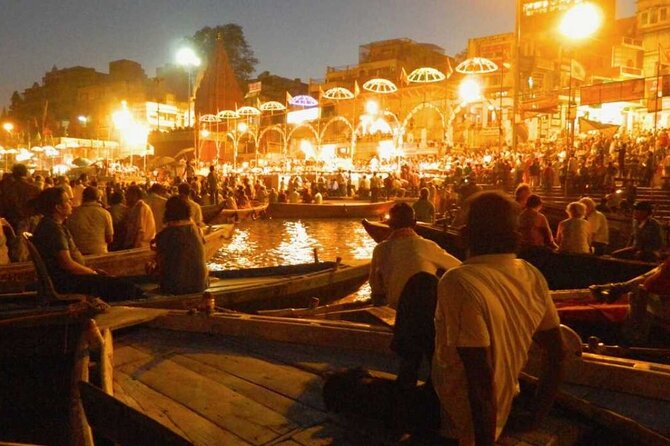
Varanasi is the reason many people book this whole tour. The schedule builds in two of the city’s emotional anchors: dawn river life and evening religious ceremony.
Travel into Varanasi and check-in rhythm
Day five includes a transfer from the Varanasi Railway station to the hotel. There’s time for checking in, then a guided stop at Sarnath. The structure here is practical: it reduces your stress after arriving, so you’re not wandering while jetlagged or tired.
Ganga Aarti sunset cruise
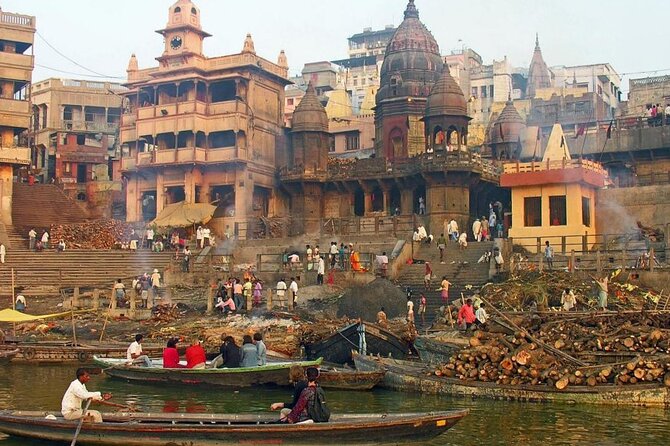
Day five includes a sunset cruise on the Ganges for Ganga Aarti views. This is one of the most memorable moments on the itinerary. Aarti is visual and rhythmic, and the boat vantage can make it feel like you’re watching the ceremony unfold on the river stage.
Important cost note: boat rides in Varanasi cost extra, and the tour also flags entry tickets as extra there. Build that into your budget so there are no surprise moments.
Early morning boat cruise on the Ganges
Day six starts with an early morning Ganges boat cruise. The tour explicitly points out dawn as the best time because pilgrims take their morning dip. Even if you’re not a “morning person,” dawn here pays off because you’re seeing the river before it turns into full-day activity.
This stop is listed at two hours, which gives you time to see both movement on the water and the rhythm of people at the ghats.
Dasaswamedh Ghat
Dasaswamedh Ghat is described as the most well-known of all the ghats. The tour time is about an hour. You’ll also get a sense of practice and performance—yoga poses, strong stretching, and the human side of how devotion gets expressed.
One consideration: ghats can be crowded and sometimes uneven for walking. Wear shoes you trust and hold your phone securely.
Bharat Kala Bhavan museum
After the ghat time, the schedule includes Bharat Kala Bhavan, an art and architecture museum with paintings, Hindu and Buddhist sculptures, and archaeological materials. This is a smart inclusion because it cools down the sensory overload. If Varanasi hits you hard emotionally, a museum hour gives you breathing space while still staying in the city’s culture.
Overnight train back to Delhi and the final Delhi monuments
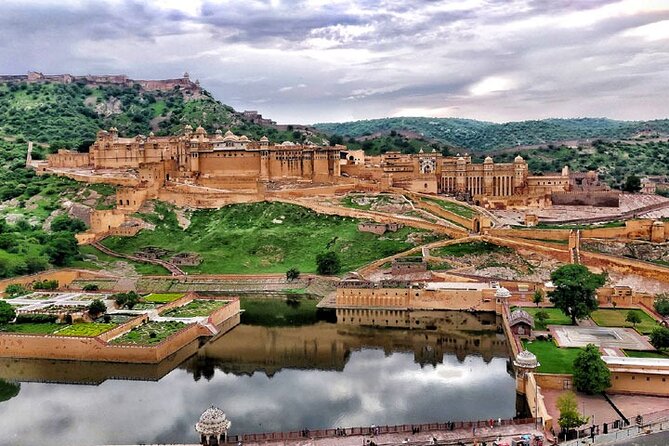
After Bharat Kala Bhavan, the plan is to head to Delhi by train and have an overnight stay, then continue sightseeing on day seven.
Humayun’s Tomb
Humayun’s Tomb is on the schedule in the morning, described as a splendid mausoleum built in memory of Emperor Humayun. This is a “frame within the frame” monument: you’ve already seen Mughal-era Delhi before, and now you return with a fuller understanding of the architectural lineage.
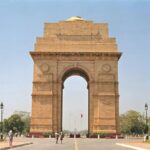
India Gate
India Gate is a war memorial for more than 70,000 soldiers who died in the First World War and the Third Anglo-Afghan War. This stop gives the trip a modern historical anchor, not just dynasties and monuments. Even if you don’t read every inscription, the scale hits you.
Lotus Temple
Finally, Lotus Temple is included. The tour describes it as lotus-structured, award-recognized for style and concept, and a standout for beauty. It’s also a good closing contrast to stone fortresses and Mughal courtyards. It’s calmer in feel and helps your brain switch from empire to contemporary spirituality.
After that, pickup from the station is part of the day seven plan, so you’re not left figuring out last-mile travel.
Your guide makes the difference: what to look for
This tour is private, so the guide’s approach can shape your entire day. The names that surfaced in the trip feedback include Mohammad Kadir and Irfan Ali, both described as friendly, cooperative, and attentive. The common theme: they were described as responsible and good at taking care of people—exactly what you want when days include multiple monuments plus early starts.
When you meet your guide, ask one simple question early:
- What’s the one thing you want me to notice at each stop?
If your guide answers clearly, you’re going to get more than surface photos. You’ll understand the “why” behind the facade, the placement, and the symbolism.
Who this tour is best for (and who should skip it)
This private heritage and Varanasi tour is a good fit if you:
- Want a structured route across Delhi, Jaipur, Agra, and Varanasi without building your own itinerary
- Prefer having a private guide and transport handled
- Like mixing architecture, temples, and daily rituals (instead of only doing museums)
- Can handle early mornings and a busy schedule
You might skip it if you:
- Hate early starts, especially for dawn river time
- Want lots of free wandering time with no time pressure
- Have a tight budget that doesn’t allow for extra Varanasi entry/boat costs
Should you book this private heritage and Varanasi tour?
I’d lean yes if you want a smart, guided circuit that hits the biggest Golden Triangle markers and then turns into Varanasi for the spiritual river side. The value isn’t just the low headline price. It’s the logistics: pickup/drop-off across Delhi, parking and taxes handled, private guide time, 4-star hotels, and breakfast for six mornings.
I’d lean no—or at least double-check your budget—if you know you’ll resent costs outside the package. The tour flags that Varanasi entry tickets and boat rides cost extra, and you should plan for that before you fall in love with a specific ceremony or boat option.
FAQ
What cities are covered on the 7-day tour?
It covers Delhi, Jaipur, Agra, and Varanasi. There’s a full day of sightseeing in each core city, plus travel time between them.
Is pickup included in the tour?
Yes. The tour includes pick-up and drop-off to anywhere in Delhi.
Is the tour private?
Yes. It’s a private tour/activity, and only your group will participate.
Are hotel stays included?
Yes. The tour includes six nights of accommodation with breakfast. It also uses overnight trains as part of the route.
Are monument entry tickets included?
Many entry tickets are shown as included on the schedule, but the tour information specifically notes that entry tickets and boat rides in Varanasi cost extra.
What is the cancellation policy?
You can cancel for a full refund up to 24 hours in advance. If the tour is canceled due to poor weather, you’ll be offered a different date or a full refund.