REVIEW · NEW DELHI
Old Delhi Heritage Walking Tour
Book on Viator →Operated by Old Delhi Heritage Walking Tours · Bookable on Viator
Old Delhi feels like a movie scene. I like the small-group pace and how the historian guide (often Jai Singh) ties sites to everyday life, not just dates. I also like the mix of serious landmarks and practical market time. One drawback: if you want heavy, textbook-style history at every corner, the stop-by-stop pace may feel too casual, and key costs like Jama Masjid entry can be extra.
You’ll walk through classic Old Delhi landmarks and market blocks, starting around Meena Bazaar and winding your way to Chandni Chowk and the spice world of Khari Baoli. You’re also not stuck with a rigid script—food choices are at your discretion and budget, and the guide can adjust to what you’re curious about.
The overall value is hard to beat at $13, especially because you get guiding plus a short bicycle rickshaw ride. Just plan for some add-ons: food, drinks, and the Jama Masjid entry fee unless you book the option that includes it.
In This Review
- Key highlights worth planning around
- Old Delhi on foot: what a 3–4 hour walk really means
- Jama Masjid: the iconic start and the entry-fee math
- The Naughara row of nine houses: heritage tied to making
- Chandni Chowk and Pasar: wedding-clothes shopping and snack pacing
- Khari Baoli spice market: smelling the wholesale trade
- The rickshaw and the walking mix: where the ride fits
- Why the guide is the real value (Jai Singh shines)
- Price and value: $13 plus the extras you should expect
- Where you start and where you end: easy to connect onward
- What to pack and how to make the day smoother
- Who this walking tour fits best
- Should you book this Old Delhi Heritage Walking Tour?
- FAQ
- How long is the Old Delhi Heritage Walking Tour?
- Where does the tour start and where does it end?
- How much does it cost?
- Is Jama Masjid entry fee included?
- What is included in the price?
- What is not included?
- Is there hotel pickup and drop-off?
- Do I need a high fitness level?
- Can I cancel for a refund?
Key highlights worth planning around
- Small group of up to 5 means questions actually get answered
- Historian-led storytelling with practical context for how Old Delhi works today
- Jama Masjid visit with clear guidance on the entry fee situation
- Chandni Chowk market time focused on wedding-clothes shopping and local snack stops
- Khari Baoli spice market walk through huge spice displays and wholesale smells
- Short bicycle rickshaw ride to break up the walking without losing momentum
Old Delhi on foot: what a 3–4 hour walk really means
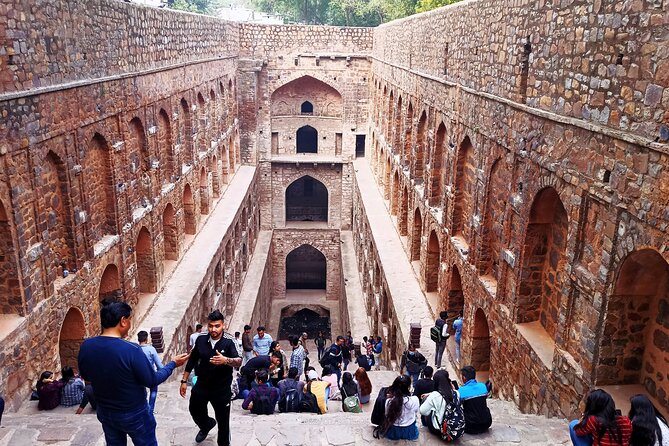
This tour is built for movement. Expect about 3 to 4 hours of walking through Old Delhi’s lanes and market streets, with a moderate fitness level needed. That does not mean it is a tough trek, but it does mean you should wear shoes that can handle uneven pavement and crowded walkways.
The small group size (maximum 5 people) is a big deal in Old Delhi. When streets get tight, a group of five feels manageable, and you can hear the guide without shouting. It also makes it easier for the guide to respond to interests in real time, which is one of the strongest themes in the feedback.
If you’re sensitive to crowds or prefer wide, quiet streets, you might find Old Delhi’s energy a lot. If you can handle bustle and want to see how people actually shop and eat, this format fits well.
You can also read our reviews of more walking tours in New Delhi



Jama Masjid: the iconic start and the entry-fee math
Jama Masjid is where the tour turns from street-watching into landmark time. The group walks roughly 20 minutes to reach the mosque area, then you go inside (with options depending on what you booked).
Here’s the practical part: the Jama Masjid entry fee is INR 450 per person. If you book the version that includes entry, the fee is covered; if you book a version without entry included, you’ll pay at the relevant point. Either way, plan for a cashless-friendly mindset but don’t assume the payment method is the same for everyone—bring what you can.
What I like about this stop is the way it sets context fast. The mosque is described as a 400-year-old monument built by Emperor Shahjahan. Even if your personal interest runs more toward markets than monuments, this visit gives you a clear sense of why Old Delhi is organized the way it is around major religious and commercial zones.
Potential drawback: because entry fee details can vary by option, it’s worth double-checking what your ticket includes before you arrive. Nothing ruins the mood like standing at a famous gate while doing last-minute math.
The Naughara row of nine houses: heritage tied to making

After Jama Masjid, the tour shifts into a quieter pocket of Old Delhi: Naughara, a row of nine heritage houses connected to Mughal-era craft. This is the kind of stop that makes the walking tour feel more than just a checklist.
The description you’ll get here centers on skilled work. These houses are linked to goldsmithing for Mughal emperors—specifically, artisans who crafted handmade jewelry. That small detail changes how you see the neighborhood. It’s not only a place where things are sold; it’s also a place where skilled making happened, right alongside the larger court-driven economy of the time.
A realistic note: this is still a walking tour, so the time at each stop is limited. If you love spending long stretches in museums, this won’t replace that. But if you like learning one tight story that reframes what you’re seeing, this stop works.
Chandni Chowk and Pasar: wedding-clothes shopping and snack pacing
Chandni Chowk is where Old Delhi swings fully into market life. You’ll spend about 1 hour in the Pasar Chandni Chowk area, walking through streets that are especially focused on wedding clothing and attire. This isn’t random browsing. The street energy is tied to a clear seasonal type of shopping, and you’ll see how specialty retail operates in tight lanes.
This part of the tour is also your food moment. Local snack sampling is described as an option at your discretion and budget, and the tour includes time to try local safe street food. You’ll also get guidance from your local guide on what makes sense to eat in that specific moment.
I like this approach because it helps you avoid the common mistake of overspending or ordering the wrong thing in a crowd. You can go with the flow, choose one or two items, and keep your energy for the next market sections.
Possible drawback: food is not included in the base price. You should expect to pay for what you eat and drink. If you hate making small decisions on the spot, set a mini food budget in advance so you don’t feel stressed mid-walk.
Khari Baoli spice market: smelling the wholesale trade
Next comes Khari Baoli, often referred to as Asia’s biggest spice market in the tour description. Expect about 40 minutes here, with a focus on walking among huge spice displays—big bags set out for wholesale buying by local families.
The sensory angle matters. Spices here aren’t background. They are part of the street’s rhythm: aroma in the air, weight of the product, and the feel of a working trade hub rather than a decorative market. Even if you don’t plan to buy, you’ll learn how the marketplace logic works.
For people who like cooking, this is the best part of the tour to slow down. For people who don’t, it still offers a strong sense of place. Spices are one of those things that travel well as a memory: you can bring some home, but you also get the story of how wholesale supply and household consumption connect.
Practical tip: carry a small bag with a secure way to close it. In spice market areas, you’ll see packaging and quantities that can surprise you—especially if you decide to buy at the last minute near the end.
You can also read our reviews of more historical tours in New Delhi



The rickshaw and the walking mix: where the ride fits
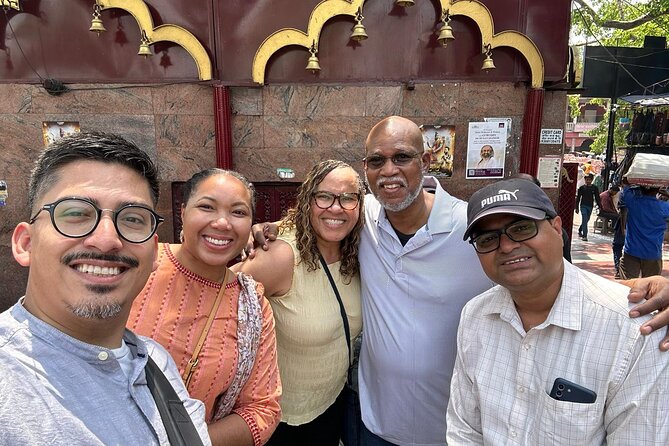
This tour includes a short bicycle rickshaw ride as part of the experience. That matters because Old Delhi’s streets can be slow and packed. A short ride is not about being flashy; it’s about keeping momentum and saving your legs so you enjoy the later market time.
There’s also mention of trying a tube or tuk-tuk on the way to Jama Masjid, plus an option for an extra short rickshaw ride at additional cost if you want it. So you may see a mix of low-tech and motorized transport based on the flow of the day.
If you don’t love getting jostled through crowds, this is a good compromise. You get a transport break without abandoning the walking that makes the neighborhood make sense.
Why the guide is the real value (Jai Singh shines)
The tour’s strongest praise centers on the guide experience. The name Jai Singh comes up repeatedly, with descriptions like friendly, very knowledgeable, good communicator, and attentive. The standout pattern is not just facts—it’s flexibility.
People mention that Jai would accommodate detours and adjust based on what the group found interesting, including niche questions. That ability is especially useful in Old Delhi, where street conditions and crowd flow can change minute to minute.
Safety also shows up in feedback. That might sound like a vague word, but it translates into practical behaviors: guiding you through tighter lanes, keeping your group together, and steering you away from confusing bottlenecks.
So if you’re choosing between a cheap walk that feels random and a guide-led one that feels like a conversation, this one leans hard toward the second option.
Price and value: $13 plus the extras you should expect
At $13 per person, this is priced like a budget win, especially since it includes:
- a walk led by an historian guide
- a short bicycle rickshaw ride
- Jama Masjid entry fee only if you choose the version that includes it
- optional hotel pickup and drop-off if you book that option
- a mobile ticket
But here’s the part to plan for: food and drinks are not included, and Jama Masjid entry fee may be on you depending on your selected ticket option. The tour is still excellent value because the base price covers the guiding and core structure of the day. The extras are mostly the same extras you’d face if you planned your own Old Delhi walk and decided to eat.
How I’d think about it:
- If your ticket includes Jama Masjid entry and you snack lightly, you’ll likely feel like you got a lot for your money.
- If you have to add entry fee and also spend on food at each stop, the cost goes up, but you’re paying for a focused route and local guidance instead of trial-and-error.
Bottom line: it’s a value-friendly tour as long as you treat the optional costs as part of your plan, not surprise bills.
Where you start and where you end: easy to connect onward
You start at Meena Bazaar / Meena Bazar, in the Old Delhi area near Jama Masjid and Chandni Chowk. The endpoint is in the Chandni Chowk area too, near Katra Bariyan / Fatehpuri, with the guide helping you reach the nearest Uber or Tube train station.
This matters because Old Delhi can be confusing if you’re trying to navigate by map alone after dark or after shopping. A clean end point with help for transport reduces that stress.
Also, because the route ends around a major spice hub, your last hour is sensory and practical. You don’t finish with a quiet back street. You finish where you can still move onward with options.
What to pack and how to make the day smoother
Nothing fancy here, but Old Delhi rewards preparedness.
Wear comfortable shoes. The tour is a walking tour with market surfaces and crowd movement, plus time spent inside and outside major stops.
Bring small cash for entry fees and street purchases if needed, especially since Jama Masjid entry depends on your option and the fee is listed in INR. Also bring water, or plan to buy it along the way, because drinks are not included.
If you’re planning to buy spices or other items, carry a light bag you can close tightly. You’ll be in wholesale-display territory, and it’s easy to end up with more than you intended once you see what’s available.
Who this walking tour fits best
This is a strong choice for:
- first-time visitors who want Old Delhi to feel navigable
- people who enjoy markets and street-level food choices
- anyone who values a guide that can answer questions and adapt on the fly
- travelers who like a short transport break (the bicycle rickshaw)
It’s less ideal if:
- you want long, museum-style explanations at every single stop
- you dislike crowds and narrow lanes
- you prefer all-in pricing with no decision-making around food or entry fees
If you fall in the middle—curious, flexible, and ready to walk—this tour is set up to deliver.
Should you book this Old Delhi Heritage Walking Tour?
I think you should book it if you want Old Delhi to make sense fast. The guide-led format, the small group size, and the mix of Jama Masjid, heritage houses tied to Mughal crafts, and market stops like Chandni Chowk and Khari Baoli are exactly the kind of combination that turns a day in the city into a clear story.
Just do two things before you go:
1) choose the ticket option that matches your entry-fee expectations for Jama Masjid
2) set a simple food budget since snacks and drinks are not included
If you want a guided walk that balances landmark awe with practical market time, this one is a solid bet.
FAQ
How long is the Old Delhi Heritage Walking Tour?
The tour runs about 3 to 4 hours.
Where does the tour start and where does it end?
It starts at Meena Bazaar in the Jama Masjid / Chandni Chowk area, and it ends in the Katra Bariyan / Fatehpuri area near Chandni Chowk.
How much does it cost?
The price is $13.00 per person.
Is Jama Masjid entry fee included?
It depends on the option you book. The Jama Masjid entry fee is listed as INR 450 per person, and it is included only if you book the option with entry fee included.
What is included in the price?
The included items are a walk led by an historian guide, a short bicycle rickshaw ride, and hotel pickup and drop-off only if you choose the option that includes it. Jama Masjid entry fee is included only if you book that specific option.
What is not included?
Food and drinks are not included. Jama Masjid entry fee is also not included unless you book the entry-included option.
Is there hotel pickup and drop-off?
Yes, there is an option to upgrade for hotel pickup and drop-off.
Do I need a high fitness level?
No high fitness level is required, but the tour does call for moderate physical fitness because it involves walking and time in market areas.
Can I cancel for a refund?
Yes. You can cancel for a full refund up to 24 hours before the experience start time. If you cancel within 24 hours of the start time, the amount paid is not refunded.