REVIEW · NEW DELHI
Old Delhi: Spices, Heritage and Bazaars Walking Tour
Book on GetYourGuide →Operated by Discover Activitis · Bookable on GetYourGuide
Old Delhi hits your senses fast. I love how this walk, led by Jai Singh, pairs big sights with street-level details: views from the Jama Masjid area, then straight into the spice-and-bazaar rhythm that defines Old Delhi. You’ll also get the story behind places like Meena Bazaar and Chandni Chowk, and you’ll leave knowing why people pay extra for certain spices back home.
One main thing to keep in mind: this is mostly on foot, with narrow lanes and short hops between stops. And if you want to enter the Jama Mosque, there’s an INR 450 ticket (optional), plus there’s no room for large bags.
In This Review
- Key highlights you should care about
- Jama Masjid to Khari Baoli: a compact Old Delhi route that actually makes sense
- Meeting point and logistics: how to start without stress
- Meena Bazaar lanes and the approach to Jama Masjid
- Jama Masjid: optional entry, clear views, and how to plan your ticket
- Chandni Chowk and the Mughal-era market story you can feel
- Khari Baoli spice trails: warehouses, aroma power, and what you’ll learn
- Goldsmith artisans and the craft side of Old Delhi
- Chai, snack moments, and photo opportunities (without turning it into a food tour)
- Price and value: is $13 a good deal in Delhi?
- Who should book this Old Delhi spices walking tour
- Should you book this Old Delhi spices walking tour?
- FAQ
- How long is the Old Delhi spices, heritage, and bazaars walking tour?
- What does the tour cost?
- Where do I meet the guide?
- Is the Jama Mosque visit included, or do I pay extra?
- What part of the tour includes spices?
- Is there a group size limit?
- Do I get hotel pickup?
- What can I bring on the walk?
- Is food included?
Key highlights you should care about
- Jama Masjid viewpoints with an optional inside visit (ticket applies)
- Khari Baoli Spice Market with real warehouse-style displays and strong aromas
- Meena Bazaar + Chandni Chowk shopping lanes tied to Mughal-era life
- Havelis and heritage house designs you can spot up close while walking
- Goldsmith artisan neighborhood with crafts living since the Mughal era
- Small group (up to 7) and an English guide who answers questions at your pace
Jama Masjid to Khari Baoli: a compact Old Delhi route that actually makes sense
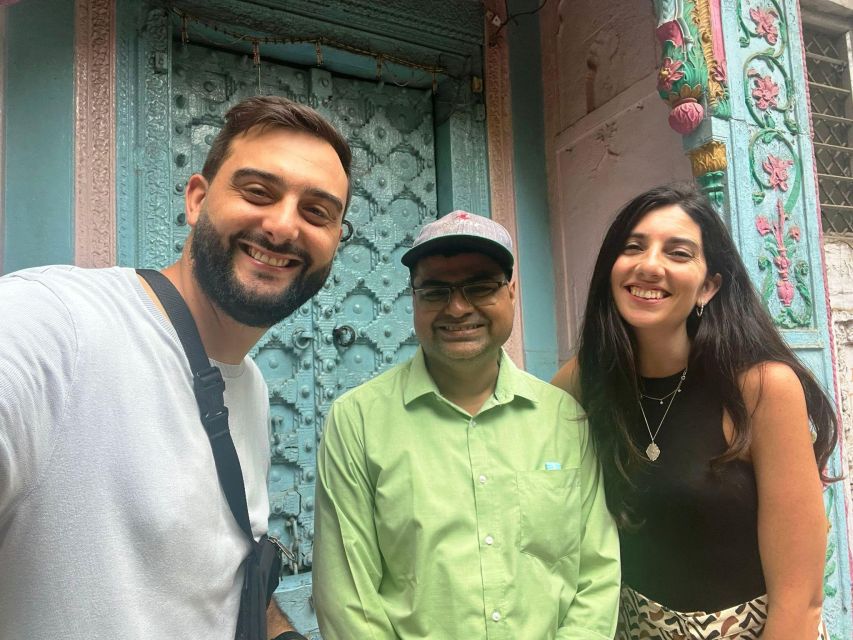
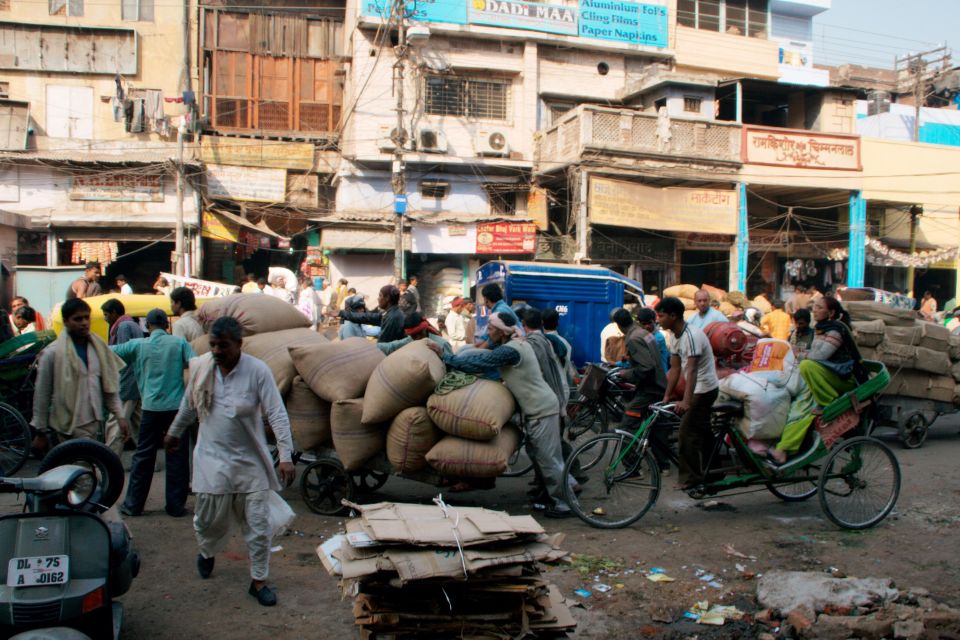
Old Delhi can feel chaotic fast—noise, smells, scooters, people, and sudden turns down lanes that don’t look like they go anywhere. That’s exactly why this tour works. You’re not just “walking around.” You’re following a guided line through the city’s most important zones: the Jama Masjid area, the Chandni Chowk spine, and then into Khari Baoli, where the spice trade is the main character.
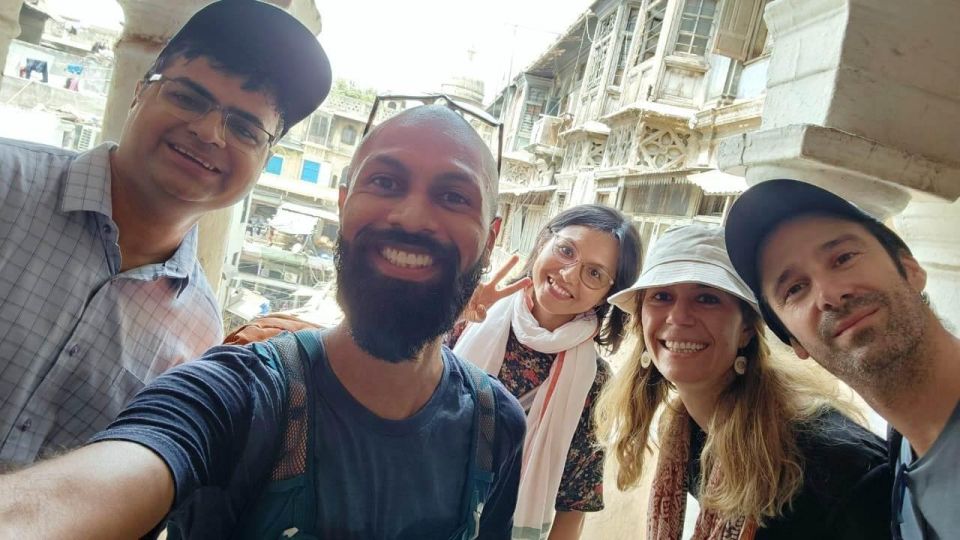
I like that the route is short enough to stay enjoyable. It’s also long enough to feel like a real slice of daily life, not a checklist. You get heritage houses (havelis), market quarters shaped by Mughal-era commerce, and craft traditions that survived the centuries. And because the group is capped at 7, the guide can slow down when someone wants to ask a question—or when you want photos.
You can also read our reviews of more walking tours in New Delhi


Meeting point and logistics: how to start without stress
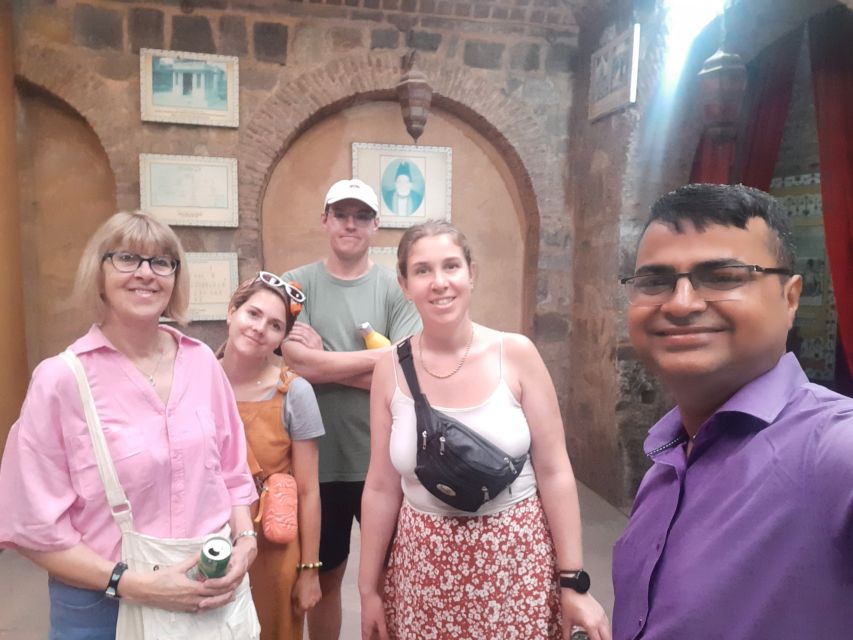
You’ll meet your guide at the Jama Masjid Metro Station, specifically exit gate No 1. If you’re coming by Uber, there’s a pin linked for the pickup spot. Keep that pin handy.
Before you go, do two practical things:
- Send your WhatsApp/cell number (or email) when booking so the guide can find you fast if you’re a few meters off.
- Skip bulky stuff. No luggage or large bags are allowed. Old Delhi lanes are tight, and this tour is built for moving light.
Pickup can be optional from centrally located hotels. If you’re staying near Connaught Place or other central areas, that can save time. If you’re not, metro is usually the simplest route because you’re meeting right at the Jama Masjid Metro Station.
Meena Bazaar lanes and the approach to Jama Masjid
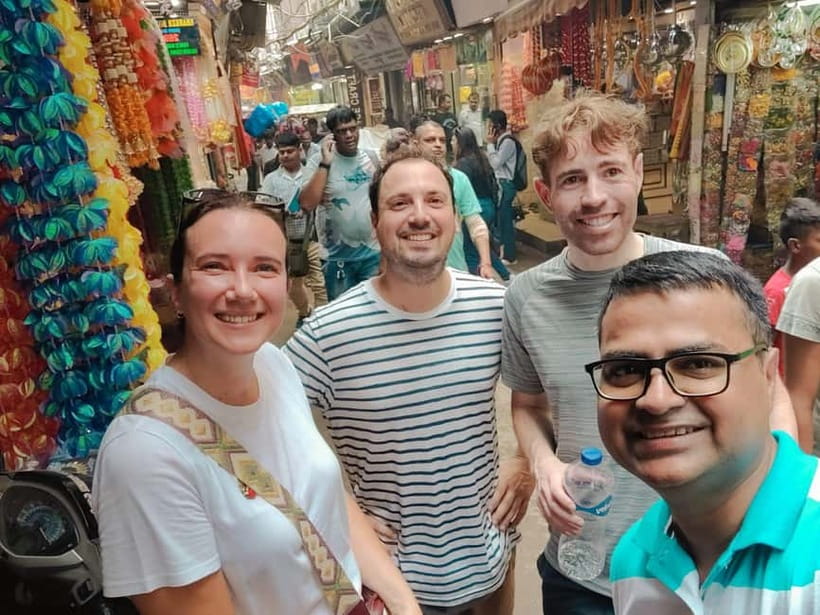
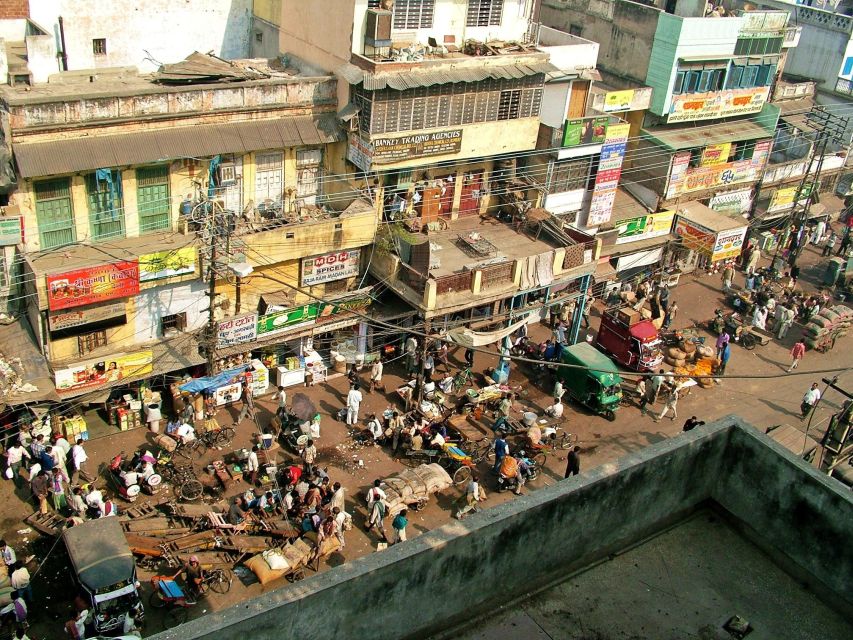
The walk begins in the historic Meena Bazaar area. In Mughal times, it was linked to wealthier trade—think gems and valuable goods—then shifted over the centuries into a more everyday market. Today, you’ll see vendors offering budget-friendly goods for common shoppers, which is part of the point: Old Delhi isn’t frozen in “heritage mode.” It’s a living economy.
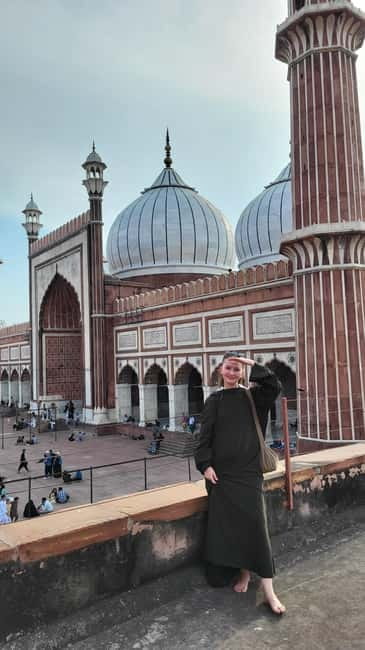
As you move toward Jama Masjid, the changes are visual and immediate. The streets open and narrow again. You start spotting traditional designs in the surrounding buildings—especially the havelis, recognizable for their heritage-style architecture. You’ll pass enough corners to feel the city’s maze-like structure, but you won’t be stranded in it.
This section is also where the guide’s role matters most. A good local guide helps you read what you’re seeing—why these lanes are where they are, how markets clustered over time, and what the religious landmark means to the neighborhood.
Jama Masjid: optional entry, clear views, and how to plan your ticket
Jama Masjid is the big draw, and the tour gives you a smart choice. Visiting the mosque is optional, not compulsory.
- If you enter: there’s an entrance fee of INR 450 per person.
- If you don’t: you can still get a strong photo stop from outside.
Either way, you’ll be in the right place to take in the scale of the mosque complex. It’s often described as one of India’s biggest mosques, built under Shah Jahan (the same emperor connected to the Taj Mahal). The guide explains this context, and that’s what helps the building land emotionally, not just visually.
A practical note: mosque areas can involve rules around clothing and behavior. If you’re planning entry, wear something easy to adjust and be ready for security-style steps. The tour also includes express security check, which helps you avoid long delays.
Chandni Chowk and the Mughal-era market story you can feel
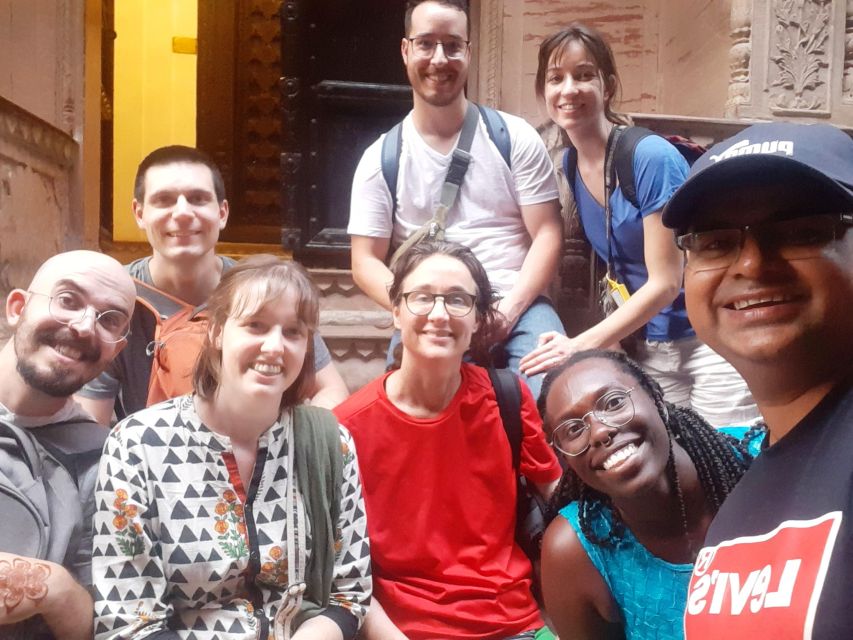
After Jama Masjid, the walk moves into the Chandni Chowk orbit—one of the most famous commercial corridors in Old Delhi. But the tour isn’t limited to one “main road.” The magic is how you move between lanes, turning what looks like random streets into an understandable system.
You’ll get a feel for why this area matters historically:
- Markets here reflect older patterns of trade and neighborhood specialization.
- Bazaars in Old Delhi often mix function with identity—shops tied to clothing, jewelry, and daily goods.
- You’ll see heritage architecture like havelis along the way, which makes the history feel real rather than abstract.
One of the most memorable aspects is the human scale. You’ll notice how commerce operates through close-up storefronts and workshop-adjacent shopping. Even if you don’t plan to buy anything, you’re learning how people earn a living here.
You can also read our reviews of more historical tours in New Delhi



Khari Baoli spice trails: warehouses, aroma power, and what you’ll learn
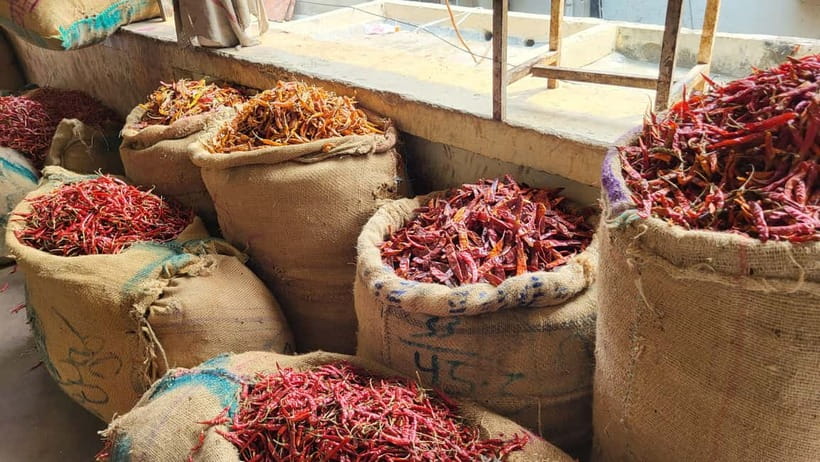
Now for the part your nose will remember. You head into Khari Baoli, where spice commerce is organized like a trading world—not like a neat tourist shop. The tour describes a big warehouse-style building where major spice merchants handle wholesale deals, with big bags displayed in a way that lets you smell the spices immediately.
Here’s what you’ll get beyond the sensory hit:
- You’ll get a briefing inside an older spice depot/storehouse.
- You’ll learn about different spices—some common at home, others less familiar.
- You’ll also learn why prices differ so much across countries.
In plain terms: after seeing how spices are handled and sold locally, you’ll understand the markup back home in a new way. It isn’t just “marketing.” It’s logistics, sourcing, processing, and the fact that spice prices swing depending on quality and supply.
Expect strong aromas. If you’re sensitive to scent or have asthma triggers, take it slowly and let the guide know. The tour pace is adjustable, especially in a small group.
Goldsmith artisans and the craft side of Old Delhi
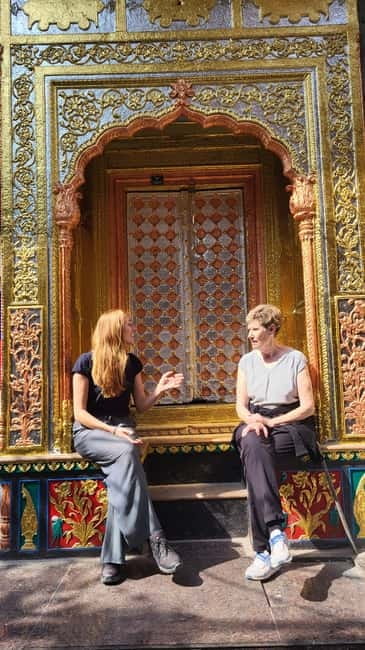
Old Delhi isn’t only monuments and big markets. It also has craft neighborhoods that keep working practices alive year after year. This tour includes a visit to an ancient neighborhood tied to Goldsmith artisans, living since the Mughal era.
What you should look for here is not just the final products. Watch the shop flow:
- How skills translate into everyday trade
- How craftsmanship fits into the neighborhood economy
- How these artisan areas sit close to the wider market grid
Even if you’re not a jewelry buyer, this stop adds depth. It turns Old Delhi from scenery into a working city with expertise.
Chai, snack moments, and photo opportunities (without turning it into a food tour)
Food and drink aren’t listed as included in the core essentials, so don’t plan this like an all-you-can-eat crawl. But in practice, the tour often includes small tasting moments—especially chai—during market walking. You’re also given at least one mineral water bottle per person.
Photo-wise, you’ll get multiple chances:
- Jama Masjid photo stops if you choose not to enter
- Market street photos as the lanes open and narrow
- Spice market visuals in and around the warehouse displays
One reason people love this tour is pacing. It doesn’t rush you past everything just to “check the box.” With Jai Singh, there’s room for questions, and the walk often stays at a comfortable rhythm.
Price and value: is $13 a good deal in Delhi?
At about $13 per person for a 3-hour walk, this tour is priced like a high-value local experience—not like a premium sightseeing production. What’s driving that value:
- A local guide who explains history and modern life side by side
- Small group size (max 7), so you don’t get lost in a crowd
- Express security check, which can save real time at Jama Masjid
- At least mineral water included
- Optional hotel pickup if you’re in a central area
What’s not included: meals and most drinks beyond the water. If you want a full meal, you’ll likely need to plan that yourself. But for many visitors, the short format plus tasting stops is enough to keep you comfortable while still staying focused on Old Delhi’s sights and markets.
Who should book this Old Delhi spices walking tour
This tour is a strong fit if you want:
- A guided walk through key Old Delhi areas without getting overwhelmed
- Market context, not just pictures
- An English-speaking guide who can answer practical questions about shopping and daily life
It’s not a good match if you:
- Have mobility impairments (the walking is continuous on uneven, narrow lanes)
- Are pregnant (the route and crowd conditions make it less suitable)
- Need to carry large bags (not allowed)
If you’re traveling solo, this type of small-group route can feel easier than joining a big group. You’re also given a clear meeting point and the guide can coordinate via WhatsApp if you’re running late.
Should you book this Old Delhi spices walking tour?
Book it if you want Old Delhi in a way that makes sense: mosque area first, then bazaars, then spices—held together by a guide like Jai Singh who explains both the past and the present. The small group size and short duration make it a smart use of limited time.
Skip it (or choose a different option) if you hate walking, need step-free access, or don’t want to navigate crowded lanes. And if you care about entering Jama Masjid, remember the INR 450 ticket is optional, so decide that before you show up.
If you can handle tight streets and strong scents, this is a great value way to understand why Old Delhi is famous—and why it keeps working today.
FAQ
How long is the Old Delhi spices, heritage, and bazaars walking tour?
It lasts about 3 hours.
What does the tour cost?
The price is listed as $13 per person.
Where do I meet the guide?
Meet at exit gate No 1 of Jama Masjid Metro Train Station. If you come by Uber, use the provided Google pin location.
Is the Jama Mosque visit included, or do I pay extra?
Visit to the mosque is optional. If you want to enter, there is an entrance fee of INR 450 per person. You can also take photos from outside.
What part of the tour includes spices?
The tour includes a visit to the spice market area at Khari Baoli, where you’ll learn about spices and see how they’re displayed and sold.
Is there a group size limit?
Yes. The tour is a small group limited to 7 participants.
Do I get hotel pickup?
Pickup is optional if you choose it, and it’s from centrally located hotels.
What can I bring on the walk?
Luggage or large bags are not allowed.
Is food included?
Food and drinks are listed as not included, though you may have small tasting moments during the walk.
If you want, tell me your travel dates and where you’re staying in Delhi, and I’ll suggest the easiest way to time your metro arrival for a smooth start.