REVIEW · NEW DELHI
Breakfast Walk in Old Delhi
Book on Viator →Operated by Delhi Food Walks · Bookable on Viator
Old Delhi starts at breakfast. This 4-hour walk in New Delhi is a smart way to learn how food shapes the city, while you eat your way through spice, markets, and classic breakfast plates with a local guide (many bookings highlight Tanishqa by name). You’re not wandering at random lanes in the dark, and you’re not left hungry either.
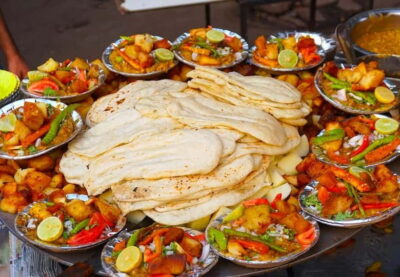
What I like most is the food tasting that adds up to a full, satisfying meal—breads, curries, sweets, and tea—served at clean, well-regarded places your guide will steer you to. I also like the mix of culinary and culture, including a stop at Khari Baoli and a look at a community kitchen at Gurudwara Sis Ganj Sahib, so you see food as part of daily life, not just something to snack on.
One possible drawback to plan for: this is a morning walking experience through tight Old Delhi streets, and you should have at least moderate physical comfort for 4 hours (plus you meet at and end at metro areas, since hotel pickup/drop-off is not included by default).
In This Review
- Key highlights that make this breakfast walk worth it
- Where you meet, where you end, and how the morning actually flows
- A quick reality check on the route
- Khari Baoli: seeing spices before they become flavor
- Why this spice stop is more than a photo stop
- Jama Masjid area: a quick cultural anchor between tastings
- Chandni Chowk: the 2-hour tasting window that does the heavy lifting
- The pace: eat, walk, repeat
- Gurudwara Sis Ganj Sahib: food as community, not just commerce
- What to expect from this section
- What’s included in the breakfast (and why that changes the value)
- The $80 question: what you’re really buying
- Price, timing, and group size: the practical trade-offs
- Who might want a different format
- The guide matters: why Tanishqa keeps showing up in good experiences
- Tips to enjoy the 4-hour walk in Old Delhi
- Who this breakfast walk is for
- Should you book this breakfast walk in Old Delhi?
- FAQ
- How long is the Breakfast Walk in Old Delhi?
- What does the tour cost?
- Where do I meet the guide?
- Where does the tour end?
- What time does the tour start?
- What food and drinks are included?
- Are admission tickets included?
- Is a rickshaw ride included?
- What’s the group size limit?
- What are the age and fitness requirements?
- Is hotel pickup and drop-off included?
- Cancellation: can I get a full refund?
Key highlights that make this breakfast walk worth it
- Khari Baoli (Asia’s largest wholesale spice market): see spices as a trade, not just a flavor.
- Chandni Chowk on foot: a focused 2-hour block to sample foods without getting lost.
- Sikh temple community kitchen stop: a real look at food in community life at Gurudwara Sis Ganj Sahib.
- Relying on a local guide to choose the stops: you eat at clean, top-quality outlets your guide tests.
- A full-meal tasting spread: breads, curries, sweets, and tea, not a few bites.
- Small groups (up to 8): easier to keep the pace and stay together.
Where you meet, where you end, and how the morning actually flows
This tour starts at 8:30 am, with the meeting point near Ajmeri Gate, at Shri Ram Metals, Gate No 1, inside the Metro Station area near Chawri Bazar/Chandni Chowk. The end point is Chandni Chowk Metro Station, so you can usually get back into your day fast without backtracking.
The early start matters in Old Delhi. Morning is often when stalls and markets feel most active, and it’s also when breakfast food is most abundant and freshest. You’ll be moving through narrow lanes, so you’ll want to show up ready to walk at a steady pace for the full 4 hours.
Also note the structure: food tasting is the core, and sightseeing happens alongside it. That’s a good thing. You don’t have to choose between eating and seeing.
You can also read our reviews of more walking tours in New Delhi


A quick reality check on the route
You’ll hit major sights along the way, including Jama Masjid as part of the day’s routing, plus the market areas around Chandni Chowk. Because you’re walking, you’ll get short windows to look around rather than long sit-down time. If you want a slow, photo-only day, this may feel too practical and food-led.
Khari Baoli: seeing spices before they become flavor
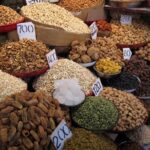
The tour begins with Khari Baoli, described as Asia’s largest wholesale spice market, and it’s one of the most memorable ways to kick off a breakfast walk. This is where spices are not a garnish—they’re part of the supply chain and the everyday economy of the city.
You’ll spend about 30 minutes here. That’s enough time to understand the scale and the vibe without feeling like you need to memorize every stall. The value of a guided stop is that you’re not just looking at colorful powders; you’re learning how spices connect to Delhi’s food traditions and how the market feeds the restaurants and street kitchens that you’ll taste later.
Why this spice stop is more than a photo stop
If you’ve ever eaten Indian food and wondered why certain flavors hit the way they do, this is where it starts to make sense. You’ll also get a better idea of how food culture lives in the city’s systems: traders, vendors, and kitchens all tied together.
One practical note: markets can be intense on the senses. If you’re sensitive to strong smells or crowds, keep that in mind and let your guide set your pace.
Jama Masjid area: a quick cultural anchor between tastings
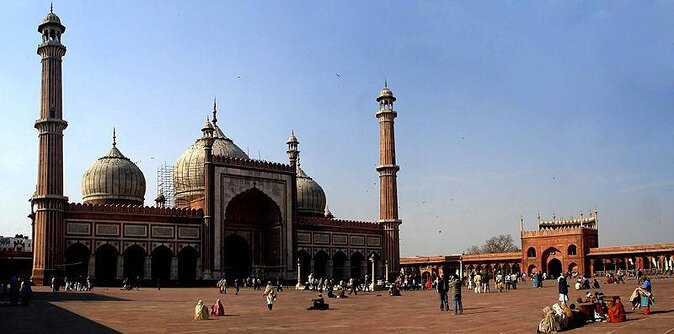
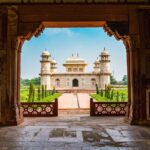
The routing includes Jama Masjid. You don’t spend a long stretch inside (the day is built around tasting), but you do get that important Old Delhi landmark presence. It helps you frame what you’re seeing: this neighborhood isn’t just a snack corridor, it’s part of the spiritual and historical map of Delhi.
Think of this stop as a mental reset. The tour turns from commerce (spices and markets) toward the bigger picture of where daily life happens, and how food sits inside that world.





Chandni Chowk: the 2-hour tasting window that does the heavy lifting
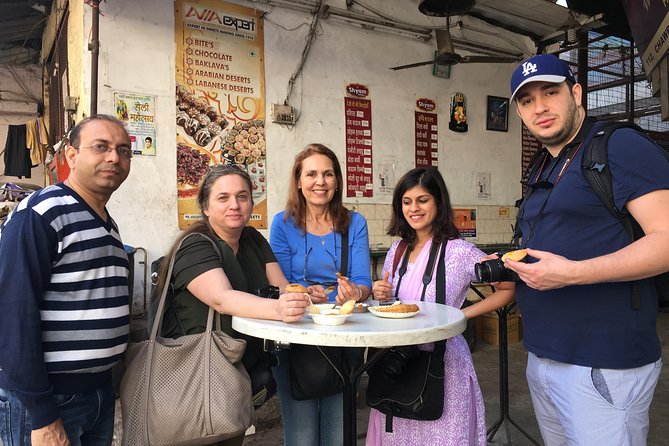
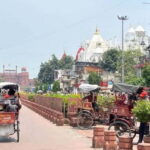
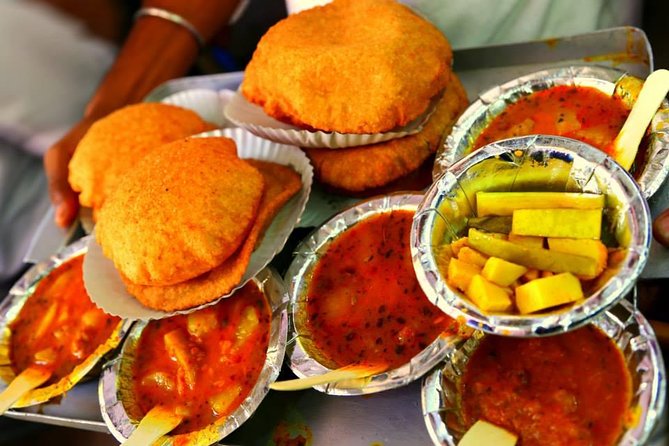
Your longest walking block is Chandni Chowk (about 2 hours), the classic Old Delhi market zone where you can actually feel the city’s food habits in real time. This is where the breakfast walk earns its name, because the food tasting phase is concentrated here.
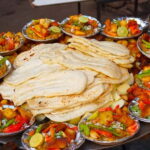
You’ll sample a mix that typically covers:
- breads
- curries
- sweets
- tea
…and more items as your guide moves you from stop to stop.
What I like about this structure is that you’re not doing a scavenger hunt. Your guide keeps the flow so you eat while things are still hot and active. And since the outlets are clean and top-quality (as guided by local testing), you’re more likely to enjoy the food without the usual street-food stress of guessing where to go.
The pace: eat, walk, repeat
Chandni Chowk can be busy. You’ll do a lot of short movements between places. The key is to slow down while you eat. Give yourself permission to linger over tea or a sweet. You’ll want your guide’s explanations, but you also want time to actually taste.
Another bonus: the tour is designed so you’re never stuck with one type of food too long. You rotate through flavors and textures, which makes the meal feel complete rather than repetitive.
Gurudwara Sis Ganj Sahib: food as community, not just commerce
The last major stop is Gurudwara Sis Ganj Sahib, with time spent at the community kitchen at the Sikh Temple (about 30 minutes). Even without adding a big sightseeing package, this stop changes the tone of the day.
Here, food has a different role. It’s not only a product you buy. It’s part of community service and shared life. In a city where street food is legendary, this stop reminds you that food in Delhi also has a social and spiritual side.
What to expect from this section
Because the itinerary centers on the kitchen visit and the time is relatively short, you should treat it like a meaningful pause—not a long museum-style moment. You’re there to connect food with culture and values.
Also, if you’re the type of traveler who likes context (not just calories), this is one of the strongest parts of the tour. It gives you a framework for the rest of your Delhi food adventures.
What’s included in the breakfast (and why that changes the value)
This is not a token tasting. It includes enough food and beverages for what the tour describes as a large meal. In plain terms: you should plan for this to be your main breakfast.
Included in your experience:
- Food tasting (multiple stops)
- Breakfast
- Professional guide
- Visit to Asia’s largest wholesale spice market
- Rickshaw ride in Old Delhi
- Admission tickets where noted (like Khari Baoli)
So when you look at the price—$80 per person—you’re not just paying for a walk and a guide. You’re paying for food, guiding, and key local transport moments (including that rickshaw ride).
The $80 question: what you’re really buying
A guided food walk is usually worth it when:
- you’re unsure where to go,
- you want to eat safely at good places,
- and you want context while you taste.
This tour hits those points directly. The outlets are described as clean and tested by your local guide, so you get the benefit of local knowledge without having to do research at 7:30 am.
Price, timing, and group size: the practical trade-offs
The tour is listed at $80 and, on average, gets booked around 20 days in advance. That’s a sign it’s a popular way to start a Delhi trip without spending your first morning on planning.
Duration is about 4 hours. That’s a manageable chunk of time for a city day, especially because you end near a metro station.
Group size is also capped. The experience can have a maximum of 8 travelers, and you’ll see mention of a maximum of 6 people per booking. Smaller groups usually make it easier to keep everyone together and keep tastings moving at a comfortable pace.
Who might want a different format
If you hate crowds or you prefer very quiet experiences, a market-based breakfast walk may feel like too much. But if you like street life and you’re happy to walk and eat, the small-group size helps.
The guide matters: why Tanishqa keeps showing up in good experiences
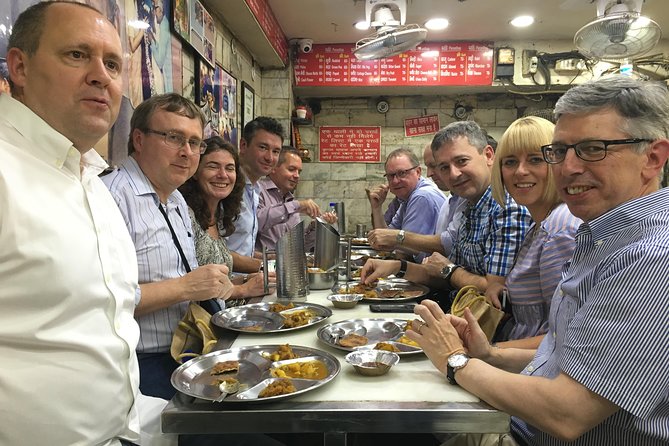
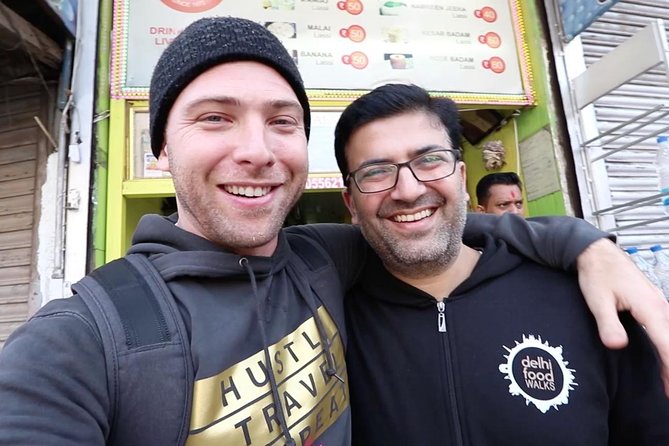
A big pattern in the day’s satisfaction is the guide experience. The name Tanishqa comes up repeatedly, and that matters because this tour is guide-led in a very real way: she’s the one choosing the food stops, shaping the flow, and sharing the cultural context behind why certain foods matter in Delhi.
From what’s reflected in feedback, the best moments aren’t just the dishes. It’s the conversation, the humor, and the flexibility when plans need adjustment. That makes a difference on a morning walk, where timing can shift quickly.
If you’re booking a guided food tour, this is exactly the part you want to get right: a guide who can make the walk feel organized and fun while still feeling like authentic local life.
Tips to enjoy the 4-hour walk in Old Delhi
- Wear comfortable shoes. You’ll be walking a lot through narrow lanes.
- Plan to be flexible. Market days can change minute to minute, and the tour pace depends on getting you to multiple food stops smoothly.
- Eat slowly at each stop. The meal is large, so you’ll enjoy it more if you don’t rush.
- Keep your day organized after the tour since you end at Chandni Chowk Metro Station rather than at your hotel.
- If you have dietary restrictions or allergies, consider asking in advance. The tour data doesn’t specify dietary accommodations, so you’ll want clarity from the operator.
Who this breakfast walk is for
This experience is a great match if you:
- want a food-forward Old Delhi introduction,
- prefer guided navigation over figuring out where to eat on your own,
- enjoy seeing the links between markets, cooking, and culture,
- and like starting the day with something that feels both tasty and meaningful.
You also need to be 18+. And since the tour calls for moderate physical fitness, it’s best for travelers who can handle walking for roughly 4 hours.
This also tends to suit first-time visitors who want an efficient plan, and repeat visitors who still want to learn something new about how Delhi eats.
Should you book this breakfast walk in Old Delhi?
If you’re planning your first days in Delhi and you want an easier, more satisfying way to eat your way through Old Delhi, I’d say this is a strong booking. The combination of Khari Baoli spices, Chandni Chowk tastings, a community kitchen visit, and a guide-led flow adds up to more than a snack run.
Skip it only if you want a long, slow sightseeing day, or if you know you don’t handle market crowds or walking well. Otherwise, this is the kind of tour that helps you understand Delhi through your senses—food first, culture right alongside it.
FAQ
How long is the Breakfast Walk in Old Delhi?
It runs about 4 hours (approx.).
What does the tour cost?
The price is $80.00 per person.
Where do I meet the guide?
You meet at Shri Ram Metals, Gate No 1, Metro Station, inside Ajmeri Gate, Chawri Bazar, Chandni Chowk, New Delhi.
Where does the tour end?
The tour ends at Chandni Chowk Metro Station, Satya Narayan, on Katra Kushal Rai Rd in the Chandni Chowk area.
What time does the tour start?
Start time is 8:30 am.
What food and drinks are included?
Food and beverages are included, with enough for a large meal. You’ll sample breads, curries, sweets, tea, and more.
Are admission tickets included?
Admission tickets are listed as free where applicable (including Khari Baoli and major stop notes).
Is a rickshaw ride included?
Yes. A rickshaw ride in Old Delhi is included.
What’s the group size limit?
The maximum is 8 travelers, and there is a maximum of 6 people per booking.
What are the age and fitness requirements?
Minimum age is 18 years. Travelers should have a moderate physical fitness level.
Is hotel pickup and drop-off included?
No, hotel pickup and drop-off are not included by default, but it can be arranged upon request for an additional fee.
Cancellation: can I get a full refund?
Free cancellation is available. You can cancel up to 24 hours in advance for a full refund, based on local time.
If you tell me your travel dates (and whether you’re visiting for the first time), I can help you figure out if this morning slot fits best with the rest of your Old Delhi plans.