REVIEW · NEW DELHI
Delhi Agra Jaipur 3 Days Golden Triangle Tour
Book on Viator →Operated by Bagga India Tour · Bookable on Viator
Three cities, one tight rhythm. This Delhi–Agra–Jaipur tour is built for people who want major sights handled with skip-the-line entrance tickets and an AC driver, yet still get a real kick of character with a cycle rickshaw ride through Old Delhi’s lanes.
One catch: your calendar matters. The Taj Mahal is closed every Friday, and Lotus Temple is closed every Monday (you’ll need the alternate plan on those days), so check your dates before you fall in love with the itinerary.
In This Review
- Key highlights before you go
- Golden Triangle in three days: what you’re really buying
- Morning in Delhi: Lotus Temple, Humayun’s Tomb, and Old Delhi contrasts
- Sunrise Taj Mahal and Agra Fort: how to handle the biggest day
- Jaipur’s forts, palaces, and Jantar Mantar in one strong finish
- Private chauffeur, live guides, and skip-the-line: the comfort details that matter
- Price and value: what $30 includes, and what you’ll likely pay extra
- Practical tips for the route so you don’t feel rushed
- Who should book this Golden Triangle tour?
- Should you book this Delhi–Agra–Jaipur 3-day Golden Triangle?
- FAQ
- What’s included in the tour price?
- Are hotel stays included?
- Are meals included?
- Does the tour include entrance tickets for monuments?
- Is the Taj Mahal visit timed for sunrise?
- When is the Taj Mahal closed?
- Does the tour include a cycle rickshaw ride?
Key highlights before you go
- Sunrise Taj Mahal timing for the best light and fewer crowds
- Old Delhi cycle rickshaw ride plus the grand scale of Jama Masjid and Red Fort
- Agra Fort and Baby Taj (Itmad-ud-Daula) as the perfect add-on to the Taj’s story
- Jaipur’s Jantar Mantar with the world’s largest stone sundial and UNESCO status
- A private, AC chauffeur with government-approved guides in each city
- Entrance-fee options so you can choose what you want to prepay
Golden Triangle in three days: what you’re really buying
The headline is simple: Delhi, Agra, and Jaipur, stitched into one efficient 3-day loop. You’ll move by a private, air-conditioned vehicle with a chauffeur, and you’ll have a live, government-approved city guide on the ground. For first-timers, that combination usually means fewer dead ends and less waiting around trying to translate signs and ticket lines.
The value starts with the structure. I like that the tour breaks the days into clusters: Mughal monuments and imperial Delhi on Day 1, the Taj + Agra Fort on Day 2, and then Jaipur’s forts and astronomical sights on Day 3. That “no random hopping” rhythm helps because Golden Triangle days can get long. You’re not just ticking boxes; you’re seeing related sights with enough time to actually look.
Two practical realities you should know up front. First, hotels are not included, so you’ll need to pick your own place and be ready for early starts. Second, meals aren’t included either, so budget some cash for lunch and water refills. The good news is the tour provides mineral water bottles and covers the vehicle costs, tolls, parking, and entrance fees if you select that option.
You can also read our reviews of more tours and experiences in New Delhi



Morning in Delhi: Lotus Temple, Humayun’s Tomb, and Old Delhi contrasts
Day 1 starts with a hotel pickup around 9:00am. It’s a good start time for a full-day sight plan, because Delhi traffic can steal time if you wait too long. From there you’ll hit a mix of serene worship spaces, Mughal grandeur, and big-city landmarks—then roll right into the chaotic beauty of Old Delhi.
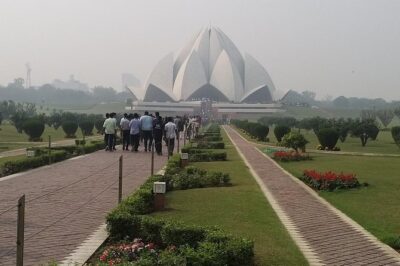
Lotus Temple is first, and it’s a smart warm-up. Even if you’re not tuned in to the details, it’s visually easy to appreciate: open space, calm vibe, and that iconic lotus shape that photographs well without feeling like a theme park. Admission is free and the stop is about an hour.
Next comes Humayun’s Tomb, a Mughal tomb with a layout that rewards slow walking. You get about two hours here, and admission is included on the tour. If you want a simple way to enjoy it, focus on symmetry and garden geometry; it’s the kind of place where your brain relaxes because the design is doing the heavy lifting.
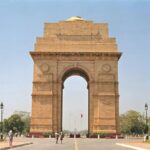
After that, you swing into modern national landmarks around India Gate. Gandhi Smriti is a short stop (about 30 minutes) connected to Gandhi’s final days. Then there’s India Gate itself, followed by quick photo breaks at Rashtrapati Bhavan and Parliament House. These are brief, but they help you understand why Delhi feels like a capital built on strong axis lines and formal architecture.
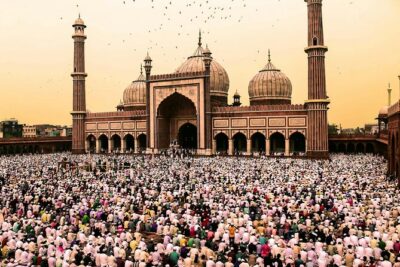
Then you land in Old Delhi mode. Jama Masjid (included) is one of the world’s largest mosques, and it’s big in a way that makes scale hit you in the chest. Plan for crowds, sun, and stairs, and treat it like a walking museum—look up as much as you look forward. Red Fort follows, with time for photos and general exploring.
The day finishes with Chandni Chowk (called out as Pasar Chandni Chowk in the schedule). This is your sensory dump: narrow lanes, market energy, and a chance to pick up small items you can actually use later. The tour includes a cycle rickshaw ride in Old Delhi, which is the best way to get that neighborhood feeling without being stuck in traffic on a full-day road crawl.
Finally, you drive to Agra and spend the night there. That overnight matters. It prevents Day 2 from feeling like one more rushed checkpoint day.
Sunrise Taj Mahal and Agra Fort: how to handle the biggest day
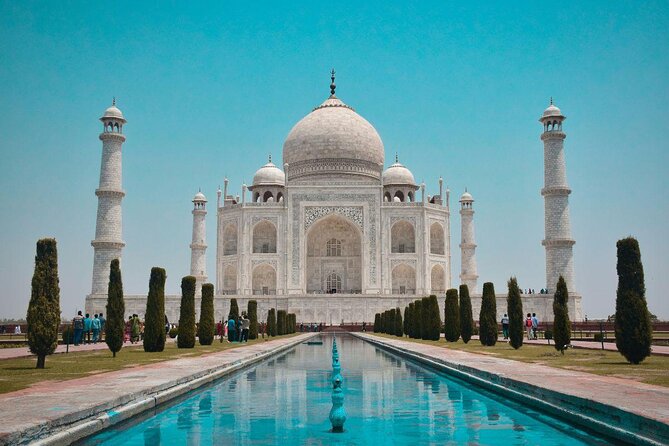
Day 2 is the big one: Taj Mahal at sunrise. The tour is timed so you go early, which is exactly what you want for soft light and better crowd conditions. Taj visits are also heavily date-dependent—remember it’s closed every Friday.
After the Taj, you return for breakfast, then check out and move on. The pace is purposeful: you’re not spending your whole day in a single place; you’re building a chain of Mughal “proof points.”
Next is Agra Fort, built by Emperor Akbar. This stop is about an hour, and entrance is included. Agra Fort is a strong contrast to the Taj because it’s fortress logic, not marble poetry. I like using Agra Fort as your grounding moment: once you see it, the Taj stops feeling like a standalone masterpiece and starts feeling like part of an empire’s real-world power.
Then there’s Itmad-ud-Daula (often called Baby Taj). You get a shorter stop (about 30 minutes) and entrance is included, with notes that you may choose whether to go inside or focus on exterior pictures. That flexibility helps when you’re tired from early mornings, but it also works if you’re a slower observer who wants to linger on carved details.
On the way toward Jaipur, the route includes Fatehpur Sikri for about an hour. Admission is listed as free in the schedule. This is a great “stop in time” moment—red sandstone buildings clustered around central structures. Even if you only have an hour, the site gives you context for how Mughal rulers experimented with cities and imperial centers.
By the time you reach Jaipur, you’ve already seen the crown jewel (Taj), the fortress (Agra Fort), and a high-style garden-tomb (Baby Taj). Fatehpur Sikri adds a bonus layer, so Jaipur doesn’t feel like the next unrelated stop.
Jaipur’s forts, palaces, and Jantar Mantar in one strong finish
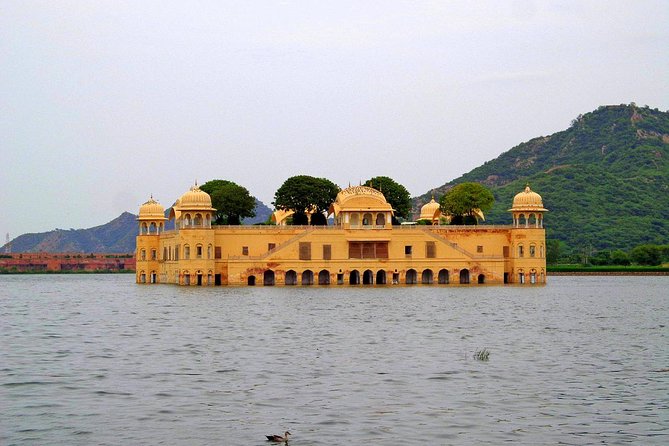
Day 3 is all about Jaipur’s visual variety. You’ll check out after breakfast and head out with your driver and Jaipur guide for a full sweep of major sights. In the schedule, the day mentions Jal Mahal, Amber Fort, City Palace, Hawa Mahal, Jantar Mantar, and a water palace mention—so you’ll likely see a sequence that mixes viewpoints, big monuments, and the famous astronomical site.
Start with Hawa Mahal (Palace of Breeze). It’s quick but memorable, and it’s one of those Jaipur icons you understand even before you read a label. The facade is all about the lattice and the idea of airflow, which makes it both a design lesson and a photo magnet.
Then Amber Fort enters the picture (mentioned in the plan). This is where Jaipur turns from pretty facades into defensive architecture and ceremonial space. Expect to walk and climb; wear shoes that forgive dust and stairs.
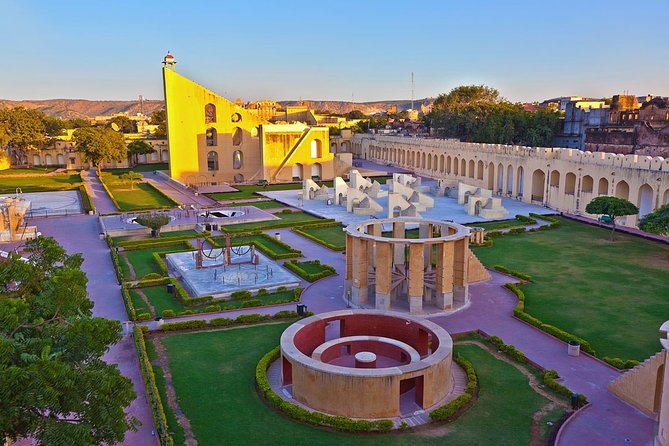
Next is Jantar Mantar, and this is a standout choice for curious minds. The schedule calls out that it’s a collection of 19 astronomical instruments built by Sawai Jai Singh, and that it includes the world’s largest stone sundial. It’s also UNESCO-listed. If you want to make it feel less like a pile of rocks, pick one or two instruments to focus on and let the guide explain how they work. Otherwise, you’ll just wander from sign to sign without the aha moment.
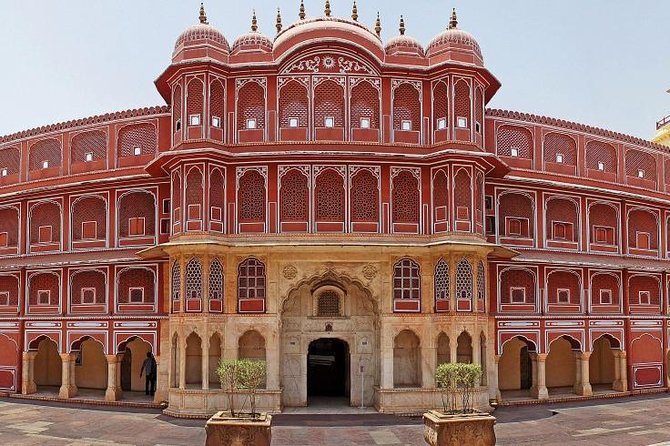
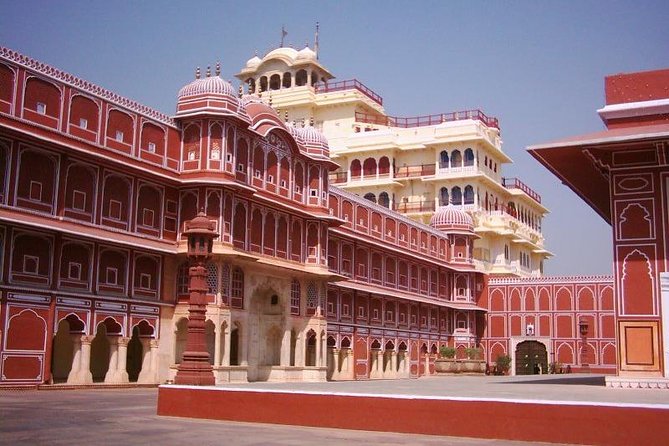
City Palace follows. You’ll get about an hour, with entrance included. This stop matters because it connects the astronomy and the fort world back to actual court life. The palace is also where the modern city meets the legacy of rulers, so you get a sense of continuity rather than a history slideshow.
You’ll also see Jal Mahal, the water palace sitting on Man Sagar Lake. Admission is listed as free for the scheduled stop, and the time is about 30 minutes. Even when it’s just a viewpoint stop, it’s worth it—Jal Mahal gives your eyes a break from stone-on-stone intensity.
Another interesting add-on is Panna Meena ka Kund, a stepwell near Amber Fort. The tour calls it a heritage way to harvest water, and that’s the kind of practical detail that often gets overlooked when people only chase palaces. Even with limited time, it adds depth to the story of how Jaipur handled water.
At the end of Day 3, you drive back to New Delhi and get dropped at the airport, railway station, or a hotel area like Gurgram/Noida, depending on what you choose. It’s a long day, but it’s the kind of long that feels efficient rather than chaotic.
Private chauffeur, live guides, and skip-the-line: the comfort details that matter
The biggest practical win here is that you’re not trying to manage Delhi and Agra logistics alone. You get an AC vehicle with chauffeur, plus hotel-to-airport/hotel transfers in the mix. You also get live government-approved city guides, which helps because each stop has its own rules, tempo, and meaning.
Another detail I really like: the tour includes skip-the-line entrance when you choose the entrance-fee option (or follow the tour’s included-entry setup). That alone can save you from the most frustrating part of sightseeing in India: standing around while someone else already got in.
The tour also includes complimentary mineral water bottles. That sounds small, but it matters during sunrise Taj hours and sun-heavy afternoons in Agra and Jaipur. It’s one less thing to buy, and it keeps you from running low at the wrong moment.
A note on language. In the feedback I reviewed while learning about this tour, the guides sometimes include German language skills, which can be a real comfort if you’d rather not rely on English for explanations.
Finally, plan for paperwork. A passport photo copy is required for the travel days. You don’t want that as a last-minute scramble.





Price and value: what $30 includes, and what you’ll likely pay extra
The headline price listed is $30 per person, but your real total depends on the entrance-fee option you choose and your separate hotel and meal costs.
Here’s the clean way to think about it:
- The tour price covers the private AC vehicle with chauffeur, live government-approved guides, and hotel/Delhi pickup and drop-off.
- It also covers tolls, state taxes, fuel, parking, and complimentary drinking water.
- Entrance fees are where your cost choice matters. If you book the option without entrance fees, the schedule lists $70 per person for monument entrances.
- Hotels are not included. You pick your own accommodation style and budget.
- Meals are not included.
So the value question becomes: do you want to prepay entrances for fewer surprises, or do you prefer to manage them later? Either can work, but prepaying can reduce mental load on early mornings.
Why the pricing can feel like a bargain: you’re getting a full private transfer loop plus multiple guided stops across three cities. The driver and guides are the part that makes a Golden Triangle trip work without constant map-checking. In a 3-day window, time is the most expensive currency you have.
One more practical value point: you’re booking far in advance on average (the listing data shows it’s often booked about 237 days ahead). If you have a fixed travel window around festivals or limited hotel availability, booking early is usually the smarter move.
Practical tips for the route so you don’t feel rushed
Because this is a tight 3-day loop, you’ll want to travel like you’re on a mission with good snacks, not like you’re doing a slow weekend.
Wear shoes you can walk in for forts and mosque steps. Sunscreen and a hat help more than you think, especially around open courtyards like Jama Masjid and the outdoor-viewing segments.
Keep your mornings flexible for early Taj timing. Sunrise means you may be up before your coffee is ready to fight the day. That’s normal here.
Also, watch the date closures so you don’t get stuck with a swap you don’t want. Taj Mahal closes Fridays, and Lotus Temple closes Mondays (with an alternative mentioned as Birla Temple). If your trip lands on those days, plan your expectations early rather than hoping the itinerary magically adjusts.
For photography, you’ll be doing a lot of it: Taj, Fort, Chandni Chowk markets, Jaipur facades, and the lake views. Still, don’t make every moment a camera moment. Take a few minutes to just look. The Taj morning works best when you’re not turning it into a frantic sprint.
Who should book this Golden Triangle tour?
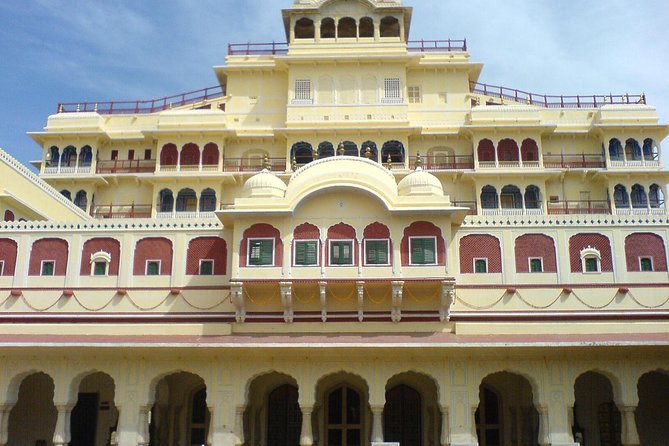
This fits best if you want:
- A first-time Golden Triangle experience with major landmarks covered
- A trip where you don’t want to coordinate guides, transfers, and ticket logistics alone
- Comfort matters (AC vehicle, scheduled pickup/drop-off, water provided)
- You enjoy structured days more than free-form wandering
It may not be ideal if you:
- Want lots of downtime in each city
- Prefer to skip guided explanations and roam independently
- Need fully included meals and hotel costs baked into the price
If you’re traveling as a small group, the private setup usually makes the day feel smoother and more personal. And because it’s listed as private for your group, you’re not sharing the schedule with random walk-ons.
Should you book this Delhi–Agra–Jaipur 3-day Golden Triangle?
I’d book it if you want a solid, efficient route with the big hitters handled well: sunrise Taj Mahal, Agra Fort, the Old Delhi monuments, and Jaipur’s Jantar Mantar and palaces. The structure is the selling point, and the private AC chauffeur plus live city guides help you spend more time looking and less time figuring out what comes next.
I’d think twice if your dates land on a closure day and you’re counting on those exact mornings—Taj Fridays and Lotus Mondays can force a change. Also, if you hate planning your own hotel and meals, you’ll need to budget separately because those aren’t included.
If you want a low-drama shortcut through India’s most famous circuit, this is the kind of tour that makes sense. Just match your travel days to the monument calendar, pick a hotel location you’ll like waking up in, and bring comfortable walking shoes.
FAQ
What’s included in the tour price?
You get an air-conditioned vehicle with chauffeur, live government-approved city guides, hotel pickup and drop-off in New Delhi, and mineral water. Entrance fees are included only if you choose the entrance-fee option.
Are hotel stays included?
No. Accommodation and hotel costs are not included, so you’ll need to book your own hotel.
Are meals included?
No. Meals, food, and breakfast/lunch/dinner are not included.
Does the tour include entrance tickets for monuments?
It depends on the option you book. If you choose without entrance fees, monument entrance fees are listed as $70 per person.
Is the Taj Mahal visit timed for sunrise?
Yes. The schedule specifically plans the Taj Mahal for sunrise time.
When is the Taj Mahal closed?
Taj Mahal is closed every Friday.
Does the tour include a cycle rickshaw ride?
Yes. A cycle rickshaw ride is included in Old Delhi.