REVIEW · NEW DELHI
Delhi Kabul Cooking Class
Book on Viator →Operated by Delhi Daily Life · Bookable on Viator
Cook Indian and Afghan flavors with a family. This is a private class in South Delhi that starts with shopping at Malviya Nagar Market and ends with you eating what you make. I love the mix of Indian and Afghani dishes and the hands-on feel of learning right at a home kitchen; one watch-out is that the menu can change with what’s available, and dessert isn’t included for single-person bookings.
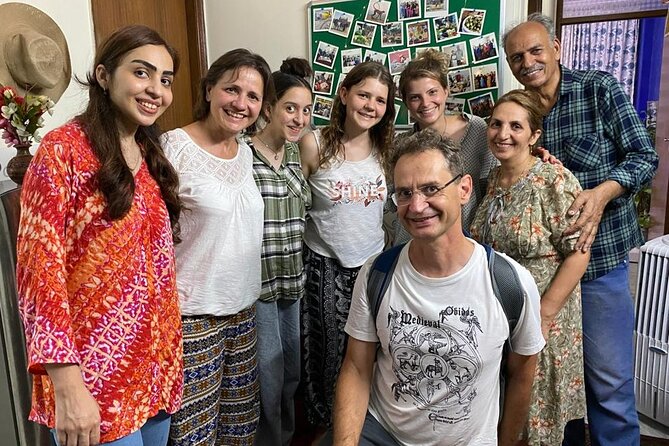
What makes this experience more than just food is the setting. Hauz Rani is where Afghan refugees have built community in Delhi, and you’ll taste that cross-cultural influence in the dishes and conversation. In multiple sessions, hosts like Faramarz and Marjan (along with their parents and daughters) help create that I-feel-welcome-fast mood.
You also get something useful after you leave: recipes are sent after the class. Do note the timing detail: the market visit is listed for evenings only, and the class includes a specific basic menu format that shifts slightly depending on who’s booking.
In This Review
- Key highlights at a glance
- Hauz Rani cooking class: why this part of South Delhi matters
- Meeting Faramarz and family in a home kitchen setup
- Market time at Malviya Nagar: what you’re really shopping for
- What you’ll cook: the Indian-Afghan menu, step by step
- Borani Banjan: the eggplant that teaches technique
- Daal Fry: lentils that show you how flavors build
- Chicken curry (if included): learning spice depth, not just heat
- Rice and roti: the meal gets anchored
- Lunch or dinner together: eating what you made (with the hosts)
- Recipes after the class: the “why” you’ll appreciate later
- Price and logistics: is $52.90 worth it?
- Who this cooking class suits best (and who should think twice)
- Tips to get more out of your 3-hour session
- Should you book Delhi Kabul Cooking Class?
- FAQ
- Where do I meet for the Delhi Kabul Cooking Class?
- How long is the cooking class?
- Is this a private class or a group experience?
- Do you visit a market before cooking?
- What dishes are included in the basic menu?
- Are lunch and dinner both available?
- Will I get recipes after the class?
- Is dessert included?
Key highlights at a glance
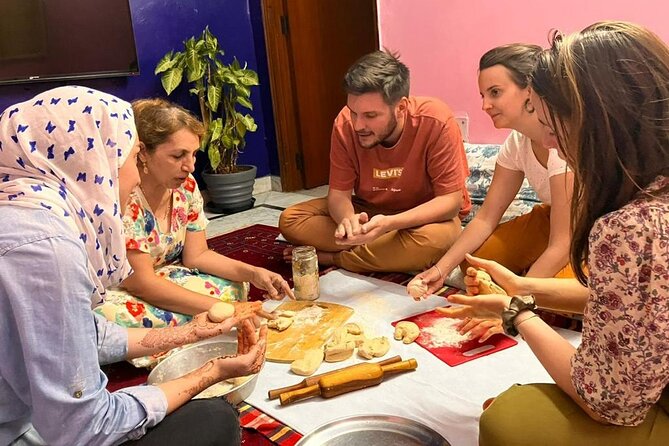
- Private, family-led instruction that’s meant to feel personal
- Malviya Nagar Market ingredient shopping before you cook
- Indian and Afghan dishes side by side, not one or the other
- Recipes sent after the class, so you can repeat the cooking later
- Lunch or dinner options depending on the time slot you choose
- A full meal with your hosts once you finish cooking
Hauz Rani cooking class: why this part of South Delhi matters
Most Delhi food experiences stick to one track: either a formal restaurant meal or a generic cultural stop. This one works because it sits in a neighborhood with real ties to Afghan cooking. Hauz Rani in Malviya Nagar is home to Afghan refugees, and that community presence shapes what you’ll cook and how you’ll understand the food.
You’ll start with the ingredients side of the story. Market shopping isn’t there just for photos. It helps you understand what the dishes actually depend on—vegetables, spices, and everyday staples that make the food taste like itself. If you’ve ever cooked from a cookbook and thought, I used the right spices but it still didn’t taste right, this is the kind of class that helps close that gap.
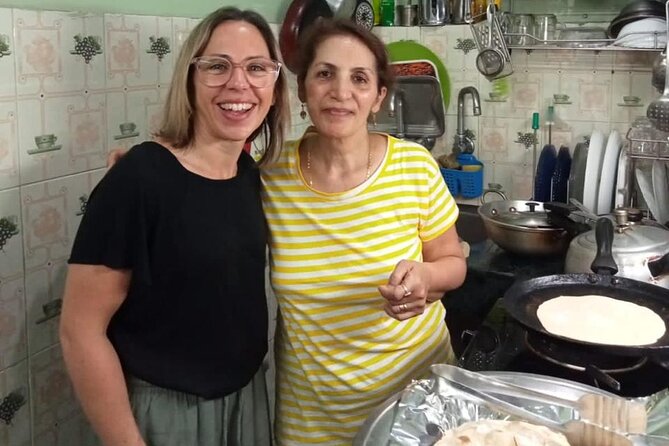
I also like the social design. You’re not just watching someone cook behind glass. You’re in a home environment, with a family who brings the dishes to life and treats the meal as something shared, not performed.
Possible downside: if you’re expecting a fixed, set menu every single time, you might want to adjust your expectations. The menu can change based on seasonal and market availability.
You can also read our reviews of more cooking classes in New Delhi


Meeting Faramarz and family in a home kitchen setup
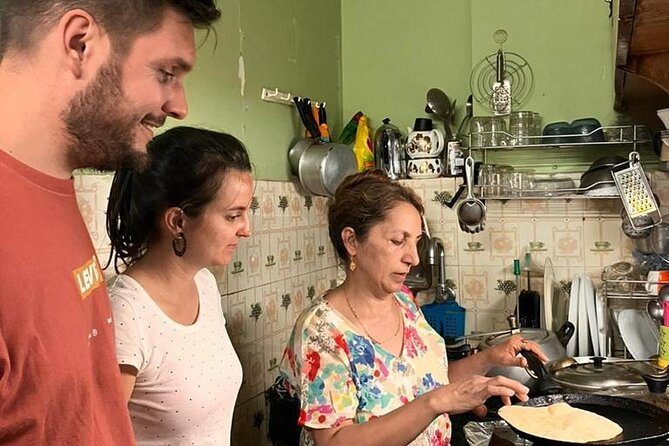
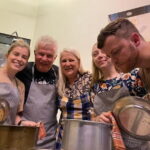
This class is private, meaning only your group participates. That matters more than you might think. In a standard group tour, you can get stuck waiting your turn. Here, the format is built around tailored instruction—so if you want to move quickly, ask more questions, or you’re a slower chopper type, the pace can be more forgiving.
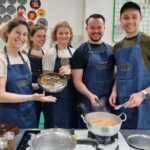
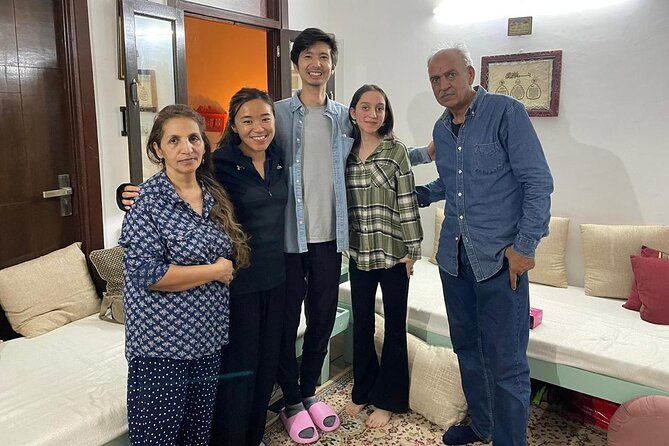
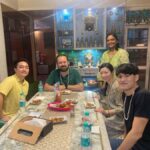
In sessions described by guests, you may meet Faramarz and Marjan, plus family members such as their parents and two daughters. That family structure is part of the charm. It turns the cooking into a shared evening where someone explains not only how to cook, but how the food fits into daily life.
You’ll also get a clear sense of roles. Cooking at home has a different rhythm than cooking in a classroom. The kind of help you’ll likely receive is practical: how to handle spice mixes, how to judge doneness, and how to build flavor step-by-step rather than relying only on a recipe’s measurements.
What you should consider: since this is in a home setting, the experience may feel less scripted than a restaurant-style demo. That’s a plus if you want real life. It’s not ideal if you need a timed, production-line schedule.
Market time at Malviya Nagar: what you’re really shopping for
Your day begins at Malviya Nagar Market (Old Market, Block C). Then you’ll head out for a guided vegetable market visit—listed for evenings only.
Think of this stop as your flavor foundation. Indian and Afghan cooking both rely heavily on everyday ingredients—eggplant, lentils, rice, and flatbreads are common threads. Shopping in person helps you see what the cooks consider normal and best, and it gives you context for why certain dishes taste the way they do.
If you like street-level travel, this is one of the more grounded parts of the class. You’re not just buying ingredients. You’re learning what to look for and how those ingredient choices affect the final meal.
One practical note: because the market visit is evening-only, you’ll want to confirm the time window when you book. The tour’s operating hours run from noon to 9:00 PM, but your market segment follows that evening listing.
What you’ll cook: the Indian-Afghan menu, step by step
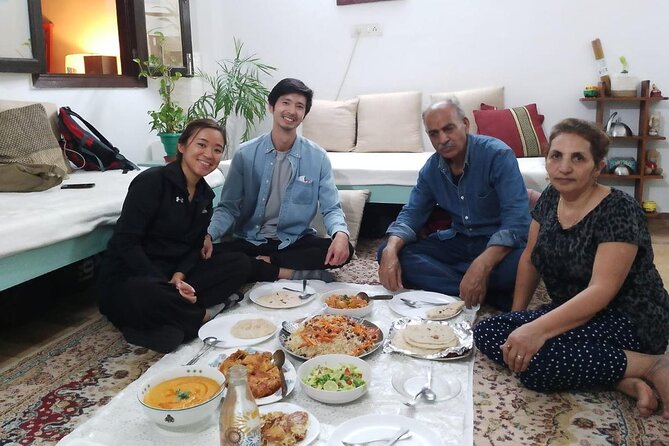
The class is designed to teach you both Indian and Afghani dishes, with the exact menu depending on what’s seasonal and available. The structure is consistent: you cook, you eat, and you get recipes afterward.
For clarity, here’s the Basic Menu listed for the class:
- Tea
- Bangan Curry (Borani Banjan) – an eggplant dish with a mix of Afghan and Indian flavors
- Daal Fry – lentils
- Chicken Curry (for non-vegetarian bookings)
- White rice
- Roti (chapati)
Borani Banjan: the eggplant that teaches technique
Eggplant curries can go two directions: bland and soggy, or deeply flavored and satisfying. Dishes like Borani Banjan often rely on getting the eggplant texture right and balancing spices so the eggplant tastes rich rather than watery. This is a great dish for learning because it’s forgiving enough to practice, but specific enough that you’ll notice the differences as you cook.
I like that the menu labels it clearly as a mix of Afghan and Indian flavors. That makes it easier to connect what you’re doing in the kitchen to what’s unique about this hybrid style.
You can also read our reviews of more tours and experiences in New Delhi
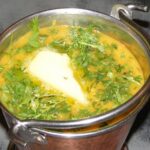


Daal Fry: lentils that show you how flavors build
Lentils are where many people either master cooking or get stuck. Daal Fry teaches the rhythm of tempering spices, stirring, and adjusting thickness. Even if you’re an experienced home cook, lentils are a good way to learn another cook’s approach to flavor layering.
Chicken curry (if included): learning spice depth, not just heat
For non-vegetarian bookings, the basic menu includes chicken curry. Curry lessons are often about spice level, but a good curry is more about depth—how aromatics bloom, how sauce reduces, and how seasoning balances against fat. In a private class, you should be able to ask why the host chooses one method or one timing over another.
Rice and roti: the meal gets anchored
Rice and roti are not side details here. They’re the tools that turn curries into a complete eating experience. Learning the roti basics (and how roti timing fits with the curries) helps you stop treating each dish like a separate project.
Lunch or dinner together: eating what you made (with the hosts)
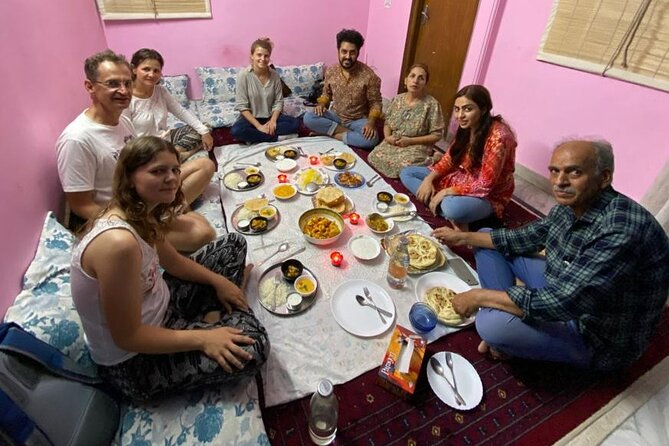
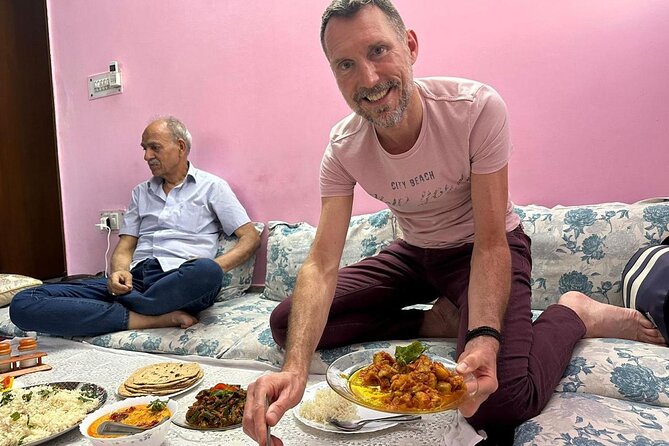
After cooking, you sit down with your hosts and dine on your creations. That part is the payoff. You don’t just carry home a dish to reheat later—you eat it while it’s still fresh, warm, and in the same conditions where it was made.
Because lunch and dinner options are available, your meal timing can fit your travel day. If you’re in Delhi for a tight schedule, choosing a slot that aligns with your plan can make this feel less like a detour and more like the main event.
Guests’ feedback highlights how welcoming the family can be. One review specifically mentioned being rushed for time due to a flight, and the hosts being accommodating about the situation. That’s a useful clue for you if you have similar constraints: this experience is more flexible than a strict, timed show.
Possible drawback: the menu format includes dessert only for some bookings. For single-person bookings, the basic menu is provided without dessert. If dessert is a must for you, consider booking with someone else or double-check what applies to your booking type.
Recipes after the class: the “why” you’ll appreciate later

A lot of cooking classes give you a memory and a few photos. This one adds something practical: recipes are sent to you after the class.
That matters because cooking is easier to repeat when you can match the process to your outcomes. If you remember that the eggplant curry turned thicker or that the lentils needed more stir-time, the recipe notes help you recreate that next time.
I also like that the dish names are specific (for example Bangan Curry/Borani Banjan and Daal Fry). Clear dish labeling means you can shop for ingredients later with less guesswork.
If you’re planning to cook these at home, pay attention to the details in the recipes once they arrive. Even small differences in spice balance can make the same dish feel like a different country—especially with this India-Afghanistan blend.
Price and logistics: is $52.90 worth it?
At $52.90 per person for about 3 hours, you’re paying for more than the meal. You’re paying for:
- Private, family-led instruction (not a mass class)
- Market context before you cook
- A full meal shared with the hosts
- Recipe follow-up afterward
- A format built around both Indian and Afghani flavors
In Delhi, cooking experiences vary wildly—from cheap ingredient-only workshops to high-end multi-course productions. Here, the value is in the combination: market + home kitchen + eating together + recipe handoff. That’s the kind of package that tends to stick with you longer than a one-dish lesson.
A timing note that can affect value: the experience is often booked about 79 days in advance on average. If you want a specific time slot (especially since market shopping is evenings only), you’ll do yourself a favor by booking early rather than waiting.
Logistics are straightforward. The tour uses a mobile ticket, starts at Malviya Nagar Market, and ends back at the meeting point. It’s near public transportation, and service animals are allowed.
Who this cooking class suits best (and who should think twice)
This is a strong match if you want:
- A private class where you can ask questions and cook at your pace
- A cultural-food experience tied to real Afghan community influence in Delhi
- Hands-on cooking plus a meal shared at home
- A chance to learn both Indian and Afghani dishes in one go
It may be less ideal if you:
- Need a fully guaranteed, unchanging menu (seasonal market availability can shift things)
- Expect dessert for every booking type (single-person bookings list no dessert)
- Are looking only for a sightseeing tour with light involvement in cooking (this is cooking-first, then dining)
One more practical fit: if you’re traveling with a tight schedule, the family’s flexibility is a plus, since at least one guest described being rushed for a flight and the hosts accommodating the situation.
Tips to get more out of your 3-hour session
Keep these in mind so you leave with both a full stomach and better cooking confidence.
First, come hungry, not ravenous. You’ll start with tea, then cook multiple components, and then eat what you made. If you arrive overly full from a big restaurant lunch, the meal portion can feel less satisfying.
Second, be ready to learn by doing. This class is built around instruction during prep and cooking, not just eating at the end. Ask questions about texture and timing as you go—eggplant in particular can change the whole dish depending on how it’s handled.
Third, plan your schedule around the evening market listing. If you want that ingredient hunt, your time slot matters.
Finally, save your questions for the moments when you’re actively cooking. In a private setting, that’s when your host can adjust and explain in a way that actually transfers to your next attempt.
Should you book Delhi Kabul Cooking Class?
I’d book this if you want a real, local-feeling cooking evening with family warmth and a clear India-Afghanistan flavor connection. The private format, the Malviya Nagar market start, and the fact that you eat your own cooking are the big strengths. Add in recipes sent afterward, and it becomes a memory you can re-create, not just a meal you forget.
Pass for now if you want a fixed menu with dessert guarantees every time, or if you prefer highly structured restaurant-style pacing.
If you’re the type who loves the practical side of travel—learning ingredient choices, cooking rhythms, and how locals make everyday food—this one fits.
FAQ
Where do I meet for the Delhi Kabul Cooking Class?
You start at Malviya Nagar Market, Old Market, Block C, Malviya Nagar, New Delhi, Delhi 110017, India.
How long is the cooking class?
The class runs for about 3 hours.
Is this a private class or a group experience?
It’s a private tour/activity. Only your group will participate.
Do you visit a market before cooking?
Yes. You’ll start with a guided tour of a local vegetable market, listed for evenings only.
What dishes are included in the basic menu?
The basic menu includes tea, Bangan Curry (Borani Banjan), Daal Fry, chicken curry for non-vegetarian bookings, white rice, and roti (chapati).
Are lunch and dinner both available?
Yes. Lunch and dinner options are available, depending on the time slot you choose.
Will I get recipes after the class?
Yes. Recipes are sent to you after the class.
Is dessert included?
For single-person bookings, only the basic menu is provided and dessert is not included.