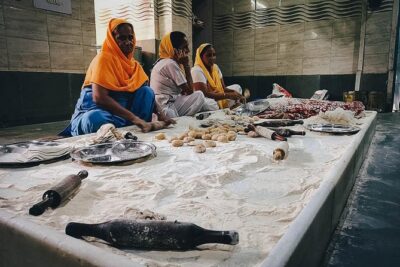
REVIEW · NEW DELHI
Delhi Slum Walking Tour
Book on GetYourGuide →Operated by Mumbai Dream Tours · Bookable on GetYourGuide
A walk through a working neighborhood can teach you more than any postcard. This Delhi slum walking tour is built around real daily routines: small businesses, a chicken market, and a chapati factory that produces thousands of breads a day. I like that it’s practical and grounded, not just photo stops, and I especially like the end-of-tour chai conversation. One drawback to weigh: the experience is simple and walking-heavy, so if you’re looking for comfort-first sightseeing, this one might feel too real.
You start at Moti Nagar metro station, then follow your English-speaking local guide through New Delhi, where you can even catch trains passing about every ten minutes. With a small group (up to 10), it feels more like a focused introduction than a crowded tour. I also appreciate the balance: you see income-making work and how people organize daily life, not just the surface look of an area.
Still, because it’s a living community, the tone matters. The best-rated part of this tour is how respectful it feels, with an educational approach that keeps locals comfortable. My advice: go with an open mindset, be ready to observe quietly, and don’t expect a polished show.
In This Review
- Key things to know before you go
- Moti Nagar meeting point: the easiest way to start
- Two hours in a living neighborhood, not a set
- Small-scale industries and residences: what you’re really learning
- The chicken market walk: income in motion
- Chapati factory production: watching 8,000+ daily
- Chai and thoughts with your guide: the tour’s closing moment
- Price and value: what $13 buys in real terms
- What to wear, how to prepare, and how to stay respectful
- Is it worth booking for you?
- Should you book this Delhi Slum Walking Tour?
- FAQ
- Where does the Delhi slum walking tour start?
- How long is the tour?
- How much does it cost?
- What is included in the price?
- What is not included?
- Is the tour small group?
- What language is the tour in?
- Does the tour include a chicken market stop?
- Does the tour visit a chapati factory?
- What are the cancellation and booking options?
Key things to know before you go
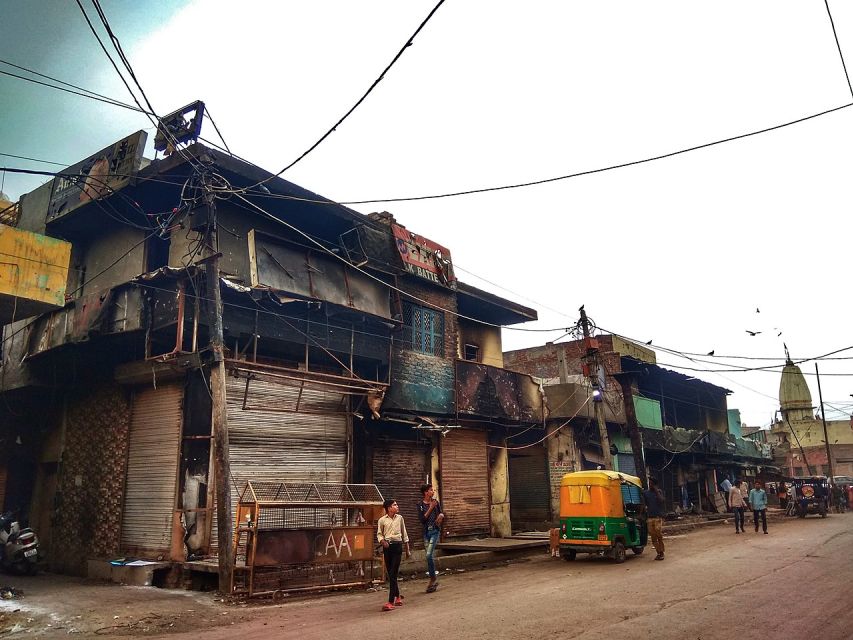
- Small-group pacing (up to 10 people) makes it easier to ask questions and stay aware of what you’re seeing.
- Chicken market visit shows how many residents earn their daily income.
- Chapati factory stop focuses on production scale, with more than 8,000 chapatis made and delivered daily.
- Trains every ~10 minutes add a constant sense of city life while you walk.
- Chai tea at the end gives you a structured moment to share impressions with your guide and group.
- English-speaking local guide plus local transport means you’re not figuring things out alone.
Moti Nagar meeting point: the easiest way to start

The tour begins at Moti Nagar metro station in New Delhi. That’s a helpful detail because you can use the metro system to get close to the start point without guessing street-level directions. Once you meet your guide, you’ll head out on foot for about two hours, moving from home-adjacent businesses to the day’s main market areas.
If you’re coming from farther across the city, give yourself extra time to reach the meeting spot and check that your pickup point is still correct. One cancellation experience was reported right around the meeting time, so I’d treat the day-of check as part of your routine: confirm status before you walk over.
You can also read our reviews of more walking tours in New Delhi



Two hours in a living neighborhood, not a set

This is a guided walk designed around everyday life. You’re not touring a museum where everything is static. Instead, you’re watching how small industries, small residences, and market activity connect—how people work, sell, and move through their day.
You’ll likely notice sound and motion as much as visuals. The description includes trains passing every ten minutes, so the city’s rhythm is part of the experience, not background noise. I like that because it prevents the tour from feeling like a bubble. You get New Delhi as it actually functions: people commuting, trains running on schedule, and work continuing while you’re there.
One more practical point: because it’s a walking tour, the experience is only two hours long, which is great for short attention spans. But it also means the pace won’t be slow. If you prefer long breaks and lots of standing around, plan for this to be a focused, moving experience.
Small-scale industries and residences: what you’re really learning

The first parts of the walk focus on small-scale industries and small residences. That matters because it frames the community in terms of systems people use to survive and build stability. You’re seeing how work happens right beside living space—how tools, routines, and small production steps fit into normal life.
For me, the value here is shifting your lens. A slum tour can easily become either pity tourism or a purely dramatic spectacle. This format tries to do something different: it points you toward the mechanics of daily survival—work locations, practical trade, and the small choices that keep things running.
You’ll also get guidance in how to observe without turning people into props. The most praised feedback emphasizes that the approach feels respectful, and that locals seem comfortable with the educational goal. That tells me the tour’s real strength is tone: your guide is there to keep the experience human and grounded.
The chicken market walk: income in motion
Next up is the chicken market, described as a major source of income for many residents. This stop is usually where the tour becomes the most tangible. You’re watching market activity that likely drives household earnings, not just a local attraction.
What I like about the chicken market angle is that it connects directly to livelihood. You’re not only seeing where food ends up; you’re seeing where the supply chain starts at the neighborhood level. It’s also the kind of place where you can learn to read the flow: who handles what, how activity moves, and how speed and organization matter in a market environment.
A consideration: market areas can be busy and sensory. You might feel more intense sights, sounds, and smells than in quieter residential streets. If you’re sensitive to crowded spaces or strong odors, I’d mentally prepare for that as part of seeing economic reality.
Chapati factory production: watching 8,000+ daily
The tour’s production stop is the chapati factory. The description is clear on the scale: more than 8,000 chapatis delivered every day. That number changes the whole feel of the visit. You’re not looking at a tiny hobby operation. You’re seeing the machinery of food production at a daily, high-demand rhythm.
For you, the takeaway is about scale and labor. Even without a long technical explanation, standing near bread production helps you understand how much coordination it takes to keep a supply consistent. It’s also a concrete way to learn about work inside a community—tasks, timing, and the repeatable steps that turn flour into daily bread for many people.
If you’re interested in food beyond restaurants, this stop gives you a different lens: the point where everyday staples are made for the next meal. It’s also easier to engage here because production is visual and ongoing, which keeps the experience from becoming purely talk-based.






Chai and thoughts with your guide: the tour’s closing moment
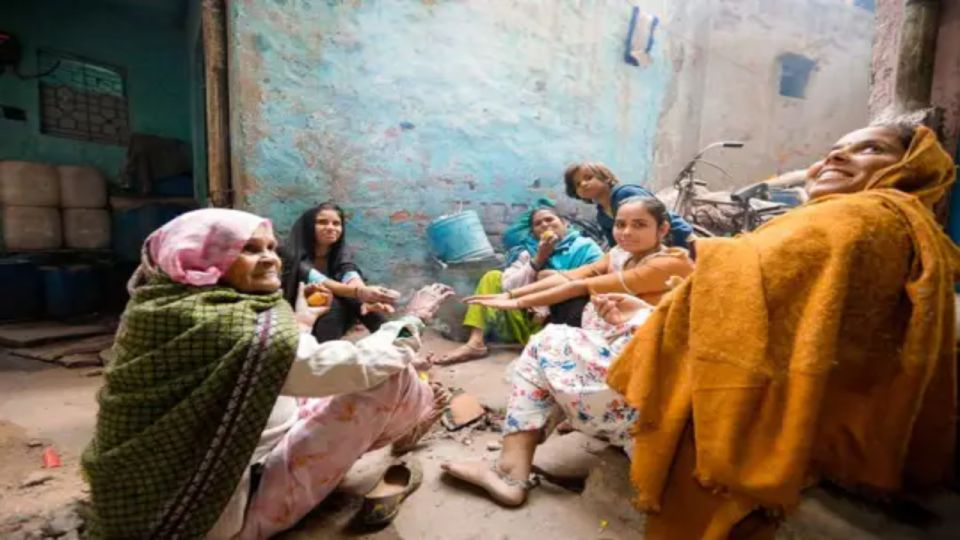
The end of the walk is chai tea. This isn’t just a snack stop. The description includes a final moment where you share your impressions with your guide and group.
I like this structure because it turns observation into reflection. After you’ve seen different aspects of daily work—market life, home-based industries, and production—you get a chance to ask questions and connect the dots. The tour becomes less like a one-way street of information and more like a conversation.
And since chai is included, it helps you avoid the common problem of tours that demand you buy something at the end just to feel complete. Just note the limits: food and drinks are not included, other than the tea during the tour. So if you’re the type who needs a proper meal afterward, plan something outside the experience.
Price and value: what $13 buys in real terms
At $13 per person for about 2 hours, this tour is priced like an introduction, not a luxury experience. And for that price, you’re getting several practical inclusions:
- An English-speaking local guide
- Chai during the tour
- Local transportation (so you’re not stuck navigating alone)
- A small group capped at 10 participants
That combination matters more than the headline cost. You’re essentially paying to learn context in a place you might not feel comfortable exploring on your own. In many cities, a guide plus transport for just two hours would cost more than this. Here, the cost stays low, which makes it accessible.
The caution is that the experience is still “walking tour” territory, not a cushy indoor program. You’ll want to come with the right expectations: respectful observation, basic comfort, and a willingness to handle the reality of a working community.
What to wear, how to prepare, and how to stay respectful

Since this is a two-hour walk, I’d prioritize basics: wear comfortable shoes and dress for street conditions. You’ll likely be on uneven ground at times because you’re moving through home-and-work areas, not flat tourist boulevards.
Also, keep your mindset steady. This tour is about daily life and livelihoods, so your behavior matters. The most positive feedback highlights that it’s done in a respectful way, and that locals are happy with the educational focus. You can support that vibe by staying mindful, keeping questions thoughtful, and avoiding disruptive phone filming.
One more practical thing: the tour description includes that it can have local transport as part of the day. That means you might not be walking the entire time in one continuous stretch, but you should still assume walking and plan accordingly.
Is it worth booking for you?
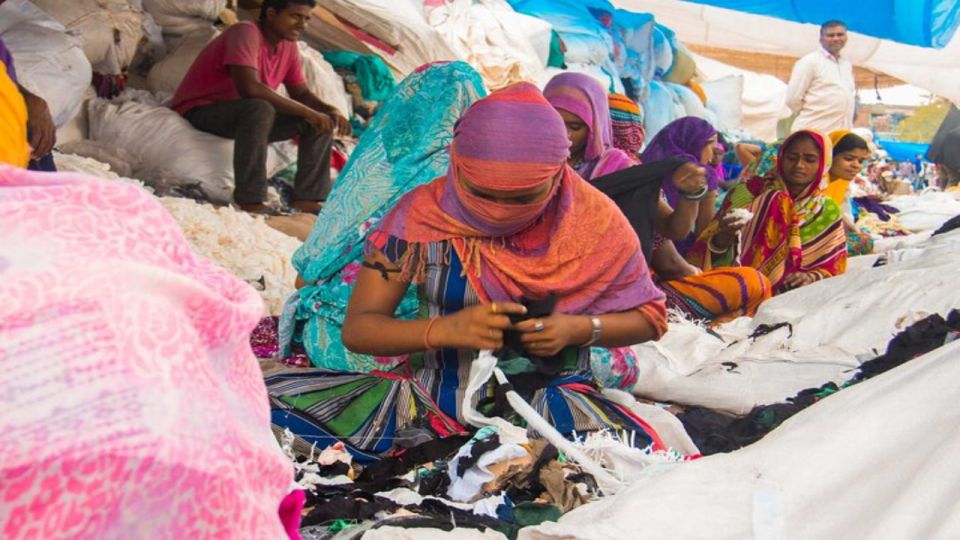
This Delhi slum walking tour is a good fit if you want to understand how everyday work functions in New Delhi. I’d especially recommend it if you like visits that connect to livelihoods—small industries, a chicken market, and chapati production—plus a guided explanation that keeps things respectful.
It’s also a smart choice if you want a short cultural experience. Two hours is long enough to see multiple stops, but short enough to keep your day flexible.
I’d think twice if you want a traditional sightseeing feel, quiet attractions, or a tour focused mainly on landmarks. This is intentionally about real neighborhood life, including market activity, and that can be intense. If your ideal travel day is low-sensory and high-comfort, you might end up frustrated.
Finally, keep an eye on timing. The start is at Moti Nagar metro station, so you’ll want to arrive on time and double-check for schedule changes the same day.
Should you book this Delhi Slum Walking Tour?
If you’re looking for a low-cost, guided, small-group walk that teaches through real-life work, I think it’s worth booking. The strongest pull is the mix of stops—chicken market income and 8,000+ chapatis made daily—plus the guided wrap-up with chai and conversation. The best feedback also stresses that the tour is respectful and educational.
If you want to reduce risk on your end, plan it as a flexible activity: confirm the status close to departure and be ready for the walk format. At $13, this is the kind of experience that can be either a thoughtful highlight or a mismatch—so choose it if your travel style includes asking questions and observing with respect.
FAQ
Where does the Delhi slum walking tour start?
The tour starts at Moti Nagar metro station.
How long is the tour?
The duration is 2 hours.
How much does it cost?
It costs $13 per person.
What is included in the price?
Included are an English-speaking local guide, chai during the tour, and local transportation.
What is not included?
Food and drinks are not included.
Is the tour small group?
Yes, it’s limited to 10 participants.
What language is the tour in?
The tour is English.
Does the tour include a chicken market stop?
Yes, you’ll walk through the chicken market.
Does the tour visit a chapati factory?
Yes. You’ll visit a chapati factory, where more than 8,000 chapatis are made and delivered daily.
What are the cancellation and booking options?
You can cancel up to 24 hours in advance for a full refund. You can also use reserve now & pay later to keep travel plans flexible.