REVIEW · NEW DELHI
From Delhi : 6 Days Delhi, Jaipur, Agra & Ranthambore By Car
Book on Viator →Operated by ZAARA TRAVELS · Bookable on Viator
A good safari and a first-class route beat DIY stress. This 6-day private tour links Delhi, Agra, Jaipur, and Ranthambore with a climate-controlled chauffeur and private guides in each city. You get the big-ticket sights, plus practical timing so you can focus on seeing, not figuring out transport. The Old Delhi tuk-tuk ride through Chandni Chowk is a fun, sensory start, and the Taj Mahal and fort stops come with a guide who helps you see what you’re looking at.
The one drawback to consider is that it packs a lot into a short span, so you’ll want to keep your energy steady and accept that some site entry times can hinge on daylight and local conditions.
In This Review
- Key highlights worth your attention
- A fast, practical take on the Delhi–Jaipur–Agra–Ranthambore route
- Starting in Delhi: Old Delhi first, then the grand monuments
- Chandni Chowk and the spice-market sensory hit
- Jama Masjid: big scale, clear layout
- Red Fort and the transition to Delhi’s iconic axis
- Delhi landmarks you can actually enjoy (instead of just tick off)
- Gurudwara Bangla Sahib and the calmer break
- Humayun’s Tomb vs Akshardham Temple: a useful choice
- Qutb Minar and Lotus Temple: two styles, one day
- Optional Raj Ghat and a clean ending
- Agra: Taj Mahal timing and the fort duo
- Taj Mahal: when your guide matters
- Agra Fort: more than a backdrop
- Itmad-ud-Daula: the smaller-scale favorite
- Ranthambore National Park: plan for the long day and the two-drive rhythm
- What the included safari day likely feels like
- Jaipur: Hawa Mahal, forts, and the big skyline views
- Hawa Mahal: quick stop, great angles
- Jantar Mantar: the science of lines and shadows
- Amber Fort: the long-ish walk and viewpoint reward
- Jal Mahal and the pause
- City Palace: where the royal city still shows
- Guides and drivers: the quiet secret behind a good tour
- Hotels and tickets: how to choose the right upgrade for your style
- Price and value: what you’re paying for
- Who this tour fits best
- Should you book this Delhi, Jaipur, Agra and Ranthambore tour by car?
- FAQ
- What time is pickup in Delhi?
- Is this tour private or shared?
- How long is the tour?
- Does the tour include an air-conditioned car and chauffeur?
- Are tickets to monuments included?
- What hotel options are available?
- What is included for the Ranthambore tiger safari?
- Can I cancel for a full refund?
Key highlights worth your attention

- Private chauffeur + AC car for comfortable intercity travel without the hassle of planning
- Two tiger safari drives in Ranthambore National Park, scheduled for morning and evening viewing
- Private live guides in each city, including photo help that can make monuments easier to enjoy
- Hotel upgrade option (3- or 4-star) with breakfast or entry tickets, if you want it
- Flexible pacing, including your Delhi pickup window (8 AM to 10 AM) and choice of start time
- Optional attraction tickets through the entrance-fee upgrade, since some monuments aren’t included by default
A fast, practical take on the Delhi–Jaipur–Agra–Ranthambore route
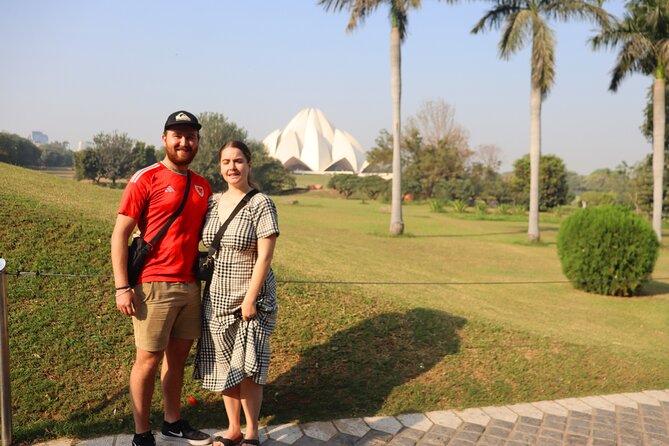
This is the kind of trip that makes sense if you want India’s highlights without constantly renegotiating plans. You choose your pickup time in the morning range (8 AM to 10 AM) from Delhi/NCR areas like Noida, Gurugram, Ghaziabad, or Faridabad, then you’re carried between cities in a chauffeured air-conditioned private vehicle.
For me, the value comes from reducing friction. You’re not bouncing between apps, taxis, or ticket lines all day. You also get a real guide, not just someone with a map. Reviews attached to this experience repeatedly point to guides like Faizan, Malik, Kam, and Krishan being flexible and professional, plus one mention of a guide helping with great photo opportunities, which matters more than people think when you’re trying to capture places you’ll only see once.
The schedule is busy, but it’s organized. Most stops are built around a visit-with-explanation flow: see the site, walk the grounds, then move on in time for the next one.
You can also read our reviews of more tours and experiences in New Delhi



Starting in Delhi: Old Delhi first, then the grand monuments
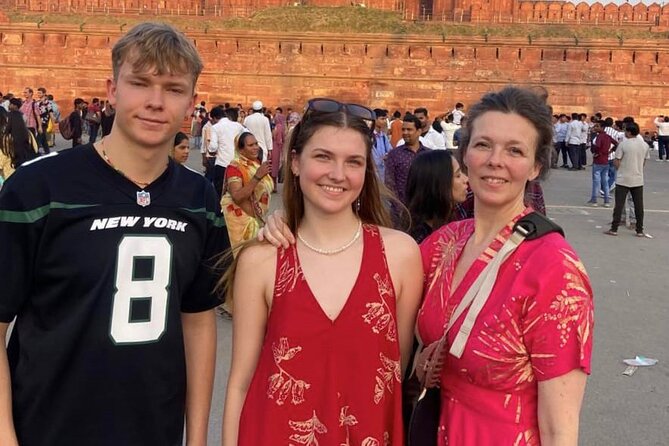
Delhi can feel intense. Doing Old Delhi on day one helps you acclimate. You meet your guide at Sunheri Masjid and ride through Chandni Chowk by tuk-tuk. That short change of pace is smart: it slows you down just enough to notice the crowd energy, the colors, and the small details you’d miss if you were locked in a car the entire time.
Chandni Chowk and the spice-market sensory hit
You start with the tuk-tuk ride past colorful bazaars, then you stop to explore. You’ll also visit the spice market, where the whole point is smell and variety. Even if you don’t buy anything, this is one of those stops that helps you understand that food, trade, and daily life are tied together here.
A practical note: markets mean walking and crowding. Wear comfortable shoes and keep your phone secured. This is one of the few segments where you’ll feel the city’s pace.
Jama Masjid: big scale, clear layout
Next is Jama Masjid, India’s largest mosque, with a courtyard made of red sandstone. It was built in 1656 and the courtyard is a good place to slow down. You spend about an hour here, which is enough to walk around and get oriented.
If you’re planning photos, aim for wide angles. The courtyard and the scale are what make this mosque stand out.
Red Fort and the transition to Delhi’s iconic axis
After Old Delhi, you get a stop at the Red Fort (about one hour). It’s associated with Mughal power and architecture, with construction linked to Shah Jahan in the 1600s. Even when you don’t go deep into museum rooms, the fort’s structure helps you understand why so many later monuments echo similar design choices.
Then the tour shifts to the more open, monumental zone: India Gate, Parliament area drives, and the President’s House area for photo stops. These segments are shorter (often 15 minutes), but they’re useful for understanding how Delhi’s present-day government landscape sits over layers of the past.






Delhi landmarks you can actually enjoy (instead of just tick off)
This tour uses a good mix of walk time and driving time. That matters in a city where traffic can eat your day.
Gurudwara Bangla Sahib and the calmer break
You’ll stop at Gurudwara Bangla Sahib, said to be linked to the story of water used during epidemics. It’s shorter (around 30 minutes), but it works well as a calmer reset between heavier sightseeing blocks.
If you want a quick mental break, this is it. It’s also a spot where people tend to behave more quietly than in markets.
Humayun’s Tomb vs Akshardham Temple: a useful choice
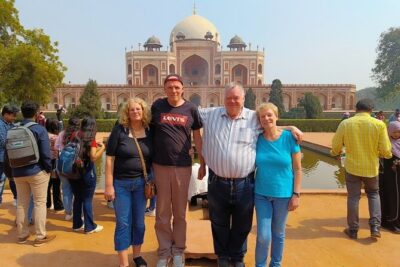
You get to choose between visiting Humayun’s Tomb (UNESCO World Heritage) or heading to Swaminarayan Akshardham. Humayun’s Tomb is about the garden-tomb concept and the first garden tomb in India, while Akshardham is a large temple complex.
You’re not stuck with only one option here, which is helpful if you’re sensitive to crowds, timing, or just want a different mood from the Mughal route.
Qutb Minar and Lotus Temple: two styles, one day
The tour also includes Qutb Minar (a UNESCO site with a very tall minaret) and Lotus Temple, the Bahá’í House of Worship known for its lotus-like shape. You’ll typically have about 45 minutes at Qutb Minar and around an hour at Lotus Temple.
These stops are great because they don’t require you to be a history buff to enjoy them. You can focus on shapes, scale, and how the space feels.
Optional Raj Ghat and a clean ending
There’s an optional stop at Raj Ghat, a memorial dedicated to Mahatma Gandhi. After your Delhi sightseeing day, you end with a complimentary drop-off anywhere in Delhi/NCR areas like Noida, Gurugram, Ghaziabad, or Faridabad.
That final drop-off is underrated. Long tours often dump you back somewhere inconvenient. Here, the goal is to keep your evening simple.
Agra: Taj Mahal timing and the fort duo
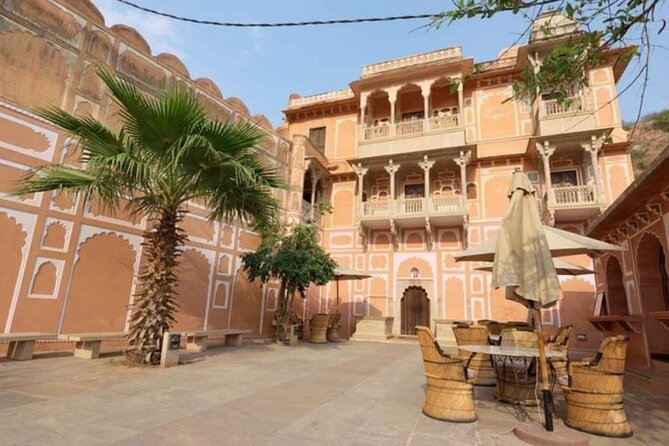
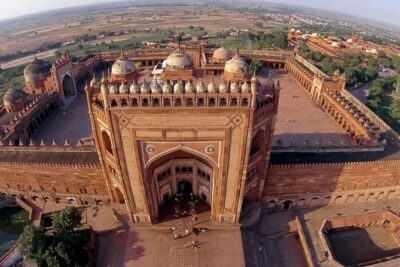
Agra is where the tour shifts from city walking to a classic monument run. The plan includes Taj Mahal, Agra Fort, and Itmad-ud-Daula, sometimes called the Baby Taj.
Taj Mahal: when your guide matters
You get about two hours at the Taj Mahal. The experience works best when someone helps you read the building: symmetry, layout, and the way viewing angles change as you move.
One review detail I’d file away for your expectations: when a sunrise visit was too foggy to see well, the guide adjusted and took guests back later once visibility cleared. That’s a smart reminder that the Taj can be affected by morning weather, and a good guide will adapt instead of just sticking to a rigid script.
Agra Fort: more than a backdrop
You’ll also see Agra Fort for about one hour. It’s a historical Mughal fort associated with figures like Humayun. This stop is valuable because it balances Taj Mahal’s romantic focus with a tougher, more political setting.
Itmad-ud-Daula: the smaller-scale favorite
Finally, Itmad-ud-Daula gets about one hour. Many people love it because it’s smaller and feels more intimate than the main showpiece. Even if you don’t go inside every room, the exterior details are worth the stop.
Ranthambore National Park: plan for the long day and the two-drive rhythm
Ranthambore is the reason this itinerary stands out. It’s built around tiger safaris with two viewing drives—one in the morning and one in the evening—plus a full safari-day block of about 8 hours.
A quick reality check: tiger sightings aren’t guaranteed, even with good planning. Still, this format is the right one because wildlife behavior shifts across the day. The morning drive is often about activity and fresh movement; evening viewing can catch different behavior too.
What the included safari day likely feels like
Expect an early, packed-feeling outing. You’ll be in the park enough to feel like you’re actually there, not just driving past signs. The tour includes the Ranthambhore Tigers Safari ticket, so you avoid scrambling for entry.
Also, because this is a private tour, you’re not tied to a huge rotating crowd in the same way as group-only excursions. That can help with timing and comfort, even if the park itself determines access and jeep availability.
Jaipur: Hawa Mahal, forts, and the big skyline views
Jaipur comes after Ranthambore, so you’ll likely feel the change from wild-country driving to a city of architecture and viewpoints. This itinerary hits the classic Rajasthan highlights without ignoring the practical side.
Hawa Mahal: quick stop, great angles
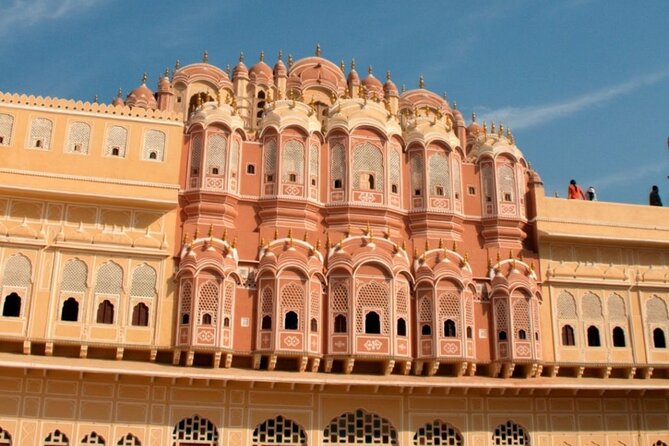
You’ll visit Hawa Mahal (about 30 minutes). Built from red and pink sandstone along the City Palace edge, it’s famous for the facade and window design. This is a quick photo-and-look stop, not a long museum-style visit.
If you like architecture, you’ll enjoy how the building changes as you move. Try to take a few steps around the viewpoints.
Jantar Mantar: the science of lines and shadows
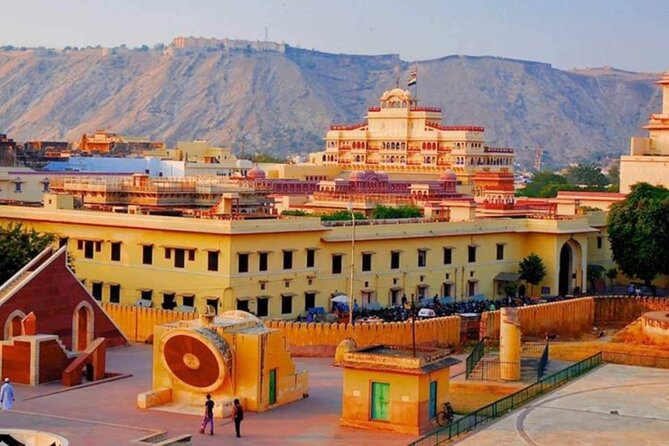
Next is Jantar Mantar (about one hour), a set of astronomical instruments designed by Sawai Jai Singh. You’ll see why these structures are considered part engineering, part observation tools.
The best way to enjoy this is to keep your eyes on how instruments are aligned. Even if you don’t understand every mechanism, the scale and precision make it satisfying.
Amber Fort: the long-ish walk and viewpoint reward
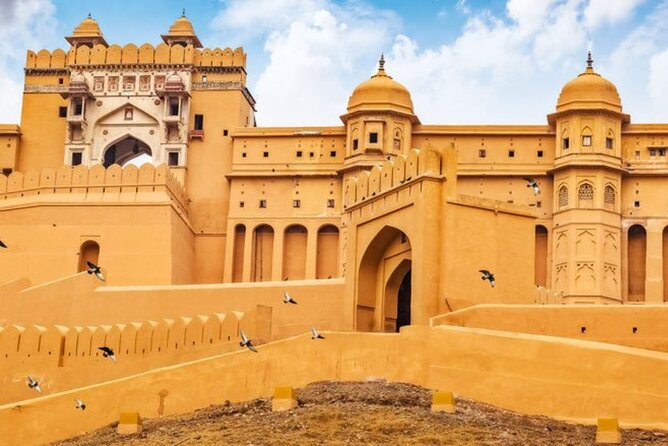
Then you go to Amber Fort for about two hours. This is a main attraction, so give it your full attention. Amber’s hilltop setting is where the fort makes its case. You’ll get views over the surrounding area and a strong sense of the defensive and royal design.
If you’ve had a long day already, it’s still worth it. The fort is the kind of stop that changes how you read Jaipur once you’ve seen it.
Jal Mahal and the pause
You also stop at Jal Mahal (about 20 minutes). It’s the Water Palace, sitting in the Man Sagar Lake. This is a quick pause point, good for photos and a short rest before the next walk.
City Palace: where the royal city still shows
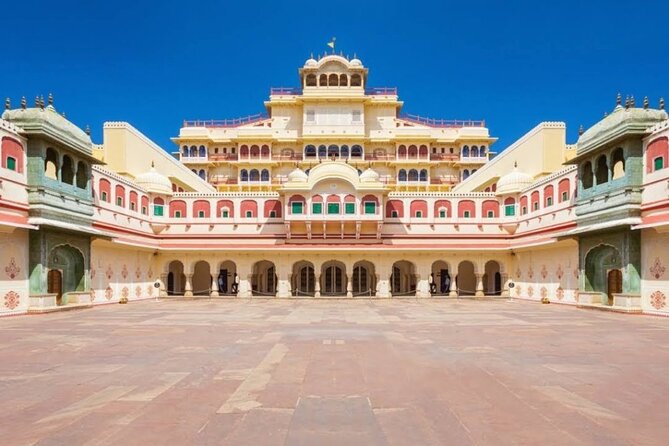
Finally, you’ll visit City Palace (about one hour). It’s a royal residence and former administrative headquarters. This stop helps connect Jaipur’s architecture to how the city was organized.
Guides and drivers: the quiet secret behind a good tour
A private tour lives or dies on the people doing the guiding. This experience includes private live tour guides in each city and a chauffeur who drives a climate-controlled private vehicle. Reviews tied to this tour name several guides, and the common theme is that they’re more than script-readers.
Examples from the provided feedback include:
- Faizan being helpful at the Taj Mahal and Agra Fort with strong photo guidance.
- Malik adjusting a Taj schedule when fog made sunrise sightlines weak.
- Kam and Krishan leading Jaipur with friendly, flexible explanations.
You also get complimentary water bottles and umbrellas, which sounds small until you hit real heat or a sudden shower. On this route, that kind of comfort can prevent “small annoyance” from turning into “I’m done for the day.”
Hotels and tickets: how to choose the right upgrade for your style
One useful flexibility point: you can upgrade to include 3- or 4-star hotels with breakfast or entry tickets, depending on your option.
Here’s how I’d think about it:
- If you want fewer decisions, choose the package that includes hotel and breakfast so mornings are simpler.
- If you like control and already have a feel for which attractions you want, you might skip the entrance-fee add-on and plan those tickets separately.
Your itinerary has stops marked as free and others marked as not included by default. For example, Taj Mahal and fort interiors are listed as not included unless you choose the entrance-fee option. So it’s worth checking what’s bundled in the option you pick, especially if you care about avoiding ticket lines.
Price and value: what you’re paying for
The price is $262.80 per person, and it’s commonly booked about 5 days in advance. That price lands in the range where you should ask: what am I really buying?
You’re paying for:
- Private AC chauffeur transport between major cities (Delhi to Agra to Jaipur to Ranthambore)
- Private guides who explain what you’re seeing in each city
- Included logistics like parking, tolls, fuel, and taxes
- Optional hotel and entrance fees depending on the upgrade you choose
- Comfort support like water bottles and umbrellas
If you were to DIY this route, you’d spend your time managing transport, ticket timing, and guide sourcing. This tour tries to take that mental workload away. And based on the guide names and flexibility notes in the feedback you shared, the human support is a big part of why the satisfaction score is so high.
Who this tour fits best
This is a strong choice if you:
- Want a private route with a driver so you don’t wrestle with buses, transfers, or navigation
- Like seeing top sights but still want an explanation (so the trip feels coherent)
- Prefer having the schedule held together while still getting some flexibility
- Plan to spend time outdoors in Ranthambore and accept that wildlife viewing is part chance
It might be less ideal if you want lots of unstructured free time. The itinerary is packed, and you’re expected to move between major sights over several days.
Should you book this Delhi, Jaipur, Agra and Ranthambore tour by car?
I’d book it if your priority is comfort, clear guidance, and a route that connects Delhi’s monuments with Agra’s icons, then finishes with Ranthambore’s tiger safari. The best reason is the combination: private chauffeur + private guides + two safari-drive planning. That mix turns a huge geographic loop into a manageable trip.
If you’re booking with a tight budget, double-check which attractions are included in your chosen option, since some major sites list entry as not included by default. Also, if you’re sensitive to packed schedules, consider adding more rest time on the days with the most walking.
If that sounds like your travel style, this is a solid way to see a lot of India without feeling like you’re constantly running the show.
FAQ
What time is pickup in Delhi?
Pickup is available from anywhere in Delhi, Noida, Gurugram, Ghaziabad, or Faridabad. You can choose any pickup time between 8 AM and 10 AM.
Is this tour private or shared?
This is a private tour/activity, so only your group participates.
How long is the tour?
The duration is about 6 days 6 hours (approx.).
Does the tour include an air-conditioned car and chauffeur?
Yes. It includes sightseeing by private air-conditioned car with a chauffeur.
Are tickets to monuments included?
Tickets are included if you choose the option that includes entrance fees. Some stops are marked free, while others are listed as admission not included unless you add the entrance-fee upgrade.
What hotel options are available?
You can upgrade to include 3- or 4-star hotels with breakfast or entry tickets, depending on the option you select.
What is included for the Ranthambore tiger safari?
The tour includes the Ranthambhore Tigers Safari ticket (and the experience highlights mention tiger drives in the morning and evening).
Can I cancel for a full refund?
Yes. Free cancellation is available. You can cancel up to 24 hours in advance for a full refund; cancellations within 24 hours are not refunded.