REVIEW · NEW DELHI
Delhi: 6-Day Golden Triangle Delhi, Agra, and Jaipur Tour
Book on GetYourGuide →Operated by Chaman Duggal Private Tours · Bookable on GetYourGuide
Sunrise at the Taj feels unreal. This 6-day Golden Triangle trip strings together Delhi street life, Agra landmarks, and Jaipur forts with an English-speaking guide in each city and an A/C driver keeping things moving. You’ll also get day-to-day support from the company team (including Sonu in many bookings), and many groups rave about drivers like Ajay Singh and Bobby.
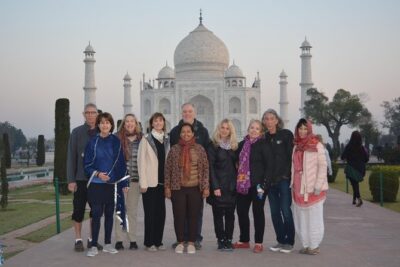
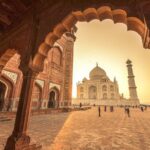
I especially love the sunrise Taj Mahal plan. You’re not just ticking off a postcard—you’re timing your visit to catch the marble in softer light, then pairing it with stops like Agra Fort and even the Baby Taj to build the story of the place. Another thing I like: Delhi’s Old City by rickshaw, where the route through Chandni Chowk leads straight into places like Kinnari Bazaar and Parantha Wali Gali for a very real start to India’s food and shopping culture.
One consideration: monument entrance fees and camera charges are not included, so you’ll want to budget extra cash for tickets on site (and keep an eye on any add-ons at each monument). If you hate surprise costs, this part needs a little planning.
In This Review
- Key highlights from this Golden Triangle week
- Day 1 in Delhi: airport pickup and a low-stress first night
- Delhi City Tour: India Gate to Qutub Minar, then Chandni Chowk on wheels
- Agra day: Baby Taj and Agra Fort before the big Taj moment
- Sunrise Taj Mahal on Day 4: timing, then stepping into Fatehpur Sikri
- Jaipur City Tour: Amber Fort and the palaces that explain a kingdom
- Transportation and guides: why this tour feels calmer than DIY
- What you actually pay for: entrance fees, camera charges, and daily cash
- Packing and etiquette: shorts are a no, and mosques want respect
- Who this Golden Triangle tour fits best
- Should you book this Delhi–Agra–Jaipur Golden Triangle tour?
- FAQ
- What cities are included in this 6-day Golden Triangle tour?
- Do I need a passport or ID card?
- Are monument entrance fees included?
- What about meals?
- Is there a guide, and is it English-speaking?
- Is this a private group tour?
- What transport will I use?
- Is pickup included?
- Is the Taj Mahal always open?
- Are there any clothing rules?
Key highlights from this Golden Triangle week
- Sunrise Taj Mahal timing that helps you beat the worst crowds and get better light for photos
- Delhi by rickshaw through Chandni Chowk, with built-in market time like Kinnari Bazaar and Parantha Wali Gali
- Agra Fort + Baby Taj giving you context before and after the main Taj visit
- Fatehpur Sikri and Chand Baori on the Agra-to-Jaipur day, so the drive has real history instead of dead time
- Jaipur’s big 18th-century sights: Amber Fort, Hawa Mahal, City Palace, and the Jantar Mantar observatory
- Support from drivers and local guides (many groups specifically praise drivers like Ajay Singh, Mantun, and Bobby)
Day 1 in Delhi: airport pickup and a low-stress first night
Day 1 is the reset button. You’re picked up from Delhi Airport (or your starting hotel on the first day), then transferred to your Delhi hotel so you can settle before sightseeing starts. It’s a smart start because Golden Triangle days run early and long, and jet lag is a real thing.
Your hotel choice can vary by package level. Some people book 3-star stays like Inn Tawang, Sunstar Grand, Suncourt Yaytri or similar; higher options mentioned include Radisson Blu Dwarka (4-star) and ITC Welcome Dwarka or Radisson Blu (5-star). Either way, the point is the same: you get a real base near enough to move quickly the next morning.
You can also read our reviews of more tours and experiences in New Delhi



Delhi City Tour: India Gate to Qutub Minar, then Chandni Chowk on wheels
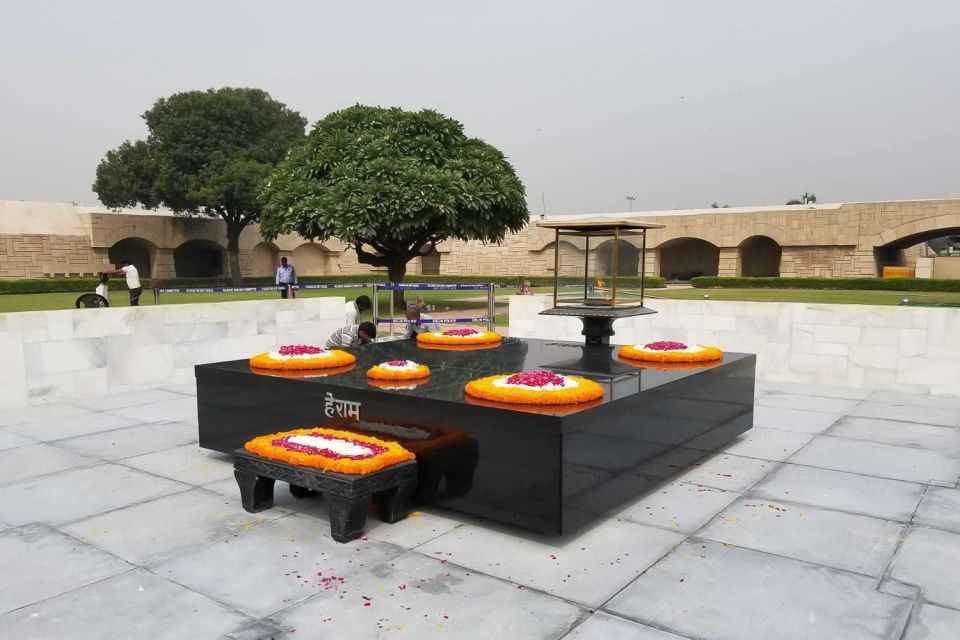
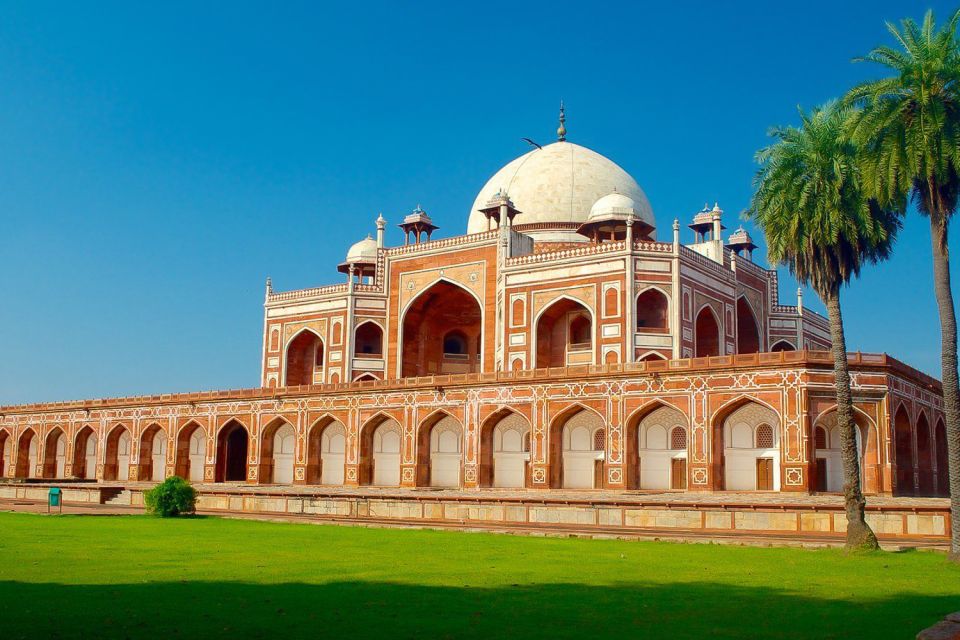
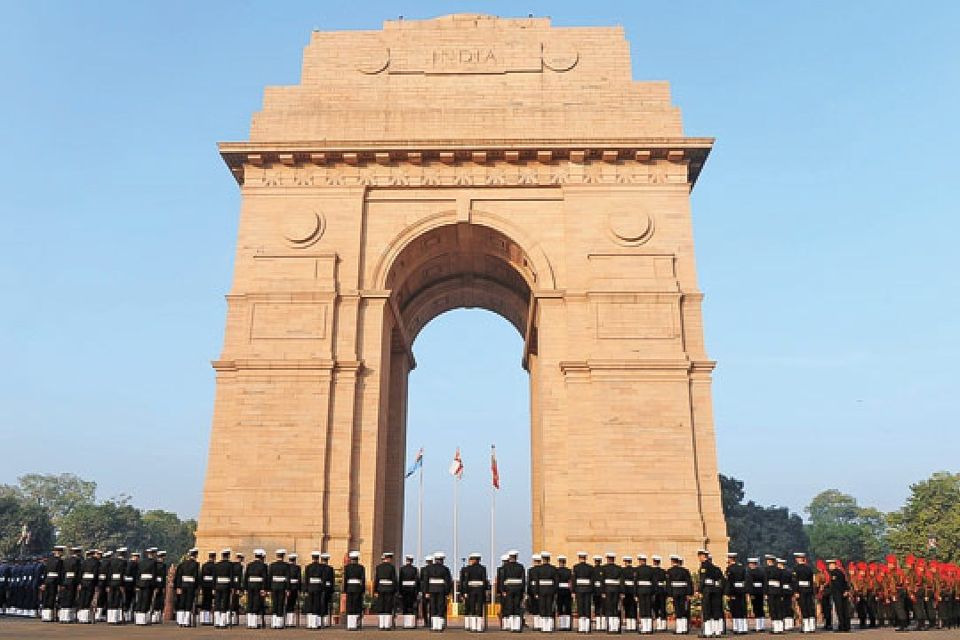
Delhi day is packed, but it’s also well-shaped. You start with major landmarks that explain how the city layers different eras—India Gate, President House, Parliament House, and then tomb-and-mosque history with Humayun’s Tomb and Jama Masjid. Qutub Minar and the Lotus Temple add even more contrast in architecture and mood.
Then comes my favorite kind of travel moment: going where locals go. You take a rickshaw ride through Chandni Chowk, a classic Old Delhi corridor, and the tour builds that into time for markets like Kinnari Bazaar and a stop near Parantha Wali Gali, the well-known breakfast street. This isn’t just sightseeing. It’s how you actually feel Delhi—smells, crowds, chatter, and the fast rhythm of shopping.
The day ends with a final religious-site stop: Fateh Puri Mosque, built in the 17th century. It helps the tour land emotionally, not just visually. One practical note: you’ll want comfortable clothes and shoes that can handle a lot of walking, because the schedule does not wait for slow legs.
Agra day: Baby Taj and Agra Fort before the big Taj moment
Leaving Delhi for Agra happens after breakfast, and you’ll make two key stops before you dive fully into the Taj Mahal experience. First up is the Baby Taj Mahal. It’s a smaller-scale version of the Taj concept, but that matters. Seeing it before the main monument helps you understand what you’re about to see—and why the design is so influential.
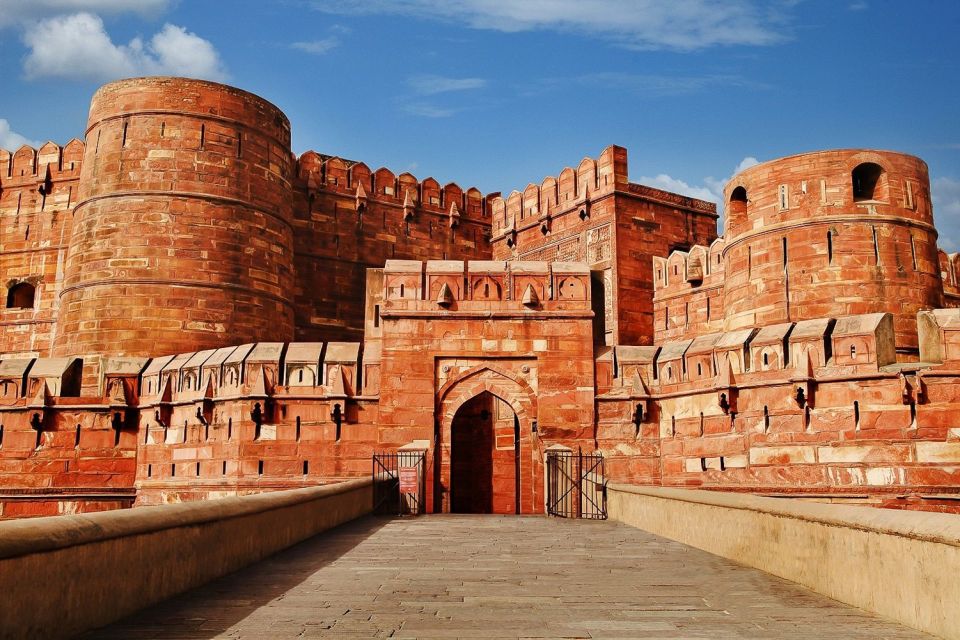
Then you get Agra Fort, a massive complex that frames the region’s power and politics. It’s not the easiest site to photograph because it’s wide and busy in parts, but it’s one of the best places to understand the “why” behind the buildings rather than just the “what.” If you want history that you can physically move through, this is it.
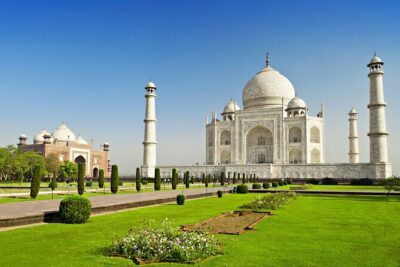
In the afternoon, you explore the grand Taj Mahal itself. Going earlier days in a multi-day setup also gives you a better chance of catching the Taj when you’re alert, not exhausted. If you’re the kind of traveler who enjoys context, this Agra pacing makes the Taj land harder.
Sunrise Taj Mahal on Day 4: timing, then stepping into Fatehpur Sikri
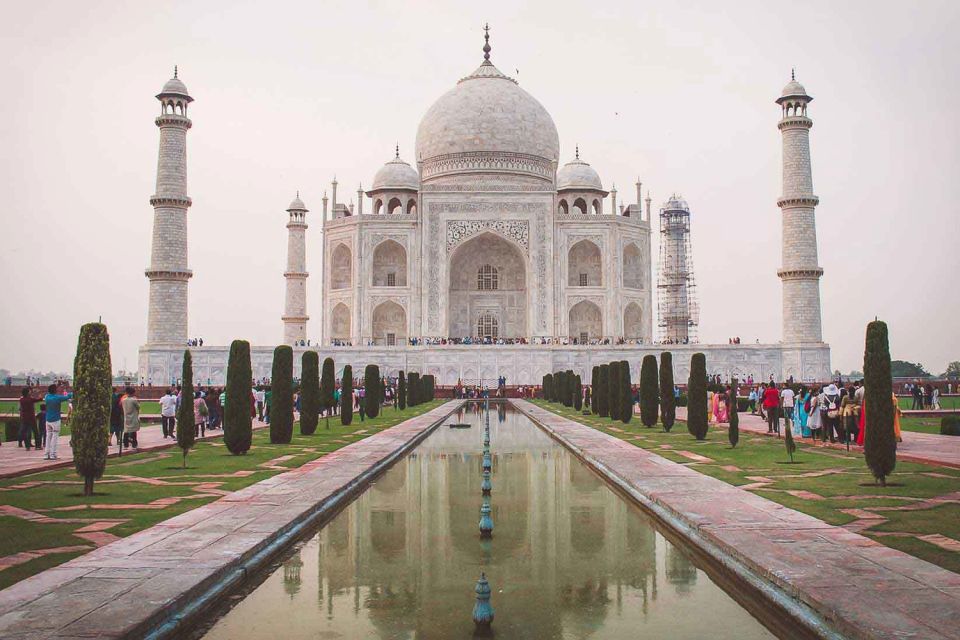
Day 4 is your early start day, and that’s for good reason. The itinerary includes sunrise over the Taj Mahal before transferring onward. Sunrise isn’t just about photos. The marble changes as the light rises, and it’s a more peaceful feeling than middle-of-the-day heat.
Important caveat: the Taj Mahal is closed on Fridays. If your dates include Friday, your sunrise plan won’t run as described, so check your travel calendar and be ready for schedule adjustments.
After you move on from Agra, you hit two “this is why I came” stops.
First is Fatehpur Sikri. This site is famous for its Mughal-era grandeur, and it works well as a break from pure palace-and-temple tourism because it’s a complex with its own layout and mood. Even if you don’t read every plaque, the scale gives you a sense of ambition.
Next comes Chand Baori Step Well. This engineering accomplishment is one of those places where your brain goes quiet: deep stepped geometry, echoing space, and a structure built for water long before modern plumbing. It’s the kind of stop that feels like a hidden workshop of the past—very different from the Taj and Fort shapes.
Jaipur City Tour: Amber Fort and the palaces that explain a kingdom
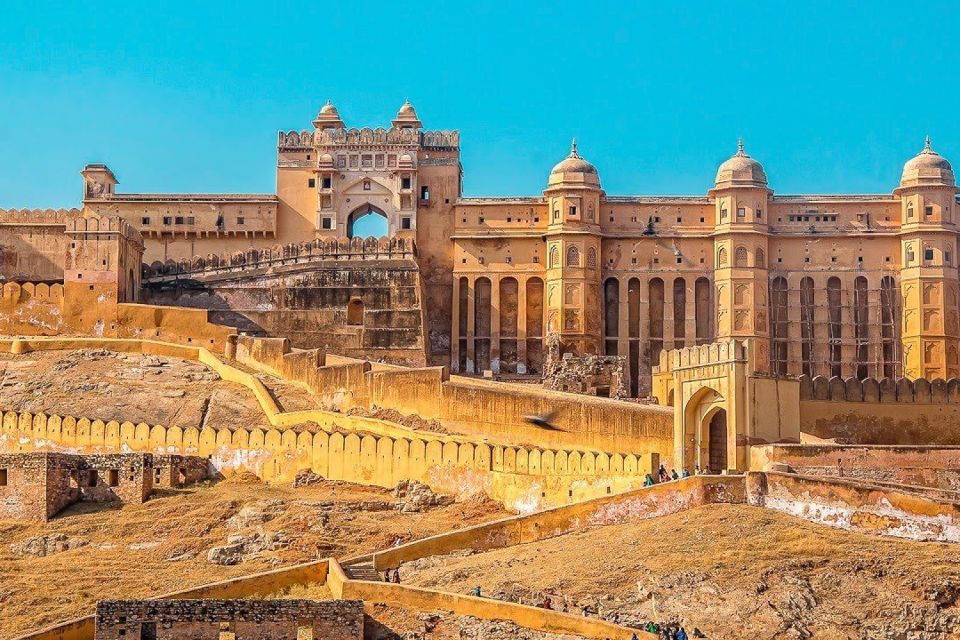
Jaipur day is the “wow” day for many people. You start with Jaipur–Amber Fort, one of the best-known forts in Rajasthan, and it earns its fame through sheer presence and the way it sits in the landscape. Plan for steady walking and stairs, but the views and fort details make it worth it.
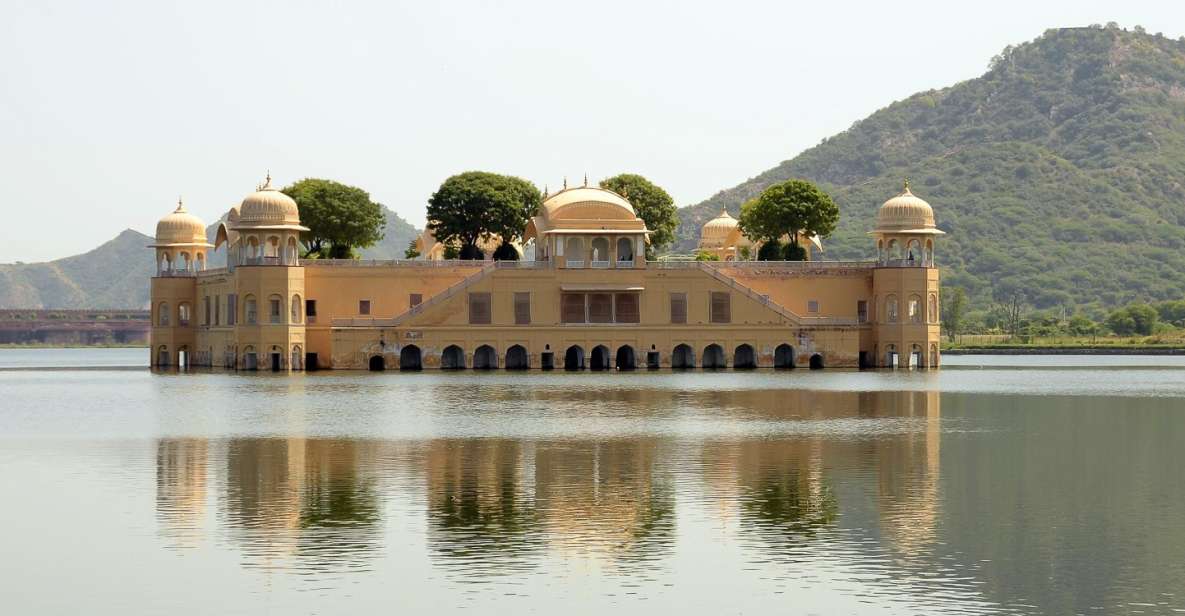
Then you visit the Water Palace. It’s a visually different stop that helps break up the fort-palace rhythm. The architecture and setting make it a nice contrast after a big fort morning.
Next come Jaipur’s iconic city-center landmarks:
- Hawa Mahal: the famous facade with many window openings. Even from the outside, it’s easy to understand why it became an icon.
- City Palace: the seat-of-power feel, with a palace layout that gives you a sense of how rulers organized daily life.
You also visit the Observatory of Jaipur (Jantar Mantar), built in the first half of the 18th century. This is where the tour shows another side of Rajasthan: science, not just forts. It helps you understand why royal courts invested in astronomy and instruments.
The day is heavy, so I like that the tour keeps it structured. You’re not wandering randomly across a huge city. You’re moving from one major idea to the next.





Transportation and guides: why this tour feels calmer than DIY
Golden Triangle trips are often stressful when you plan everything alone. The big value here is that you use an A/C car with a driver, and the schedule is stitched together day to day.
Transport is sized to your group:
- 1 to 2 people: sedan (like Swift Dezire)
- 3 to 4 people: SUV (like Maruti Ertiga or Toyota Innova)
- 5 to 10 people: a n12-seater mini van (Tempo Traveller)
That matters because traffic in these routes can be chaotic, and comfort helps. Many groups also highlight how drivers made long drives easier—especially through constant water, helpful breaks, and safe driving habits. Names that come up repeatedly include Ajay Singh, Bobby, Mantun, and Chaman, plus the on-call support style tied to Sonu.
Guides are a second major reason the trip lands well. You get live English guidance in Delhi, Agra, and Jaipur, and the guide changes by city. Many bookings also mention that local guides helped with context—religion, local life, and the meaning behind what you’re seeing—plus they’re used to taking photos in the right spots.
One small heads-up: if you strongly dislike shopping stops, set expectations early. A few experiences noted more time spent in tourist shops or commission-style locations on a first day. That doesn’t mean it’s constant every day, but it’s a real lever you can manage.
What you actually pay for: entrance fees, camera charges, and daily cash
This tour includes a lot that keeps you from juggling logistics: hotel nights, pickup and drop-off on Day 1, an A/C car with a driver, mineral water, fuel, tolls, parking, state taxes, and permit fees. You also get the live English guide in Delhi, Agra, and Jaipur.
What’s not included is equally important: monument entrance fees and camera charges, and meals. That means the real trip cost is often entrance tickets plus food on your own.
A helpful practical budgeting tip from real on-the-ground experiences: carry enough cash for site fees, and be ready for daily costs that can land around 300–700 rupees per site depending on what you enter. Exact amounts can vary, so don’t lock yourself into a single number—but do plan to have spending money accessible.
Packing and etiquette: shorts are a no, and mosques want respect
This is one of those tours where what you wear affects where you can go comfortably. Shorts are not allowed, and you’ll want respectful clothing for mosque visits. That matters on Delhi’s tour day, with stops like Jama Masjid and the Fateh Puri Mosque.
For the Taj Mahal and other major sights, also plan for the realities of India travel: sun, dust, and long walking stretches. Bring a light layer, stay hydrated, and wear shoes you can walk in for hours.
Don’t forget your ID. You’ll need a passport or ID card.
Who this Golden Triangle tour fits best
This is a strong choice if you:
- are visiting India for the first time and want structure instead of endless planning
- want English guidance through Delhi, Agra, and Jaipur rather than trying to decode everything alone
- care about getting the Taj Mahal experience with good timing (sunrise included)
- prefer a private-group feel, with a consistent driver for the full trip
It’s also a decent option for solo travelers. Multiple experiences mention feeling safe and supported, largely because the same driver stays with you across days and helps with practical decisions on the fly.
If you’re the type who hates early mornings or wants a slow travel pace with lots of downtime, this itinerary might feel intense. It’s built to see major sights in a tight window.
Should you book this Delhi–Agra–Jaipur Golden Triangle tour?
Book it if you want your first Golden Triangle trip to feel organized, guided, and low-risk. The biggest strength is the combination of English-speaking local guides in each city plus a driver-driven schedule that reduces stress while still hitting the big moments: Chandni Chowk in Delhi, Agra’s forts, Taj Mahal at sunrise, then Jaipur’s signature sights.
I’d hold off (or at least go in with open eyes) if budget surprises and site-ticket costs make you anxious, or if you’re traveling on a Friday when the Taj Mahal is closed. If you can handle early starts and you’re ready with some cash for entrances and cameras, you’ll likely love how much this week gives you.
FAQ
What cities are included in this 6-day Golden Triangle tour?
The tour covers Delhi, Agra, and Jaipur across 6 days (5 nights).
Do I need a passport or ID card?
Yes. You’ll need a passport or ID card for the trip.
Are monument entrance fees included?
No. Monument entrance fees and camera charges are not included.
What about meals?
Meals are not included. You’ll plan food on your own based on recommendations from your guide and driver.
Is there a guide, and is it English-speaking?
Yes. You’ll have a live English guide in Delhi, Agra, and Jaipur.
Is this a private group tour?
Yes. The tour is listed as a private group.
What transport will I use?
You travel in an A/C car with a driver. The vehicle depends on group size (sedan for 1–2 people, SUV for 3–4 people, and a mini van for 5–10 people).
Is pickup included?
Yes. Pickup is included from Delhi Airport or your hotel on the first day, and you’re dropped off at your hotel or the airport on the last day.
Is the Taj Mahal always open?
No. The Taj Mahal is closed on Fridays.
Are there any clothing rules?
Shorts are not allowed, and you should dress respectfully, especially for mosque visits.