REVIEW · NEW DELHI
Private 6-Day Ranthambhore Tiger Tour including Delhi, Agra and Jaipur
Book on Viator →Operated by Pacific Classic Tours India · Bookable on Viator
A tiger hunt plus UNESCO icons, in one tight plan. I like the private AC car that keeps your day moving and the two safari drives that give you more chances in Ranthambore. The main catch: you won’t have a tiger guarantee, and the Taj Mahal sunrise visit depends on clear weather.
I also like that the schedule is built to reduce hassle—pickup in Delhi/Gurugram/Noida, guided monument time, and smart transit choices like the battery bus at the Taj Mahal parking. When the guide brings local context (one guide named Mahesh Kumar has been praised for steering people smoothly through Delhi and Agra), the whole Golden Triangle part feels less like a checklist.
In This Review
- Quick Takeaways Before You Go
- Price and Value: Is $701.41 Worth It?
- Your Day-One Launch in Delhi: Tombs, Minarets, Temples, and Big Government Edges
- Humayun’s Tomb
- Qutub Minar
- Gurudwara Bangla Sahib
- India Gate and the ceremonial government zone
- Agra in Two Acts: Sunrise Taj Mahal Plus the Fortress and “Baby Taj”
- Taj Mahal at sunrise (weather dependent)
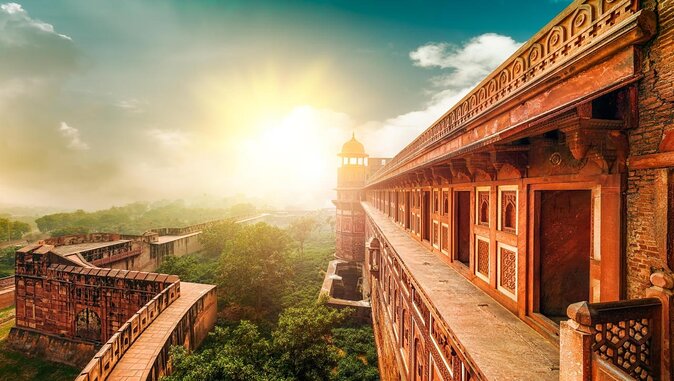
- Agra Fort
- Itmad-ud-Daula, nicknamed the Baby Taj
- Mehtab Bagh photo tour
- The Bharatpur Detour That Breaks the Usual “Temple Loop”
- Keoladeo National Park (UNESCO) by guided rickshaw ride
- Chand Baori stepwell
- Arrival at Ranthambore
- Ranthambore Safaris: How the Two Drives Change Your Odds
- Morning safari
- Afternoon safari
- What to do with the tiger-not-guaranteed reality
- Jaipur at a Good Pace: City Palace, Jantar Mantar, Birla Mandir
- City Palace of Jaipur
- Jantar Mantar Observatory (UNESCO)
- Birla Mandir Temple
- Amber Fort and the Photo-Heavy Final Day in Jaipur
- Amber Fort
- Jal Mahal photo stop
- Hawa Mahal photo stop
- Monkey Temple (Galtaji)
- The long drive back to Delhi/Gurugram/Noida
- Who This Tour Fits Best (and Who Might Want Something Else)
- What’s Included (So You Don’t Get Nickel-and-Dimed)
- Should You Book This 6-Day Private Ranthambhore + Golden Triangle Tour?
- FAQ
- How long is the tour?
- What time does the tour start, and where?
- Is the tour private?
- What’s included for Ranthambore safaris?
- Are meals included?
- Are hotels included?
- Are entrance fees included?
- Does the tour guarantee tiger sightings?
- Is the Taj Mahal sunrise visit dependent on weather?
Quick Takeaways Before You Go
- Private transport across the Golden Triangle to avoid the stress of busy public transit
- Ranthambore with two safari outings in a shared jeep/canter, led by an English-speaking naturalist
- UNESCO hits on three days: Humayun’s Tomb, Qutub Minar, Taj Mahal, Agra Fort, plus more
- A smart detour to Keoladeo (Bharatpur) and a rickshaw-style guided ride through the bird sanctuary area
- Less guessing, more doing, since your sighting stops are already timed and guided
- Weather and wildlife are the variables—not a flaw, just how India works
Price and Value: Is $701.41 Worth It?
At $701.41 per person, this tour isn’t bargain-bin travel. But it’s also not just you “getting tickets” for a few attractions. You’re paying for a full bundle: private AC vehicle for transfers, professional local guides at the major sights, entrance fees for the included monuments, and built-in safari days in Ranthambore with an English-speaking naturalist.
For value, the best comparison is time and effort. The big headache in India is coordinating transport between cities while also trying to hit key sights with the right timing (especially for the Taj). This plan removes a lot of that guesswork.
One more value point: you’re not taking a full week and hoping it all lines up. You’ve got a clear arc—Delhi → Agra (with sunrise Taj) → Ranthambore (two safaris) → Jaipur—with guided stops that keep the day from turning into “see, move on, forget.”
You can also read our reviews of more private tours in New Delhi

Your Day-One Launch in Delhi: Tombs, Minarets, Temples, and Big Government Edges
Your day starts with pickup around 9:00am from Delhi, Gurugram, or Noida (or a start at Indira Gandhi International Airport). The tour then focuses on a classic set of Delhi icons that are spread across different eras and religions, so you get variety fast.
Humayun’s Tomb
Humayun’s Tomb gives you a strong entry to Mughal architecture. It’s included with an admission ticket, and it’s timed as a first stop, which is smart. Start early enough and you’ll spend less time fighting crowds.
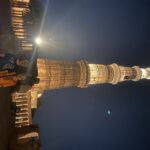
Qutub Minar
Next is Qutub Minar, another UNESCO World Heritage site. This is one of those places where the scale lands instantly—you’re looking at a towering minaret designed for visibility across the city.
Gurudwara Bangla Sahib
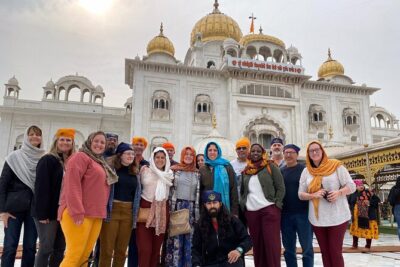
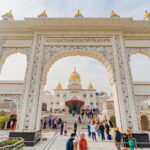
Then comes Gurudwara Bangla Sahib, the white-marble Sikh gurdwara with golden domes. It’s a nice pivot from Mughal stone to a living religious space. Admission is listed as free here, which is always a relief.
You can also read our reviews of more tours and experiences in New Delhi




India Gate and the ceremonial government zone
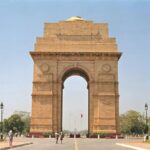
You also pass India Gate, the WWI-era memorial arch. The tour then points you toward the circular, colonnaded building associated with the 1947 transfer of power, plus Rashtrapati Bhavan viewpoints.
Consideration: Delhi sightseeing is dense on Day 1. If you hate running from stop to stop, this is still manageable because you’re doing it by private car. But you will be on your feet for a while.
Agra in Two Acts: Sunrise Taj Mahal Plus the Fortress and “Baby Taj”
Agra is where the Golden Triangle earns its reputation. The plan gives you the famous sunrise Taj Mahal and then a second wave of sights the same day.
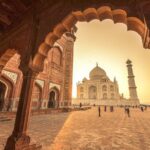
Taj Mahal at sunrise (weather dependent)
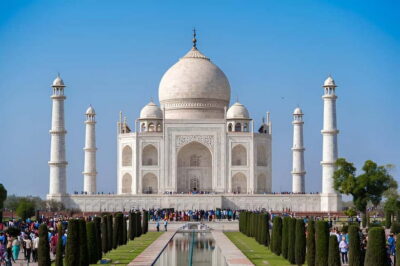
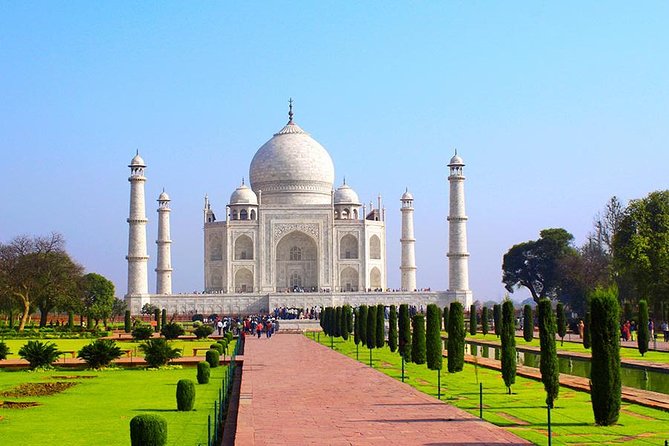
The Taj Mahal visit is set for sunrise and includes the admission ticket. The tour notes it’s subject to clear weather, which matters. Morning fog can happen, and the Taj does not look its best through a gray veil.
My practical take: if you’re the type who wants the best possible photo lighting and fewer crowds, sunrise is the right move. Just accept that weather is not under your control.
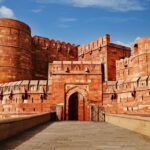
Agra Fort
After the Taj, you shift to Agra Fort, another UNESCO site along the Yamuna River. This is where you can slow down and think more than photograph—forts reward attention to layout and defensive design. It’s included with admission.
Itmad-ud-Daula, nicknamed the Baby Taj
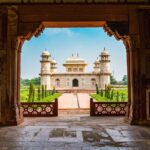
Then you get Itmad-ud-Daula, often called the Baby Taj. The tour description highlights why it’s worth your time: it may not have the Taj’s scale, but it’s “delicate” and detailed in its style. It’s included with admission and sits in the same emotional lane—Mughal craftsmanship.
Mehtab Bagh photo tour
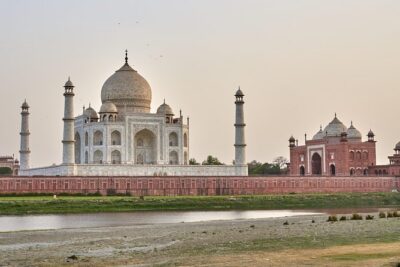
In the evening, you get a Mehtab Bagh photo tour—positioned as a moonlit garden vantage point for viewing the Taj from across the river area. Even if you’re not chasing night photos, this stop helps break up the day’s heavy Mughal focus.
Small trade-off: Day 2 is a full load after a sunrise start. Comfortable shoes and water planning matter.
The Bharatpur Detour That Breaks the Usual “Temple Loop”
Day 3 adds a refreshing change: wildlife and birds before you reach tiger country.
Keoladeo National Park (UNESCO) by guided rickshaw ride
You stop in Bharatpur’s Keoladeo Ghana bird sanctuary, a UNESCO World Heritage site. The tour’s guide time includes a rickshaw (tricycle) style guided tour. This is a smart way to cover ground without turning it into a long, exhausting trek.
Chand Baori stepwell
Next is Chand Baori, a deep stepwell (about 20 meters) that was used for collecting water and escaping heat. It’s one of those visual stops that feels like a time machine: a giant geometric descent you can’t easily forget.
Arrival at Ranthambore
In the evening, you arrive at Ranthambore Tiger Reserve, a former royal hunting ground. The tour emphasizes that Ranthambore is known for high tiger density and that tigers, plus leopards, share the habitat.
Consideration: the Day 3 experience is split: nature stops plus travel time, then an evening arrival. It’s not designed for deep rest. If you need lots of downtime, plan to be flexible.
Ranthambore Safaris: How the Two Drives Change Your Odds
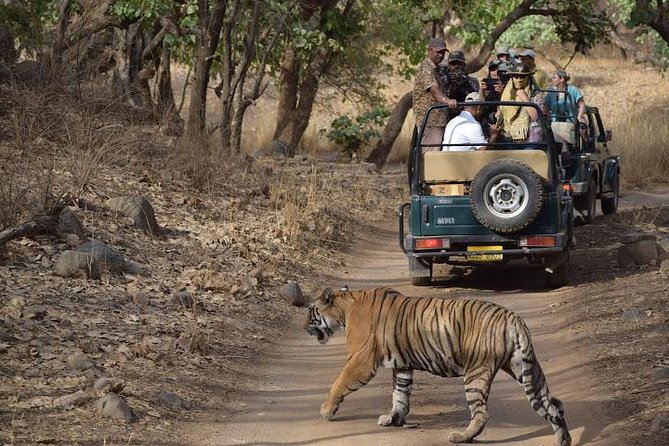
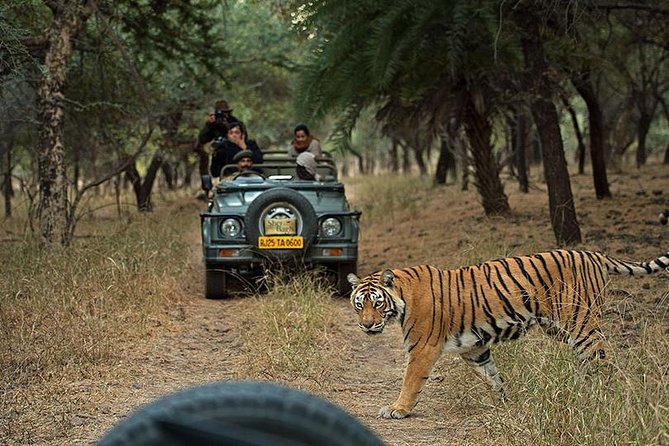
Ranthambore is the reason many people book this trip. The tour runs two safaris—a morning drive and an afternoon drive—both in shared jeep/canter.
Morning safari
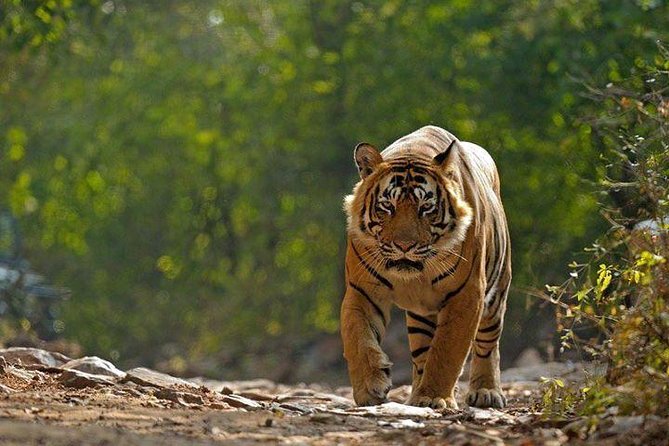
The morning safari is where you’ll feel the “tiger pressure.” You’re in the park for about 3 hours, searching for royal Bengal tigers. The tour also notes you’ll have help from an English-speaking naturalist. That naturalist piece matters because it can turn random scanning into better spotting—watching for signs, reading movement patterns, and understanding how the landscape affects visibility.
Afternoon safari
The second safari in the afternoon gives you a second chance with different light and different animal behavior. You’re also told you’ll see lakes and ruins inside the park, which is useful even on a tiger-light day.
What to do with the tiger-not-guaranteed reality
This trip explicitly says tiger sightings are not guaranteed. That’s not a marketing cop-out—it’s honest ecology. Even with the “world’s best chance” reputation, tigers are still wild animals that control their own schedule.
My advice: treat safari day as a wildlife day, not a ticket to a guaranteed animal photo. If you’re flexible—ready for birds, deer, maybe leopard sightings, and the sheer drama of being in tiger country—you’ll enjoy it more even when the tiger stays out of sight.
Jaipur at a Good Pace: City Palace, Jantar Mantar, Birla Mandir
Day 5 shifts gears. You leave Ranthambore after breakfast and drive about 3 hours to Jaipur.
City Palace of Jaipur
The highlight here is the City Palace, described as the royal family residence—courtyards, gardens, and buildings across eras (including early 20th-century structures). It’s included with admission.
Jantar Mantar Observatory (UNESCO)
Next is Jantar Mantar, a UNESCO site with geometric structures built to track stars and planets. It’s not just “old stuff.” It’s a working-style approach to astronomy, expressed as giant instruments you can walk around.
Birla Mandir Temple
You finish with Birla Mandir, a white marble Birla temple. Admission is listed as free, and the tour description focuses on intricate latticework.
Consideration: Jaipur sightseeing is compact on Day 5, so don’t plan anything too ambitious for evenings unless your hotel is close.
Amber Fort and the Photo-Heavy Final Day in Jaipur
On Day 6 you get your classic Jaipur finale: forts, viewpoints, and a monkey temple.
Amber Fort
You visit Amber Fort, a major Rajput architecture stop. It’s included with admission. The tour also notes something practical: elephant/jeep rides at Amber Fort are not included, so if you want to ride up, you’ll need to arrange it separately.
Jal Mahal photo stop
You stop at Jal Mahal (Water Palace) near Man Sagar. This is a short photo stop, and it’s not listed with admission.
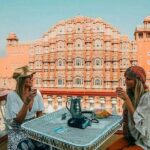
Hawa Mahal photo stop
Then comes Hawa Mahal, the Palace of Wind. Again, it’s mainly a photo stop. It’s one of those “see it once, remember it forever” facades.
Monkey Temple (Galtaji)
Finally, you visit Galtaji Temple, also known as Monkey Temple. It’s free and about an hour, with three sacred pools mentioned in the tour description. It’s a good closing contrast to the earlier grand palace visuals—more local, more character.
The long drive back to Delhi/Gurugram/Noida
After Jaipur, you drive about 5 hours to New Delhi/Gurugram/Noida (to airport, hotel, or onward location).
My tip: plan a buffer after the drop-off. Day 6 ends later than most people expect, even though you’ve just had a full day of sights.
Who This Tour Fits Best (and Who Might Want Something Else)
This is a strong fit if you want:
- Easy logistics: pickup, private car between cities, and guided monument time
- UNESCO concentration in Delhi and Agra
- At least two safari tries in Ranthambore instead of a single gamble
- A trip that balances big landmarks with a breakaway nature day in Bharatpur
You might want a different style of tour if:
- You hate “on the move” days. Day 1 and Day 2 are packed.
- You expect tigers to be guaranteed. The tour is clear they’re not.
What’s Included (So You Don’t Get Nickel-and-Dimed)
This tour includes several cost and effort savers:
- Meals: lunch, plus breakfast (5) and dinner (2) as listed
- Entrance fees for the included monuments and national park
- Private air-conditioned vehicle for the itinerary transfers
- Professional private local tour guides for sightseeing
- Two Ranthambore safaris in shared jeep/canter, plus an English-speaking naturalist
- Battery bus/golf cart return ride from Taj Mahal parking
- Guided Keoladeo tour using a rickshaw/tricycle
- Bottled water
Not included are things like elephant/jeep ride at Amber Fort, and camera fees at monuments.
Practical note: the tour offers a vegetarian option if you request it at booking.
Should You Book This 6-Day Private Ranthambhore + Golden Triangle Tour?
If your priority is seeing Delhi, Agra, and Jaipur without wrestling transport, I think you’ll like this. The private AC car plus guided UNESCO stops are doing real work for you. The safari plan is also better than the “one-and-done” approach—two drives can genuinely change what you experience in tiger country.
But go in with the right mindset. The tour makes a clear point about wildlife: no tiger guarantee. If that would stress you out, consider shifting expectations toward enjoying the park itself—because you’re paying for access, expert help, and two attempts, not a factory-produced sighting.
If you’re ready for a tight, organized week that still leaves room to watch and listen in the wild, this is a very solid way to combine the Golden Triangle with Ranthambore.
FAQ
How long is the tour?
The tour is 6 days (approx.).
What time does the tour start, and where?
It starts with pickup at 9:00am in New Delhi, Gurugram, or Noida, and the meeting point is listed as Indira Gandhi International Airport, New Delhi.
Is the tour private?
Yes. It’s a private tour/activity where only your group participates, but the Ranthambore safaris are in a shared jeep/canter.
What’s included for Ranthambore safaris?
You get morning and afternoon jungle safaris in Ranthambore Tiger Reserve in a shared jeep/canter. The tour also includes an English-speaking naturalist during safaris.
Are meals included?
Yes. The inclusions list lunch, breakfast (5), and dinner (2) as specified in the itinerary.
Are hotels included?
It includes 5-nights accommodation on twin sharing if you book with the option including hotels.
Are entrance fees included?
Yes. Entrance fees of the mentioned monuments and the national park are included.
Does the tour guarantee tiger sightings?
No. The tour states tiger sightings are not guaranteed because it’s a jungle, not a zoo.
Is the Taj Mahal sunrise visit dependent on weather?
Yes. The Taj Mahal sunrise visit is listed as subject to clear weather conditions.
If you tell me your travel month and whether you’re okay with a fast pace, I can also suggest how to pack and what to prioritize day-by-day for best results.