REVIEW · NEW DELHI
From Delhi: Private 3-Day Golden Triangle Tour
Book on GetYourGuide →Operated by R S Travels · Bookable on GetYourGuide
Three days, three icons, zero guesswork. This private Golden Triangle loop strings together Delhi, Agra, and Jaipur with a private guide and big-ticket sights like the Taj Mahal. If you like having the day planned out, but still want real local moments, this route is a solid fit.
I especially like the way Delhi is handled. You hit heavyweight monuments (Red Fort, Qutub Minar, Humayun’s Tomb) and then you get a street-level taste with a rickshaw ride through Chandni Chowk. On the flip side, the schedule is tight, and one past booking flagged that detours to shops can cut into time at your preferred stops—so you’ll want to set expectations early.
This tour is also worth planning around closures. Taj Mahal is closed on Friday, and all temples and Red Fort are closed on Monday—so your travel day really matters.
In This Review
- Key points before you go
- The Golden Triangle rhythm: why 3 days works (and when it doesn’t)
- Day 1 in Delhi: Red Fort, Jama Masjid, Chandni Chowk, and Qutub Minar
- Day 2 in Agra to Jaipur: Taj Mahal, Agra Fort, and time to browse
- Day 3 in Jaipur: Amber Fort, Hawa Mahal, City Palace, and Jantar Mantar
- Price and logistics: what $119 per person really buys
- The one snag to plan for: shop detours and lost minutes
- Closures and timing: what can break your plans
- Who this tour suits best (and who should reconsider)
- Should you book this Golden Triangle tour?
- FAQ
- What cities does this 3-day Golden Triangle tour cover?
- What is included in the price?
- Are monument fees included?
- Is food included during the tour?
- Which days are key sights closed?
- Does the tour help with ticket lines?
- What languages are the live guides available in?
- Is it suitable for wheelchair users or people with mobility impairments?
- What is the cancellation policy?
Key points before you go
- Private pickup and drop-off in Delhi: you can be collected from your hotel or the airport/railway station.
- Two nights of hotel with breakfast: you’re paying for convenience, not just sightseeing.
- Skip-the-ticket-line wording: great for time, but monument fees are still not included.
- UNESCO-heavy route: Red Fort, Qutub Minar, Humayun’s Tomb, Taj Mahal, and Jantar Mantar are all on your path.
- Delhi street time + monument time: Chandni Chowk by rickshaw balances the big names.
- Jaipur Royal sights in one day: Amber Fort, Hawa Mahal, City Palace, Jantar Mantar, plus a photo stop at Jal Mahal.
The Golden Triangle rhythm: why 3 days works (and when it doesn’t)
The Golden Triangle is popular for a reason. In a short window, you can see the kind of architecture India does best—forts, tombs, palace complexes, and city planning that still feels ahead of its time.
The part you should love: you’re not “touring” so much as moving through a curated sequence. Day 1 focuses on Delhi’s most essential monuments and major landmarks, then you drive to Agra. Day 2 starts with the Taj Mahal area, then shifts to Agra Fort and ends by moving on to Jaipur. Day 3 is Jaipur’s highlights, then a return drive to Delhi (or your next destination). That flow matters because it reduces the daily logistics headaches that can eat up a vacation.
The part you should watch: this is a whirlwind. You’ll be walking, timing, and switching gears often. If your idea of travel is long lunches and slow wandering, you might feel rushed. If your idea is seeing big-ticket sights efficiently, you’ll probably be happy.
Also, note the mixed signals on mobility. The tour states wheelchair accessible, but it also says it is not suitable for people with mobility impairments. If that applies to you, double-check specifics with the provider before booking.
You can also read our reviews of more private tours in New Delhi



Day 1 in Delhi: Red Fort, Jama Masjid, Chandni Chowk, and Qutub Minar
Delhi day is built like a best-of playlist. You start with Red Fort, a World Heritage Site and one of the most recognizable Mughal-era forts in India. Even if you only catch part of the complex on a busy day, it’s the kind of place that makes the rest of the trip click. The scale alone helps you understand why these empires invested so heavily in stone, symmetry, and ceremony.
From there, you move to Jama Masjid, one of India’s largest mosques. It’s a major stop not just for the architecture, but for how it fits into daily life—this isn’t a museum in the usual sense. Expect a lively atmosphere around the area.
Next comes the fun, practical contrast: a rickshaw ride through Chandni Chowk. This is the “get your bearings fast” segment of the day. You’re seeing the market energy without having to negotiate every turn on foot. It’s also a great moment for photos, people-watching, and figuring out what kind of souvenirs you’ll actually want later.
Then you shift to history and remembrance with Raj Ghat, the memorial to Mahatma Gandhi. It’s a quieter pause among louder sights—worth slowing down for a few minutes.
After that, you’ll visit Qutub Minar and then Humayun’s Tomb, a World Heritage Site often described as a precursor to the Taj Mahal style. This is where you start noticing the design DNA that connects Delhi to Agra.
The day ends with India Gate and a drive past the President’s House, then you head to Agra for the night. That drive is the “change of gear” moment. You’ll likely feel it—on a day like this, even small transitions help you reset.
One Delhi tip: wear shoes you can handle all day. You’ll want comfortable support because you’ll go from monuments to market streets, then back into vehicle time again.
Day 2 in Agra to Jaipur: Taj Mahal, Agra Fort, and time to browse
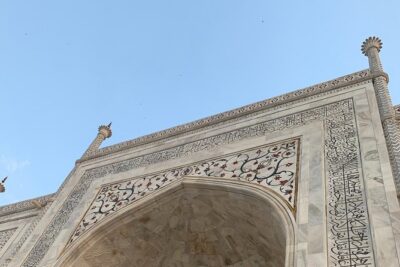
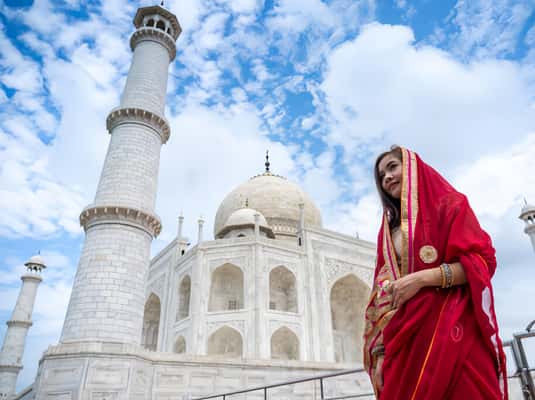
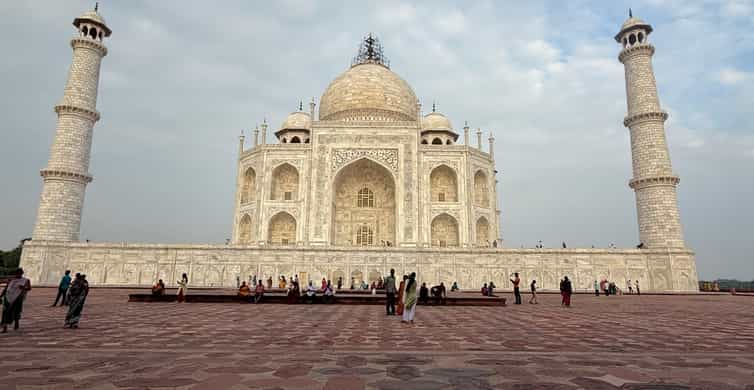
Day 2 is all about the Taj Mahal—because it should be. The tour has you visit the Taj Mahal as a World Heritage Site and one of the most stunning white marble monuments anywhere. Even if you’ve seen photos before, being there changes the experience. The details that look distant in images—arches, symmetry, edges—start to make sense once you’re close.
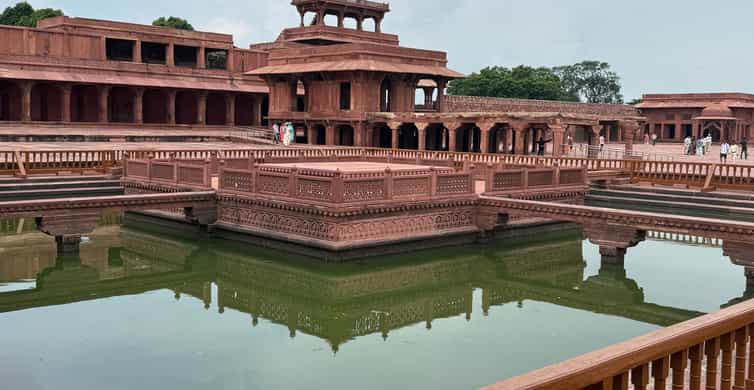
After the main Taj visit, you head to Agra Fort. This fortress adds a different flavor from the marble elegance of the Taj Mahal. Agra Fort is described as having a blend of Persian and Mughal architecture, and that variety is exactly what you want when you’ve got only a couple of days in the region. It’s also a strong way to see how power and protection worked alongside the artistry.
Then you get some free time—use it intentionally. The tour mentions local markets and handicraft shops, and that’s where you can pick up souvenirs without turning the rest of your day into shopping. If you care about textiles, leather goods, or marble-style souvenirs, this is your best window.
Later you drive to Jaipur and stay overnight there. That means Day 2 is doing two jobs: payoff at the Taj Mahal, then repositioning you for Jaipur’s forts and palaces.
Reality check: because this is a tight itinerary, your free time depends on how smoothly the day runs. If you’re picky about shopping versus monuments, tell your guide early what you want more of. It can make the difference between feeling like you got everything you came for and feeling like you ran out of minutes.
Day 3 in Jaipur: Amber Fort, Hawa Mahal, City Palace, and Jantar Mantar
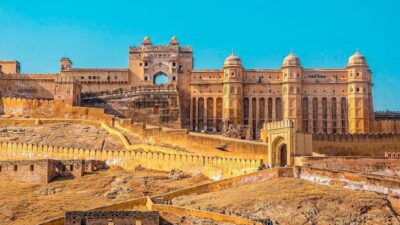
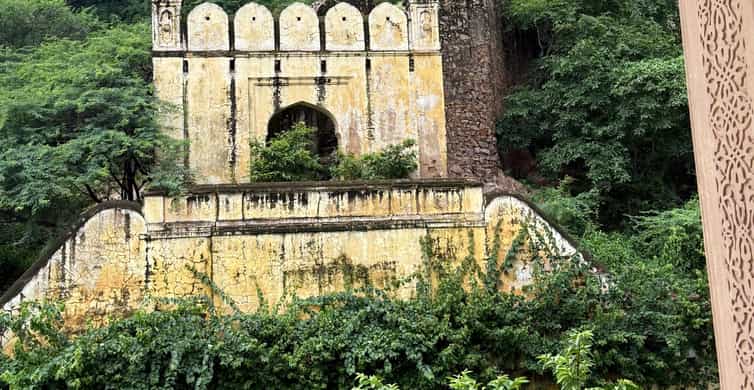
Jaipur day is the “royal showcase” portion of the Golden Triangle. Your first big stop is Amber Fort. This is the kind of fort that does more than impress you—it teaches you how Rajasthan’s architecture handled views, defense, and status. Expect it to be a major walking day, so keep your energy for it.
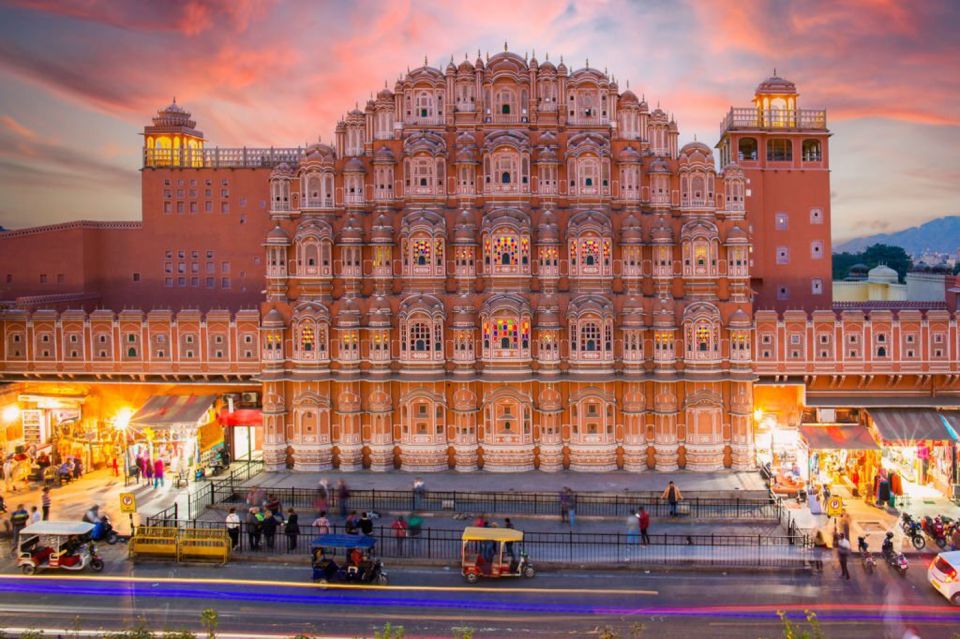
Next is Hawa Mahal, known for its distinctive honeycomb-like windows. It’s a façade that looks best when you’re standing near it, not just from across the street. Hawa Mahal is also one of those places where the photos are only half the story. Up close, you’ll understand why it became an icon.
You then explore the City Palace and its museums, which focus on royal heritage. This is a useful contrast to the fort. Forts tell you about power and protection. Palaces tell you about lifestyle, culture, and how rulers wanted their world to be seen. Even if you’re not a museum person, the setting helps.
After that, you’ll visit Jantar Mantar, described as an astronomical observatory and another World Heritage Site. This stop is often a surprise hit on trips like this. It’s different from the usual temple/fort rhythm and gives you a concrete look at how advanced observation and design came together.
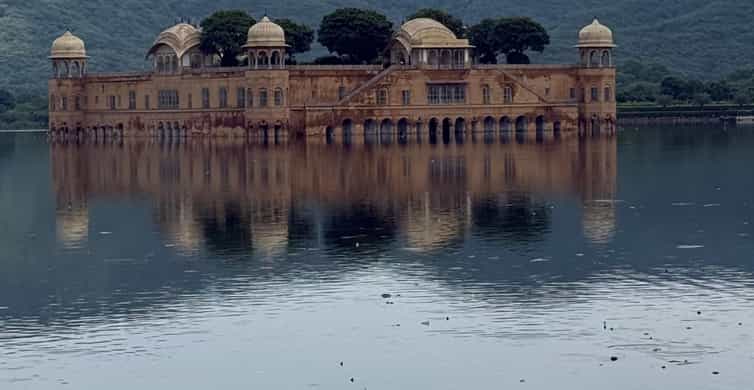
The tour wraps up with a photo stop at Jal Mahal, a palace in the middle of Man Sagar Lake. You might not have long here, but it’s a great final image before you head to your return drive to Delhi or onward.
Then you get some leisure time for Jaipur’s colorful bazaars, especially traditional crafts and textiles. This is where you can actually slow down a bit. Spend time comparing quality, not just prices. If you do one thing well in Jaipur, let it be buying what you’ll actually use at home—scarves, small textile pieces, or artwork that fits your taste.
Price and logistics: what $119 per person really buys
At $119 per person for a 3-day private Golden Triangle, the value is mostly in the “bundle” of time-saving services.
Here’s what you’re paying for:
- Pickup and drop-off in Delhi (airport or hotel areas)
- 2 nights accommodation on double/twin sharing (3-star category if that option is chosen)
- Breakfast at the hotel
- A private guide for Delhi, Agra, and Jaipur
- Private vehicle transport for all the intercity driving and daily movement
What’s not included:
- Monument fees
- Food and drinks
- Personal expenses
That split is important. The headline price can look surprisingly low, but monument fees and meals add to the final total. Still, even with those extras, a private guide and private transport can be cost-effective compared to piecing things together yourself—especially if you don’t want to manage ticket timing, directions, and day-to-day bargaining.
Also, the tour mentions skipping the ticket line. In practice, that usually matters most when you’re dealing with high-demand entrances. Just remember: skip-the-line typically doesn’t mean monument fees are free. You’ll still want cash or card for those entries.
You can also read our reviews of more tours and experiences in New Delhi





The one snag to plan for: shop detours and lost minutes
One review note you should take seriously: a past booking wasn’t happy about being taken to shops unrelated to their request, which reduced time at the places they wanted. That’s not a guarantee that it will happen to you, but it’s enough to put guardrails in place.
Here’s how you protect yourself:
- Tell your guide your top priorities in plain language before the first major stop.
- If you want shopping, pick a specific window for it and ask for it after monuments, not during them.
- If you hate shopping, say so early. You want sightseeing first, shopping only if there’s leftover time.
This is one of those travel realities: the private format can either mean better control or more dependence. With a clear plan and firm preferences, you’ll usually get the control part.
Closures and timing: what can break your plans
You don’t want to arrive for the wrong day. The tour has these known closure rules:
- Taj Mahal is closed on Friday.
- All temples and Red Fort are closed on Monday.
Because Day 1 and Day 2 revolve around Red Fort and the Taj Mahal, those closure days can force adjustments. If your dates fall on Monday or Friday, I’d treat that as a scheduling priority, not an afterthought.
You’ll also be moving across big distances between cities. That’s part of the Golden Triangle appeal, but it means you should avoid booking tight extras the night before major visits. Let the day flow, rather than trying to stack appointments.
Who this tour suits best (and who should reconsider)
This tour is a good match if you:
- want a private guide and transport instead of DIY chaos
- like big-name sights and UNESCO stops
- prefer a structured route with minimal planning
- are okay with a packed schedule and lots of walking
It may be less ideal if you:
- need a slower pace with long breaks
- struggle with lots of transfers and walking
- want lots of independent free-roaming time
And if mobility is a factor for you: the tour says wheelchair accessible, but it also says not suitable for people with mobility impairments. That contradiction means you should confirm the real-world situation (vehicle access, step heights, walking expectations) before booking.
Should you book this Golden Triangle tour?
Yes, if you want an efficient 3-day sweep of Delhi–Agra–Jaipur with a private guide and transport already handled. The biggest strengths are the concentration of major monuments and the fact that you get both “iconic” and “street-level” moments in the same trip.
I’d hesitate only if:
- your travel dates land on Monday or Friday (because key stops can be closed)
- you strongly dislike shop detours and shopping stops
- you need a very relaxed pace or have mobility constraints you can’t work around
If you book, do two things: set your priorities at the start, and wear comfortable shoes like it’s your job.
FAQ
What cities does this 3-day Golden Triangle tour cover?
It covers Delhi, Agra, and Jaipur over three days.
What is included in the price?
The tour includes pick up and drop off from anywhere in Delhi, 2 nights accommodation on double/twin sharing (3-star category if the option is chosen), breakfast at the hotel, a private tour guide for Delhi, Agra, and Jaipur, and transport by private vehicle.
Are monument fees included?
No. Monument fees are not included.
Is food included during the tour?
No. Food and drinks are not included.
Which days are key sights closed?
Taj Mahal is closed on Friday. All temples and Red Fort are closed on Monday.
Does the tour help with ticket lines?
The tour states that it includes skip-the-ticket-line.
What languages are the live guides available in?
The guide is available in English, French, Spanish, Japanese, German, Chinese, and Italian.
Is it suitable for wheelchair users or people with mobility impairments?
The tour states wheelchair accessible, but it also states it is not suitable for people with mobility impairments. It’s best to confirm the on-the-ground details with the provider before booking.
What is the cancellation policy?
You can cancel up to 24 hours in advance for a full refund.