REVIEW · NEW DELHI
Golden triangle & The Burning city Varanasi 9 Nights
Book on Viator →Operated by Way Of India · Bookable on Viator
Two cities, two kinds of awe. This Golden Triangle + Varanasi loop pairs Mughal-era landmarks in Delhi, Agra, and Jaipur with the spiritual gravity of the Ganges ghats and a boat ride in Varanasi. You also get a mix of big sights and more local-style stops, like the tuk-tuk ride through areas you’d otherwise miss.
I like how the pacing gives you meaningful time at standout sites, not just quick in-and-out photos. Jantar Mantar gets a full stop, and the Taj Mahal visit is long enough to actually take in what you’re seeing. The other big win is the guide experience: many trips are led by Rajendra Halduniya (Raji), who’s known for answering questions clearly and working with requests during the day.
One possible drawback is that lunch isn’t included, so you’ll want cash or cards ready for midday meals. Also, the Varanasi day includes a visit around cremation areas like Manikarnika Ghat, which can feel emotionally intense.
In This Review
- Key things I’d bank on before booking
- Golden Triangle Meets Varanasi: Two Moods in One Route
- Delhi Days 1–2: Jama Masjid, Lotus Temple, Akshardham, and Sikh Landmarks
- Jaipur Days 3–4: Hawa Mahal Views, Jantar Mantar, City Palace, and a Palace-of-Water Moment
- Agra Fort and the Taj Mahal: The Mughal Peak
- Varanasi Days 7–8: Ganges Ghats, Manikarnika Ghat, Sarnath, and Durga Temple
- How the included transport shapes your trip pace
- Price and value: Is $1,163.18 a fair deal?
- Where the guide makes the difference: Raji’s style and flexibility
- What you’ll want to plan for day to day
- Should you book this Golden Triangle & Varanasi tour?
- FAQ
- How long is this tour?
- Which cities are included?
- Is pickup and drop-off included?
- What transportation is included between cities?
- Are entrance fees included?
- Is there a boat ride in Varanasi?
- What meals are included?
- What is the cancellation timeframe?
- What type of tour group is this?
Key things I’d bank on before booking

- Raji (Rajendra Halduniya) guidance focused on details, patience, and adapting the day to what you want
- Delhi to Varanasi contrast: Mughal monuments in daylight, then Ganges ghats at a slower spiritual pace
- Time built into the schedule for major stops like Taj Mahal, City Palace, and Sarnath
- Big-site entry fees included for several UNESCO and major attractions
- Intercity travel is part of the plan with an included train and a flight, plus an AC vehicle for transfers
- Built-in “local flavor” moments like the tuk-tuk ride and market-style add-ons via your guide
Golden Triangle Meets Varanasi: Two Moods in One Route
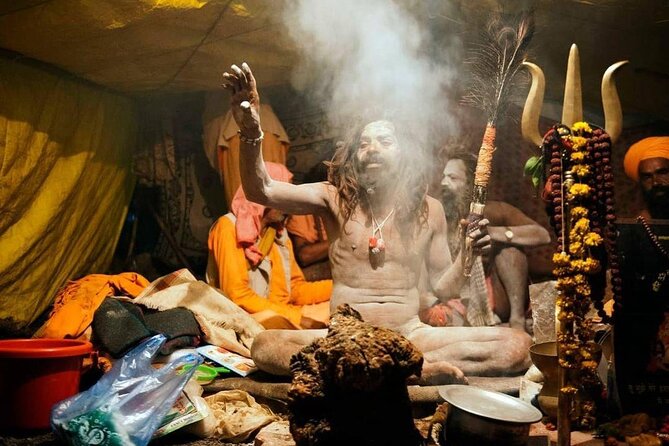
This trip is built around a simple idea: you’ll see polished monuments and palaces in the Golden Triangle, then switch gears to Varanasi’s living spiritual rhythm. In Delhi, Agra, and Jaipur, the architecture is bold and carefully engineered. In Varanasi, the focus is ritual and the daily flow of people along the ghats.
What makes this combination work is that the itinerary doesn’t treat Varanasi like a quick side stop. You get a dedicated day for the Ganges River ghats (with time to watch the steps and activity) plus a boat ride. That matters because Varanasi is not a place you fully “cover” by checklist. It’s a place you understand by slowing down enough to notice patterns.
Even the spiritual framing connects two worlds. The Golden Triangle leans Mughal and royal. Varanasi leans older temple traditions too, in the same broader category of temple architecture people associate with Kashi Vishwanath, even if your exact stops are centered on the ghats, Durga Temple, and Sarnath.
You can also read our reviews of more city tours in New Delhi
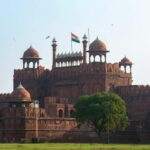
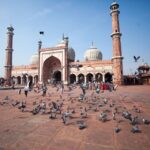
Delhi Days 1–2: Jama Masjid, Lotus Temple, Akshardham, and Sikh Landmarks
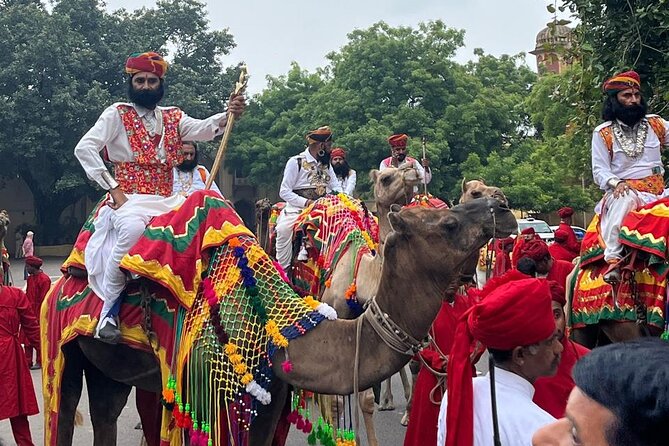
Delhi on this tour is not just iconic buildings; it’s variety in one day.
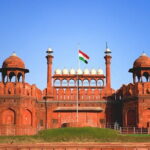
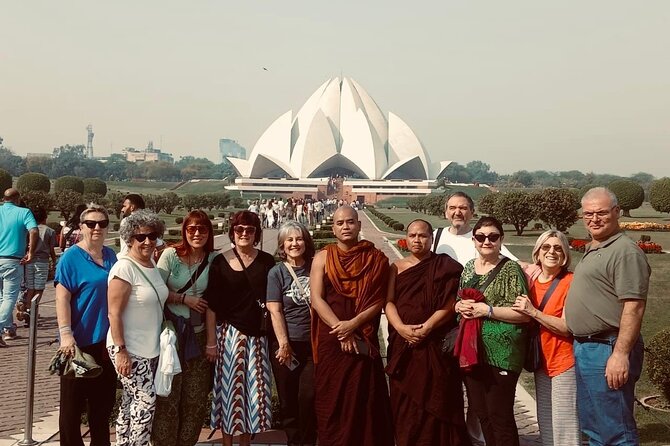
On Day 1, you start at Jama Masjid, with Mughal architecture on full display—big gates, towering minarets, and red sandstone with white marble. You’ll also get a stop at the Lotus Temple (a Bahá’í House of Worship known for its calm design language). Then there’s India Gate for a quick national memorial moment, before you switch into a more street-facing experience with a tuk-tuk ride meant to show parts of the city that are usually skipped.
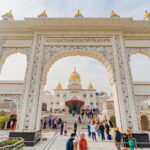
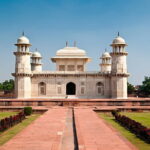
Day 2 adds more layers. Swaminarayan Akshardham is scheduled for a full stop, and it’s described as a major spiritual complex opened in 2005, with a central temple made of pink sands. You then visit Humayun’s Tomb, a UNESCO World Heritage site built in 1570—exactly the kind of Mughal craftsmanship that helps you connect the Delhi days together. The second half keeps the tone human and grounded: Raj Ghat for Gandhi’s memorial, then Gurudwara Bangla Sahib, tied to Guru Har Krishan’s stay in 1664.
If you like your sightseeing to include both monuments and places where people still worship and gather, Delhi is where this tour hits hardest.
Jaipur Days 3–4: Hawa Mahal Views, Jantar Mantar, City Palace, and a Palace-of-Water Moment
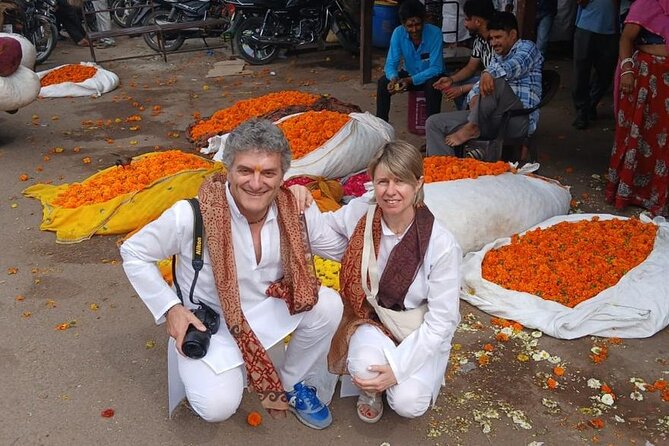
Jaipur here is all about court power and visual design. Day 3 begins with Birla Mandir Temple, set near Moti Dungari Hill and dedicated to Lord Vishnu (Narayan) and Goddess Lakshmi. It’s a calm contrast after the Delhi day.
You then go to the Albert Hall Museum area in Jaipur, an older museum complex built in 1876 and designed by Sir Samuel Swinton Jacob in an Indo-Saracenic style. Museums in India can be hit-or-miss on a tight schedule, but a stop like this is useful because it gives context for what you’ll see later in the fort-palace architecture.
Day 3 also includes Patrika Gate at Jawahar Circle Garden. It’s described as inspired by traditional Rajasthani art—good for photos, but also good because it signals how Jaipur treats craft as public design, not just something behind palace walls.
Day 4 is where you get the big silhouettes:
- Hawa Mahal, built in 1799 by Maharaja Sawai Pratap Singh, designed in the shape of a crown, and attributed to architect Lal Chand Usta
- A palace of water stop, with a short time window (max 15 minutes), so plan to focus on photos and the overall look rather than expecting a long sit-down experience
- Jantar Mantar, a UNESCO observatory with 19 large instruments built in the 18th century by Maharaja Jai Singh II
- City Palace, scheduled for 2 hours with both Rajasthani and Mughal architectural influence
- A short Jaipur jewellery stop focused on craftsmanship, polishing, and gemstone-related trading traditions
One practical note: Jaipur can feel intense because you’re stacking iconic buildings close together. If you want this day to feel enjoyable, take breaks when your guide suggests them and treat the short stops as quick visual checkpoints, not the main event.
Agra Fort and the Taj Mahal: The Mughal Peak
Agra is a one-two punch here: first Agra Fort, then the Taj Mahal.
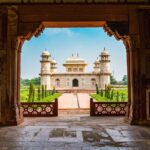
On Day 5, you’ll visit Agra Fort, described as a UNESCO World Heritage site and the main residence of Mughal emperors until the capital shifted to Delhi. Built by Emperor Akbar in the 16th century, it’s the kind of place where the architecture helps explain why the Taj Mahal mattered so much—forts are power and control, and the Taj is what that power turned into when it focused on beauty.
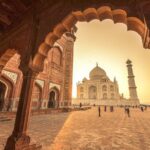
Day 6 is your Taj day. The Taj Mahal is framed here as a monument built by Emperor Shah Jahan in memory of Mumtaz Mahal, with the story tied to her death during childbirth. Your stop is set for about 2 hours with admission included, which is a strong amount of time for this kind of site. Two hours matters because it gives you room to step back, look at details, and not feel trapped in a single angle.
Agra also sets you up for the biggest emotional shift of the whole trip. After this, you travel onward toward Varanasi, where the pace changes from palace scale to human ritual.
Varanasi Days 7–8: Ganges Ghats, Manikarnika Ghat, Sarnath, and Durga Temple
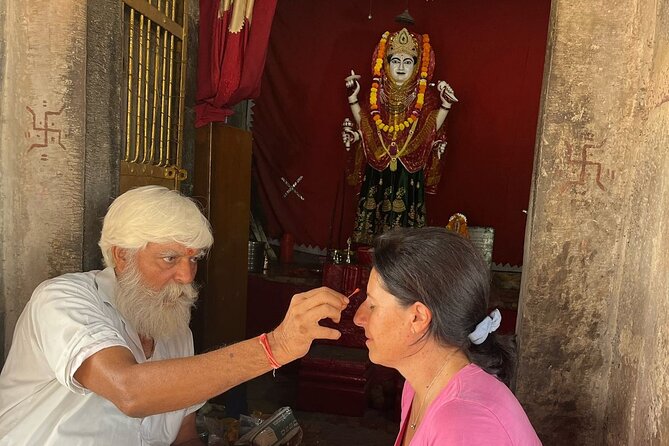
If the Golden Triangle is about monuments, Varanasi is about daily meaning.
Day 7 starts with the Ganges River (Ganga Ghats). The description calls out that there are over 80 ghats in Varanasi, each connected to specific ceremonies and traditions. Your time block is 3 hours, and that is exactly the kind of duration you need here. Ghats aren’t about moving quickly from point A to B; they’re about watching how the riverfront works.
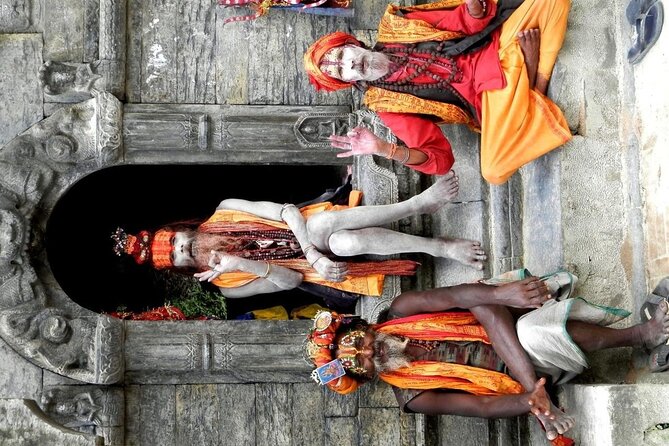
The second stop on Day 7 centers on the boat ride plus Manikarnika Ghat, including a look at cremation places around that area. This can be emotionally heavy. If you’re considering the trip, treat this as a meaningful, respectful visit and not a casual photo stop. Keep your reactions in check, follow your guide’s instructions, and give yourself a minute if you feel overwhelmed.
Day 8 then provides a spiritual reset with Sarnath, located near Varanasi. It’s described as one of India’s holiest Buddhist sites, where Lord Buddha gave his first sermon—the Dhammacakkappavattana Sutta—after enlightenment. You get about 2 hours here with admission included, which helps balance the intensity of the ghats day with a different kind of sacred atmosphere.
You finish with Durga Temple, described as a blessing visit tied to the goddess Durga. It’s a shorter stop (about 1 hour) but fits well after Sarnath, because it shifts you again from Buddhist sacred teaching back toward Hindu devotion.



How the included transport shapes your trip pace
This tour mixes multiple travel modes, and that’s part of the value. You’re not spending the entire trip in one long car slog.
Inside the cities, you have an air-conditioned vehicle and WiFi on board. That’s a real comfort win on hot days and on long transfer windows.
You also get a tuk-tuk ride early in Delhi. It’s short, but it changes the texture of the day. Instead of only seeing monuments from the sidewalk, you get a taste of street motion.
The big timing change comes from the intercity legs:
- an included train ticket from Agra to Varanasi
- an included flight from Varanasi to Delhi
These are the exact kinds of moves that prevent the itinerary from stretching too thin. If you’ve ever tried to do Golden Triangle plus Varanasi in one continuous car journey, you already know how quickly it turns exhausting.
Day 9 is a simple reset: you’re picked up from the airport and moved to the hotel for relaxing. Day 10 ends with a driver drop to IGI Delhi airport. That structure is useful if you like to protect your energy for the travel day.
Price and value: Is $1,163.18 a fair deal?
At $1,163.18 per person, the main value question is what’s actually covered besides the sites. From the included list, you’re getting a lot of the “expensive friction” handled for you:
- Entrance fees for multiple major stops (including UNESCO World Heritage sites and other ticketed landmarks)
- AC transport and fuel/government fees
- A Ganges River boat ride
- Tuk-tuk ride
- Intercity travel via train (Agra to Varanasi) and flight (Varanasi to Delhi)
- Meals on most days: breakfast (8) and dinner (9)
What isn’t included is lunch, so you’ll still have daily budgeting flexibility or you’ll need to plan quick meals while out and about.
One thing I’d double-check before you book: the package details you’re reading don’t explicitly list lodging. Many tours bundle hotels separately, some include them, some don’t. Since your schedule includes hotel time on Day 9, confirm exactly what your booking covers so you’re not surprised later.
If your priority is seeing key sights with guided access and included major transport, this price looks like it aims at value, not just convenience.
Where the guide makes the difference: Raji’s style and flexibility
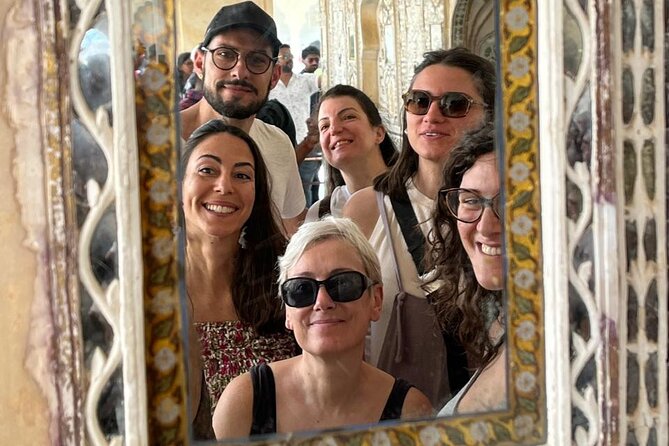
This is one of the most praised parts of the experience, and for good reason. Your guide is often Rajendra Halduniya, known as Raji. His reputation in the feedback is consistent: he’s detailed, patient, and willing to adjust when plans change.
Here’s what that means for you in practical terms:
- He explains places with real specifics, not just surface descriptions
- He’s described as mixing strong culture knowledge with calm handling of tourist questions
- He’s credited with making room for requests and unplanned add-ons
- He’s also mentioned as proposing extra activities like market visits, which can make the trip feel more like a living city day than a checklist route
- Language skills matter too, since you’ll see references to Italian and English ability
If you’re the kind of person who asks why a place was built, or you want time for shopping and local scenes, Raji’s flexibility is the kind of “soft benefit” that can turn a good tour into a memorable one.
What you’ll want to plan for day to day
This itinerary is packed with ticketed stops and emotional intensity, so the planning is mostly about you—not the monuments.
Start with food. Lunch is not included, so decide whether you’ll carry payment and pick food near sites or follow your guide’s suggestions during gaps. Also, because dinner is included on 9 days, you can keep your evenings calmer and focus on rest.
Next is comfort. You’ll be walking through forts, temple areas, and ghats. Bring comfortable footwear and expect the days to feel longer than the listed stop durations. If you get tired easily, pay attention to your energy signals and ask for pacing adjustments.
Finally, consider the Varanasi day. The tour includes time at ghats and an area around Manikarnika Ghat. If you’re sensitive to emotionally intense sights, go in with respect, keep your boundaries clear, and don’t force yourself to “tough it out” for photos.
Should you book this Golden Triangle & Varanasi tour?
I’d recommend booking this if you want a structured route that hits the big monuments, but still makes space for the Varanasi experience to feel real and not rushed. The included train + flight approach is a smart way to protect your time, and the schedule gives you meaningful stops at places like Taj Mahal, City Palace, and Sarnath.
You might skip it if you hate tight sightseeing days, don’t want any exposure to cremation-area context, or you’re trying to keep everything ultra budget-only since lunch is on your dime. Also confirm whether lodging is included in your exact booking, since it isn’t listed in the provided inclusions.
If you do book, take the guide seriously. Working with someone like Raji—who can adjust your day and add market time—will likely be the difference between seeing India and actually feeling it.
FAQ
How long is this tour?
It runs for about 10 days, designed around 9 nights, combining the Golden Triangle and Varanasi.
Which cities are included?
The route is New Delhi, Agra, Jaipur, and Varanasi, with airport transfers in Delhi.
Is pickup and drop-off included?
Pickup is offered, and the itinerary includes a driver drop at IGI Delhi airport.
What transportation is included between cities?
You get an included train ticket from Agra to Varanasi and an included flight from Varanasi to Delhi. Local transfers use an air-conditioned vehicle.
Are entrance fees included?
Yes. Entrance fees are included for the listed ticketed attractions, plus government fees.
Is there a boat ride in Varanasi?
Yes. A Ganges River boat ride is included.
What meals are included?
Breakfast is included for 8 days and dinner for 9 days. Lunch is not included.
What is the cancellation timeframe?
You can cancel up to 6 days in advance for a full refund. Less than 6 days before the start time reduces or removes the refund, depending on how close it is.
What type of tour group is this?
It’s described as private, meaning only your group participates. Group discounts are also mentioned.