REVIEW · NEW DELHI
Heritage Delhi Photography Walk (2 Hours Guided Walking Tour with Rickshaw Ride)
Book on Viator →Operated by Yo Tours · Bookable on Viator
Delhi’s best frames take a short walk. The Heritage Delhi Photography Walk strings together three very different backdrops in about two hours, then gives you practical shooting guidance so you come away with more than random clicks, including help from guides like Saumya (who’s known for timing tips like golden hour). I especially like the mix of old-meets-new subjects and the friendly conversation that explains what you’re seeing, plus the classic cycle rickshaw ride between stops. One drawback: you’ll be walking outdoors and entrance fees for the monuments aren’t included, so expect a few extra costs.
You’ll meet at the Safdarjung Tomb ticket counter, shoot through Safdarjung Tomb and the Lodhi complex, then finish at the Lodhi Art District area. The group stays small (max 12), which makes it easier for the guide to suggest angles and keep you together without rushing you too hard. If you’re the type who wants a tightly packed bus tour, this won’t feel like that; it’s more about slowing down and composing.
In This Review
- Key Highlights You’ll Actually Use
- A 2-Hour Delhi Photo Walk That Builds Real Skills
- Where You’ll Start (And Why the Meeting Point Matters)
- Stop 1: Safdarjung Tomb for Late-18th-Century Symmetry Shots
- Between Stops: The Cycle Rickshaw Ride You’ll Tell Friends About
- Stop 2: Lodhi Garden for Trees, Flowers, and Tomb Details
- Stop 3: Lodhi Art District Street Art with Themes, Not Just Color
- What the Guides Actually Add (And Why It Makes This Tour Feel Different)
- Price and Value: Why $18.62 Can Be a Smart Move
- Timing, Weather, and What to Bring
- Who Should Book This Tour (And Who Might Want Something Else)
- Practical Logistics: Mobile Ticket and Finishing at Lodhi Art
- Should You Book the Heritage Delhi Photography Walk?
- FAQ
- How long is the Heritage Delhi Photography Walk?
- What is the price per person?
- Where does the tour start and end?
- What stops are included?
- Are entrance fees included for the monuments?
- What is included in the tour besides the guide?
- Is there an air-conditioned vehicle?
- How big is the group?
- Is free cancellation available?
Key Highlights You’ll Actually Use
- Golden-hour and timing advice from experienced English-speaking guides like Saumya to help you nail light
- A classic cycle rickshaw ride between sights instead of just walking the whole route
- Safdarjung Tomb photo opportunities with late-18th-century structure and mood
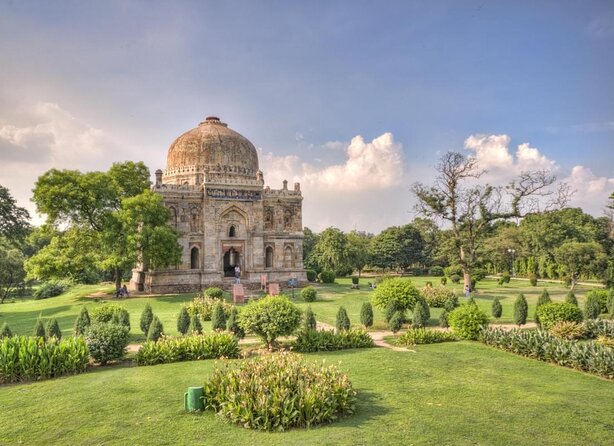
- Lodhi Garden + tombs in one place, including the Rose Garden area and notable historical tombs
- Lodhi Art District street art with themes you can frame beyond simple graffiti shots
- Small group size (max 12) so questions and adjustments don’t get lost
A 2-Hour Delhi Photo Walk That Builds Real Skills
This is the kind of tour that helps your camera habits, not just your memory. In about two hours, you cover three stops that play well together for photography: a mausoleum setting, a park with garden-and-tomb details, then a street-art stretch where you can hunt for bold color and meaning.
I like that the format gives you time to think about framing. A photo walk can turn into a speed-run, but here the guide role is built around tips and conversation, so you’re not just following footsteps—you’re learning how to see. The guide also helps you connect the setting to daily life and heritage, which matters because photos look better when you understand the story behind them.
One practical consideration: the price is low enough that it’s clearly aimed at value, but it doesn’t cover everything. You’ll still handle entrance tickets for places like Safdarjung Tomb, and you’ll be outside for most of the experience. If the weather is bad, the tour can be rescheduled or refunded, so it’s not the kind of plan you should treat like guaranteed “always-on” sightseeing.
You can also read our reviews of more walking tours in New Delhi



Where You’ll Start (And Why the Meeting Point Matters)
You start at the Safdarjung Tomb ticket counter, near Airforce Golf Course / Delhi Race Club area in New Delhi (you can plug the provided Google Maps pinpoint into your phone). If you’ve visited Delhi before, you know roads and landmark names can shift depending on what’s nearby. This meeting point is specific, which helps you avoid a frustrating hunt.
You end at the Lodhi Art District / Lodhi street art street area, by Lodhi Gardens (Lodhi Estate, New Delhi). That ending location is useful if you want to keep walking afterward, grab a meal nearby, or keep shooting street scenes on your own. If your plans depend on you being back at the starting side of town, you’ll want to plan that transit in advance since there’s no hotel pickup or drop.
Tip for your first photo walk in a new city: do a quick photo “test shot” at the meeting area. Even if it’s just a photo of your guide or the road itself, it gets your camera settings warmed up, and you’ll catch the light and exposure before you move into the more photographic stops.
Stop 1: Safdarjung Tomb for Late-18th-Century Symmetry Shots
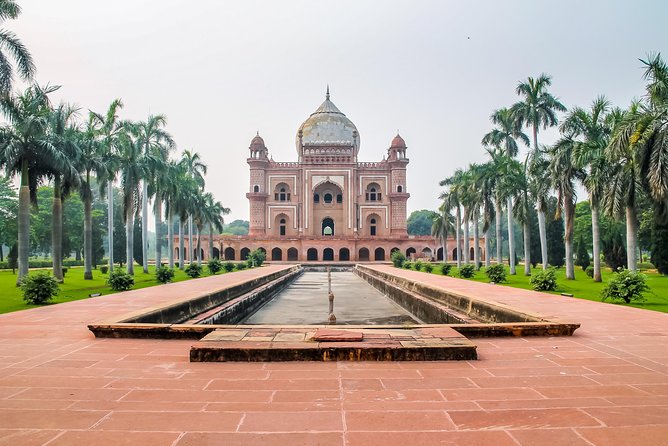
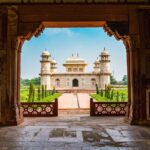
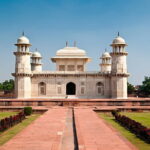
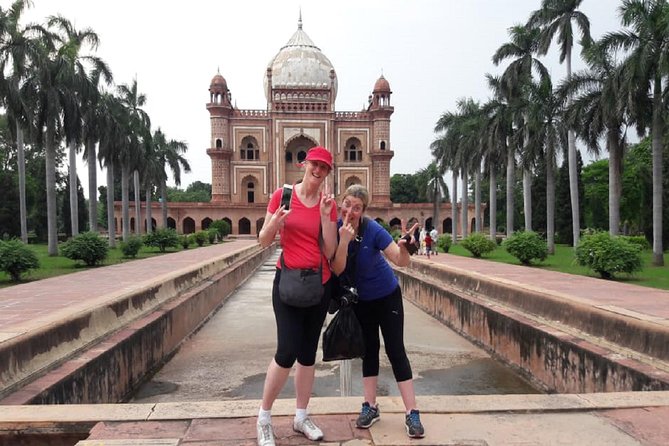
Your first stop is Safdarjung Tomb, a mausoleum built in the late 18th century. It’s a strong start for photographers because the structure offers clear lines and geometry. If you like architectural photography, you can work with repetition, symmetry, and the way people and movement interact with a monument’s space.
You’ll get about 30 minutes here. That’s enough time to try a few approaches: wide-angle context shots, medium shots that show the monument detail, and tighter frames where you focus on texture and patterns. It’s also a nice stage to practice “foreground + subject” photography: you can include pathways or nearby elements to make the monument feel grounded in the day’s reality.
Two practical notes. First, entrance fees aren’t included, so budget for the ticket. Second, this start-to-finish pace is designed around walking efficiency, not lingering for hours. If you’re the type who wants 45+ minutes at every monument, you might feel a bit rushed—but for most people, 30 minutes is a good photo-walk sweet spot.
If you’re thinking about light: people doing this kind of tour often get their best results when they’re not stuck at harsh midday glare. The guide can help you time your shots (and this is one reason the guide experience is a standout part of the tour).
Between Stops: The Cycle Rickshaw Ride You’ll Tell Friends About
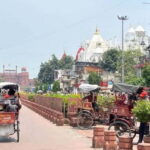
Between sights, you hop on a cycle rickshaw. This is one of those “only-in-India” experiences that still matters for photography. The ride changes your perspective quickly. You’re not just photographing static architecture; you’re photographing movement, daily street energy, and the route itself as it frames parts of Delhi.
It also acts like a reset button. When you’re switching from tomb geometry to garden shapes, the transport break helps you come up with fresh shots instead of repeating the same framing style.
A gentle reality check: a rickshaw ride can be a bumpy ride. If you’re using a phone or a stabilizer, keep it simple. Use burst mode for moving subjects rather than trying to nail one perfect shot from shaky hands. If your camera has image stabilization, you’ll appreciate it.
Stop 2: Lodhi Garden for Trees, Flowers, and Tomb Details
Next comes Lodhi Garden, where you get about one hour. This stop is where the tour expands beyond stone monument photography into nature-and-architecture combinations. The garden offers multiple shades of trees and flowers, which is great for photographers who like color gradients and soft backgrounds.
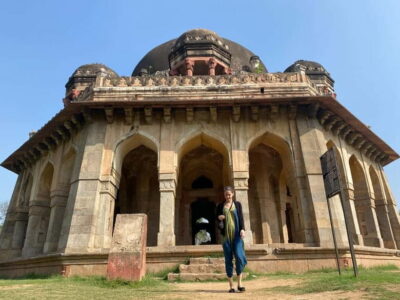
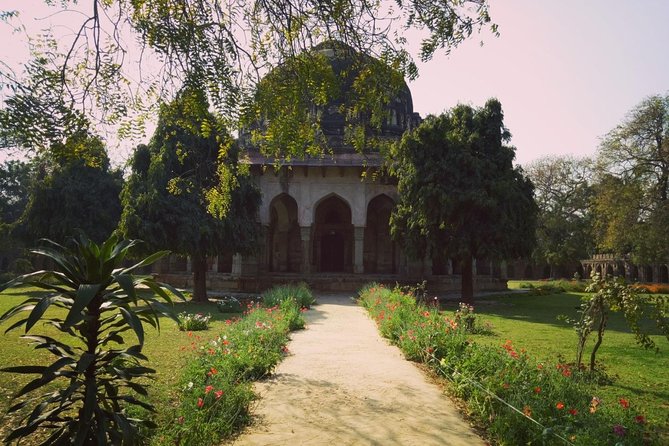
What I like about Lodhi Garden in particular is that you’re not stuck in only one visual style. Within the garden area, you’ll also see Rose Garden, plus Sikandar Lodi Tomb and Shah Sayyid Tomb. That means you can shoot in several modes during one stop: leafy paths for portraits, rose-color shots for close-ups, and tomb frames for historical structure.
There’s a story layer too. The tour includes context about these areas and mentions relics connected to Delhi’s past. That matters because the best photos often come from understanding what you’re pointing at. When you know what something is, you stop shooting randomly and start composing deliberately.
The drawback? Garden lighting can be tricky. Tree cover changes your exposure, and flower colors can turn gray-brown if your white balance is off. I recommend you shoot a couple test frames at the start of the garden so your camera doesn’t stay stuck in the wrong settings.
Also, because there are multiple sub-areas within Lodhi Garden, it’s easy to lose time if you wander off to chase one perfect angle. The guide’s job here is to keep you moving and balanced across the garden’s best photo options, without dragging you through it like a checklist.
You can also read our reviews of more guided tours in New Delhi



Stop 3: Lodhi Art District Street Art with Themes, Not Just Color
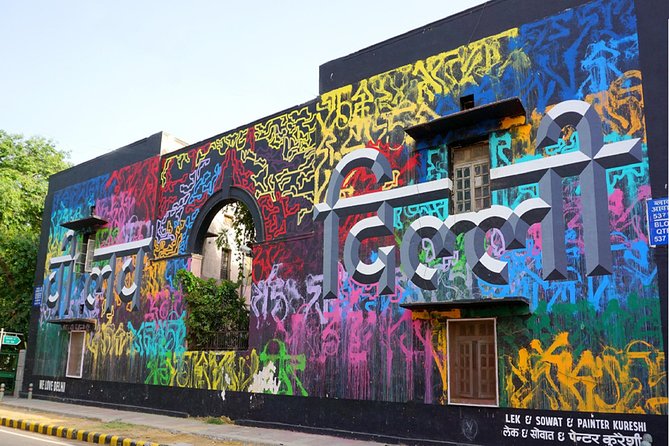
The final stop is Lodhi Art District, with about 30 minutes focused on street art. This is where you shift from monument symmetry and garden softness to modern urban storytelling. The murals and painted walls here have themes that go beyond simple decoration—think nature, origins of the world, and life and death concepts.
This stop is especially good if you enjoy photos that feel like they belong to real people’s lives today. Street art photography isn’t only about color. You want to capture the wall’s message, the texture of paint, and how nearby details frame it. Since the guide points out the themes, you can choose angles that support the idea, not just the aesthetic.
A practical thing to remember: street art lighting changes fast as the day moves. If your tour timing lands you in lower light, that’s actually not a disaster. It can be a chance to shoot with higher ISO or slower shutter speeds (only if your hands are steady). The more you can keep your camera steady, the better your results.
If you’re into “meaningful street shots,” this ending stop works well because it gives you a strong visual payoff after the tomb and garden—your camera’s narrative arc feels complete.
What the Guides Actually Add (And Why It Makes This Tour Feel Different)
The guide isn’t just a human map. The experience is built around a highly trained, friendly storyteller/guide who speaks English and other languages. That matters because photography advice needs to be clear and quick. You don’t want to guess what the guide means when you’re in position for a shot.
From feedback tied to the guide team, Saumya is especially noted for helping people choose the right time for the best photos—golden hour gets highlighted—and also for pointing out how places can look different with illumination at night. Another guide, Shika, has been recognized for being communicative about finding the best hour and keeping the vibe pleasant.
That kind of guidance is practical. Instead of you blindly shooting wherever you stand, you learn when to shoot and how to adjust your plan with light. And in a city like Delhi, light can change how a scene feels as much as the architecture itself.
The guide also creates room for conversation, linking heritage and modern aspects of the area. You’re not just taking photos; you’re learning enough context to make your captions (and your memory) better.
Price and Value: Why $18.62 Can Be a Smart Move
At $18.62 per person for about 2 hours, this tour sits in the value zone for guided experiences. For that price, you’re getting:
- A small group format (max 12)
- A speaking guide with storytelling
- Photography tips, not just sightseeing
- A cycle rickshaw ride between stops
- A mobile ticket
Is it expensive? No. But let’s be honest about what’s missing: there’s no air-conditioned vehicle, no hotel pickup/drop, and monument entrance fees aren’t included. If you’re budgeting tightly, you should assume you’ll pay tickets at the relevant sites, starting with Safdarjung Tomb.
Still, the value equation works because Delhi photography gets better when you have local guidance. Without it, it’s easy to spend time walking to places you like but not getting the right angles or timing. This tour tries to solve that with a focused route and hands-on advice.
The fact that it’s commonly booked well in advance (often around 18 days) is another quiet signal: people use it as an easy first-day activity to build confidence with their camera and their bearings.
Timing, Weather, and What to Bring
This experience needs good weather. If conditions are poor, you’ll be offered another date or a full refund. Since this is mostly outdoors, the weather factor isn’t a footnote—it’s part of the plan.
As for time of day, this is the part where a photography walk lives or dies. If you can influence your booking window, you generally want softer light rather than harsh overhead sun. Guides like Saumya are known for advising on golden hour for better results, and that’s the logic you should follow even if your schedule is fixed.
What to bring:
- Your camera (phone is fine, but be ready to tap-to-focus and adjust)
- A small lens/zoom range you’re comfortable carrying for architecture and street art
- Water and sun protection for the outdoor stretches
- Comfortable shoes with grip
- A charged battery and some storage space (street art and garden colors chew through memory fast)
Also, plan your clothes for walking in open areas. You’ll be moving from tombs to garden paths to street art corridors, and you don’t want your outfit to become a distraction.
Who Should Book This Tour (And Who Might Want Something Else)
You’ll like this tour if you:
- Want a guided photo plan that keeps you from aimless sightseeing
- Enjoy a mix of architecture, garden scenes, and street art
- Appreciate a guide who gives practical shooting tips and adds context while you walk
- Prefer a smaller group experience where you can ask questions
You might want to skip or pair it with something else if you:
- Hate walking outdoors or can’t handle uneven ground
- Need air-conditioned transport (this tour doesn’t include it)
- Expect all monument entrance fees to be handled for you (they aren’t)
Think of this as a confidence builder. If Delhi is your first Indian city, it’s also a good way to get comfortable with how locals move through these spaces—because your photos will show more life when you’re not just standing still.
Practical Logistics: Mobile Ticket and Finishing at Lodhi Art
You’ll receive a mobile ticket after confirmation (received at booking time). That’s helpful because you’re not juggling printed documents during travel.
One more practical detail: you end near the Lodhi street art area rather than back at the Safdarjung Tomb starting side. If you’re meeting friends for dinner or catching a later ride, plan for the finish location. It’s not a big deal, but it’s one less thing you want to improvise when you’re already tired and full of photos.
Should You Book the Heritage Delhi Photography Walk?
Yes—if you want a focused route that helps you shoot better, not just see more. The combination of Safdarjung Tomb, Lodhi Garden (with Rose Garden plus the tombs), and Lodhi Art District gives you a satisfying mix of subjects in a compact time window. The ride in a cycle rickshaw adds a classic Delhi feel that matches the theme of heritage and everyday streets.
Book it especially if you’re eager for timing advice and hands-on photography guidance. Just go in knowing entrance fees aren’t included, it’s outdoor walking, and you’ll be finishing at the art district so your next plan should start from there. If you can align your schedule with good light and good weather, this is an easy yes.
FAQ
How long is the Heritage Delhi Photography Walk?
It lasts about 2 hours.
What is the price per person?
The price is $18.62 per person.
Where does the tour start and end?
It starts at the Safdarjung Tomb ticket counter near the Airforce Golf Course/Delhi Race Club area in New Delhi. It ends at Lodhi street art street in Lodhi Art District near Lodhi Gardens.
What stops are included?
You’ll visit Safdarjung Tomb, Lodhi Garden (including Rose Garden plus Sikandar Lodi Tomb and Shah Sayyid Tomb), and the Lodhi Art District street art area.
Are entrance fees included for the monuments?
No. Admission ticket fees for historical sites like Safdarjung Tomb are not included.
What is included in the tour besides the guide?
The tour includes a cycle rickshaw ride between sights, photography tips, and storytelling/conversation with the guide.
Is there an air-conditioned vehicle?
No. The tour does not include an air-conditioned vehicle.
How big is the group?
The maximum group size is 12 travelers.
Is free cancellation available?
Yes. You can cancel for a full refund if you cancel at least 24 hours before the experience’s start time.