Old Delhi can feel like a living puzzle. This private walk through Shahjahanabad’s gali lanes helps you understand how the city was shaped after the Mughal-to-British power shift, with a guide who brings the streets to life. I especially liked the rhythm of how the walk moves from lanes to landmarks without rushing past the details.
Two things I really liked: a street-food taste built into the experience, and reaching Jama Masjid as a real-world anchor point rather than a distant stop. The final stretch toward Chandni Chowk’s bazaars and onward to Khari Baoli also makes the whole day feel like one continuous story.
One consideration: the Jama Masjid entry fee is not included, so you’ll want to budget ₹400 per person. Also, like most Old Delhi walking, you’re in hot, narrow streets for a few hours—bring a little patience and water.
In This Review
- Key highlights worth your attention
- Getting oriented at Asaf Ali Road near Turkman Gate
- Shahjahanabad to Old Delhi: the power shift you’ll walk through
- The gali maze: narrow lanes and what they teach your eye
- Jama Masjid: second-largest scale and an imperial viewpoint
- Chandni Chowk bazaars and Khari Baoli spice-market energy
- Price and value: $121.35 per group, plus a couple of add-ons
- The guide factor: why Elena’s style makes the walk feel easy
- Who should book this Old Delhi hidden alleys walk
- Should you book it? My practical take
- FAQ
- How long is the Old Delhi through the Hidden Alleys walking tour?
- How much does the tour cost?
- Where do we meet, and where does the tour end?
- Is street food included?
- Do we need to pay entry for Jama Masjid?
- Is this tour private?
- What should I know about weather and cancellations?
Key highlights worth your attention
- Private group up to 6 so you can keep a comfortable pace through narrow lanes
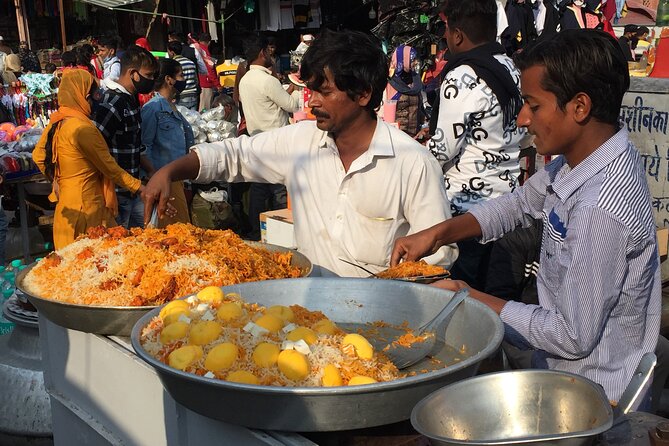
- Street-food tasting + bottled water included, so you’re not constantly hunting snacks
- Jama Masjid as a core stop (and the mosque’s imperial role is explained)
- Khari Baoli spice-market finish after the Chandni Chowk bazaar lanes
- Italian-speaking guide style with tailored explanations and steady pacing
Getting oriented at Asaf Ali Road near Turkman Gate
You start and end right back at the meeting point on Asaf Ali Road near Turkman Gate and Chandni Chowk. That matters in Old Delhi, where getting turned around is easy, and navigation can waste the best hours of your morning.
The tour runs in the morning window listed for Monday: 8:00 AM to 12:30 PM. Your exact time can vary by day, but the big idea stays the same: you’re out during the part of the day when the streets feel busy but you still have momentum. You’ll also have a mobile ticket, which is a nice low-friction way to check in.
Because this is a private tour for only your group (up to 6 people), you’re not squeezed into a large crowd experience. I like that for Old Delhi, where small-group attention helps you move confidently through tight lanes.
You can also read our reviews of more walking tours in New Delhi



Shahjahanabad to Old Delhi: the power shift you’ll walk through
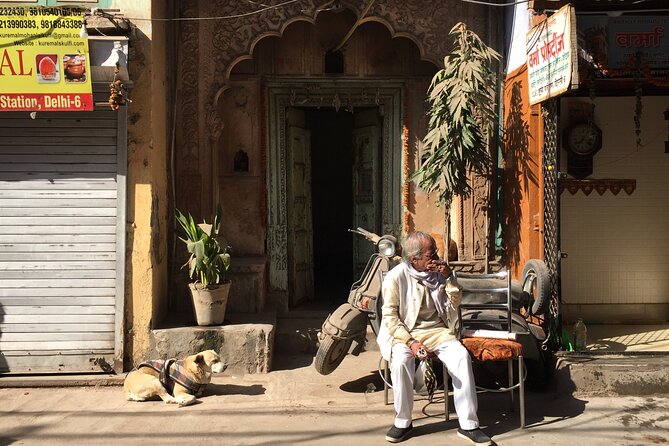
This walk is built around a simple theme: how Delhi became what we see today, specifically the era when Mughal rule gave way to British power. You’re not just hearing names and dates. The point is to connect political change to the physical city.
You’ll start with context about Shahjahanabad, the part of Delhi now known as Old Delhi, and how that era shaped where people lived and gathered. Then the route physically reinforces the story. Instead of a museum-style explanation, you’re watching the city’s layers in the places where commerce and daily life happen.
A good guide is what makes this click, and this tour’s reputation is strong for that. In the feedback I’ve seen, Elena is praised as kind, professional, and very precise in how she explains what you’re seeing. One standout pattern in the comments is that she doesn’t give generic history. She talks so you can picture how the city’s power and people shifted over time.
The gali maze: narrow lanes and what they teach your eye
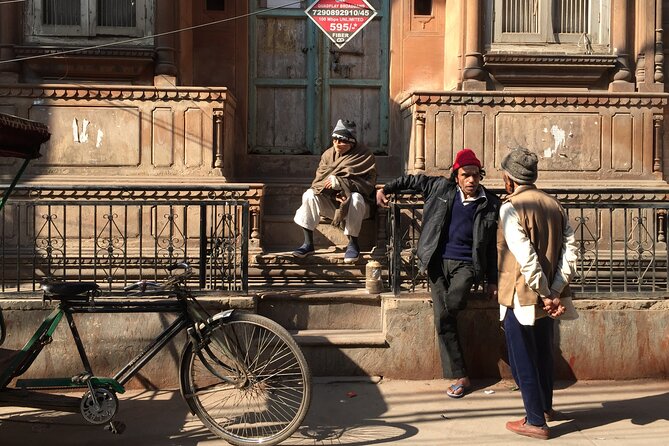
Old Delhi’s famous maze of gali (narrow lanes) can be intimidating if you’re there alone. What I like about this tour is that the lane walking isn’t treated like an obstacle. It’s treated like the main attraction.
You’ll move through lanes where you can still sense how houses and neighborhoods worked in the past—enough to understand the scale, tightness, and everyday flow of the area. The guide’s job here is crucial: she helps you notice patterns instead of just absorbing chaos.
A lot of tours “show” Old Delhi. This one helps you read it. That’s what makes the walk feel engaging instead of exhausting. In the reviews, I also saw praise for Elena’s ability to keep a good pace and maintain a clear, easy-to-follow structure, even when the streets get loud and crowded.
And yes, Old Delhi is intense. You’ll likely feel the heat in your day. But having a guide who lives in the city and knows how to move through it makes it feel more like a guided conversation than a survival test.
Jama Masjid: second-largest scale and an imperial viewpoint
The walk brings you to Jama Masjid, described as the second largest mosque in India and historically the mosque connected to the emperors. That’s not trivia you can skip. When you reach it after working through the smaller lanes, the change in scale hits differently.
This is one of those stops where you benefit from a guide who can explain why a place like this wasn’t just a religious site—it was also part of how power represented itself. The route is designed so you don’t experience Jama Masjid as an isolated “big building.” You experience it as the result of the city’s changing political and social gravity.
Practical note: entry to Jama Masjid is not included. You’ll need to pay ₹400 per person. So even though the tour price covers the walk and guidance, budget separately for this one moment. If you’re traveling as a couple, family, or small group, that fee is usually straightforward to plan for—just don’t wait until you arrive to figure it out.
Chandni Chowk bazaars and Khari Baoli spice-market energy
After the mosque, you continue toward the bazaars that line Chandni Chowk, then push further to Khari Baoli, Delhi’s spice market. This is where the tour becomes more than history and turns into sensory city life.
Chandni Chowk is one of those places where the city’s business is loud and visible. The bazaars aren’t just scenery; they’re the reason the lanes exist in the first place. Walking through that commercial spine makes the earlier history feel more grounded. You can connect old patterns of movement to the way people shop and eat today.
Then you hit Khari Baoli, the spice market. The name alone doesn’t do it justice—spices change how the air feels, and that matters in a walking tour. You end up with a finale that’s memorable without needing a ticketed attraction or a long museum detour.
Also, you’ll have an included street-food taste during the tour. That’s a smart way to experience Old Delhi without turning your morning into a scavenger hunt. And bottled water is included, which you’ll appreciate when you’re done dodging crowds and squeezing through lanes.






Price and value: $121.35 per group, plus a couple of add-ons
The price is $121.35 per group (up to 6) for about 4 hours. That grouping detail matters. If you’re traveling with a small family or a couple of friends, this can work out to a reasonable per-person cost for a private guide in a high-demand area like Old Delhi.
But you also need to plan for what’s not included. Two costs can come up:
- Public transportation: ₹200 per booking (if you use it)
- Jama Masjid entry: ₹400 per person
So the true value equation looks like this: you’re paying for private guidance through tough-to-navigate streets, plus street-food tasting and bottled water. Then you budget a fixed fee for Jama Masjid access.
Another small value point: the tour uses a mobile ticket, and you start and end at the same Asaf Ali Road area. That reduces pre-walk stress. For a city like Delhi, that’s not nothing.
Booking timing: this experience is typically booked about 13 days in advance on average. If your schedule is tight, I’d book early rather than hoping for a last-minute slot.
The guide factor: why Elena’s style makes the walk feel easy
A walking tour can be “accurate” and still not feel good. The best ones feel organized in a place that’s normally disorganized. Elena&Delhi is repeatedly described as the kind of guide who does exactly that.
From the comments, the strongest praise clusters around:
- A clear, precise storytelling style (people liked her descriptions and how well she kept explanations focused)
- Warm, welcoming professionalism (kind, patient, and good at making international visitors comfortable)
- Tailoring (guidance shaped around interests and language needs)
- Good pacing (a “perfect rhythm” through the streets so you don’t get lost in the chaos)
One particularly useful pattern: people mentioned she adjusts the tour when someone has limited time between flights, or when language matters because a family member only speaks Italian. If that sounds like you, this is the kind of setup where you’ll feel less stranded.
Also, there’s an ethical tone to how she operates. In the feedback, it was clear she doesn’t casually push into people’s private lives. If a human connection opportunity happens, it’s done with respect and consent—so the experience stays authentic instead of invasive.
Who should book this Old Delhi hidden alleys walk
This tour is a strong match if:
- You want a private walking experience (not a big group)
- You like your history explained where it happened, not in a lecture
- You enjoy street-level sightseeing with a guide who can keep you on track
- You’re traveling with family members who need a smoother, more guided approach
It’s especially good for travelers who feel nervous about navigating Delhi’s tight spaces alone. In multiple comments, the guide is described as reassuring and capable at helping visitors move through the city safely and confidently.
One group might want to reconsider: if you have significant mobility limitations or you know you struggle with hot, crowded, narrow lanes. The tour is “most travelers can participate,” but the streets are still the streets. Even a great guide can’t remove that basic reality.
Should you book it? My practical take
I think you should book this if you want Old Delhi to feel like a story you can follow: lanes to mosque to bazaars to spice market, with a guide who makes the city readable. The combination of private pacing, street-food tasting, and a guide praised for precision and warmth is a solid value package.
Don’t ignore the add-ons: budget for ₹400 per person at Jama Masjid, and factor in transportation if you’ll need it. Also, plan for a morning walk style—comfortable shoes and a mindset for sensory overload.
If you’re the type who likes to understand why a city looks the way it does, and you want to walk through it with a guide who knows the details, this is a very sensible Old Delhi pick.
FAQ
How long is the Old Delhi through the Hidden Alleys walking tour?
It’s about 4 hours.
How much does the tour cost?
It costs $121.35 per group for up to 6 people.
Where do we meet, and where does the tour end?
You meet on Asaf Ali Road near Turkman Gate and Chandni Chowk, and the tour ends back at the same meeting point.
Is street food included?
Yes. The tour includes a taste of street food and bottled water.
Do we need to pay entry for Jama Masjid?
Yes. The entry fee to Jama Masjid is ₹400 per person and it is not included in the tour price.
Is this tour private?
Yes. It’s listed as private, meaning only your group participates.
What should I know about weather and cancellations?
The experience requires good weather, and if it’s canceled due to poor weather, you’ll be offered a different date or a full refund.