REVIEW · NEW DELHI
Private 3 Day Golden Triangle Delhi Agra Jaipur Tour From Delhi
Book on Viator →Operated by Radhika Holidays · Bookable on Viator
The Golden Triangle moves fast, and that’s the point. This private 3-day trip is built around easy logistics (a car and driver) plus big sights across Delhi, Agra, and Jaipur. I like that you get your own guide and personalized pacing—and you can choose 3- or 5-star hotels. One thing to consider: monument tickets and lunch aren’t included, so you’ll want to budget for admissions (especially the Taj Mahal).
In particular, the “make-or-break” piece is comfort and trust, and the guide/driver role matters here. In one solo traveler story from Australia, the driver-guide Mohammed was described as respectful and made the whole experience feel smooth and comfortable. If you’re traveling solo or just want fewer moving parts, that focus on service is a real plus.
In This Review
- Key things to know before you go
- Why this private Golden Triangle works when you’re short on time
- Day 1: Humayun’s Tomb, Qutub Minar, Lotus Temple, and Delhi icons before Agra
- Day 2: Taj Mahal sunrise plus Agra Fort, then rolling toward Jaipur
- Day 3: Amber Palace, Jal Mahal photos, the Hawa Mahal area, and Jantar Mantar
- The real value: what’s included, what isn’t, and how that affects your budget
- Hotels, timing, and the car-and-driver advantage (aka your sanity)
- Who should book this private Delhi–Agra–Jaipur loop?
- Should you book this 3-day tour from Delhi?
- FAQ
- Is pickup included for this tour?
- Does the tour include a guide and a private car?
- Are monument tickets included for sites like the Taj Mahal?
- Is lunch included?
- Where do you return at the end of the tour?
- Can I cancel for free?
Key things to know before you go
- Private car and driver: you skip the public-transport headache and keep your days efficient.
- Guide included: you’ll have someone to explain what you’re seeing at each stop.
- Taj Mahal sunrise: you’ll start early for the best light (admission still extra).
- Delhi to Agra to Jaipur timing: plan for long drives—about 3 hours to Agra, then about 4 hours onward, plus roughly 5 hours back to Delhi.
- Hotel choice: pick 3- or 5-star lodging to match your budget and comfort level.
- Monuments cost extra: admission tickets and lunch aren’t part of the package.
Why this private Golden Triangle works when you’re short on time
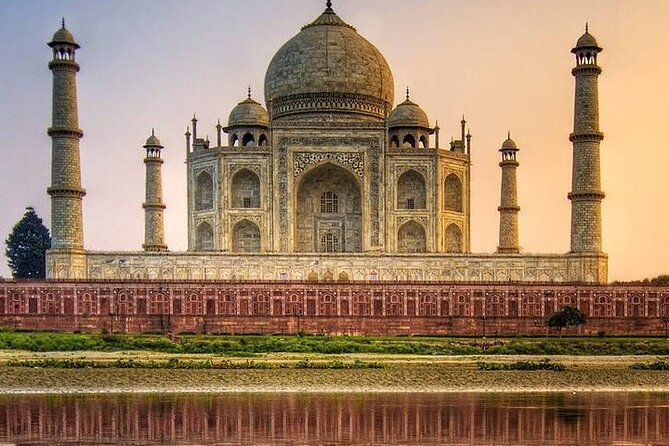
The Golden Triangle is famous for a reason: you can see a huge range of India in three days—Mughal-era architecture in Delhi and Agra, plus Rajput palaces and forts in Jaipur. The catch is that doing it on your own can turn into a lot of scheduling, ticket lines, and navigation.
That’s where the private setup earns its keep. With a car and driver, you spend your energy on sightseeing instead of figuring out routes, transfers, or how to get from one major monument to the next. You also get a guide who can connect the dots between styles—Afghan-inspired minarets, Mughal symmetry, and Jaipur’s fort-and-palace world—without you having to read a guidebook between stops.
Value-wise, it’s not just the transport. Your package includes hotel accommodation, breakfasts, parking fees, fuel surcharge, and a tour guide. At around $117 for the full 3 days, the price looks low on paper—until you remember that monument admissions and lunch are separate. Still, when you add up car+driver time plus guide service plus hotel nights, it often pencils out as a practical choice for people who want momentum more than DIY.
You can also read our reviews of more private tours in New Delhi


Day 1: Humayun’s Tomb, Qutub Minar, Lotus Temple, and Delhi icons before Agra
Day 1 starts in Delhi with a pickup at 9:00 am from your location in Delhi, Gurugram, or Noida. From there, the route is stacked: you’re not just doing one highlight—you’re squeezing in several major landmarks with short, focused stops.
Humayun’s Tomb is a great way to begin because it sets the Mughal tone right away. It’s UNESCO-listed, and it’s the kind of place that rewards slow walking and a quick look back at the façade details. Even if you’ve seen other Mughal tombs, this one helps you understand how style and symmetry became a signature.
Next comes Qutub Minar, another UNESCO site and one of Delhi’s most dramatic vertical monuments. The key here isn’t only the height. It’s the historical weight of the complex and the way the tower dominates the skyline from almost every angle around it. You’ll likely spend about 40 minutes—enough time to take photos and understand the basics with a guide.
Then you get a calmer architectural break at Lotus Temple. It’s a serene, lotus-shaped building designed by Fariborz Sahba, and it’s closed on Mondays. If your day 1 lands on a Monday, you’ll want your guide to adjust the schedule, since the plan as listed may not work exactly.
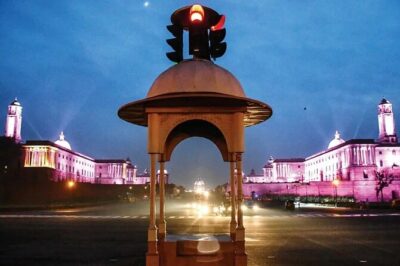
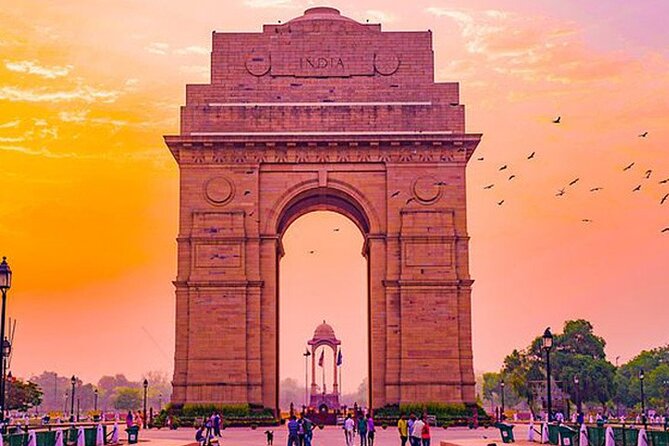
From there, the day moves into classic Delhi memorial and civic landmarks: India Gate and Rashtrapati Bhavan. India Gate is a 42-meter-high war memorial designed by Lutyens in 1921, built to honor soldiers who lost their lives in World War I and related conflicts. It’s quick—about 30 minutes—but it’s one of those places where a guide helps you notice what you’d otherwise miss.
Rashtrapati Bhavan (the President’s House) is the final Delhi stop before you head out. The itinerary notes it has 340 rooms and roughly 2.5 kilometers of corridors—meaning it’s enormous in scale, even if you only see part of it during your visit. The time is short (around 30 minutes), so think of it as a meaningful orientation stop.
Late afternoon, you transition to Agra, with about a 3-hour drive. By the time you check in, the day’s “big sightseeing” part is done, and that’s actually smart planning. You’re saving your major emotional payoff—Taj Mahal—for the next morning.
Day 2: Taj Mahal sunrise plus Agra Fort, then rolling toward Jaipur
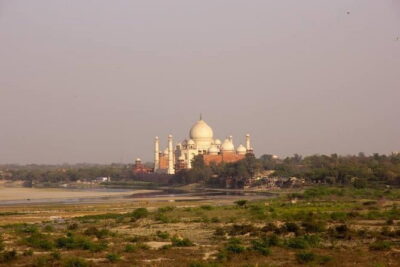
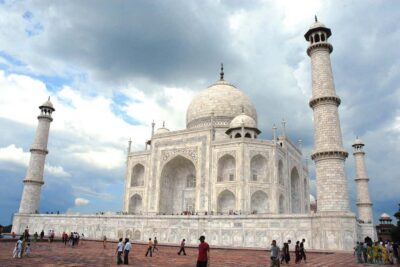
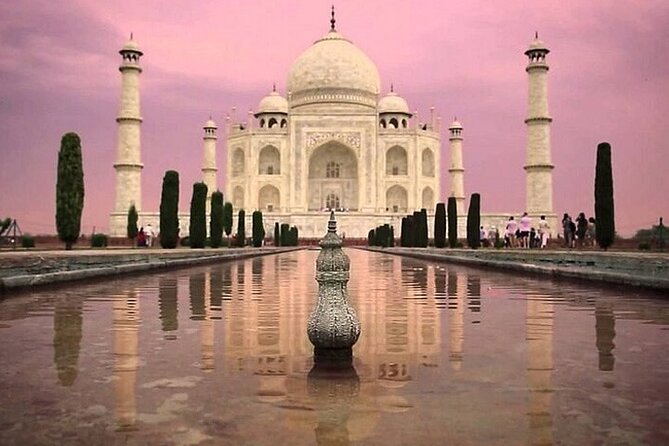
Day 2 is the star of the show: Taj Mahal sunrise. The itinerary sets aside about two hours here, and sunrise matters. Early light reduces haze and gives the marble surfaces a softer look than midday glare. Even if you’ve seen photos, seeing it in person is the moment when the “Golden Triangle” label becomes more than marketing.
Important practical note: Taj Mahal admission tickets are not included, so you’ll want to have that money ready or plan how you’ll handle it with your guide. Also, sunrise visits usually mean you’ll be up early—worth it, but don’t plan any late nights the night before.
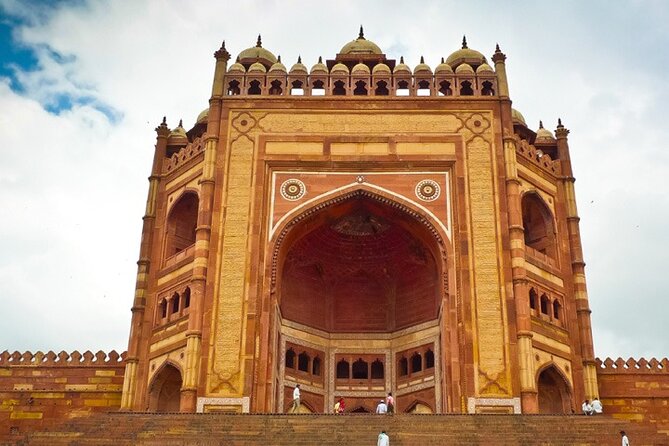
After the Taj, you move to Agra Fort, UNESCO-listed and one of the strongest “Mughal power” statements in the region. It served as a Mughal residence until 1638, and its location on the Yamuna River gives the fortress a sense of strategic importance. Your scheduled time is about 45 minutes. That’s enough to get the layout and major highlights, but it’s still brief—so if you love forts and architecture, you may feel you could spend longer.
Then comes the long drive day. You head onward toward Jaipur and your package includes hotel accommodation for the next stop. The schedule lists about a 4-hour drive to Jaipur after Agra sightseeing. In a tight 3-day itinerary, these travel blocks are where your comfort and driver quality matter most—good driving makes the difference between “tiring” and “manageable.”
This is also where I’d keep one expectation straight: day 2 is about moving from “Taj moment” to “Rajasthan palaces.” You’re not supposed to feel like you already lived there for a week. The goal is efficient highlights and enough rest to enjoy day 3.
Day 3: Amber Palace, Jal Mahal photos, the Hawa Mahal area, and Jantar Mantar
Day 3 starts with Amber Palace (Amber Fort), roughly 11 km northeast of Jaipur. The scheduled visit is about two hours. This is the place where you’ll feel the shift from Mughal symmetry to Rajput fort-and-palace design. The fort sits on rocky terrain and is known for its palace complexes made with pink sandstone, plus the way the architecture is designed for both status and defense.
Next is Jal Mahal, the Water Palace, famous for postcard-style photos near Man Sagar Lake. It’s listed as about 30 minutes and the itinerary notes its origins are uncertain, though it’s believed to be restored or built by Jai Singh II in the 1700s. Even if you only get quick views, it’s a great contrast stop after the heavier fort atmosphere.
Then you move into the Old City viewpoints: Hawa Mahal (Palace of Wind) is listed as about 20 minutes, and the plan mentions the City Palace area as part of the same stretch. The key here is that you’re in the center of Jaipur’s classic street-and-building layout. This is a great moment to slow down a bit for photos and details, but don’t expect a long sit-down visit—the time block is short by design.
After that, you visit Jantar Mantar, the UNESCO World Heritage Observatory. The itinerary gives about 40 minutes. What helps here is having a guide to explain what you’re looking at—geometric structures designed to track celestial movements of stars and planets. It’s not just “old science stuff.” It’s built into the physical layout, and it gets much more interesting when someone points out what each section is measuring.
Finally, the tour heads back to Delhi/Gurugram/Noida with an approximately 5-hour drive. Plan an easy evening after you arrive. Even if you feel fine during the day, the combination of early mornings, walking, and long transfers adds up.
The real value: what’s included, what isn’t, and how that affects your budget
This tour includes:
- Tour guide
- Private AC car
- Hotel accommodation (3- or 5-star option)
- Breakfast (2)
- Parking fees and fuel surcharge
What isn’t included:
- Monument tickets/admission
- Lunch
This matters because the big-ticket costs in the region are mostly admission fees. Taj Mahal is usually the one people feel most strongly about, but you should also expect additional payments at other UNESCO sites depending on the day and ticket requirements.
So how does a price like $117 make sense? It’s the difference between paying for a “logistics bundle” versus paying for “everything with no add-ons.” If you want minimal planning and a driver+guide that covers the entire loop, this structure can be good value. If you hate surprise costs, you’ll want to set aside a clear admissions budget before you go.
Also, note that the itinerary suggests a mobile ticket and free cancellation, which usually means fewer last-minute headaches. The biggest thing to verify with any tour like this is which hotel category you chose, because that’s where the comfort value can shift a lot.
You can also read our reviews of more tours and experiences in New Delhi





Hotels, timing, and the car-and-driver advantage (aka your sanity)
The hotel part is flexible: you can opt for 3- or 5-star. That matters because after two early starts (Delhi sightseeing day, then Taj sunrise day), you’ll care about having a comfortable place to shower, rest, and reset your energy.
The private AC car is the other major quality factor. The itinerary includes long drives:
- Delhi to Agra: about 3 hours
- Agra to Jaipur: about 4 hours
- Jaipur back to Delhi: about 5 hours
In other words, this trip isn’t “light travel.” It’s active sightseeing plus real road time. A good driver reduces stress, and the guide helps you use each stop efficiently. That’s why the “car and driver” isn’t just convenience; it’s what keeps your days from feeling chaotic.
One small consideration: because the itinerary includes multiple monuments in Delhi on day 1, you’ll be moving fairly quickly through sites. If you prefer extremely slow, detailed visits with lots of time to linger, you might feel the schedule is tight. The tradeoff is that you see more major sights in three days than most self-planned trips would manage without serious coordination.
Who should book this private Delhi–Agra–Jaipur loop?
This tour fits best if you:
- Want a high-coverage Golden Triangle experience without planning transportation between cities
- Prefer a guide-led approach so the monuments make sense beyond photos
- Are traveling solo and want a setup that feels structured and comfortable—there’s a strong signal here from a solo traveler story involving Mohammed, described as respectful and reassuring
- Have limited time in North India and still want the “headline” sites
It may be less ideal if you:
- Want to spend lots of time shopping or wandering slowly through local areas beyond the main stops
- Don’t like paying admission fees separately
- Have a strict preference for free-form itinerary changes (this schedule is built for efficiency)
Should you book this 3-day tour from Delhi?
If your priority is seeing Delhi highlights, the Taj Mahal at sunrise, Agra Fort, and Jaipur’s best-known sites in one smooth loop, I think this is a smart booking. The private AC car and included guide reduce most of the stress that usually comes with the Golden Triangle.
Before you commit, do two quick checks:
- Budget for monument tickets and lunches since those are not included.
- Confirm your hotel star option and that the day-to-day lodging matches where you need to be for morning starts.
If those are aligned, you’ll get exactly what a short Golden Triangle should deliver: big sights, efficient travel, and a trip that feels organized without stripping away the real experience.
FAQ
Is pickup included for this tour?
Yes. Pickup is offered from Delhi, Gurugram (Gurgaon), or Noida at around 9:00 am from your preferred location.
Does the tour include a guide and a private car?
Yes. A tour guide and a private AC car are included, along with parking fees and fuel surcharge.
Are monument tickets included for sites like the Taj Mahal?
No. Monument tickets/admission are not included, so you’ll need to pay for entries separately.
Is lunch included?
No. Lunch is not included in the package.
Where do you return at the end of the tour?
At the end you’ll be taken back to Delhi/Gurugram/Noida (or potentially dropped at Jaipur airport/railway station), with the drive taking about 5 hours.
Can I cancel for free?
Yes. Free cancellation is available up to 24 hours in advance for a full refund.