REVIEW · NEW DELHI
Vegetarian : Private Cooking Class in Delhi home ( Learn 7 meal)
Book on Viator →Operated by Indian Food Cooking Class · Bookable on Viator
A Delhi home cooking class turns dinner into a lesson. You get guided, hands-on practice with Indian spices and vegetarian comfort food in a local family setting in New Delhi, with a private group experience. You also choose lunch or dinner, and your menu can be vegan or vegetarian.
I love how personal the teaching feels. Hosts Preeti and her family explain as you go, and the class doesn’t just hand you steps—it helps you understand why the spices and ingredients work. I also like that you leave with more than full stomach energy: Preeti sends recipes after the class, which makes it easier to cook the dishes again at home.
The one thing to keep in mind is logistics: there’s no hotel pick-up or drop. You’ll need to get yourself to the meeting area near Uttam Nagar West Metro and arrive about 15 minutes early so the kitchen flow stays smooth.
In This Review
- Key things that make this cooking class work
- A Delhi home kitchen lesson that feels real
- What you’ll actually cook: 7 vegetarian dishes, not random plates
- Getting started with spices: why the first session matters
- Snack phase: pakora, mint sauce, and tea
- Main course cooking: a full vegetarian meal in 4–5 dishes
- Lunch or dinner choice: how to pick the right timing
- Who runs the show, and why it feels easy
- Price and value: what $47 buys you here
- Where it starts: Uttam Nagar meets the practical side of Delhi
- What to expect from the pacing (and how to get more out of it)
- Who this vegetarian private cooking class is best for
- Should you book this Delhi vegetarian cooking class?
- FAQ
- What is the duration of this cooking class in Delhi?
- How many dishes will I learn to make?
- Is the class vegetarian only?
- What drinks and dishes are included?
- Can I choose lunch or dinner?
- Where does the class meet?
- Is hotel pick-up or drop-off included?
- What should I wear?
- How do cancellations work?
Key things that make this cooking class work
- Learn 7 dishes across snacks and a main-course spread, not just one curry
- Spice-focused start with an explanation before you start cooking
- Vegetarian or vegan menu options so you can match your diet
- Private group in a real home, which makes questions easier and instruction more tailored
- Preeti’s clear teaching, plus a recipe send-after that actually helps
- You eat what you cook, so you can taste-test technique and adjust next time
A Delhi home kitchen lesson that feels real
This class is built around a simple idea: Indian food is easier when you understand the spices and the cooking logic, not when you memorize a recipe. You’ll be welcomed into a Delhi home, learn about key spices first, and then move straight into hands-on cooking.
It’s also designed to fit your schedule. You can choose a lunch class or a dinner class, and the menu can be vegetarian or vegan depending on what you book. That matters, because it keeps the experience aligned with how you actually like to travel—by eating well, and by learning without compromising your diet.
And yes, it’s private. Only your group participates, so you’re not stuck watching someone else cook while you wait for your turn.
You can also read our reviews of more private tours in New Delhi



What you’ll actually cook: 7 vegetarian dishes, not random plates
The promise here is learning 7 meals/dishes, spread across snack time and the main meal. The exact mix can vary, but you can expect the kinds of dishes that show up again and again in North Indian vegetarian cooking.
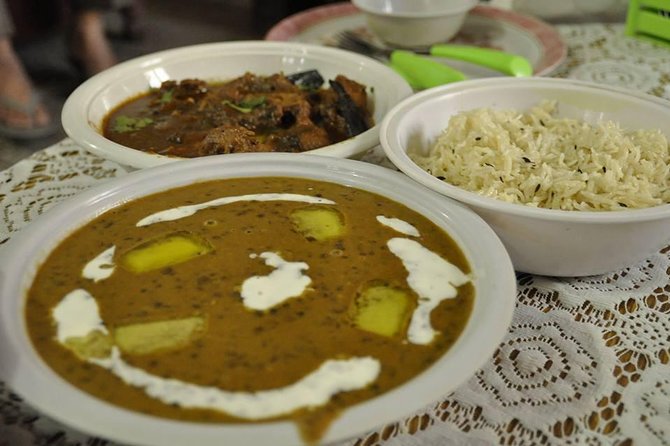
From the class structure and included items, you should plan for a spread that includes:
- Pakora (you’ll make mix vegetable pakora)
- Mint sauce (you’ll make it, not just taste it)
- A paneer curry (included)
- A lentil/dal-style curry (included)
- A seasonal dry vegetable side (included)
- Cumin rice
- Indian bread (you’ll learn it as part of the meal)
You’ll also learn dishes mentioned in the broader lesson examples, like aloo gobi (potato and cauliflower curry) and roti (flatbread). Even if your exact set rotates, the teaching approach stays consistent: learn the spice base, learn how moisture and heat change texture, and learn how to build a meal that works together.
The value of this setup is that you come away with a full vegetarian plate. It’s not just one standout curry that tastes great once and then confuses you later.
Getting started with spices: why the first session matters
Before you touch cookware, you start with an explanation of spices. This is where the class earns its keep.
In many cooking classes, you’re thrown into chopping and stirring with a quick mention of spices at the start. Here, you begin with a dedicated spice session, then you cook. That sequence helps you connect what you’re tasting to what you’re doing in the pan—like how toasted spices smell different from raw spices, or how spice heat changes when it meets oil.
After the spice talk, snack time begins. You’ll also be served Indian masala tea or lassi (you get one of these), along with mint sauce for tasting and then later cooking.
If you like food learning that sticks, this is a great entry point. You’ll be less dependent on exact measurements and more confident adjusting spices to your own pantry later.
Snack phase: pakora, mint sauce, and tea
The class doesn’t start with something complicated. It starts with snacks—about 2–3 types—plus masala tea or lassi and mint sauce.
You’ll be making mix vegetable pakora, which is a nice first practical dish because it teaches fundamentals: how a batter should behave, what kind of vegetable pieces cook evenly, and what happens when oil temperature is too low or too high. Even without fancy equipment, pakora is an honest teacher.
Mint sauce also deserves attention. It’s included and it’s not an afterthought. The sauce adds a cool, sharp contrast to hot, spiced fried snacks, and that balance is a core idea in Indian meals. When you understand that contrast, you’ll make better choices when you cook later at home.
Taste matters here. You eat what you’ve made, so you can immediately connect technique to flavor. If something needs adjusting—more salt, a hotter spice, a different texture—you notice it while the memory is fresh.
Main course cooking: a full vegetarian meal in 4–5 dishes
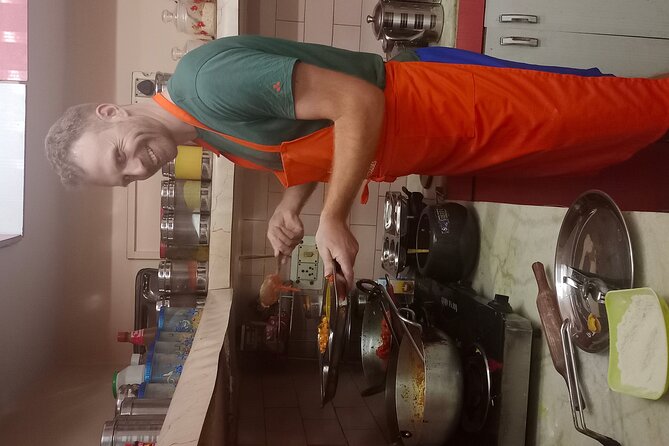
Then you move into the main course, where you’ll cook about 4–5 dishes. This is where the meal building happens.
Expect curries and sides that complement each other:
- A paneer curry (included)
- A lentil/dal (included)
- A dry seasonal vegetable (included)
- Cumin rice
- Indian bread (bread/roti-style)
Depending on the menu, you might also make dishes like dal and aloo gobi—examples highlighted as part of what you learn. What you’re practicing is how Indian vegetarian cooking often builds layers: a spiced base, a protein or vegetable component, and then a finishing adjustment (freshness from herbs, thickness from simmering, or balance from acidity and salt).
One practical advantage of this structure: you’re cooking a meal that works together, not just isolated dishes. You’ll understand how rice and bread handle sauce differently, and why a dry vegetable side matters—it brings another texture so the plate doesn’t feel one-note.
And because you’re cooking in a home setting, instruction tends to be realistic. People cook this way every day, so the guidance focuses on what actually helps you cook better, not just what impresses on camera.
You can also read our reviews of more cooking classes in New Delhi



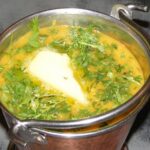


Lunch or dinner choice: how to pick the right timing
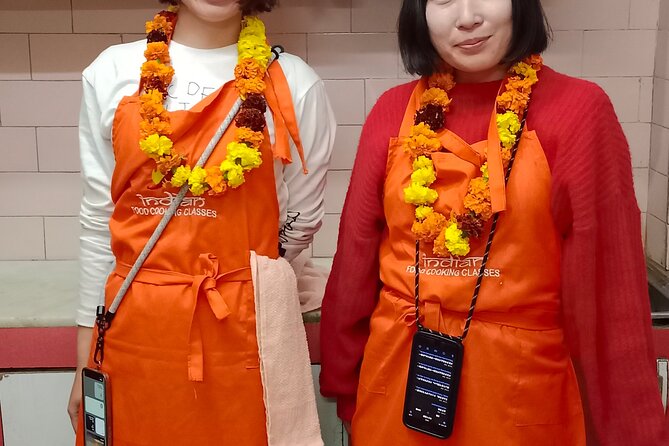
You can choose lunch or dinner. That choice can affect the mood and pace, even if the overall duration is about 3 hours.
If you’re sightseeing on a tight schedule and you want a calmer meal stop, lunch can work well because you finish while the rest of the day is still open. If you prefer a slower evening and want dinner to feel like the highlight of your day, dinner is the better match.
Either way, plan your appetite for a full meal. Snacks come first, then the main-course dishes. You’ll end up eating what you cook, so you’ll likely want to keep other plans light afterward.
Who runs the show, and why it feels easy
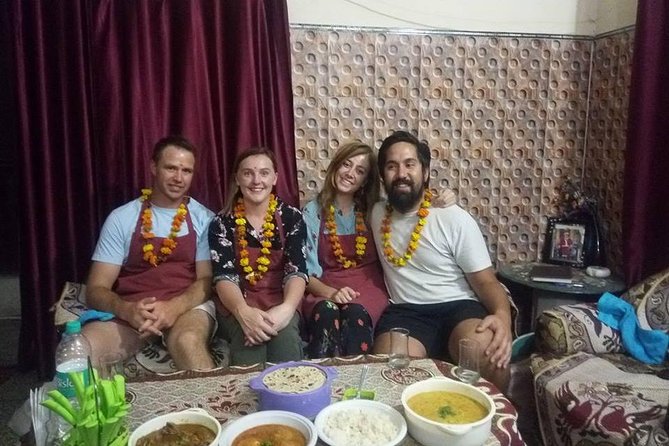
In the best way, this class sounds like a real family kitchen setup. Preeti is a host who explains clearly and pays attention while you cook. Based on guest feedback, she’s attentive and good at making the steps understandable—especially if you have only a little Indian cooking experience.
Guests also note that Preeti’s husband is kind and that he may help with a short ride from the metro to the class location. That’s not the same as hotel drop-off, but it’s still helpful if you’re not sure how to navigate the local area.
One more detail I appreciate from the teaching style: after the class, Preeti sends recipes. That turns the experience from a one-day memory into something you can repeat.
Price and value: what $47 buys you here
At $47 per person, you’re paying for a private home cooking lesson, guidance through spices, and a complete vegetarian meal you actually eat. The class runs about 3 hours, which is important because you’re not paying for a quick sampling session.
What makes it feel like value is the range:
- You’re not just tasting—you’re cooking multiple dishes.
- You get both snack and main-course instruction.
- Many “budget food tours” are mostly eat-and-walk. This one is hands-on meal learning in a real home kitchen.
Also, the experience supports dietary flexibility (vegetarian or vegan menus), which prevents the usual problem of a food class that doesn’t quite match your needs.
If you’re traveling with a group, look into group discounts. Since it’s private, discounts can make it even easier to justify compared to cooking classes that charge more for smaller or less guided experiences.
Where it starts: Uttam Nagar meets the practical side of Delhi
This class starts at a specific address in Uttam Nagar, near Sunil Dairy. The meeting point is:
A1, 63, Hastsal Rd, near Sunil Dairy, Block A1, Uttam Nagar, New Delhi 110059.
There’s also a stated pickup spot at Uttam Nagar West Metro station outside gate no. 4. Since hotel pick-up and drop aren’t included, you’ll want to handle your own route to the metro area.
Two small but important tips:
- Arrive 15 minutes early so you can settle in before cooking starts.
- Wear casual clothes, since you’ll be standing, handling ingredients, and moving through a home kitchen setup.
If you like smooth logistics, this is manageable, but it does require you to plan your metro-to-home timing.
What to expect from the pacing (and how to get more out of it)
The pacing follows a clear flow:
- Welcome and spice explanation
- Snack session (including masala tea or lassi and mint sauce)
- Main course cooking (4–5 dishes), then eating your creations
Here’s how you can get more out of it:
- Ask questions during the spice part. If you don’t understand a spice’s job, it’ll feel like magic later.
- Pay attention to texture cues. The recipes are only half the story—how things smell, thicken, and change is the other half.
- Don’t rush the tasting. You’ll remember flavors better if you notice how mint sauce and curries interact.
And since it’s a private class, you can usually ask for adjustments to your pace. If you move slower or you’re unsure about a step, you’re not holding up a crowd.
Who this vegetarian private cooking class is best for
This is a strong pick if you want:
- A vegetarian cooking experience that still teaches real technique
- A home-based class where questions feel normal
- A structured lesson with a clear menu outcome (you’ll cook multiple dishes and eat them)
It also fits well if you’re:
- Traveling in a group that prefers private instruction
- A vegan or vegetarian traveler who wants menu options rather than just substitutions
- Someone who likes bringing food learning home with recipes you can use later
If you hate hands-on cooking, this won’t be your best choice. The core of the experience is cooking, not just watching and eating.
Should you book this Delhi vegetarian cooking class?
I’d book it if you want a practical food lesson that ends with a full meal, not a short tasting detour. The best reasons are the spice-first teaching approach and the way the class is set up to make you cook an actual vegetarian spread. Preeti’s instruction style and the recipe follow-up also make it easier to repeat at home.
I’d think twice only if you’re counting on hotel pick-up or you don’t want to navigate metro-to-meeting-point timing. If you can handle arriving early and getting to the Uttam Nagar area, this is a great value way to experience Delhi food the right way: by cooking it.
FAQ
What is the duration of this cooking class in Delhi?
The class lasts about 3 hours.
How many dishes will I learn to make?
You’ll learn 7 meals/dishes as part of the vegetarian cooking lesson.
Is the class vegetarian only?
It’s specifically for vegetarian menus, and you can also choose vegan menus depending on your booking.
What drinks and dishes are included?
You get either Indian masala tea or lassi (you choose one), mix vegetable pakora, mint sauce, an included paneer curry, lentil, a seasonal dry vegetable, cumin rice, and Indian bread.
Can I choose lunch or dinner?
Yes. You can choose between a lunch class or a dinner class.
Where does the class meet?
The start point is at A1, 63, Hastsal Rd, near Sunil Dairy, Block A1, Uttam Nagar, New Delhi 110059, India.
Is hotel pick-up or drop-off included?
No. Hotel pick-up and drop are not included.
What should I wear?
Wear casual clothes.
How do cancellations work?
You can cancel for a full refund up to 24 hours before the experience starts. If you cancel less than 24 hours in advance, the amount you paid won’t be refunded.