REVIEW · NEW DELHI
Golden Triangle Tour 3 Days
Book on Viator →Operated by Agra Voyage · Bookable on Viator
Three days can feel like a miracle in India. This Golden Triangle tour strings together Delhi, Agra, and Jaipur with a guide at the key sights and a private group feel, so you’re not just watching from a bus window. The catch: you’ll spend real time in the vehicle between cities, so it’s best if you like moving days.
I like that the tour is built around options. You can pick packages with monument admission and even add hotel accommodation with breakfast (if that option is selected), which helps you avoid surprise ticket lines at the most important stops.
Price-wise, it lists at $20 per person, and that only feels meaningful if your package choices match what you want to see. If you want the most value, focus on choosing the option that covers monument fees and comfort (air-conditioned vehicle plus hotel when selected).
In This Review
- Key things to know before you go
- Why This Golden Triangle Plan Fits 3 Days
- Day 1 Delhi: Jama Masjid, Chandni Chowk, and Sikh Delhi at Bangla Sahib
- Day 2 Agra at Sunrise: Taj Mahal and Agra Fort Without the Rush
- Day 2 Fatehpur Sikri and the Long Ride to Jaipur
- Day 3 Jaipur: City Palace, Hawa Mahal, and Amber Palace
- Jal Mahal Photos, Jantar Mantar Timing, and Drop Back to Delhi
- Price, Comfort, and What the Package Options Actually Change
- Should You Book This Golden Triangle Tour?
- FAQ
- What cities are included in this 3-day Golden Triangle tour?
- Is pickup offered?
- Do monument tickets cost extra?
- Are hotel stays included?
- Does the tour include a guide?
- Is this a private tour?
- Is the Taj Mahal included, and when do you visit?
- What is the cancellation policy?
- Is there a mobile ticket?
Key things to know before you go
- A private group tour for your party, with a guide who provides site commentary
- Two sightseeing rhythms: guided monument time plus faster stops like India Gate and photo breaks
- Sunrise Taj Mahal day so you can see the classic look before crowds and heat
- Hotel stays in Agra and Jaipur available in the package (with breakfast when selected)
- Monument fees are optional depending on the package, so confirm what’s covered
Why This Golden Triangle Plan Fits 3 Days
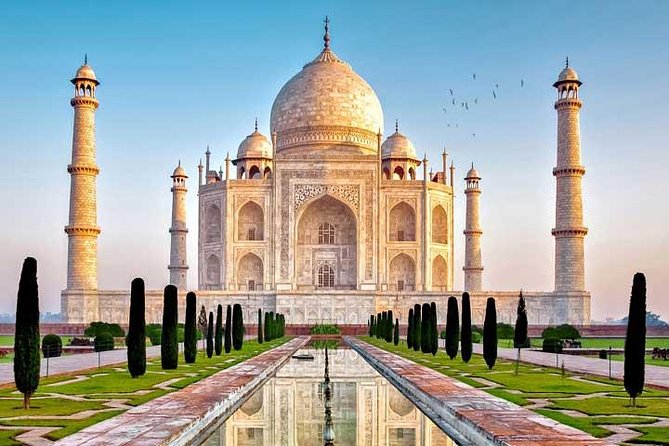
The Golden Triangle is famous for a reason: it’s where India’s Mughal-era grandeur and classic city life collide. What makes this version work is the pacing. Instead of cramming everything into one or two marathon days, you get three chunks: Delhi first, then Agra, then Jaipur.
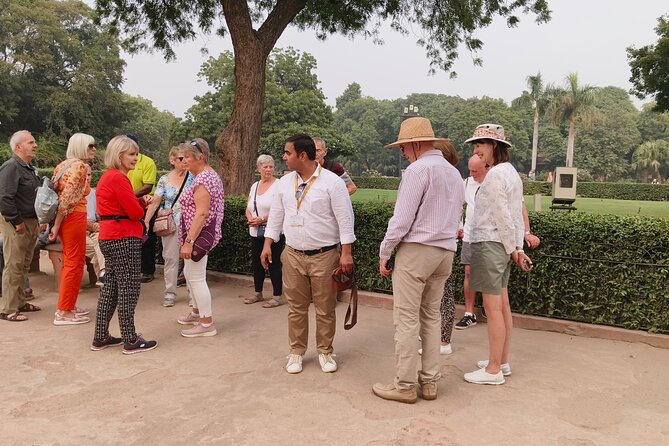
Your itinerary is also built for guidance, not guesswork. You’ll have a guide with commentary on major stops, from grand religious architecture to royal palaces and forts. That matters because a lot of the best moments at these sites are visual, but the meaning is in the details—plans, materials, and the why behind the designs.
The main consideration is time. You’ll be in an air-conditioned vehicle (included) with scheduled drives, including a drive from Delhi to Agra and then onward to Jaipur, before returning to Delhi on the last day. If you hate transfers, this tour may feel like more transit than treasure. If you’re okay with that trade, it’s a smart way to hit the highlights without chaos.
You can also read our reviews of more tours and experiences in New Delhi



Day 1 Delhi: Jama Masjid, Chandni Chowk, and Sikh Delhi at Bangla Sahib
Delhi is two cities in one: monumental and everyday. Day 1 leans into that mix, starting with Jama Masjid, one of the largest mosques in India, built by Shah Jahan between 1644 and 1656. You’ll get about 30 minutes there, with admission included. It’s a great opener because the scale and design hit fast, and the guide time helps you connect the architecture to the Mughal story.
Next is Chandni Chowk, the Old Delhi shopping area known for spices, dried fruit, silver jewelry, and vivid saris. It’s about an hour and admission is free. I like this stop because you’re not just collecting photos. You’re getting sensory context—what people buy, how streets funnel, and how the city feels before you move on.
From there, you take a guided rickshaw-style Old Delhi heritage and culture experience (about 1 hour 30 minutes, admission included). This is one of the best ways to see narrow lanes without walking every meter, and it usually keeps energy up because the route shifts with the city.
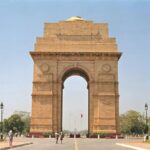
The day balances spiritual and political memory with stops like Raj Ghat, the black marble platform marking Gandhi’s cremation spot (with included admission). A quick visit to India Gate is next—mostly a drive pass, 5 minutes, free—good for orientation even if you’re not lingering.
Then come three major “big architecture” hits:
- Humayun’s Tomb (about 1 hour 30 minutes, admission included), praised for its Mughal garden-tomb layout with causeways and channels.
- Gurudwara Bangla Sahib (about 1 hour 30 minutes, admission included), a prominent Sikh gurdwara. This is also a place where the guide can explain the idea of langar (community meals), and one named guide, Kaushal Pandey, is specifically noted for being patient while answering questions and sharing context about Sikh social work and philosophy.
- Rashtrapati Bhavan (about 10 minutes, free) for a quick look at the president’s residence, formerly the Viceroy’s House.
- Lotus Temple (about 30 minutes, free), the Bahá’í House of Worship with its lotus-like shape, dedicated in December 1986.
After all that, the day ends with a drive to Agra (about 3 hours) and an overnight stay.
Day 2 Agra at Sunrise: Taj Mahal and Agra Fort Without the Rush
Day 2 is built around the moment people come for: the Taj Mahal. The plan is an early morning visit for sunrise, about 3 hours total, with admission included. The Taj is an ivory-white marble mausoleum commissioned in 1632 by Mughal emperor Shah Jahan. Seeing it at sunrise is about light, yes—but it’s also about getting your head into the story before the day gets loud.
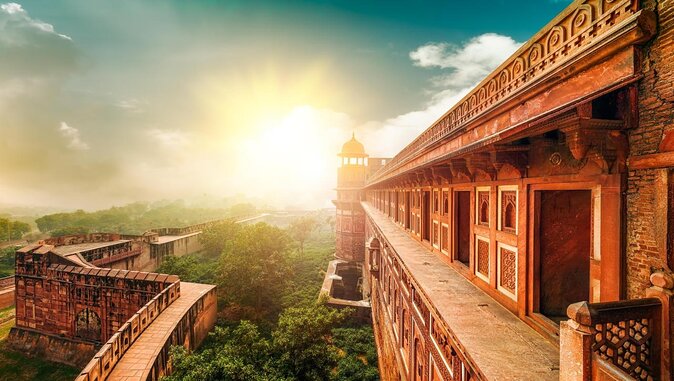
Agra Fort follows, about 2 hours with admission included. This is described as a former imperial residence of the Mughal Dynasty and a UNESCO World Heritage site. I like pairing it with the Taj because the mood shifts. The Taj is perfect and iconic. The fort is functional and powerful, with the sense that rulers lived, guarded, and planned here.
One practical point: sunrise starts can be tiring, even when the schedule is reasonable. If you choose a package with hotels included, use the first night to truly rest. The payoff is better when you arrive alert and ready to look closely.
After Agra Fort, the itinerary turns toward the road again. You’ll head to Fatehpur Sikri on the way to Jaipur, with time allocated for a short visit, then continue onward for the next overnight.
Day 2 Fatehpur Sikri and the Long Ride to Jaipur
Fatehpur Sikri is your “one more Mughal world” stop, and it’s set up as a quick detour, about 1 hour, with admission listed as free. The city was founded by Akbar in 1569 and served as the Mughal Empire’s capital from 1571 to 1585. That timeline is the key to appreciating what you’re seeing. It isn’t just ruins or buildings—it’s a snapshot of a capital built and then later abandoned.
This is also where you feel the Golden Triangle rhythm. You’ll be switching from Agra’s tight focus to a broader step back in time, and then you’ll roll toward Jaipur. The drive to Jaipur is about 4 hours, and you’ll overnight there.
If you’re the type who gets restless in cars, this is the segment to plan for. Pack water (you’ll have unlimited bottled water included) and keep expectations flexible. The scenery matters less than the arrivals, and the tour’s value comes from the sites you’ll actually spend time in.
Day 3 Jaipur: City Palace, Hawa Mahal, and Amber Palace
Jaipur is where the tour shifts from Mughal imperial scale to royal city design and fort-styled spectacle. The day starts at City Palace, a complex that includes Chandra Mahal and Mubarak Mahal plus other buildings. You get about 2 hours and monument admission included. This stop works best if you look at it as a living layout, not a single building. The city-palace idea is about how power occupied a whole district.
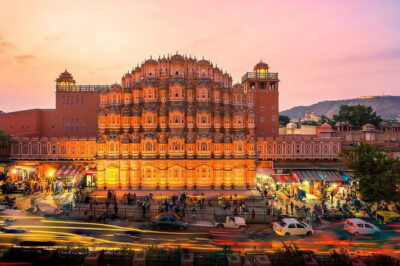
Next is Hawa Mahal (about 15 minutes, admission included). The point here is the concept: it’s called the Palace of Wind because it’s essentially a high screen wall so women of the royal household could observe street festivals from inside, unseen from the outside. It’s brief, but it’s a useful stop because it tells you how Jaipur adapted public life to royal privacy.
Then you go to Amber Palace (about 2 hours, admission included). The fort is at the top of the Aravali Hills and is described as a mix of Indo-Islamic architecture, gold-plated painting, mirror work, and European architecture. This is the most time-rich stop of the day, and it’s usually where you’ll want your camera ready for details, not just wide shots.
After Amber, the itinerary continues with shorter photo and curiosity stops before returning to Delhi.





Jal Mahal Photos, Jantar Mantar Timing, and Drop Back to Delhi
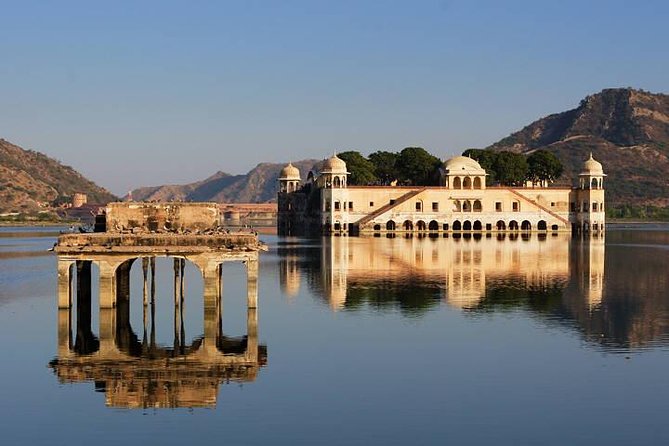
Day 3 keeps momentum with smaller stops. There’s Jal Mahal, the water palace in the middle of Man Sagar lake, listed for about 10 minutes with time mainly for photos. It’s the kind of stop where you’ll get the idea even if you don’t linger. The value is the postcard view and the quick reset before the final drive.
Then comes Jantar Mantar. The itinerary lists it as Jantar Mantar – Jaipur for about 1 minute and includes admission. The description text also mentions Jantar Mantar as located in New Delhi, which is a quirk you should watch for when you confirm with your guide. Expect it to be very quick in this plan—this isn’t a long study session.
Finally, you’ll drive back to New Delhi and the tour ends with drop-off at your preferred location (about 5 minutes noted in the plan). That closing matters. A lot of Golden Triangle tours end with a vague arrival. Here, the intention is clear: you’ll be returned to where you want to continue.
Price, Comfort, and What the Package Options Actually Change
The biggest decision isn’t the cities—it’s the package option. This tour lists $20 per person, but the inclusions show that what you get can change depending on your choices.
What stays consistent:
- Air-conditioned vehicle
- Guide services
- Unlimited water bottle
- Private tour for your group only
- A mobile ticket
- Breakfast is listed as included twice, with “breakfast (2)” under inclusions
What can change:
- Monument admission fees are included only if you choose that option
- Hotel accommodation with breakfast is included only if you choose the accommodation option, and the hotels are described as 3/4/5 star (with breakfast if selected)
My practical take: pick the package option that matches your priorities. If your goal is to walk into major sights like the Taj Mahal and Agra Fort without scrambling for add-on fees, choose the plan that includes monument fees. If you’re already planning to book your own hotels, you might skip accommodation—but then you should check whether the schedule’s overnight structure (Agra first, then Jaipur) still lines up with your plans.
The rating is high, with 4.8 out of 5 and 97% recommended, and specific guide praise stands out for patient, question-friendly explanations. Kaushal Pandey is named for making Jama Masjid architecture and history make sense, and for sharing Sikh community context at Gurudwara Bangla Sahib.
Should You Book This Golden Triangle Tour?
Book it if you want a guided, structured way to tick off Delhi, Agra, and Jaipur in a short window, especially if you like clear meeting points and a guide who can explain what you’re seeing. It’s a solid fit for first-time India visitors who want the big icons plus a taste of Old Delhi street texture through places like Chandni Chowk and the rickshaw-style Old City experience.
Consider skipping or upgrading your expectations if you strongly dislike driving days. The tour is scheduled around transfers, and that’s part of how it works.
If you’re deciding between options, I’d choose the package that includes monument admission and decide on hotels based on whether you want everything handled for you. Confirm the Jantar Mantar detail with your guide before you go, since the itinerary’s location notes are slightly mixed.
In short: this is a practical Golden Triangle starter kit—guided, fast, and built to help you see the essentials without turning your vacation into a checklist war.
FAQ
What cities are included in this 3-day Golden Triangle tour?
It covers New Delhi, Agra, and Jaipur over approximately 3 days, with an overnight stay in Agra on Day 1 and an overnight stay in Jaipur on Day 2.
Is pickup offered?
Yes, pickup is offered, and on Day 3 you’ll be dropped at your preferred location in New Delhi.
Do monument tickets cost extra?
Monument fees are included only if you select the package option that includes monument admission. If you choose a package without it, some sites may not have fees included.
Are hotel stays included?
Hotel accommodation with breakfast is included only if the accommodation option is selected. The hotels are listed as 3/4/5 star.
Does the tour include a guide?
Yes. Guide services are included, and the guide provides commentary at the sites.
Is this a private tour?
Yes. It’s described as a private tour/activity, and only your group participates.
Is the Taj Mahal included, and when do you visit?
Yes, the Taj Mahal is included with an early morning sunrise visit on Day 2, and admission is listed as included.
What is the cancellation policy?
Free cancellation is offered. You can cancel up to 24 hours in advance for a full refund, based on the experience’s local start time.
Is there a mobile ticket?
Yes, the tour includes a mobile ticket.