REVIEW · NEW DELHI
From Delhi: Private 3-Day Golden Triangle Tour
Book on GetYourGuide →Operated by PRIVATE DRIVER IN INDIA · Bookable on GetYourGuide
Golden Triangle in 3 days can feel like speed dating. I like that this tour is private, built around a live tour guide, and designed so the driver can flex the timing to your interests. You’ll see the big names plus the quieter details that make Delhi, Agra, and Jaipur click.
What I like most is the way the trip uses your limited time. Taj Mahal at sunrise is the anchor, and the day-to-day pacing is steady enough that you can actually enjoy the sights instead of just racing through them.
One thing to plan for: days can lose a major stop. The Taj Mahal is closed on Friday, and in Delhi temples (and the Red Fort) are closed on Monday, so your travel dates matter.
In This Review
- Key highlights at a glance
- Why the 3-day Golden Triangle feels efficient (and still enjoyable)
- Day 1 in Delhi: Old Delhi landmarks and imperial landmarks in one sweep
- The Agra transfer and Taj sunrise timing that makes the whole trip click
- Day 2 in Agra: Beyond the Taj with Fatehpur Sikri and Chand Baori
- Day 3 in Jaipur: Hawa Mahal, Amber Fort, Jal Mahal, and City Palace
- Hotels, private driving, and the safety factor you’ll actually feel
- Price and what $364 per person really represents
- When your dates affect the highlights: closures and practical limits
- Should you book this Delhi-to-Jaipur Golden Triangle tour?
- FAQ
- What are the main cities and duration of this tour?
- Is the Taj Mahal sunrise included?
- Where do we stay overnight?
- Does the tour include skipping the ticket line?
- What languages are available for the live tour guide?
- Is the tour wheelchair accessible?
- What should I bring and what is not allowed?
Key highlights at a glance
- Skip-the-ticket-line at key sights, which saves you from a lot of waiting
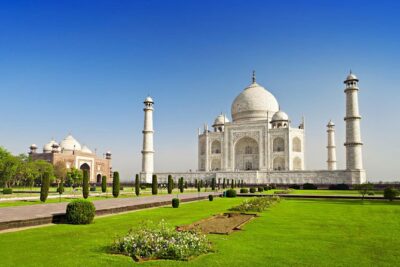
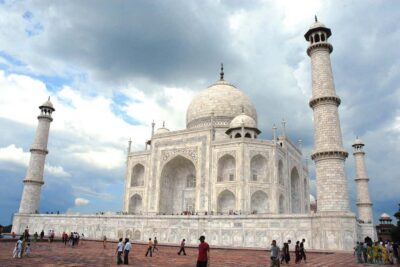
- Sunrise at the Taj Mahal in Agra, the most iconic moment of the route
- Old Delhi focus with Red Fort, Jama Masjid, Chandni Chowk, and Rajghat
- Fatehpur Sikri and Chand Baori added on Day 2 for variety beyond the usual stops
- Jaipur photo spots and forts: Hawa Mahal, Amber Fort, Jal Mahal, and City Palace
- ITC hotels in Agra and Jaipur for solid comfort after long drive days
Why the 3-day Golden Triangle feels efficient (and still enjoyable)
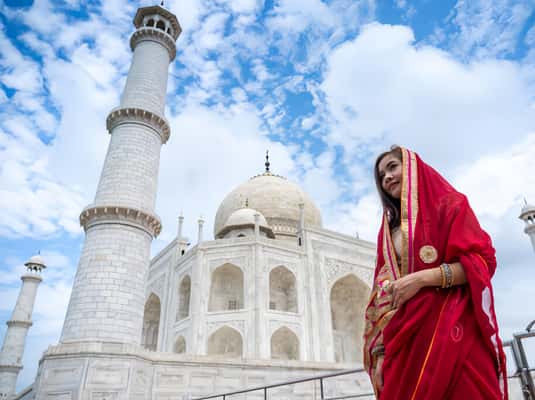
This is a classic Golden Triangle circuit: Delhi, Agra, Jaipur. The smart part is how the itinerary stacks the big sights with a human pace, using private transport to keep travel stress lower than doing it yourself with public options.
In three days, you’re not going to see every corner of three massive cities. But you will get the most “readable” highlights: Mughal-era architecture in Delhi and Agra, then Rajasthan’s royal center in Jaipur. If you want a first trip that gives you a clear sense of India’s scale and style, this route does that fast.
The other practical win is the guide and driver setup. You get a live English/French/Spanish/Russian guide, and the driver handles the movement between cities so you can focus on the sites. In recent bookings, drivers such as Abhi, Amit, Ram, and Manoj are repeatedly praised for safe, flexible driving. That matters because the experience can feel very different depending on traffic and timing.
You can also read our reviews of more private tours in New Delhi



Day 1 in Delhi: Old Delhi landmarks and imperial landmarks in one sweep
Day 1 starts in Delhi with a mix of Old Delhi energy and imperial-era landmarks. If you like contrast, this is where it starts: narrow lanes and market life on one side, grand monuments on the other.
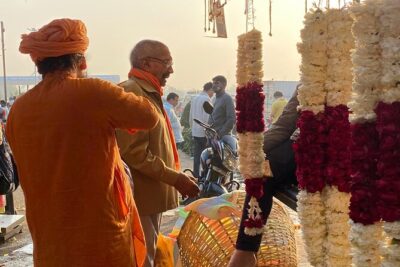
In Old Delhi, you’ll see the Red Fort, visit Jama Masjid, and walk through Chandni Chowk. This is the area where you can feel the “working city” vibe—people moving, shops running, and the architecture holding it all together. After that, the tour shifts to a more reflective stop at Rajghat, Gandhi’s memorial, which changes the mood in a good way.
Then the itinerary moves beyond the hustle toward major Delhi landmarks. You’ll visit Humayun’s Tomb and stop at India Gate. Humayun’s Tomb is a key step in understanding Mughal design logic, and India Gate helps you connect the site story to modern national memory.
A key note for your planning: in Delhi, all temples and the Red Fort are closed on Monday. So if your Day 1 lands on a Monday, the flow of Old Delhi stops may change.
By evening, you travel onward to Agra and check in at ITC Mughal. You’re not meant to squeeze in extra temples that night—you’re setting yourself up for a very early start.
The Agra transfer and Taj sunrise timing that makes the whole trip click
The Agra evening is mostly about positioning you for sunrise at the Taj Mahal. That’s not just a nice extra. The Taj looks different at sunrise because of light angle and the way the surface catches color. It also helps you beat crowds, which means you can actually look at details rather than scanning for a camera angle.
You’ll head back to your hotel for breakfast after the Taj visit. Staying at ITC Mughal is helpful because you’ll likely feel the early start in your legs. A comfortable hotel room matters here, not just because it’s nicer, but because it keeps the next day from turning into a fog of fatigue.
Sunrise is also a good “truth test” for the tour’s pacing. If the organization behind the scenes is strong, your morning feels like a planned moment instead of a scramble. In multiple bookings, guides and drivers (including Amit and others) are praised for being attentive and safe in their driving, which is crucial when schedules are tight.
One more timing factor: the Taj Mahal is closed on Friday. If you’re traveling on a Friday, double-check how the tour adapts so you’re not disappointed by a missing highlight.
Day 2 in Agra: Beyond the Taj with Fatehpur Sikri and Chand Baori
Day 2 begins with the Taj moment already handled, so the rest of the day becomes about variety. This tour avoids the trap of making you spend all day trapped in the same kind of sightseeing.
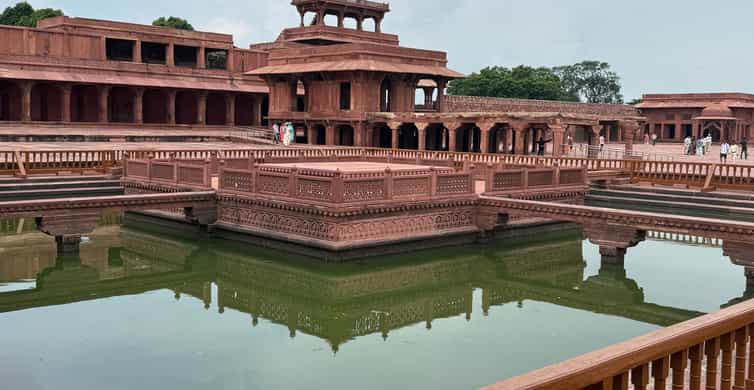
First, there’s Fatehpur Sikri, which is a major Mughal stop on the way toward Jaipur. You get architecture that feels grand and structured, but also slightly eerie in its scale. It’s the kind of place where you start noticing symmetry and planning, not just ornament.
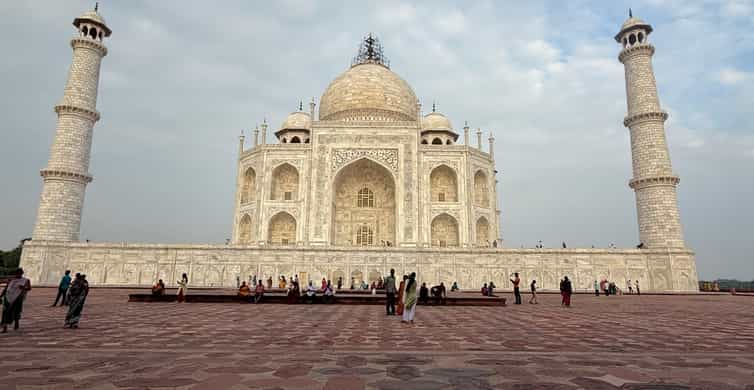
Then comes Chand Baori, a stepwell known for its sheer geometric repetition. Stepwells can look like a curiosity until you see one in person and realize they were engineered social spaces as well as functional water systems. Chand Baori is the perfect counterpoint to forts and palaces because it’s architectural problem-solving.
You’ll arrive in Jaipur afterward and have time to rest and refresh at your hotel. Again, ITC Rajputana is the comfort base here. When you switch cities and then add a full day of walking, good sleep becomes part of enjoying the trip.
From the guide perspective, Agra often feels the most story-driven city on this route. Some bookings specifically mention excellent local guidance in Agra, including a guide named Bupi, which shows how much your experience can improve when your guide explains what you’re looking at.
Day 3 in Jaipur: Hawa Mahal, Amber Fort, Jal Mahal, and City Palace
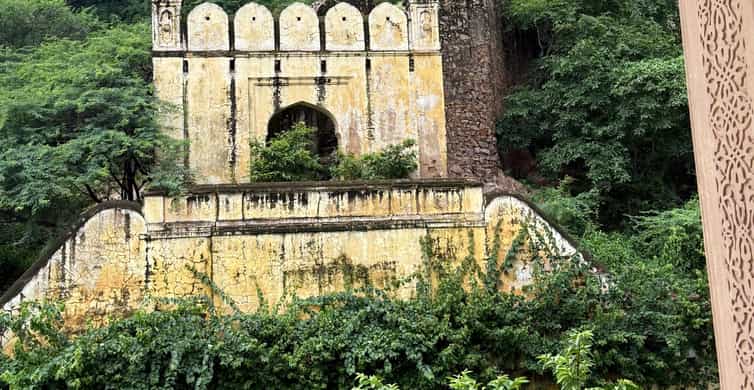
Jaipur is where the trip turns from Mughal grandeur into Rajasthan royal identity. The itinerary hits a classic set of stops, but it’s arranged so you see viewpoints, then forts, then a royal complex.
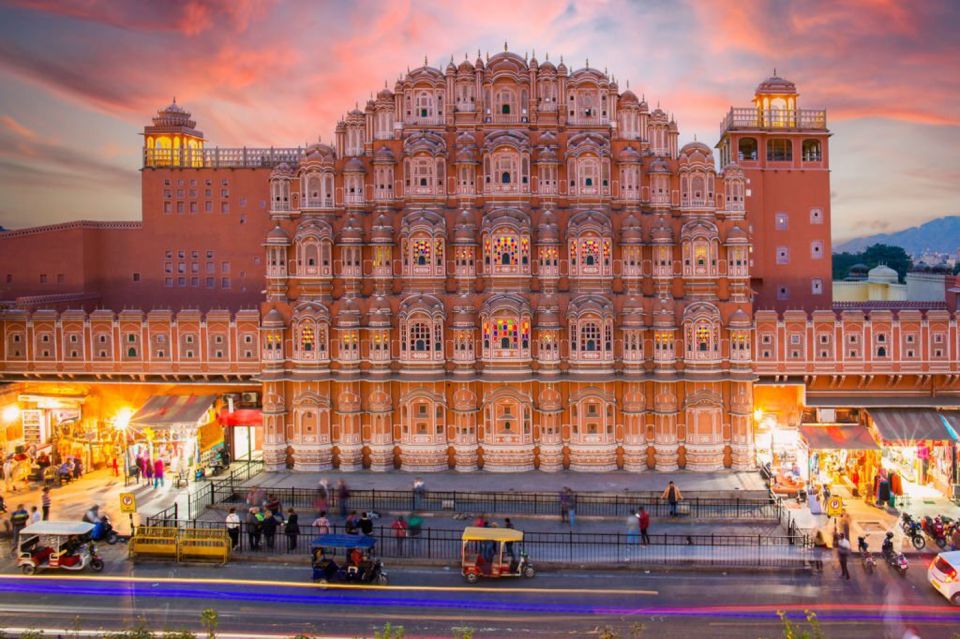
You start at Hawa Mahal, the Palace of Winds. It’s a photo favorite for a reason: the facade is visually busy, and you can walk around to see how the windows change the look from different angles. It’s also a good warm-up stop. You’re not expected to spend hours here—just enough time to understand the idea and grab your best angles.
Next is Amber Fort, the big fort highlight. You’ll explore the fort complex, and you have an option for an elephant ride to the hilltop fortress. If you prefer not to do the ride, you can still visit the fort area and enjoy the architecture. (If you do choose it, plan for time and follow the guidance of your driver.)
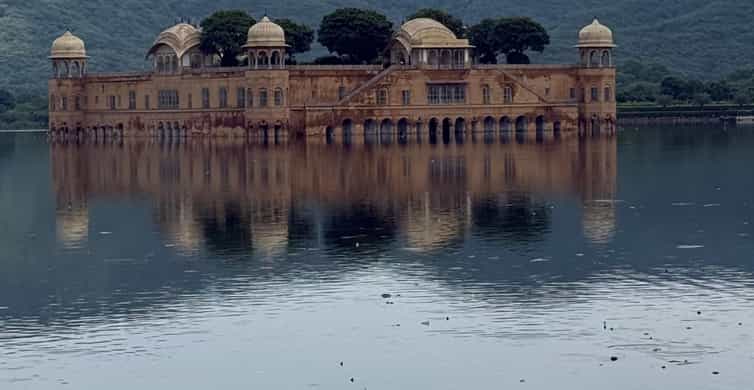
Then the tour heads to Jal Mahal (Water Palace), a palace sitting on water, framed by the Aravalli hills. You may not spend long on it, but it works as a breather stop. After walking forts, a scenic pause helps your energy reset.
Finally, you’ll visit City Palace, Jaipur’s royal residence. This is where the day becomes more grounded again: you get a sense of how royalty organized space and how Jaipur’s power expressed itself in buildings.
After you wrap up Jaipur, you drive back toward Delhi. You can end at the Delhi airport, your hotel, or at your Jaipur hotel/airport depending on your preference. That flexibility is useful if your flights are tight.
You can also read our reviews of more tours and experiences in New Delhi





Hotels, private driving, and the safety factor you’ll actually feel
One of the best parts of this tour setup is the private driving. In a route like this, the experience can either feel controlled or chaotic. Here, the pattern from recent bookings is clear: drivers like Abhi, Amit, Ram, and Manoj are noted for safe, careful driving and for making you feel taken care of.
That safety isn’t just about driving style. It’s also about timing. When you’re trying to hit sunrise, forts, and city palaces with traffic, you need someone who understands when to leave and how to keep the day running. A few bookings also mention that the team members—named Manuj and Mannu in different cases—stay in touch to make sure you’re happy and supported.
You also get a private group, which usually means you aren’t squeezed into someone else’s pace. The guide can adjust the amount of time you spend on different monuments if your interests lean toward architecture, stories, or just getting great views.
Accessibility is also included: the tour is wheelchair accessible. That’s a meaningful detail for planning because it can affect how you move between sites. If you’re bringing accessibility needs, it’s worth confirming in advance how each specific stop is handled.
Price and what $364 per person really represents
At $364 per person for 3 days, the value comes from what’s packaged together: private transport across the Golden Triangle, live tour guiding, and hotel stays at ITC Mughal (Agra) and ITC Rajputana (Jaipur). Many DIY trips end up costing close to this once you add taxis, multi-city logistics, and timed-entry arrangements.
This price also buys you time. With the distance between Delhi, Agra, and Jaipur, you’re spending hours in transit either way. A private driver turns those hours from a navigation problem into part of the day, which can keep you focused on the sights.
The “skip ticket line” feature is small on paper but huge in reality. Waiting around can eat your energy, especially when you’re also dealing with early mornings. Getting through faster means you can spend more time inside key sites.
So the value is less about luxury and more about reducing friction: you get structure, guidance, and comfort while seeing the most important highlights.
When your dates affect the highlights: closures and practical limits
Your biggest planning risk is closures.
- Taj Mahal is closed on Friday.
- In Delhi, temples and the Red Fort are closed on Monday.
If your trip dates hit either day, ask how the tour adjusts so you’re not paying for a day that feels incomplete.
There are also personal-safety considerations. The tour is not suitable for pregnant women, based on the provided info. And like many guided trips, it’s built for walking. Bring comfortable shoes and comfortable clothes so your body can handle fort steps and uneven ground.
Rules are straightforward:
- Pets are not allowed.
- Alcohol and drugs are not allowed.
Language support is included via the live guide options: English, French, Spanish, and Russian. That’s useful if you want clear explanations without relying on guesswork.
Also, you’ll want your passport or ID card, especially if you’re using pickup from the Delhi airport. Flight details are required to arrange the correct airport pickup.
Should you book this Delhi-to-Jaipur Golden Triangle tour?
I think this is a smart booking if you want a classic Golden Triangle experience with less hassle than DIY. The main reason to choose it is the combination of private transport, live guide context, and hotel comfort—plus strong notes about drivers staying careful and safe while staying flexible.
I’d consider skipping it only if your travel dates land on a closure day that matters to you (Friday for the Taj, Monday for Delhi’s temples/Red Fort), or if you know you won’t handle early mornings and walking well. Also, if the idea of an optional elephant ride at Amber Fort feels like a no for you, you may want to confirm you’re comfortable with walking the fort without that add-on.
If you want a first Golden Triangle trip that feels organized and human—Delhi markets and memorials, Agra’s iconic sunrise moment, then Jaipur’s royal sights—this tour is built for that exact goal. The $364 price makes sense because it’s paying for structure, not just sightseeing.
FAQ
What are the main cities and duration of this tour?
This is a 3-day private tour covering Delhi, Agra, and Jaipur as part of the Golden Triangle.
Is the Taj Mahal sunrise included?
The schedule includes sunrise at the Taj Mahal in Agra. Keep in mind the Taj Mahal is closed on Friday.
Where do we stay overnight?
Hotel in Agra: ITC Mughal.
Hotel in Jaipur: ITC Rajputana.
Does the tour include skipping the ticket line?
Yes. The experience notes skip the ticket line.
What languages are available for the live tour guide?
The live tour guide is available in English, French, Spanish, and Russian.
Is the tour wheelchair accessible?
Yes, the tour is listed as wheelchair accessible.
What should I bring and what is not allowed?
Bring a passport or ID card, plus comfortable shoes and comfortable clothes. Pets are not allowed, and alcohol and drugs are not allowed.