REVIEW · NEW DELHI
New Delhi: Traditional Indian Cooking Class & Market Visit
Book on GetYourGuide →Operated by Curry Craft Kitchen Studio · Bookable on GetYourGuide
Spices, shopping, and dinner in one home stop. This New Delhi cooking class pairs a local market run with a relaxed, hands-on lesson in traditional Indian food. I like how it feels personal, not staged.
I especially like the chance to learn spice technique and how those choices shape flavor, not just how to follow steps. And you get a real meal afterward, made by your hands at Lubna’s family table.
One consideration: there’s no hotel pickup, so you’ll want to plan your own trip to the meeting point near Ashram metro and the HP petrol pump.
In This Review
- Key points to know before you go
- Why this New Delhi class feels like a real home meal
- Getting to the meeting point near Ashram metro (no pickup)
- The market visit: spices, produce, and real Delhi pace
- Chai at Lubna’s home: where the lesson gets friendly
- How you shape the menu: WhatsApp planning and recipe choices
- What you’ll cook: 3 mains, 3 breads, and a rice dish
- Bread-making is not an afterthought
- Snacks and appetizers can be part of the experience
- The spice lesson: learning what flavors are made of
- Eating together: the part you’ll remember after the class
- Pricing and value: what $43 buys you in 3 hours
- Dietary needs: how flexible home cooking can actually work
- Timing options and how to pick between 11am and 4pm
- Small logistics that will save you time
- Should you book this New Delhi cooking class?
- FAQ
- What is the duration of the cooking class?
- What are the available start times?
- Is the market visit included, and how far do you travel?
- What will I cook during the class?
- Can I choose what dishes I cook?
- Is the class vegetarian-friendly?
- Do I need to bring ingredients or pay extra for food?
- Is hotel pickup provided?
- Where is the meeting point?
- Is the class offered in English?
Key points to know before you go
- Market first, cooking right after: you shop for ingredients before you touch the stove.
- Chai welcome: tea sets the tone the moment you arrive at Lubna’s home.
- You can steer the menu: Lubna asks what you want to cook and adapts for dietary needs.
- Hands-on spice lessons: you learn how mixes and aromas work across dishes.
- Bread matters here: you’ll cover 3 bread types along with 3 main dishes and 1 rice dish.
- Only one class per day: it helps keep the pacing friendly and unhurried.
Why this New Delhi class feels like a real home meal
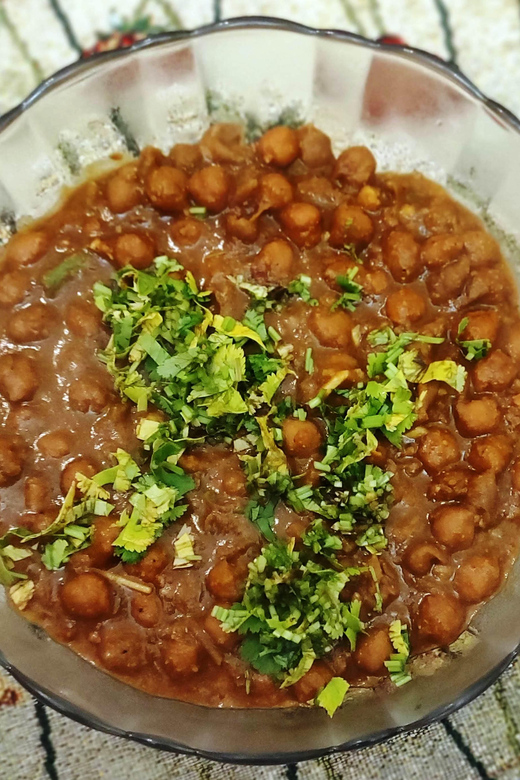
If you’ve ever done a cooking demo where you watch and take notes, this is the opposite. The best part is that you’re inside Lubna’s everyday world: a traditional haveli-style home that also functions as a bed and breakfast. You’re not herded through a script. You’re taught in a way that makes the food feel doable.
From the start, Lubna’s approach is warm and practical. Expect clear guidance, lots of food talk, and time to ask questions as you cook. A family dining table usually becomes part of the experience too, with conversation adding to the sense that you’re eating like an invited friend, not a paying spectator. If you’re curious about daily life in Delhi as much as you’re curious about recipes, this setup delivers.
You’ll also notice the teaching style is built for success. Several past participants highlighted how Lubna gave detailed instructions and adjusted the menu to match what people wanted. That matters, because Indian cooking is equal parts technique and timing. When the lesson is tailored, you’re more likely to replicate what you made once you’re back home.
You can also read our reviews of more shopping tours in New Delhi


Getting to the meeting point near Ashram metro (no pickup)
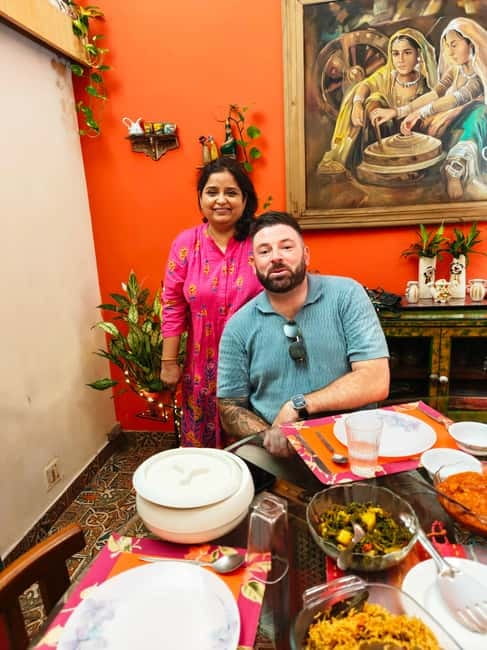
This tour starts from Lubna’s home address: A-6 Friends Colony East, New Delhi 110065. Use the landmark directions in your maps app to avoid stress.
Plan to look for a house with white walls and a red slanting roof. It sits on a quiet dead-end street and is behind the HP petrol pump. You’re also around a 3-minute walk from Ashram metro station, Gate No. 3.
Because hotel pickup and drop-off aren’t included, I suggest you treat this as a neighborhood-based experience. Build in a little buffer the first time you go anywhere around Ashram metro—Delhi is easy once you’re oriented, but it’s still a city where a few extra minutes can save your mood.
The market visit: spices, produce, and real Delhi pace
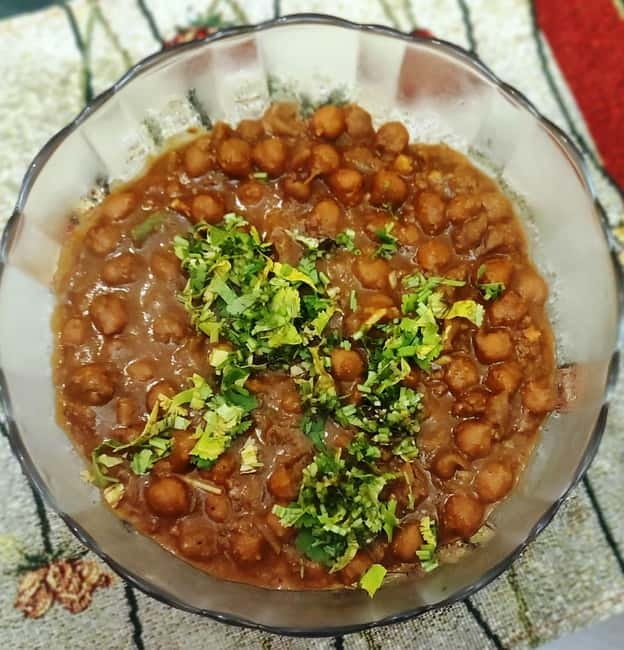
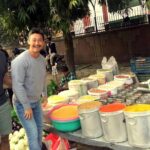
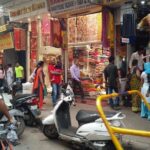
Your session begins with a market trip only about a 10-minute ride from typical tourist areas. The point isn’t to turn shopping into a sightseeing checklist. It’s to help you understand what Indian cooking starts with: fresh produce, whole spices, and the small choices that affect everything later.
In the market, you’ll see stalls packed with color and scent—fresh ingredients, aromatic spice options, and the everyday rhythm of Delhi shoppers. If conditions line up, you might even have the chance to try street food when a shop is open, which adds an extra layer of fun and immediacy.
A detail I like here: this market stop isn’t just for buying ingredients. Lubna talks through what you’re seeing and what each item does in cooking. Past participants also noted how she helped them find spice items that can be harder to source overseas. That’s practical, because the biggest challenge after an Indian cooking class at home is usually ingredients, not recipes.
Also keep in mind that timing can affect what’s available in the shops. You’re visiting a real market, not a curated set, so stalls may have their own schedules.
Chai at Lubna’s home: where the lesson gets friendly
Back at the house, you’ll get a warm welcome with steaming chai (and tea or water as part of the session). This matters more than it sounds. It turns the class from a formal activity into a relaxed flow where you can ask questions while you’re adjusting to the smells, pace, and kitchen setup.
Lubna’s home is described as a beautiful place with greenery and traditional haveli architecture built in 1974. You don’t need architectural knowledge to enjoy it. It just makes the meal feel grounded in place. Several participants also mentioned feeling instantly comfortable, like they were stepping into a real family space.
If you want one “quiet win” from this experience, it’s that you get time to settle in before cooking starts. Then the class moves forward with clear step-by-step instruction rather than rushing.
How you shape the menu: WhatsApp planning and recipe choices
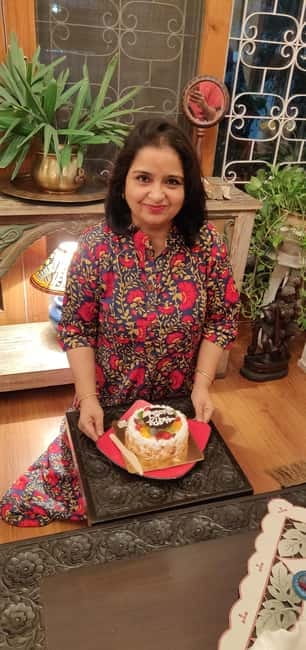
After you book, Lubna encourages interaction on WhatsApp to discuss what you want to cook and tailor the experience to your preferences. This is a big deal for value. You’re not stuck with a generic menu. You’re allowed to choose, within reason, based on what you actually want to learn.
You can also specify requirements such as vegetarian preferences or other dietary constraints. Lubna adapts family recipes—she draws inspiration from her family heritage and also adjusts dishes to fit different needs. One past guest who couldn’t consume wheat, dairy, or citrus described how Lubna built dishes using oats as a main ingredient. That’s the kind of flexibility you want from a home chef, not a one-size-fits-all kitchen class.
A practical tip: message early and be specific about what you want most. If you have a comfort zone dish—like Rogan Josh style flavors, kebabs, paneer-based meals, or bread/snack techniques—start there. Lubna can often build the menu around those interests.
You can also read our reviews of more tours and experiences in New Delhi


What you’ll cook: 3 mains, 3 breads, and a rice dish
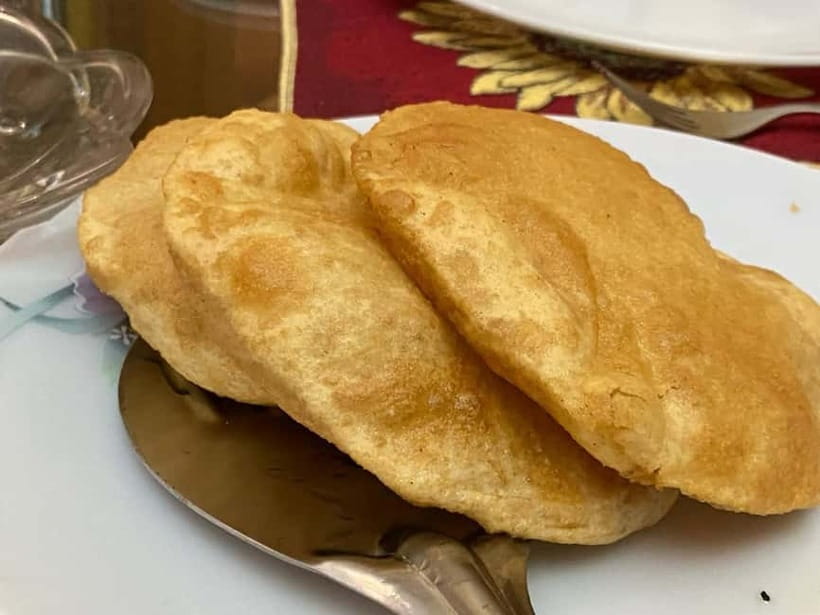
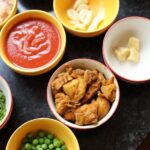
Your class is about results. The included menu structure is clear: you’ll prepare 3 main dishes, 3 bread types, and 1 rice dish. You also eat the meal you make, family-style.
The cooking class often includes traditional favorites and techniques. Based on the suggested options, you may see dishes such as:
- Rogan Josh
- Kebabs (vegetarian and chicken options)
- Bread pakora
- Samosas
- A rice dish
- Plus additional breakfast ideas and other snack-style options depending on what you choose
Because it’s private and tailored, the exact combination can vary. But the core skill set stays consistent: you’ll work through spice combinations, learn how sauces come together, practice bread-making methods, and handle timing so everything is ready to serve together.
Bread-making is not an afterthought
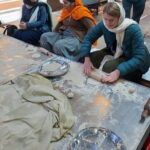
Bread is a major part of Indian meals, and this class treats it like one. Several previous participants specifically called out learning multiple bread types and enjoying the process of making them, not just eating them. If you’ve ever struggled at home to get breads right, pay attention to the way the dough is handled and how heat and timing affect texture.
Snacks and appetizers can be part of the experience
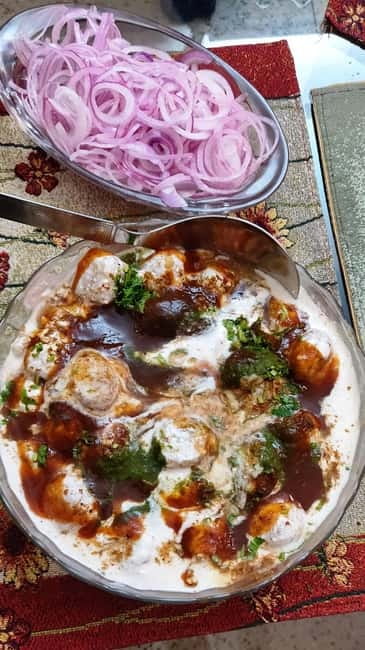
If you’re more into snack-style cooking, the class can include items like samosas and bread pakora. That’s also helpful for back-home cooking, because these recipes often translate well to home kitchens with fewer “special equipment” worries.
The spice lesson: learning what flavors are made of
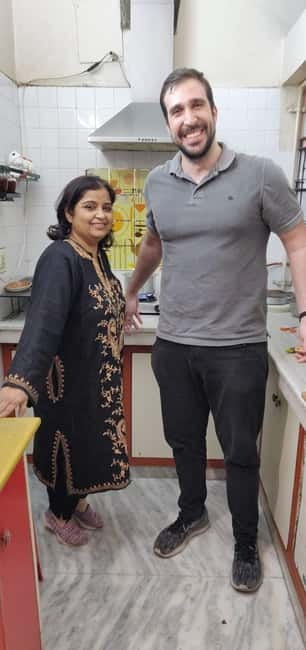
This is where Lubna’s class becomes more than a one-off meal. You’ll learn how spices shape flavors and aromas—how mixes behave in oil, when to add them, and how the same ingredients can produce different outcomes depending on the technique.
In practice, you’ll likely work with spice blends used across dishes and learn why they’re used. Past participants mentioned Lubna showing spice mixes for different dishes and explaining choices around spices, oils, and cooking steps. You’re not just memorizing names. You’re understanding relationships: what supports a rich curry, what lifts a kebab profile, what balances a snack or chutney style element.
A subtle but important skill is learning what to look for as things cook. Indian cooking often depends on sensory cues—color shifts, aroma changes, and sauce thickness. Even if you’re new to it, this class encourages you to connect those cues to the recipe steps.
Eating together: the part you’ll remember after the class
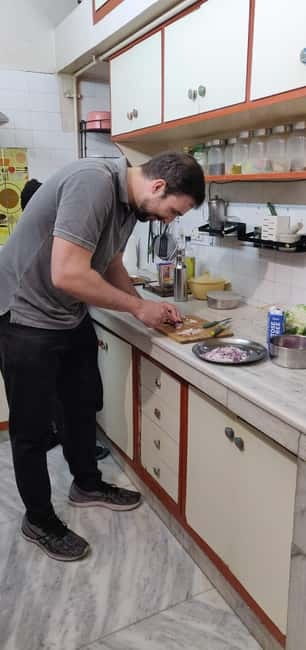
Once the dishes are ready, you gather around a dining table to eat what you cooked. That shared meal is included, and it’s not a rushed finish. Many participants highlighted the relaxed atmosphere and the fact that Lubna’s family may join to celebrate the cooking.
This is also where you get context. If Lubna’s husband is around—one participant specifically noted meeting Sheikh—there’s usually conversation. It’s a small thing, but it turns the meal into something deeper than food. You learn what foods mean in daily life, how people talk about cooking, and what matters most to taste in their home style.
Pricing and value: what $43 buys you in 3 hours
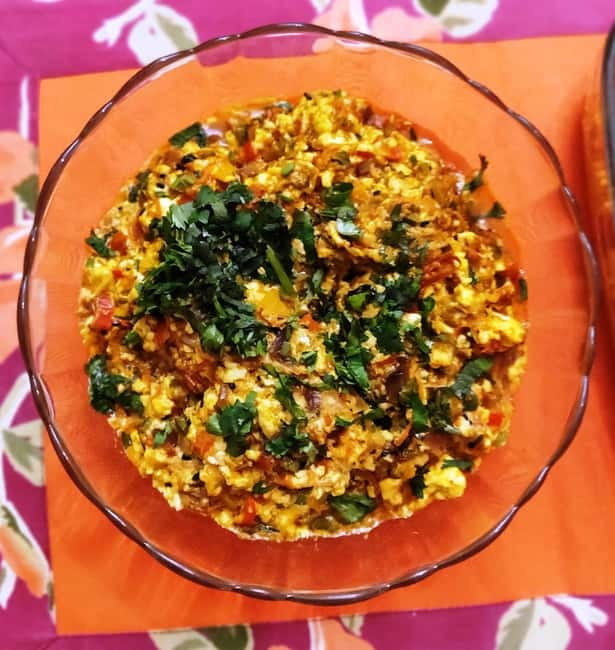
At $43 per person for about 3 hours, the value is strongest if you care about three things: learning technique, getting ingredients handled for you, and eating what you make.
Here’s what’s included:
- Hostess
- All ingredients
- Your work on 3 main dishes, 3 bread types, and 1 rice dish
- Tea/water
- You eat the meal you prepare
What you provide:
- Your own way there and back (no pickup/drop-off)
- Any personal shopping or snacks outside what’s included
So the math works best when you treat it as a full food experience, not just “a cooking lesson.” You’re basically getting market exposure, spice instruction, a cooking workshop, and a proper meal. For Delhi, that’s a pretty solid deal—especially because it’s a private group and there’s only one class per day, which usually helps the attention feel less crowded.
Dietary needs: how flexible home cooking can actually work
If you’re worried about allergies or dietary restrictions, this is one of the more reassuring parts of the experience. Lubna adapts recipes for different needs, based on what she’s done with guests before. The oats example (wheat, dairy, citrus avoided) is a clear case of creative, practical substitutions that still keep the spirit of the food.
That said, your responsibility is to communicate clearly. Send your requirements in advance on WhatsApp and mention exactly what you need to avoid. The more precise you are, the more likely the menu will match your needs without last-minute surprises.
Vegetarian options also come up naturally since kebabs can include veg, and Lubna can tailor the menu around what you prefer.
Timing options and how to pick between 11am and 4pm
The class starts at either 11 am or 4 pm. That choice can change the feel of your day in Delhi. If you want this to be your main food focus and you like eating earlier, go for 11 am. If you prefer a slower late afternoon and then a warm dinner-style meal, pick 4 pm.
There’s also an important note about breakfast: you can join for breakfast-making, but the market visit would not be possible with this option. If you want snacks-only techniques or a specific focus, message Lubna to see what can be converted to match your interests.
Small logistics that will save you time
A few practical points to keep your day smooth:
- You’ll cook in a home kitchen, so wear comfortable clothes you’re okay getting a little warm.
- Bring a little patience for market movement and shopping conversations; you’re there to learn, not sprint.
- If you want to try street food during the market stop, it depends on whether the shop is open at that time.
If you do one smart thing, it’s confirming your menu interests before the day of the class. Lubna’s prior consultation style is part of why people leave feeling satisfied with what they learned.
Should you book this New Delhi cooking class?
I think you should book if you want a hands-on Indian home-cooking experience with real guidance, a market stop that teaches you where ingredients come from, and a meal you actually cook and eat. It’s a good fit for first-timers who want spices explained in plain terms, and it’s also worth it for experienced cooks if you’re chasing authentic spice technique and bread-making methods.
Skip it if you hate neighborhood navigation or you strongly need hotel pickup, because you’re responsible for getting to the meeting point near Ashram metro. Also keep your expectations aligned with real-life market timing: street food availability depends on what’s open when you arrive.
If you book, message Lubna with what you most want to learn, and include any dietary needs. Do that, and this class turns into a memorable Delhi food day you can remake back home.
FAQ
What is the duration of the cooking class?
The experience lasts 3 hours.
What are the available start times?
The class starts either at 11 am or at 4 pm.
Is the market visit included, and how far do you travel?
Yes, there’s a local market visit. It’s about a 10-minute ride away from typical tourist spots.
What will I cook during the class?
You’ll prepare 3 main dishes, 3 bread types, and 1 rice dish, and then eat the meal you prepare.
Can I choose what dishes I cook?
Yes. Lubna encourages you to message on WhatsApp to discuss your culinary interests, and the menu can be tailored to your preferences.
Is the class vegetarian-friendly?
You can specify vegetarian needs or other requirements in advance, and Lubna adapts recipes for different dietary needs.
Do I need to bring ingredients or pay extra for food?
All ingredients are included. Out-of-pocket costs for personal shopping, metro fares, ride-hailing, and snacks are not included.
Is hotel pickup provided?
No, hotel pickup and drop-off are not included.
Where is the meeting point?
Meet at Delhi Bed and Breakfast, A-6 Friends Colony East, New Delhi 110065. The home is behind the HP petrol pump and about a 3-minute walk from Ashram metro station, Gate No. 3. Look for white walls and a red slanting roof on a quiet dead-end street.
Is the class offered in English?
Yes, the instructor teaches in English.