REVIEW · NEW DELHI
Old Delhi Heritage, Food and Spice Market Walking Tour
Book on Viator →Operated by The Epic Journeys · Bookable on Viator
Old Delhi can feel chaotic at first, until you get a simple plan. I like that this tour focuses on real-world navigation through the old lanes and then rewards you with piping hot masala chai plus 5–7 veg snack samples you can taste instead of guessing what to order. My only caution: it is still a street walk, so you’ll want moderate physical comfort and you should be ready for busy markets and strong smells.
What makes it especially practical is the start point and the pacing. You meet near Red Fort at Lal Mandir Shri Digambar Jain Atishay Kshetra, and the experience ends back at the same meeting point, so you avoid the usual stress of figuring out how to get home. With pickup offered and a private group setup, it’s built for people who want Old Delhi without spending half the day lost.
In This Review
- Key highlights worth planning around
- Price and logistics: what $30 really buys you
- Where you start: Lal Mandir by Red Fort
- Chandni Chowk lanes: heritage plus food you can actually taste
- Khari Baoli: the largest spice market of South Asia
- How the food stops work: masala chai and 5–7 veg snack samples
- Pickup, mobile ticket, and the private-group advantage
- What kind of traveler this fits best
- Communication and guide support: clear explanations matter
- Practical tips to make your walk smoother
- Should you book this Old Delhi food and spice market walk?
Key highlights worth planning around
- Pickup offered: you don’t have to figure out how to reach the start in the middle of Old Delhi.
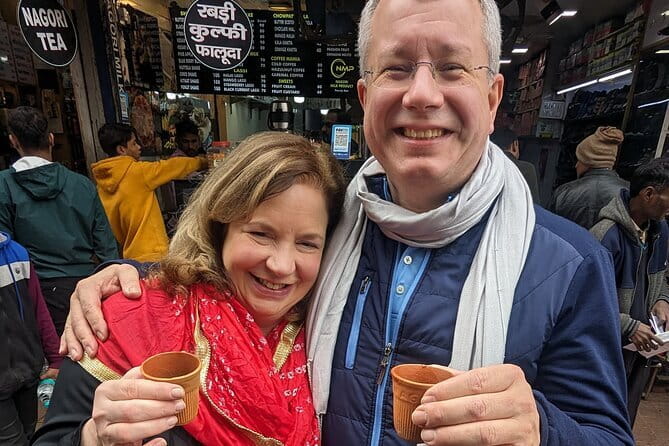
- Masala chai included: you’ll taste a classic, not just pass by tea stalls.
- 5–7 veg snack foods sampled: ideal if you want variety without committing to full portions.
- Khari Baoli visit: you get to see the largest spice market of South Asia as part of the walk.
- Near public transportation: helpful if you’re coming on your own transport.
- Dietary needs can be accommodated: indicate vegetarian, vegan, gluten-free, and more at booking.
Price and logistics: what $30 really buys you
At $30 per person for about 3 to 4 hours, the value is in what’s wrapped into the ticket. You’re not only paying for a guided walk. You’re also getting bottled water, masala chai, and snacks (5–7 different veg items). That combo matters in Delhi, where “just grabbing something small” can turn into multiple stops and extra spending.
You also get pickup offered, which often becomes the biggest hidden cost in Old Delhi. If you’ve ever tried to reach a market area through traffic and confusing streets, you know how fast time and energy disappear. Here, the logistics are designed to keep the tour moving.
One more detail I appreciate: it’s a private tour/activity, meaning only your group participates. That tends to make questions easier and pace feel more natural, especially when food and spices are involved.
You can also read our reviews of more walking tours in New Delhi


Where you start: Lal Mandir by Red Fort

Your meeting point is Lal Mandir Shri Digambar Jain Atishay Kshetra on Netaji Subhash Marg, opposite Red Fort, in Chandni Chowk (Delhi 110006). This location is useful because it places you right in the Old Delhi zone from the start, instead of having you travel across town first.
You’ll finish the experience back at the meeting point. That sounds small, but it’s a real comfort. In market areas, the last thing you want is to wonder how you’ll get home after you’ve eaten and are a bit overstimulated.
The tour is also marked as near public transportation, so if pickup timing doesn’t work for you, you still have a practical fallback.
Chandni Chowk lanes: heritage plus food you can actually taste
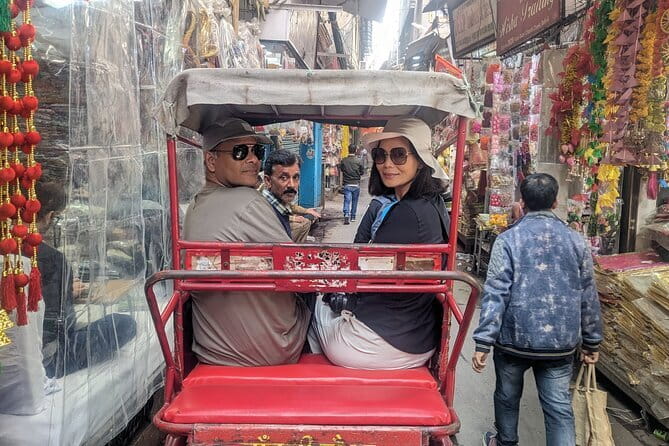
The first big stretch is Chandni Chowk, with about 3 hours allocated there. This is where the tour earns its keep. Chandni Chowk is famous, yes, but it’s also narrow and layered—so you benefit from having someone help you choose where to stop and what to try.
You’ll explore the narrow alleys of Old Delhi, admire centuries-old heritage, and keep your focus on local experiences rather than checking boxes. The route is built around tasting, so you’re not spending the whole time looking at stalls without eating.
Here’s what I’d pay attention to while walking:
- Watch the flow of people and move with it, not against it.
- Keep an eye on what’s being prepared fresh, since that’s usually where quality shows up.
- Don’t force big meals. The structure gives you samples, so it’s easier to try more than you normally would.
A small consideration: this is a market-walk style tour. If you want museums, quiet viewpoints, or long pauses, you might find the pace more active than you prefer.
Khari Baoli: the largest spice market of South Asia

The highlight on the Old Delhi scent trail is Khari Baoli, described as the largest spice market of South Asia. This is one of those places where just walking through changes how you understand the area. Spices aren’t background here—they’re the main event.
The tour brings you there as part of the overall walk, which helps. If you only show up briefly on your own, you can end up overwhelmed and leave without learning what you were looking at. With a guide, the visit fits into the day’s flow and you’re more likely to ask the right questions.
A practical tip: plan to stay with the senses. Expect strong aromas, tight spaces, and lots to see. The tour includes bottled water, which helps because you’ll likely want to reset your mouth and throat between tastings and smelling more spice piles.
How the food stops work: masala chai and 5–7 veg snack samples
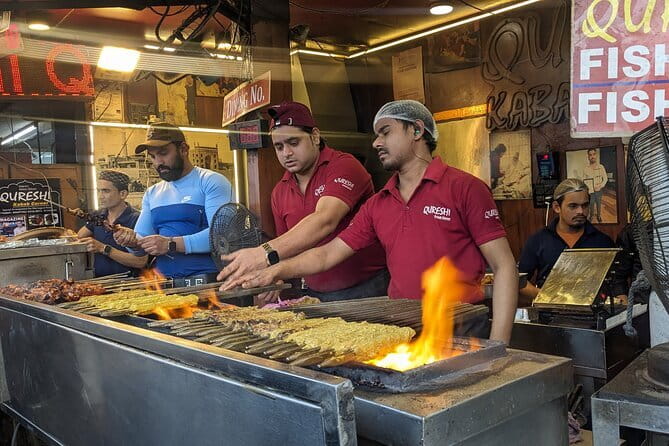
This is a food-and-spice tour, and the eating portion is concrete. You’ll enjoy piping hot masala chai and snack on 5–7 different vegetarian snack foods. That’s a smart way to do street food, because you can sample variety without committing to one dish and hoping it’s the right match.
Also, because the snack portion is planned, you’re not constantly hunting for the next place to eat. That saves time and keeps the tour from turning into a series of solo decisions.
If you’re vegan, gluten-free, or have other dietary needs, the tour says they can accommodate restrictions. The key is timing: indicate your needs as special requirements at booking. That’s the difference between “we’ll try” and actually setting up the right options.
One small caution: street snacks come quickly and can be filling in layers. If you have a sensitive stomach or you usually eat light, consider pacing yourself and taking small bites. The tour setup gives you the structure—use it to keep things comfortable.
You can also read our reviews of more food & drink experiences in New Delhi





Pickup, mobile ticket, and the private-group advantage

Some tours are simple on paper and stressful in practice. This one aims to remove friction.
You get a mobile ticket, which makes last-minute phone access easier. The tour also offers pickup, which is huge in Old Delhi where transit can be slow and finding exact meeting spots can be time-consuming.
Because it’s private, you’re not competing for guide attention among strangers. It also makes it easier to keep your group together when the streets tighten around the market stalls.
If you’re the type who likes to ask questions—what something is, how it’s used, what’s worth trying—this format works well. The guide’s role is to keep the experience organized so you can focus on tasting and seeing rather than navigating.
What kind of traveler this fits best

This tour is best for people who want a focused Old Delhi experience without turning it into a whole travel day. I’d especially recommend it if you:
- like street food and want multiple veg samples rather than one big meal
- want to see Chandni Chowk and visit Khari Baoli in a structured walk
- prefer a planned route with pickup offered and an ending back at the start
- have dietary restrictions and want those needs addressed at booking
It may be less ideal if you’re not comfortable with walking in market conditions. The tour calls for moderate physical fitness, so think about your comfort with time on your feet and movement through busy areas.
Communication and guide support: clear explanations matter

A big part of enjoyment on food tours isn’t the food alone. It’s the explanation—what you’re tasting and why it’s worth it. One of the standout notes from prior experiences is that the local guide communication can be clear, even when language is Spanish.
I can’t promise a specific language for every departure based only on the information here, but the takeaway for you is practical: if language support matters, mention it in the booking notes. Clear guidance makes markets far easier, especially when you’re moving quickly from one stop to the next.
Practical tips to make your walk smoother
You’ll have a better time if you prep for how market walks work.
Wear comfortable shoes and keep your pace steady. Narrow alleys can be slippery and crowded, and you want to avoid doing the bounce-step shuffle that makes you feel clumsy.
Bring a phone with you, but also remember you’re in a place where crowds and activity pull attention fast. Save time by keeping your group close—especially near spice stalls where people naturally slow down.
Since bottled water is included, don’t treat it as a bonus item; treat it like part of your pacing plan. If you’re sensitive to strong aromas, take sips between tastings.
Finally, if you have dietary restrictions (vegetarian, vegan, gluten-free, and more), double-check that you listed them as special requirements during booking. That’s the easiest way to avoid last-minute swaps.
Should you book this Old Delhi food and spice market walk?
If you want a short, efficient way to experience Old Delhi heritage, Chandni Chowk, and Khari Baoli—with masala chai, bottled water, and planned veg snack samples—this is a strong pick. The price makes sense because you’re not just paying for directions; you’re paying for food structure and guided choices inside an area where self-guided wandering can feel like guesswork.
Skip it if you dislike market walking, need lots of quiet time, or know you don’t enjoy tasting multiple street-style foods. And if your dietary needs are complex, make sure you communicate them at booking so the samples match what you can eat.
Overall, I like this tour for its clear focus: heritage streets first, then food, then spices, all in a manageable 3 to 4 hours with pickup offered and an ending back where you started.