REVIEW · NEW DELHI
14 Days Golden Triangle with Wildlife Safari & Heritage Rajasthan
Book on Viator →Operated by Golden Triangle Tours India · Bookable on Viator
Some trips feel like a checklist. This one moves with purpose.
I like the door-to-door, air-conditioned hotel transfers that keep you comfortable while you bounce between Delhi, Agra, Jaipur, and beyond. I also love that the itinerary doesn’t stop at monuments: it adds Ranthambore safaris plus Jhalana for real wildlife time. One thing to consider: the big-site monument entrance fees aren’t included, so you’ll want to budget for tickets as you go.
You’ll also get private local guides for the sightseeing blocks, which matters more than people think. It helps you understand what you’re looking at instead of just taking photos. And because it’s private, the pace feels less rushed than group tours.
In This Review
- Key Highlights You’ll Actually Feel on the Ground
- The Big Picture: Golden Triangle Plus Wildlife Safari and Heritage
- What makes it worth the money (beyond the headline sights)
- The trade-off
- Day 1 in Delhi: Temple Steps and Old Delhi Atmosphere Without the Stress
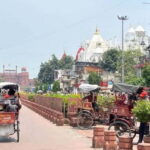
- Day 2 in Delhi: Qutub Minar, Mosques, Tombs, and the Markets of Chandni Chowk
- Day 3 Agra: Arrive, Check In, Then Go Straight to the Heavy Hitters
- Day 4: Sunrise Taj Mahal + Fatehpur Sikri + Stepwell Wonder Before Ranthambore
- Day 5 Ranthambore Safari Days: Two Chances at Wildlife
- Day 6 Jaipur Setup: Monkey Temple, Birla Mandir, and a Wildlife Add-On in Jhalana
- Day 7 Jaipur Highlights: Palaces, Astronomical Instruments, and the Palace of Breeze
- Day 8 Udaipur: Long Drive, Then Markets and Dinner Your Way
- Day 9 Udaipur by Water: Lake Pichola Boat Time and Palace Views
- Day 10 Jodhpur: The Blue City Feeling and a Market Stop by the Clock Tower
- Day 11 Jodhpur’s Big Fort Views + Umaid Bhawan + Bishnoi Village
- Day 12 Pushkar: Brahma Temple and a Lake-Ghat Ritual Feel
- Day 13 Mandawa: Painted Havelis and Heritage Streets
- Day 14 Back to Delhi: Finish Smoothly
- Vehicles, Groups, and What Private Really Means Here
- What’s Included vs. What You’ll Likely Pay Extra
- Who This Tour Fits Best
- Should You Book It?
- FAQ
- How long is the tour?
- Where does the tour start?
- Is pickup and drop-off included?
- Is this a private tour or shared group?
- Does the price include accommodation and breakfast?
- Are safari entrances included?
- Are meals included besides breakfast?
- What’s the cancellation policy?
Key Highlights You’ll Actually Feel on the Ground
- Private, in-car time: You spend less energy figuring routes and more energy seeing places
- Two Ranthambore safari slots: Morning and evening chances for sightings
- Sunrise Taj Mahal visit: Early start with a guided inside experience
- Golden Triangle, then extra Rajasthan: Udaipur, Jodhpur, Pushkar, Mandawa join the story
- Stepwell detours: Agrasen ki Baoli, Chand Baori, and Panna Meena ka Kund add variety
- Battery bus included for Taj access: Less hassle getting from parking to the entrance area
The Big Picture: Golden Triangle Plus Wildlife Safari and Heritage

This is sold as a Golden Triangle trip (Delhi–Agra–Jaipur), but the real value is how the route keeps widening. After the classic highlights, you roll into wildlife and then into Rajasthan’s older, slower rhythm: Udaipur by water, Jodhpur perched above the city, Pushkar with its lake rituals, and Mandawa’s painted havelis.
The trip is also built around comfort and logistics. The tour includes private, air-conditioned vehicle transfers between hotels and sights each day, plus bottled mineral water during journeys. That sounds like a small detail until you’re doing 4 to 8 hour drives with heat and crowds around you.
You can also read our reviews of more historical tours in New Delhi


What makes it worth the money (beyond the headline sights)
At about $835.72 per person for a 14-day private experience, you’re paying for three things that usually cost extra when you book separately:
- Private transport with a driver (not shared shuttles)
- Private local guides for the sightseeing portions
- Safari entrances (Ranthambore and Jhalana)
You’re also paying for time efficiency. The itinerary compresses a lot of famous places without making every day a pure sprint.
The trade-off
The tour includes many guided stops, but it does not include monument entrance fees. Taj Mahal, forts, and several other key sights are marked as not included. That means your final trip cost depends on what you choose to pay in each city (and on any optional adds like boating).
Day 1 in Delhi: Temple Steps and Old Delhi Atmosphere Without the Stress
You start in New Delhi with airport pickup at Terminal 3 (Indira Gandhi International Airport). After hotel check-in, you ease into the city with two very different flavors.
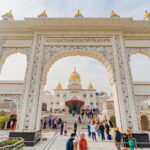
Gurdwara Bangla Sahib is a great first stop because it’s active, welcoming, and easy to understand even if you’re not a religious history expert. You’ll see the famous tank and the way the community gathers around it.
Then you head to Agrasen ki Baoli, a stepwell. Places like this are often overlooked on short trips, but they give you a break from tall towers and grand palaces. Stepwells are built for people’s daily needs—water storage and cooling—so the vibe feels practical and real.
Watch for: Agrasen ki Baoli is listed as not included for admission. The stop still tends to be quick, but you should be ready for a modest extra payment on the day.
Day 2 in Delhi: Qutub Minar, Mosques, Tombs, and the Markets of Chandni Chowk
Delhi day two is classic “history plus street life.” You begin at Qutub Minar, a UNESCO World Heritage site and one of India’s most iconic vertical monuments. Even if you’ve seen photos, being there in person is different—you feel the scale and the craftsmanship.
Next you visit Lotus Temple, known for its flower-like design and for being open regardless of religion. It’s a visual reset after Qutub Minar’s heavy stone presence.
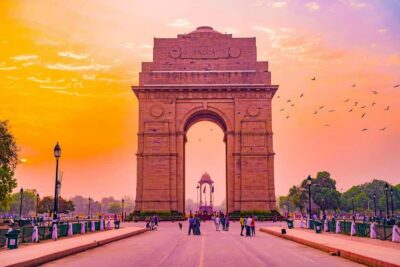
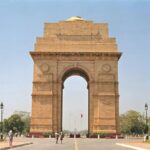
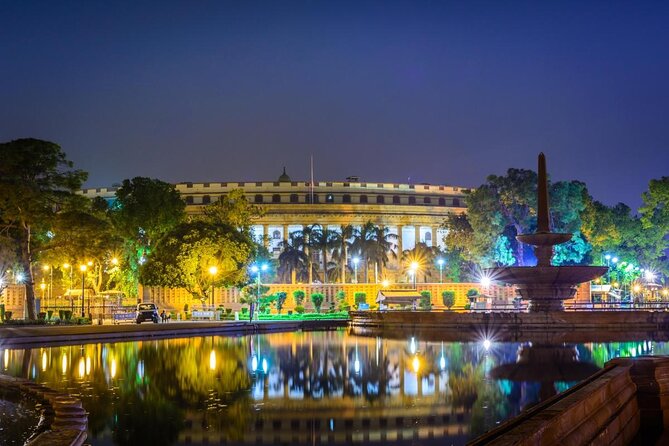
Then comes a quick set of landmarks around the central area: India Gate (war memorial), Sansad Bhavan / Parliament House (with its circular design link), and Jama Masjid, one of the largest mosques in Delhi.
You’ll also make time for Humayun’s Tomb, which is worth it because it’s a cornerstone of Mughal-era tomb architecture. Finally, you close the day in Chandni Chowk, where narrow streets turn into a moving market—spices, silver jewelry, textiles, and snacks.
Tip that pays off: keep small bills and a reachable day bag. Chandni Chowk can feel chaotic, and it’s easier when you’re not fumbling.
You can also read our reviews of more tours and experiences in New Delhi






Day 3 Agra: Arrive, Check In, Then Go Straight to the Heavy Hitters
You drive Delhi to Agra (about 222 km, around 4 hours). After check-in, the plan is to dive into the “Mughal masterpieces” zone.
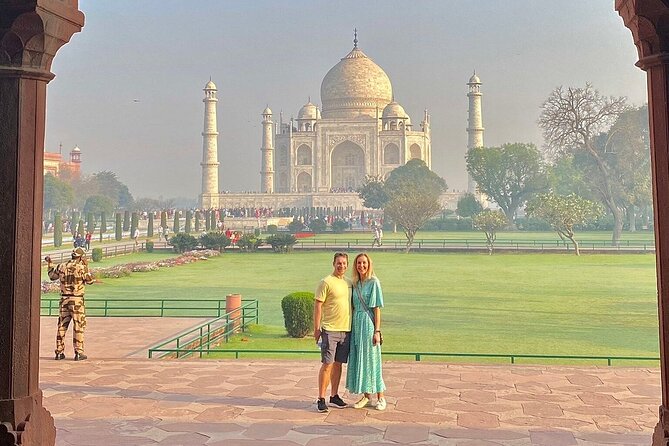
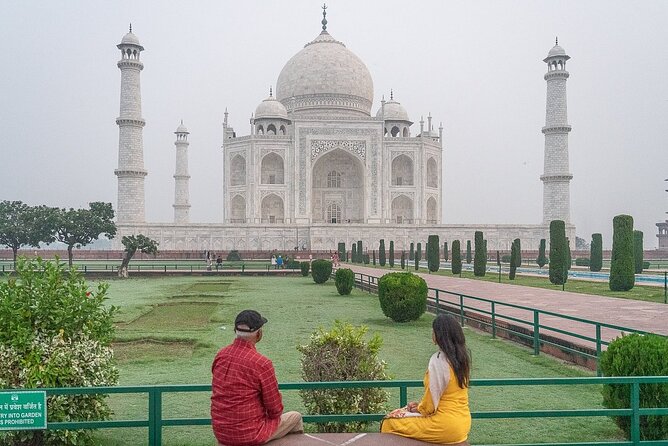
Your first big encounter is Taj Mahal (guide time is not listed as included, and entry tickets are not included). Even with that caveat, the trip includes the helpful support elements: a guided experience and the logistics help around Taj parking.
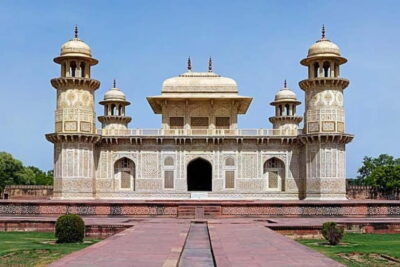
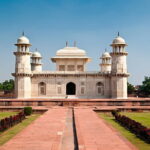
Then you see Agra Fort and Itmad-ud-Daula (often called Baby Taj). Itmad-ud-Daula is a nice counterweight to the Taj Mahal. It’s smaller and more delicate, so it can be easier to appreciate in detail.
You finish with Mehtab Bagh (Moonlight Garden) for a perspective toward the Taj from across the Yamuna. That photo angle alone makes the stop feel worth it.
Consideration: several of these are not included for admission tickets, so plan your budget accordingly.
Day 4: Sunrise Taj Mahal + Fatehpur Sikri + Stepwell Wonder Before Ranthambore
This is a long but satisfying day because it stacks three distinct kinds of experiences.
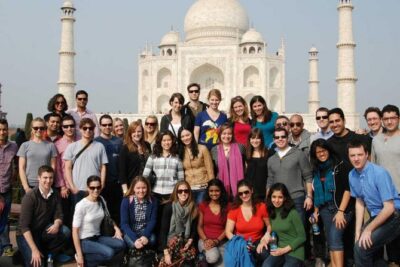
First: sunrise at the Taj Mahal, followed by a guided inside tour of about two hours. A sunrise visit changes the atmosphere. The crowds can feel lighter, light looks cleaner on the marble, and you’ll have time to actually absorb what you’re seeing.
Next you head to Fatehpur Sikri, the City of Victory, built by Akbar and once the Mughal capital for around a decade. This isn’t just one building; it’s a whole complex, so your guide’s context matters a lot.
Then you visit Chand Baori, a massive stepwell in Abhaneri. It’s deeper and more dramatic than most stepwell stops, and it’s a memorable “India beyond the postcard” moment.
Finally, you go to Ranthambore and check in at your hotel for the wildlife portion.
Day 5 Ranthambore Safari Days: Two Chances at Wildlife
Ranthambore is where the itinerary turns into a wildlife trip. You’ll do two safari slots: one in the morning and one in the evening.
The tour includes Ranthambore National Park entrance with canter or jeep, which matters because you’re not scrambling to sort official safari access. The safari length shown is about 3 hours each time.
How to think about safari expectations
You’re not guaranteed tigers. What you can count on is nature time: the rhythm of the vehicle, the scanning, and the excitement when something moves. Two safaris gives you a better shot than one and helps you see different animal behaviors across the day.
Practical note: bring layers. Even in warmer months, early morning and evening can feel cooler in safari zones.
Day 6 Jaipur Setup: Monkey Temple, Birla Mandir, and a Wildlife Add-On in Jhalana

You move from Ranthambore into Jaipur. The day includes temple stops before you settle in.
You visit Galtaji Temple (Monkey Temple), known for its complex structure and three sacred pools of water. It can feel lively because of the temple setting and the monkeys people associate with the site.
Then you see Birla Mandir, an elevated Hindu temple in Jaipur. It’s a calm contrast to the more energetic feel of Galtaji.
After check-in, you have an evening safari at Jhalana Safari Park with included entrance. It’s not the same scale as Ranthambore, but it keeps the wildlife theme alive while you’re still in Rajasthan.
Day 7 Jaipur Highlights: Palaces, Astronomical Instruments, and the Palace of Breeze
This day is about Jaipur’s famous city icons and viewpoints.
You start at Panna Meena ka Kund, another stepwell stop. By now, you’ll start noticing how stepwells connect to heat, water needs, and architecture made for daily survival—not just beauty.
Next comes Jaipur city sightseeing with a focus on palaces, squares, and monuments built by Raja Man Singh I (the tour describes a guided two-hour block). You’ll also see Jal Mahal for a photo stop—this floating palace look is one of those “how is that even real?” sights.
Then you explore City Palace, plus Jantar Mantar, a UNESCO World Heritage site with nineteen astronomical instruments built by Sawai Jai Singh II. Finally, you finish with Hawa Mahal (Palace of Breeze), famous for its five-storey façade and distinctive window structure.
Consideration: several of these sites are marked as not included for admission tickets, so plan to pay entry where needed.
Day 8 Udaipur: Long Drive, Then Markets and Dinner Your Way
After breakfast, you drive to Udaipur (about an 8-hour transfer). When you arrive, you check in and the guide/driver helps you connect to local markets and dinner options.
This is a good day to slow down. Udaipur’s best feel often comes from wandering—less “prove you’ve seen everything,” more “find your favorite street and eat well.”
Tip: since meals are listed as not included, this is a day where your own choices matter. You can pick a restaurant based on mood and location.
Day 9 Udaipur by Water: Lake Pichola Boat Time and Palace Views
Your Udaipur day centers on Lake Pichola and its views.
You can take a private boat ride around the lake and stop at Jagmandir Palace island. Entry for boating is not included, so this is an optional-pay moment if you want the full water perspective.
Then you visit City Palace on the lake’s bank, with time for weapons, royal artifacts, and the overall palace museum setting.
You also stop at Jagdish Temple (within the City Palace complex) and then optionally visit Bagore Ki Haveli Museum with guide and private transportation. The tour notes you can skip it if you want to move on.
Practical move: if you’re saving energy, keep the pace realistic. You’re stacking palace, lake, and museum elements in one day.
Day 10 Jodhpur: The Blue City Feeling and a Market Stop by the Clock Tower
You drive from Udaipur to Jodhpur (about 6 hours). After check-in, you head to the Clock Tower Market area, which is a classic place to feel the city’s daily energy.
Jodhpur can feel instantly photogenic, even if you’re not chasing landmarks nonstop. It’s the kind of city where color, light, and street texture do a lot of the work for you.
Day 11 Jodhpur’s Big Fort Views + Umaid Bhawan + Bishnoi Village
This day is divided into “royal museum stops” and “local village experience.”
First: Mehrangarh Fort, a former palace turned museum with weapons, paintings, and royal palanquins. It sits on a rocky outcrop, so the views and the fort’s scale are a big part of the experience.
Next: Umaid Bhawan Museum, connected to a palace and private residence legacy. Then Jaswant Thada, a marble cenotaph and mausoleum.
In the afternoon you go for an excursion to a Bishnoi village (the itinerary calls it highly recommended). It’s a hands-on cultural block where you spend time with locals, including time described as enjoying the day in the village’s local flavor.
Consideration: the itinerary lists monument admissions as not included, so fort/museum entries may add to cost.
Day 12 Pushkar: Brahma Temple and a Lake-Ghat Ritual Feel
You travel to Pushkar and check in for an overnight stay.
You visit Brahma Temple, noted as famous for being the only Brahma temple in the world (as described by the tour content). Then you head to Pushkar Lake and Brahma Ghat, where family prayer rituals happen and where the stop is described as good for photography.
This is one of the more spiritual-feeling days in the route. Even if you don’t follow the traditions, the setting gives you a clearer sense of local life beyond monuments.
Day 13 Mandawa: Painted Havelis and Heritage Streets
After breakfast, you drive to Mandawa (about 5 hours). Mandawa is a heritage town where you see old merchant architecture and the famous Francisco painted havelis.
Then you explore the village area in the evening. This is a calmer final heritage stop compared with big-city days, and it’s a good way to end the trip on a slower note before heading back to Delhi.
Day 14 Back to Delhi: Finish Smoothly
On your last day, you drive back to New Delhi (around 5 hours). This is a straightforward wrap-up with no extra sightseeing listed—often the best way to end after long drives and full days.
Vehicles, Groups, and What Private Really Means Here
This tour is private, so you’re not sharing the vehicle with strangers. The vehicle type changes based on group size:
- 4-seater sedan for groups of 1–2
- 6-seater wagon for groups of 3–4
- 10-seater minivan for groups of 5–10
That matters because private travel usually feels smoother, especially in India where roads, timing, and crowd flow can change day to day. Your driver is also paired with the daily schedule, which reduces friction.
You also get bottled mineral water during journeys, and the tour includes hotel or airport pick-up and drop-off.
What’s Included vs. What You’ll Likely Pay Extra
Here’s the practical way to budget based on the provided details:
Included (big items)
- 13 nights accommodation if you book the hotel-included option
- Daily breakfast if you book the hotel-included option
- Private, air-conditioned transport with driver
- Hotel/airport pickup and drop-off
- Private local guides for sightseeing blocks
- Battery bus ride to and from Taj Mahal parking up to the monument
- Bottled mineral water during journeys
- Ranthambore safari entrance (canter or jeep)
- Jhalana Safari Park entrance
Not included (common add-ons)
- Monument entrance fees
- Any lunch/dinner
- Travel insurance and flights/trains
My advice: if you hate surprises, ask for a rough list of the monument tickets you’ll likely need based on your dates and your guide’s planned stops. The tour clearly flags several admissions as not included.
Who This Tour Fits Best
This works well if you:
- Want a private route through Delhi–Agra–Jaipur with guides, not self-guided chaos
- Care about wildlife enough to plan around two safari times
- Like mixing major monuments with “India details” like stepwells and market time
- Prefer comfort during transfers (air-conditioned vehicle, door-to-door pickup)
It’s probably less ideal if you want a strict budget with zero optional spending. Since many monument entrances and meals are not included, your total cost depends on your choices once you’re there.
Should You Book It?
If you want the classic Golden Triangle experience and you want wildlife and heritage Rajasthan, I’d book it. The value comes from private transport, private guiding, and the safari inclusions—those are the parts people usually pay for separately.
Just go in with two mindset shifts:
1) Carry extra budget for monument entrances and meals since they’re not included.
2) Bring realistic expectations for wildlife: two Ranthambore safaris improve your odds, but nature decides what you see.
If that sounds fair to you, this 14-day route is a strong pick.
FAQ
How long is the tour?
The tour duration is about 14 days.
Where does the tour start?
It starts with airport pickup at Indira Gandhi International Airport in New Delhi (Terminal 3).
Is pickup and drop-off included?
Yes. The tour includes hotel or airport pickup and drop-off.
Is this a private tour or shared group?
It’s a private tour/activity, meaning only your group participates.
Does the price include accommodation and breakfast?
Accommodation for 13 nights and daily breakfast are included only if you book the option including hotels.
Are safari entrances included?
Yes. Ranthambore National Park entrance for canter or jeep is included, and Jhalana Safari Park entrance is included as well.
Are meals included besides breakfast?
No. Other meals are listed as not included.
What’s the cancellation policy?
You can cancel for a full refund up to 24 hours in advance. If you cancel less than 24 hours before the experience start time, the amount paid is not refunded.