REVIEW · NEW DELHI
15-Day Private Rajasthan Heritage Tour– Safari, Desert, Taj Mahal
Book on Viator →Operated by Taj Mirror Tours · Bookable on Viator
One big India road trip in two weeks. This private tour strings together Delhi’s Mughal grandeur, Rajasthan’s fort-and-fortress culture, and a true desert day in Jaisalmer, then ends with the Taj Mahal at sunrise. I especially like the way you keep moving on a private AC car instead of herding with strangers, and I like the human touches reported by real travelers: drivers such as Anil Sharma and Neeraj are repeatedly described as patient, careful with luggage, and focused on safety. One watch-out is the cost split: the big sights and the safari aren’t included, so you’ll want to budget those monument and park fees ahead of time.
What makes this route work is the variety. You’re not just checking boxes—you’re seeing how people build in stone (forts, havelis, temples), in water (stepwells, lakes), and in sand (camel rides and dunes). The private format also means you can ask for schedule tweaks when timing or energy levels change.
In This Review
- Key perks worth knowing before you go
- A private AC road trip through Rajasthan’s big names
- Price and what it really covers
- Day 1: Delhi arrival with Humayun’s Tomb and Akshardham setup
- Day 2: Qutub Minar, Lotus Temple detours, and Chandni Chowk lunch
- Mandawa’s havelis and stepwell calm: art you can actually see
- Bikaner: fort power, palace luxury, and two very unusual temples
- The drive to Jaisalmer: camel research and a museum stop that saves time
- Jaisalmer Fort and haveli interiors: golden stone, sharp details
- Jodhpur: Mehrangarh views, Jaswant Thada calm, and a market break
- A sunrise stepwell and nature pause before Ranakpur’s Jain temples
- Ranakpur temple day: carved marble, then the road turns scenic again
- Udaipur by Lake Pichola: palaces, islands, and folk-art stops
- Chittorgarh’s courage stories, then Pushkar’s sacred lake rituals
- Pushkar temples, vegetarian lunch, and Jaipur architecture on the move
- Jaipur’s stone instruments, palace colors, and forts before Ranthambhore
- Ranthambhore safari timing and the fort you can pair with nature
- Agra at sunrise: Taj Mahal, Agra Fort, and Itmad-ud-Daula
- Should you book this tour?
- FAQ
- How long is the tour?
- Where does the tour start and end?
- What’s included in the price?
- Are monument and safari fees included?
- Is the Taj Mahal closed on certain days?
- What if the Lotus Temple is closed?
- Do I need a photo ID?
- Is an overnight desert camp in Jaisalmer available?
Key perks worth knowing before you go
- Private chauffeur plus live local guide at each destination so you’re not guessing your way through palaces and forts
- AC car throughout for Rajasthan heat, long drives, and calmer arrival times
- Desert day at Sam with camel ride and cultural performance, plus an optional Jaisalmer camp overnight
- Ranthambhore tiger safari as a headline moment, not a rushed stop
- Delhi first, Agra last with Taj Mahal at sunrise, plus Agra Fort and Itmad-ud-Daula
- Car and driver service gets praised for patience and safety by past guests, including Anil and Neeraj
A private AC road trip through Rajasthan’s big names
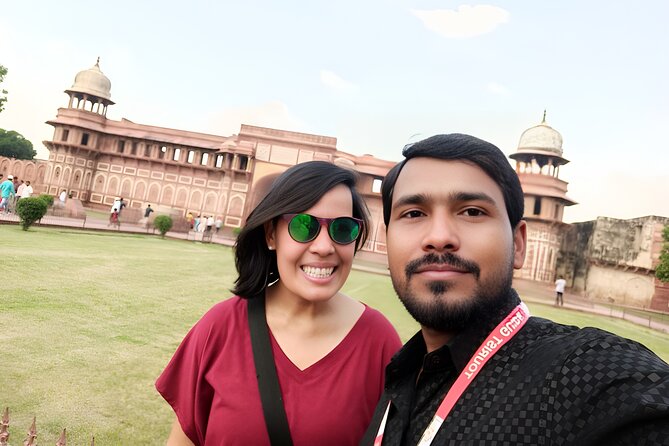
This is a classic north India loop done the practical way: you travel by private vehicle with a uniformed chauffeur, then you meet a live guide locally as you arrive. That matters because Rajasthan can feel like a blur if you’re left to read signs alone. With a guide, the carvings, the royal stories, and the religious details start to make sense fast.
You also get pickup and drop in Delhi Airport, station, or wherever you choose. That’s not glamorous, but it’s a huge stress reducer when you’re landing tired. The tour uses a mobile ticket and includes parking, tolls, fuel, and interstate taxes in the main package.
Value-wise, you’re paying for time and comfort. In India, that usually means you’re buying fewer hassles and more control over pacing.
You can also read our reviews of more private tours in New Delhi

Price and what it really covers
The listed price is $1,013 per person for 15 days. In plain terms, that covers your private transport setup (chauffeur, AC car), the live guide, included parking/tolls/taxes, and hotel stays with breakfast if you pick that option.
What’s not included is important: monument and safari fees are estimated at about $200 per person. That estimate is consistent with what you’d expect for places like the Taj Mahal area and for a national park safari. If your group is traveling during peak season, also plan for ticket lines and timing limits.
So is it a bargain? If you’re comparing it to a DIY plan where you still need private drivers, guiding at key monuments, and internal transfers, the value holds up. If you’re the type who wants only free sites and no paid safari, you’ll feel the extra cost.
Day 1: Delhi arrival with Humayun’s Tomb and Akshardham setup
You start in New Delhi, with greeting at arrival and transfer to your hotel for check-in. After a rest, you head to two very different-feeling sights: Humayun’s Tomb and Swaminarayan Akshardham.
Humayun’s Tomb is UNESCO-listed and gives you that Mughal-meets-Persian garden geometry that shows up again in later masterpieces. It’s a great first day because it’s beautiful without needing long hours of walking.
Later, Akshardham shifts the vibe into modern temple architecture and intricate craftsmanship. The time on Day 1 is also a practical rhythm: you’re not rushed into city chaos immediately.
Day 2: Qutub Minar, Lotus Temple detours, and Chandni Chowk lunch
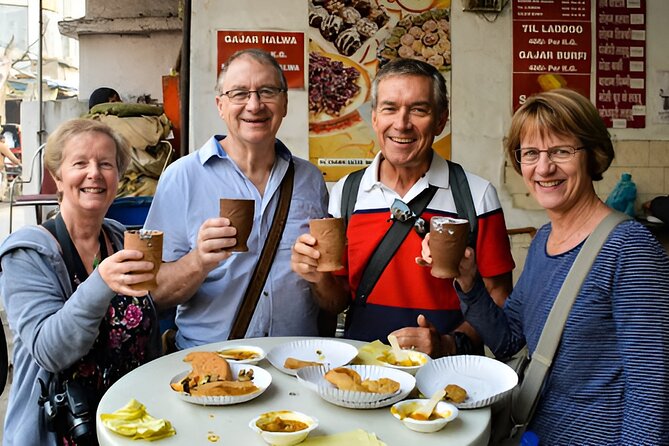
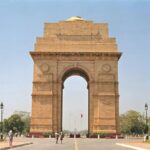
Day 2 reads like the best hits of Delhi—plus street-level food time. You’ll see Qutub Minar, then drive past India Gate, and stop at the Lotus Temple (a white marble statement shaped like a flower).
Then it’s off to Chandni Chowk for lunch, with a menu geared to North Indian comfort: naan, curries like butter chicken or paneer, and biryani with raita. This is the day you’ll appreciate a private car most, because the traffic between monuments is the real obstacle in Delhi.
One timing note: Lotus Temple remains closed on Mondays. If your day falls on a Monday, you’ll be taken to Iskcon Temple or Shri KalkaJi Temple instead. That substitution is helpful, because you keep your sightseeing block intact.
After lunch and city sights, you drive toward Mandawa. The ride is long—about 5 hours—but it sets up the next day’s fort-and-haveli walking nicely.
Mandawa’s havelis and stepwell calm: art you can actually see
Mandawa is Shekhawati region’s pride, often called an open-air canvas of murals. You’ll start with a breakfast, then work through multiple havelis—each one a different style lesson in how merchant families displayed wealth.
You’ll visit Tarkeshwar Goenka Haveli, known for mythological scenes plus odd period details like British-era imagery. Next is Murmuria Haveli, famous for European kings, Queen Victoria, and even inventions and cultural references that feel surprising in the desert setting. Then Gulab Raj Ladia Haveli adds ornate frescoes and floral work.
I like that you’re not doing one stop and calling it a day. You compare styles side by side, and you start spotting patterns: the way windows (jharokhas) frame stories, and how ceilings and walls treat art like status.
You also stop at Harlalka Well, a simple, ancient stepwell near the havelis. That break from crowded interiors is real value. It’s a quiet reset before the drive onward to Bikaner.
You can also read our reviews of more historical tours in New Delhi


Bikaner: fort power, palace luxury, and two very unusual temples
Bikaner is more about fort architecture and offbeat religious stops than desert dunes. You’ll begin at Junagarh Fort, then check the Prachina Museum inside for costumes, portraits, and royal family heirlooms. That museum time matters because it turns the fort’s scale into context.
Next is Lalgarh Palace and Museum, with Indo-Saracenic details and an ornate sandstone facade. The mix of Mughal, Rajput, and European influences helps you understand why Rajasthan didn’t develop in isolation.
Lunch brings Bikaner classics like dal bati churma, gatte ki sabzi, and ker sangri. It’s food that tastes like it belongs in a dry region, not food imported from elsewhere.
Then come the two signature temple stops. Karni Mata Temple near Deshnoke is known for sacred rats, with over 25,000 rats roaming freely and the chance to spot rarer white ones. If that sounds intense, just know the site is part of daily belief and routine, and your guide will help you handle it with respect.
After that, Jain Temple Bhandasar adds a different sacred mood with gold leaf paintings, glasswork, and delicate frescoes—plus a strong sense of stillness.
The drive to Jaisalmer: camel research and a museum stop that saves time
You leave Bikaner and head toward the golden city of Jaisalmer with a long scenic road day (about 6 hours). Along the way, you visit the National Research Centre on Camel, which is one of those stops that turns desert tourism into something more practical. It also gives you a new appreciation for why camels matter beyond the postcard ride.
There’s also Ganga State Museum, a lesser-known collection with archaeological discoveries, coins, royal weapons, and ancient manuscripts. This kind of pause breaks up driving time and helps you understand the region’s broader timeline.
You’ll then reach Jaisalmer and check in. The day is built to get you there without turning the journey into a grind.
Jaisalmer Fort and haveli interiors: golden stone, sharp details
Jaisalmer is where you start seeing the desert’s color in the buildings themselves. Day 6 focuses on the Jaisalmer Fort, built of yellow sandstone, and the fort palace museum with royal quarters, weapons, and artifacts.
Then it’s a haveli tour with a strong focus on carved stone and mirror-studded interiors. You’ll see Kothari’s and Patwon Ki Haveli / Patwa Haveli, the latter associated with a wealthy Jain merchant and known for elaborate screens and architectural precision. You’ll also visit Salim Singh-ki Haveli and Nathmal Ji Ki Haveli, both celebrated for distinctive balconies and symmetrical design ideas.
Don’t skip Gadisar Lake. Even with short time, it provides a breather with shrines and ghats around the water, and it gives you another layer of how this city managed daily life in a dry region.
Then you finish with a desert evening at Sam Sand Dunes. You’ll ride camels over the dunes as the sun drops, and you’ll see cultural performances featuring Kalbelia dancers. It’s one of the most “you’re really in Rajasthan now” moments on the whole trip.
You can also add the Desert Cultural Centre puppet show and, if you want the full night experience, an optional Jaisalmer desert camp overnight in a Swiss-style tent at Sam. Tent availability is limited and confirmed based on booking status.
Jodhpur: Mehrangarh views, Jaswant Thada calm, and a market break
On Day 7 you drive to Jodhpur (about 5 hours). This is where the color theme shifts to the Blue City, and the fort dominates the skyline. You’ll explore Mehrangarh Fort, with time that lets you appreciate how strategic and intimidating it must have felt.
Next comes Jaswant Thada, a white marble cenotaph often compared to a Taj Mahal style in spirit, especially because of the fine jali work and the peaceful garden setting. Then you’ll visit Umaid Bhawan Museum, inside a palace that was built during a famine to create employment—a reminder that architecture can be social policy.
Lunch helps you lock in local tastes again with dal bati churma, ker sangri, and kachri curry, plus buttermilk to cool you down.
In town you’ll hit Sardar Market, near the Clock Tower, for spices, fabrics, antiques, and a chance to try makhaniya lassi. It’s a good place to buy small gifts without feeling rushed.
Then you end with Mandore Garden, former Marwar capital grounds with royal cenotaphs in a temple style. It’s quieter than the big fort days and makes a satisfying close to Jodhpur.
A sunrise stepwell and nature pause before Ranakpur’s Jain temples
Day 8 starts early with two lesser-known stops that feel like a private bonus. First is Rao Jodha Desert Rock Park, created to help restore ecology around Mehrangarh. Walking in the dawn light with your guide’s context is more meaningful than just taking photos.
Then comes Toorji Ka Jhalra, a restored stepwell built in the 1740s by a queen consort. It’s now a social hub, and the cool, symmetrical steps down to the water make it a strong break from temple interiors.
After that, you drive to Ranakpur (about 3.5 hours) and check into an eco-resort or forest-side hotel. This is the moment when the tour slows just enough for you to breathe.
Ranakpur temple day: carved marble, then the road turns scenic again
Day 9 is a temple-and-forest combo. You begin at Ranakpur Jain Temple, with time to see the architectural complexity of its Jain worship spaces. Next is Surya Narayan Temple, known for mural carvings and sculptures tied to the Sun God.
Then you visit Sadri, a town known for a cluster of temples, including Parshvanath and Varahavtar. You’ll also stop at Muchhala Mahavir Jain Temple, described as a hidden-feel site with a rare iconographic detail: a moustache depiction of Lord Mahavir.
Lunch is local again with dishes like gatte ki sabzi and ker sangri, plus lentils and rotis, and a finish that stays light.
Before leaving, you go to Ranakpur Dam for a short nature pause and photos. Then the route shifts toward Udaipur, arriving as the sun sets. That late-day arrival is not random: Udaipur’s lakeside mood works best when you get there without high-pressure timing.
Udaipur by Lake Pichola: palaces, islands, and folk-art stops
Udaipur is romantic in the practical sense: it makes your schedule feel less like homework. Day 10 includes City Palace of Udaipur (major palaces, courtyards, balconies, and towers), plus Jagdish Temple for carved pillars and ornate ceilings.
You’ll also visit Sahelion Ki Bari, the garden designed for the queen and her maidens, with marble pavilions, fountains, lotus pools, and lawns. Even if you’re not a garden person, it’s a good reset between palace-heavy hours.
Lunch keeps it Mewari-focused. Then you go to Lake Pichola, the soul of the city. A boat ride is a highlight in this area, and you’ll also see Jagmandir, the island palace on the lake, accessible by boat.
Later, Bagore Ki Haveli Museum at Gangaur Ghat adds another layer with costumes, royal artifacts, and puppets, plus Rajasthani performances in the evening. You also have time around Fateh Sagar Lake, and a trip to Sajjangarh Monsoon Palace, perched up in the Aravalli Hills for wide views.
To close, Bharatiya Lok Kala Mandal focuses on preserving Rajasthani folk arts through masks, costumes, instruments, and puppetry. It’s an education stop that doesn’t feel like a lecture—just another way to understand daily culture.
Chittorgarh’s courage stories, then Pushkar’s sacred lake rituals
Day 11 starts with Chittorgarh (about 2.5 hours). This is one of India’s grandest forts on scale alone, and it’s a UNESCO World Heritage Site. You’ll tour Chittorgarh Fort, including Rana Kumbha Palace and the Padmini’s Palace site by a lotus pool.
Then there’s a tower day. Vijay Stambh honors victory over Mahmud Khilji and has 157 steps for those who want the climb. You’ll also see Tower of Fame (Kirti Stambh), tied to Jain carvings and symbols.
Religious stops continue inside the fort area: Meera Temple, Kalika Mata Temple, and Gaumukh Reservoir, a sacred tank fed by a spring from a rock shaped like a cow’s mouth. These smaller points are where the fort stops feeling like a monument and starts feeling like a living religious landscape.
After lunch near the route, you drive to Pushkar and overnight there. Pushkar is a tonal change: quieter, more spiritual, and geared to pilgrims.
Pushkar temples, vegetarian lunch, and Jaipur architecture on the move
Day 12 is built around Pushkar’s sacred rhythm. You’ll visit the Brahma Temple, one of the rare temples dedicated to Brahma, plus Pushkar Lake with its 52 ghats where rituals happen and people take holy dips.
Then you’ll climb or take a cable car to Shree Savitri Mata Mandir for views over Pushkar valley. Other temple stops include Varaha Temple and Old Rangji Temple, known for blending Dravidian, Mughal, and Rajput elements.
Lunch is a vegetarian feast with a spiritual rule of no onion or garlic often followed in Pushkar. You’ll also stop at Gurudwara Singh Sabha for Sikh worship and a calmer moment after temple hours.
Then you may visit the camel trade fair field. Even in off-season it’s a place where camels and herders show up, but if you travel during the annual fair (October 30 to November 5), expect a major event.
After Pushkar, you drive to Jaipur and set up the next day’s architecture focus.
Jaipur’s stone instruments, palace colors, and forts before Ranthambhore
Day 13 is a Jaipur highlight day, then you transition toward wildlife country. You’ll see City Palace, Jantar Mantar (UNESCO) with the world’s largest stone sundial plus other astronomical instruments, and Hawa Mahal, the five-story pink facade with 953 jharokhas designed for royal women.
Nahargarh Fort and Jaigarh Fort come next. Jaigarh is connected to Amber Fort through subterranean passages and is known for the world’s largest cannon on wheels, Jaivana. You’ll also stop at Jal Mahal, which you see mostly as a reflection scene from outside since entry isn’t allowed.
Once Jaipur sights are done, you drive to Ranthambhore. The timing shift matters: you go from pink city stone to forest roads that feel built for early mornings.
Ranthambhore safari timing and the fort you can pair with nature
Day 14 is the wild part. You head out on an early morning safari through Ranthambhore National Park, a major tiger reserve with 1,300 sq km. You may spot Royal Bengal tigers, leopards, and marsh crocodiles, but the reality of wildlife viewing is always that animals decide the schedule.
You also visit Ranthambhore Fort, a UNESCO World Heritage Site set within the forested area, with temples inside. That pairing works well because it gives you a “history stop” between adrenaline moments.
After that, you drive to Agra through the Chambal region, a quieter route with scenic detours.
Agra at sunrise: Taj Mahal, Agra Fort, and Itmad-ud-Daula
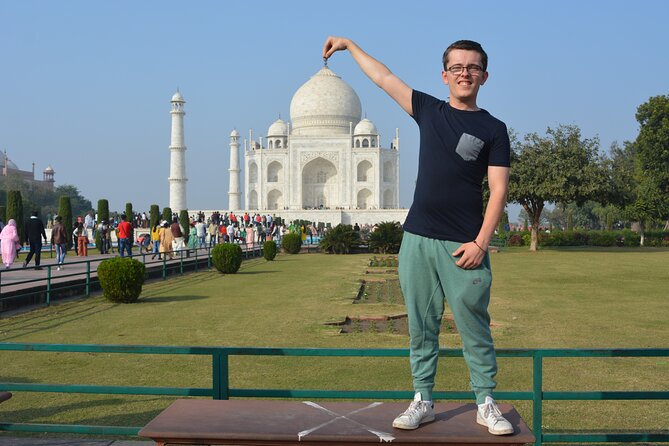
Day 15 is a payoff day. Sunrise at the Taj Mahal is the headline moment, with changing marble hues as light shifts. One critical planning note: the Taj Mahal remains closed on Friday, so avoid booking a Friday sunrise if you want this exact moment.
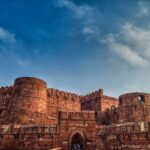
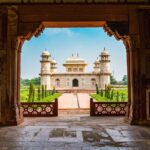
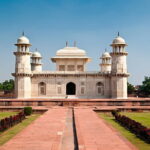
After Taj, you explore Agra Fort, built by Akbar and later embellished by Shah Jahan, including courtyards and mosques like Musamman Burj. Then you visit Itmad-ud-Daula, often called Baby Taj, with inlay work and pietra dura details in a smaller, more serene setting.
Lunch in Agra mixes Mughlai and North Indian options, with vegetarian dishes like paneer butter masala and aloo gobi. Finally, you drive back to Delhi or your chosen drop-off point, including the airport and station.
Should you book this tour?
Book it if you want a private, guided road trip that hits the big monuments without turning your day into a logistics puzzle. I’d also book it if you care about the “two-sided” experience: museums and forts by day, plus real animal-country time at Ranthambhore.
Skip it or adjust expectations if you hate paid ticket days. Monument and safari fees are about $200 per person on top, and safari schedules can’t be controlled like a museum line.
A final practical tip: if your dates land on Friday, plan around the Taj Mahal closure. If they land on Monday, expect the Lotus Temple swap to Iskcon Temple or Shri KalkaJi Temple. Those two rules can decide how smooth your best photos turn out.
FAQ
How long is the tour?
The tour runs for about 15 days.
Where does the tour start and end?
It starts in New Delhi and ends in Agra, with the final day including a drive back to Delhi for drop-off.
What’s included in the price?
The price includes a private uniformed chauffeur, a live tour guide with various foreign languages, sightseeing by private air-conditioned car, pickup and drop in Delhi, and all parking fees, tolls, taxes, allowances, fuel, and interstate taxes. Hotel accommodation with breakfast is included if that option is chosen.
Are monument and safari fees included?
No. Monument and safari fees are not included and are estimated at about USD 200 per person.
Is the Taj Mahal closed on certain days?
Yes. The Taj Mahal remains closed on Friday.
What if the Lotus Temple is closed?
Lotus Temple remains closed on Monday. In that case, you’ll be taken to Iskcon Temple or Shri KalkaJi Temple.
Do I need a photo ID?
Yes. Please bring a valid photo ID to check at the monument.
Is an overnight desert camp in Jaisalmer available?
There is an optional overnight in the Jaisalmer desert camp. Tent availability is limited and depends on confirmation at the time of booking.