REVIEW · NEW DELHI
6 Days Private Golden Triangle Tour with Varanasi from Delhi
Book on Viator →Operated by TRAVEL INDIA ONE DAY · Bookable on Viator
Four cities in six days, plus Varanasi at dusk. This private route strings together Delhi, Agra, Jaipur, and Varanasi with a mix of world-famous monuments and real daily spiritual life at the ghats. It’s the kind of trip where your guide does the timing, you do the wondering, and the schedule keeps you from losing hours to logistics.
Two things I like a lot: the private, air-conditioned transport (plus skip-the-lines handling), and the day structure built around the big moments like a sunrise Taj Mahal visit and the evening Ganga Aarti. In the feedback I read, drivers such as Arun and Nawal were praised for punctual, safe driving, and guides like Neeraj were singled out for being clear and helpful.
One drawback to consider: it’s a packed plan with early starts and included flights. Also, lunch and dinner aren’t included, so you’ll want to budget for meals each day and plan where you’ll eat.
In This Review
- Key points worth knowing before you go
- A Route That Blends Icons and Everyday Spiritual Life
- Day 1 in Delhi: Qutub Minar, Lotus Temple, and a Stepwell You’ll Remember
- Day 2: Sunrise Taj Mahal, Agra Fort, and the Baby Taj—Then Overnight Jaipur
- Jaipur Days: Amber Palace Plus the Court-Era Photo Circuit
- Trading Rajasthan for the Ganges: Flying into Varanasi
- Day 5 in Varanasi: Assi Ghat Morning Rituals to Sunset Ganga Aarti
- Day 6: A Clean Finish Back to Delhi
- Hotels, Guides, and the Timing Stuff You Actually Feel
- Price and Value: What $6.91 Can Mean Here
- Should You Book This Tour? My Decision Guide
- FAQ
- How long is the Golden Triangle with Varanasi tour?
- Is this tour private?
- Which cities are included?
- Are pickups and drop-offs included?
- Are flights included?
- What meals are included?
- Are lunch and dinner included?
- Are monument entrance fees included?
- Is bottled water and WiFi provided?
- Is there free cancellation?
- Should You Book This Tour? (Quick Call)
Key points worth knowing before you go
- Skip-the-lines support so you don’t burn half your day stuck at ticket checks.
- Sunrise Taj Mahal with a private expert guide for a smoother, more meaningful visit.
- Amber Fort, City Palace, Jantar Mantar, and Hawa Mahal in Jaipur, with major photo stops kept tight.
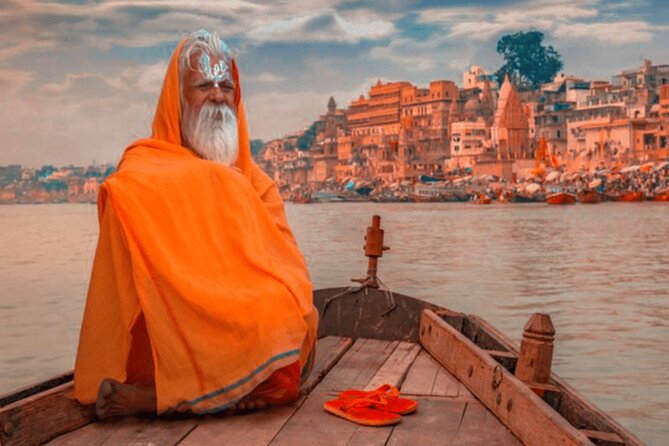
- Varanasi ghats schedule: Assi Ghat in the morning and Dasaswamedh Ghat for sunset Aarti.
- Private guides in each city, including local context you can ask about on the spot.
- Domestic flights included (Jaipur–Varanasi and Varanasi–Delhi) with stated baggage allowances.
A Route That Blends Icons and Everyday Spiritual Life
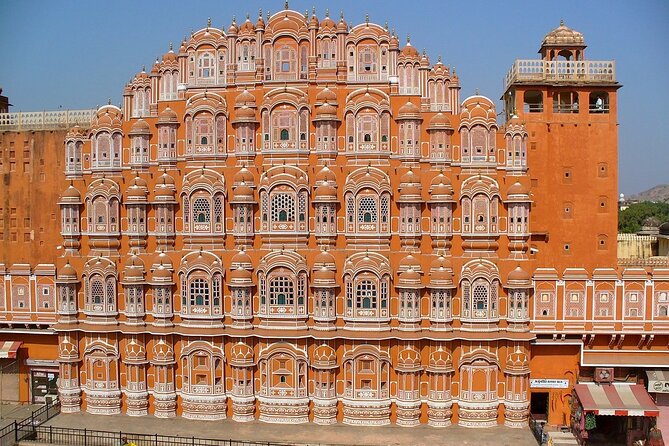
This tour isn’t just a checklist of famous places. The route is built to show you the contrast between India’s monumental history and its living spiritual rhythm. You start with Delhi’s layered heritage, move through the Mughal masterpieces of Agra, then shift to Jaipur’s forts and court-era architecture, and finish with Varanasi, where the day really turns on temple bells, river rituals, and crowds moving on their own time.
What makes it practical is how much is handled for you. You get private AC transportation, professional guides, and airport/hotel pickup. On the monument days, entrance fees are included with the tour option, and the itinerary includes multiple stops with specific time blocks—so you’re not guessing what comes next.
The feel of the trip is also shaped by the private setup. Since it’s only your group, you can keep pace without constantly negotiating around a big bus schedule. That’s especially helpful in Delhi and Jaipur, where city driving and sight access can easily eat your energy.
You can also read our reviews of more private tours in New Delhi


Day 1 in Delhi: Qutub Minar, Lotus Temple, and a Stepwell You’ll Remember
Delhi day one is a smart way to get your bearings fast without driving in circles. You start with Qutub Minar, where you have an admission ticket included and a focused visit time. This is one of the easiest ways to anchor Delhi’s story early, because it immediately sets a tone of long timelines and changing powers.
Next comes the Lotus Temple, a peaceful contrast to all the stone-and-street energy. The architecture is lotus-shaped, and the site is described as having a calm atmosphere, which makes it a great middle stop before you head to the more memorial-and-government landmarks.
After that, you do a drive-past at India Gate. You’ll also see Parliament House and Rashtrapati Bhavan from the road. Even if you don’t spend long inside any building here, the pass-by works well because it gives you scale—Delhi feels ceremonial and administrative in a way that you can’t fully understand from postcards.
Then you end at Agrasen ki Baoli, an ancient stepwell that many people miss. This stop is listed as free and short, but it’s the one I’d keep in mind if you love quiet, oddball places. A stepwell feels like an architectural time capsule—channels, stone steps, and the sense of a hidden urban structure.
Practical note: Delhi can be traffic-heavy. Since your tour includes a private car and a guide, your best move is to keep the pace you’re given—don’t plan extra add-ons that fight the schedule.
Day 2: Sunrise Taj Mahal, Agra Fort, and the Baby Taj—Then Overnight Jaipur
Day two is where the tour becomes very memorable, very quickly.
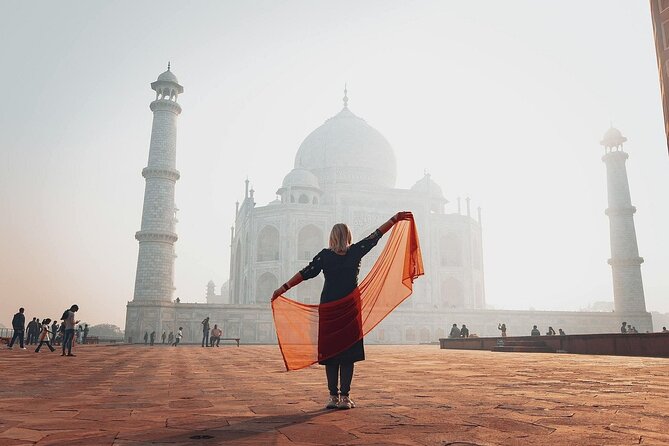
You start with a sunrise visit to the Taj Mahal, with a private expert guide. The description you’re given matters: it’s an ivory-white marble mausoleum on the Yamuna River’s south bank. Sunrise isn’t only a photo play. It also tends to make the visit calmer and more focused, and the guide-led flow helps you avoid the most chaotic moments.
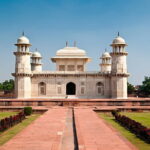
After the Taj, you go to Agra Fort, a sprawling red sandstone fortress with a UNESCO mention in the itinerary. The time block here is shorter than Taj, but the stop is timed to keep momentum. You’ll also visit Itmad-ud-Daula, often called the Baby Taj—built in the early 1600s under Empress Nur Jahan to honor her father, Mirza Ghiyas Beg. That “smaller cousin” feel is helpful if you like details without spending the entire day on one site.
Then you transfer by private air-conditioned vehicle to Jaipur (about a five-hour drive) and check into your 4- or 5-star hotel. You get leisure time after arrival, which is important because day two is long, and your body will thank you for a buffer.
If you’re meal-minded: remember lunch and dinner aren’t included. In a day this packed, you’ll want your hotel check-in plan to include where you’ll grab food nearby.
Jaipur Days: Amber Palace Plus the Court-Era Photo Circuit
Jaipur is arranged like a sequence of “look up, slow down, notice details” stops. After breakfast, you begin with Panna Meena ka Kund, a symmetrical 16th-century stepwell. This is a photographer’s dream stop in the itinerary description, and it’s also a good warm-up: it gets you focused on shapes and shadows before you climb into forts.
Next is Amber Palace, listed at two hours. Admission is specifically noted as not included on the day plan, which is a big heads-up. If you want to avoid surprises, confirm whether your booked option includes entrance fees for Amber Palace. Either way, the visit time is set to let you see more than just the main gates.
You then have a quick stop at Jal Mahal, the Water Palace on Man Sagar Lake. It’s described as rising ethereally from the water, built in the 18th century as a royal duck-hunting retreat. Even with a shorter visit window, it’s one of those places where you’ll feel the “palace-as-landmark” idea immediately.
After that, the tour turns into the classic Jaipur museum-and-observatory circuit:
- City Palace for courtyards and museums (admission included on the itinerary day).
- Jantar Mantar, described as the largest stone astronomical observatory in the world (admission included).
- Hawa Mahal, the Palace of Winds: five stories of pink sandstone with window screens designed so royal women could watch street life unseen, while breezes cooled the area.
The Hawa Mahal stop is short, but it’s designed for impact. A pink facade like this works best when you don’t overstay—you’ll get the key views and move on.
My advice for Jaipur: wear shoes you trust. You’re moving between sights with different walking surfaces and occasional stair/terrace areas. And keep a little extra time in your own head for small photo detours—your guide can help you find the better angles fast.
Trading Rajasthan for the Ganges: Flying into Varanasi
On day four, you switch gears. You transfer to Delhi airport time isn’t the focus here; instead the schedule is built around a flight from Jaipur to Varanasi. You’ll spend time getting to the airport, then arrive in Varanasi and get a hotel transfer.
After check-in, you get the rest of the day free. That free time is valuable because Varanasi runs on its own rhythm. There’s a good chance your senses will be overloaded after the trip so far, so letting your body decompress makes day five much better.
One thing to watch: Varanasi mornings and evenings can feel different from midday heat and energy. If you want to see the city on your own terms, treat free time day four as a chance to walk gently near your hotel area and orient yourself.
You can also read our reviews of more tours and experiences in New Delhi






Day 5 in Varanasi: Assi Ghat Morning Rituals to Sunset Ganga Aarti

Day five is the heart of the spiritual part of this itinerary. The schedule is thoughtfully paced: you go from a quieter morning setting to a temple visit and then to the river for the big evening ceremony.
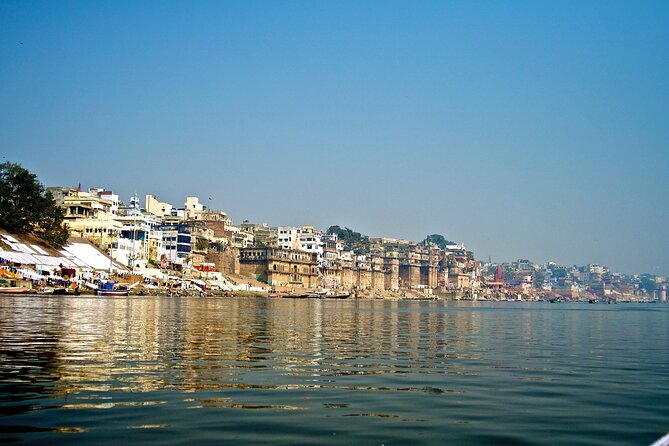
You start at Assi Ghat, one of the most sacred and peaceful ghats in the itinerary description. The goal is to see morning rituals and experience a calmer part of Varanasi’s daily life.
Then you visit Shri Kashi Vishwanath Temple, also listed as the Golden Temple in the itinerary. It’s a short, focused stop where you pay respects at one of Varanasi’s most sacred Hindu temples.
Next is Banaras Hindu University, described as one of Asia’s largest residential universities. You’ll also explore Kina Ram Aghori’s temple and ashram as part of this visit. This is a meaningful contrast: it adds educational and spiritual context in one block, not just a street-level view.
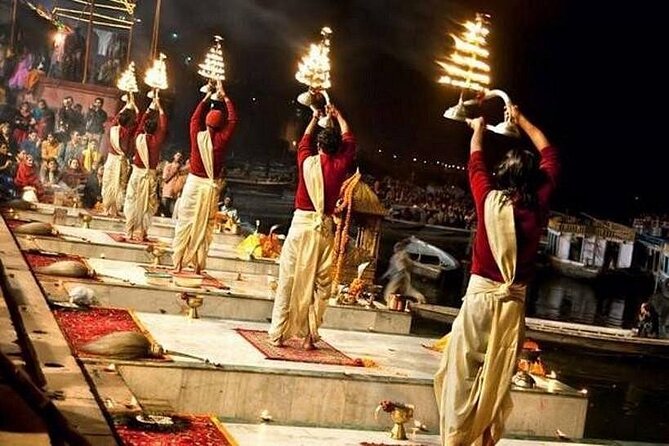
Finally you go to Dasaswamedh Ghat for the evening Ganga Aarti. The itinerary notes that the ceremony is held daily at sunset, with priests performing synchronized rituals using large oil lamps, incense, conch shells, and Vedic chants. This is the moment most people remember, and the tour structure helps you reach it with less stress.
Practical advice for Aarti: arrive with patience. This is a crowded, high-energy setting, and you’ll enjoy it more if you’re mentally ready to move slowly and let the ceremony unfold around you.
Day 6: A Clean Finish Back to Delhi
Day six keeps things simple. You start with breakfast, then transfer to the Varanasi airport for the flight to Delhi. After arrival, your driver picks you up and drops you off where you want in Delhi, Gurugram, or Noida.
This end matters more than you might think. Many multi-city India trips end with the hardest day: late check-out, long pickups, and unclear timing. Here, your itinerary explicitly includes a flight back and a clear drop-off plan.
Hotels, Guides, and the Timing Stuff You Actually Feel
This tour is heavily logistics-supported. That’s not glamorous, but it’s what makes a multi-city route work.
- Private local guides in each city: guides in Delhi, Agra, Jaipur, and Varanasi help you connect the dots as you move from stop to stop. In the feedback I read, Neeraj was praised as informative and knowledgeable, and that kind of guidance usually changes how you experience monuments.
- Drivers called out for reliability: people mentioned drivers like Arun and Nawal for safe, punctual driving through tough traffic. Another driver, Dinesh, was described as punctual and with a clean car.
- Skip the long lines: this matters most at major monuments and busy urban sites. It helps you keep your attention on what you came to see, instead of waiting.
- Bottled water and WiFi on board: a small thing, but on long road days it keeps you calmer and more comfortable.
Hotel details depend on the option you choose, but the tour includes 5 nights in a 4-star hotel with breakfast where the all-inclusive option is selected. Reviews I saw also described hotels as clean, safe, and centrally located, which is what you want when you only have one night at each base.
Price and Value: What $6.91 Can Mean Here
The displayed price shows $6.91 per person for this private 6-day experience. That’s unusually low for a package that includes domestic flights, private AC transport, guides, and multiple monument visits, so I’d treat it as a starting point and make sure you understand what your selected option includes.
Here’s where the value argument actually comes from:
- You’re not arranging four-city transportation and guides yourself.
- You’re getting a schedule that hits major sights without forcing you to plan route hops hour-by-hour.
- You’re paying for timing, tickets handling, and entry fees where the tour option includes them.
Where value can dip: lunch and dinner aren’t included. If you’re the kind of traveler who eats big meals every day, the final cost can rise fast. Also, one monument item is explicitly marked as not included on the day plan (Amber Palace), so confirm entry coverage before you go.
Should You Book This Tour? My Decision Guide
Book it if you want a private tour that balances famous monuments and spiritual Varanasi in one clean package. This is a strong fit for you if you enjoy history, architectural landmarks, and religious rituals—and you’re okay with early mornings plus a tight schedule.
Think twice (or at least double-check options) if you’re picky about meal planning or if you hate tight timing. Lunch and dinner aren’t included, and at least one Jaipur admission is flagged as not included on the plan, so your best move is to verify what your chosen package covers.
Overall, this is a practical way to see the Golden Triangle plus Varanasi without drowning in logistics.
FAQ
How long is the Golden Triangle with Varanasi tour?
It runs for 6 days (approx.).
Is this tour private?
Yes. It’s a private tour/activity, so only your group participates.
Which cities are included?
The route includes New Delhi, Agra, Jaipur, and Varanasi.
Are pickups and drop-offs included?
Yes. You get pickup/drop-off at the hotel or airport.
Are flights included?
Yes. Flights included are Jaipur to Varanasi and Varanasi to Delhi, with baggage allowances listed as 15 kg check-in and 7 kg hand baggage.
What meals are included?
Breakfast is included with the all-inclusive tour option.
Are lunch and dinner included?
No. Lunch and dinner are not included, unless specified.
Are monument entrance fees included?
Monument entrances and fees are included with the tour option. Some stops show ticket inclusion on the itinerary while Amber Palace is listed as not included, so confirm what your selected option covers.
Is bottled water and WiFi provided?
Yes. The tour includes bottled water & WiFi on board.
Is there free cancellation?
Yes, free cancellation is offered. You can cancel up to 24 hours in advance for a full refund.
Should You Book This Tour? (Quick Call)
If your dream trip includes Taj Mahal at sunrise and Ganga Aarti at sunset, and you’d rather let someone else handle the transportation and guides, this is a smart booking. Just confirm your option for hotel/entrance fees and budget for lunch and dinner, since those are the main gaps in the package.