REVIEW · NEW DELHI
New Delhi, Agra & Jaipur: 3-Day India Golden Triangle Tour
Book on GetYourGuide →Operated by Delight Tours · Bookable on GetYourGuide
Sunrise at the Taj changes your view of India. This 3-day Golden Triangle tour strings together Delhi, Agra, and Jaipur with guided visits, comfort-first transport, and a schedule built around the best times to see the big icons.
I really like two parts: the Taj Mahal at sunrise and the day of fort-and-palace sights that keeps you moving through real history in real places. In Agra, a guide like Muaaz can make the Taj Mahal and the Red Fort feel sharp and understandable, not just impressive.
One thing to keep in mind is ticket clarity. Entry tickets can be included depending on your option, and if they are not, you’ll likely pay extra on top—plus there can be some language friction, so you may want to bring simple questions and a patient attitude.
In This Review
- Key things to know before you go
- 3 days in Delhi, Agra, and Jaipur: what the pace really feels like
- Day 1 in Delhi: Old Delhi lanes, rickshaws, and the big monuments
- The Qutub Minar to Lotus Temple block: why New Delhi fits after Old Delhi
- Day 2: the Taj Mahal at sunrise, then Agra Fort, then the drive to Jaipur
- Practical tip for sunrise day
- Fatehpur Sikri: a quick UNESCO moment that adds context
- Day 3 in Jaipur: Amber Fort, City Palace, and Jantar Mantar
- Transportation and guides: AC comfort, live commentary, and real-world quirks
- Hotels and value: what your star level changes (and what it doesn’t)
- Price and tickets: the $165 question you should ask before paying
- Who should book this tour (and who should skip it)
- My call: should you book New Delhi, Agra & Jaipur for 3 days?
- FAQ
- What’s included in the tour price?
- Does the tour include hotel accommodation?
- Are monument entry tickets included?
- What languages are the live tour guides available in?
- Where is pickup available?
- What should I bring for the trip?
Key things to know before you go
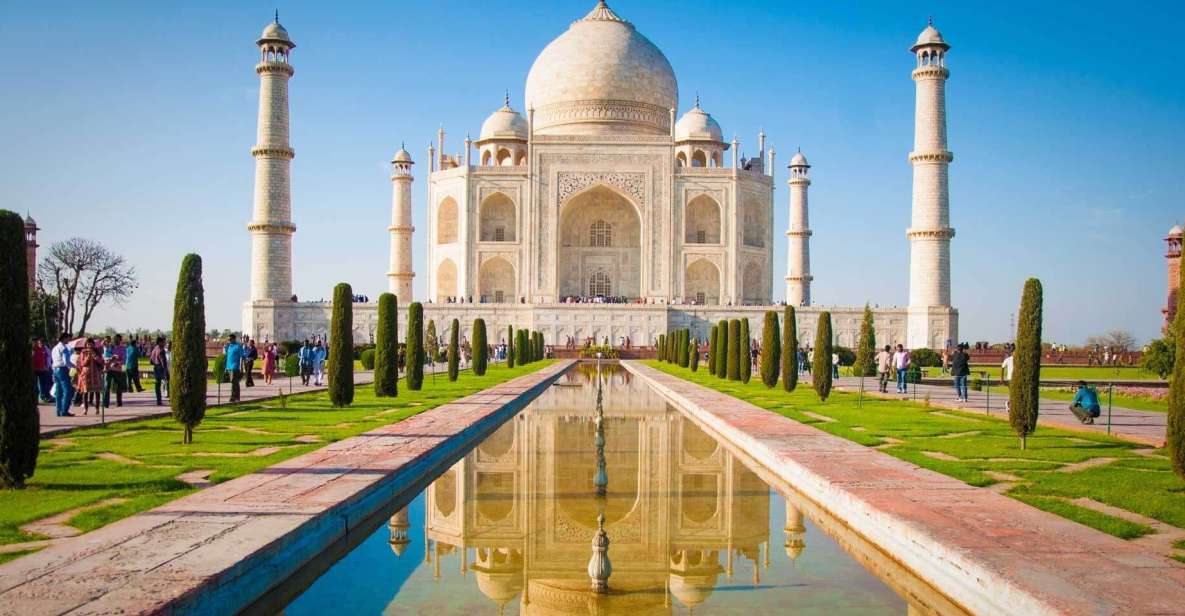
- Sunrise Taj Mahal timing is the headliner, with an early start that pays off fast.
- Old Delhi rickshaw ride gives you a very different angle on the lanes around Chandni Chowk.
- UNESCO Fatehpur Sikri makes an important stop on the way to Jaipur.
- Air-conditioned car + professional driver helps when Delhi traffic turns your day into a slow-motion test.
- Live guide in multiple languages (English, Spanish, French, German, Russian) keeps the big sights from feeling like blur.
- Entry tickets depend on your chosen option, so check what you’re paying for up front.
3 days in Delhi, Agra, and Jaipur: what the pace really feels like
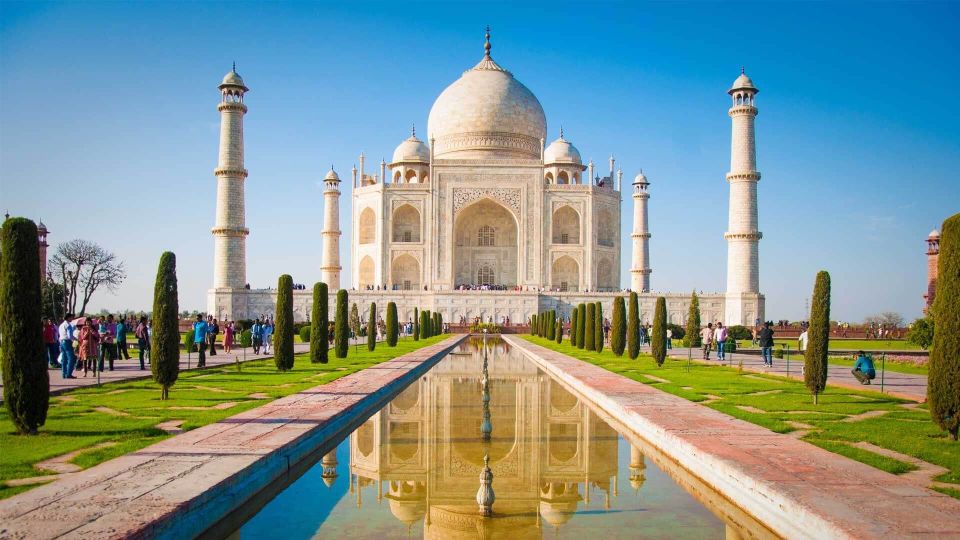
This is a classic Golden Triangle sprint: you’ll hit the top sites in three days, with hotel help and transport handling the hard parts. Your days are packed with short drives and full guided blocks, so it works best if you enjoy seeing a lot and don’t need long, free-floating hours.
The itinerary is built around three “wow” moments:
- Old Delhi street energy and monuments
- Sunrise at the Taj Mahal
- Jaipur forts and palace architecture
If you want a trip that feels relaxed, this might feel tight. If you want a first-time India hit with strong logistics, it’s a good deal.
You can also read our reviews of more tours and experiences in New Delhi



Day 1 in Delhi: Old Delhi lanes, rickshaws, and the big monuments
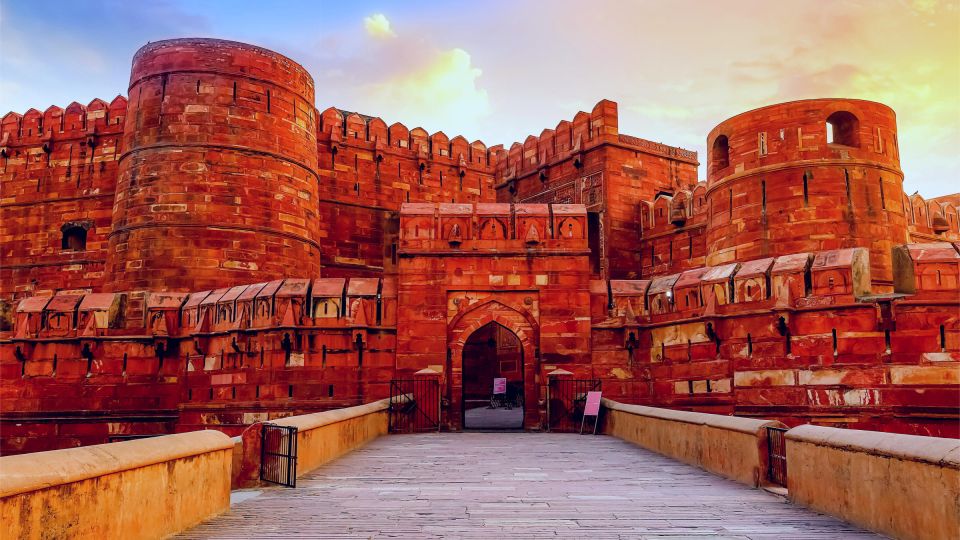
You start with a pickup around 9:00 AM from your hotel, airport, or your chosen location in Delhi. From there, the tour focuses on Old Delhi first, which is the smart move. You get street views early, before the heat and crowds fully take over.
In Old Delhi, you’ll visit key stops like:
- Jama Masjid
- Chandni Chowk, including a rickshaw ride
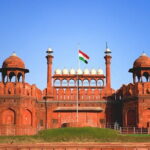
- Red Fort
That rickshaw ride is one of the practical joys here. It’s short, but it helps you experience the street scale and movement in a way walking alone doesn’t.
Then you transition to New Delhi for the more spread-out monuments and gardens-style areas. You’ll see:
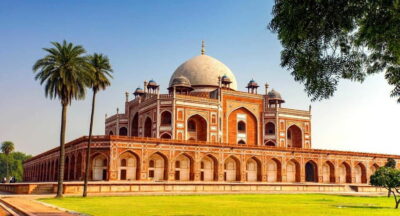
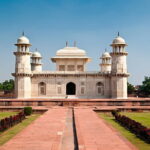
- Humayun’s Tomb
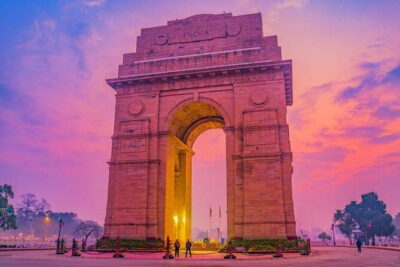
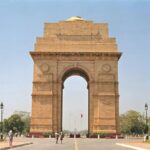
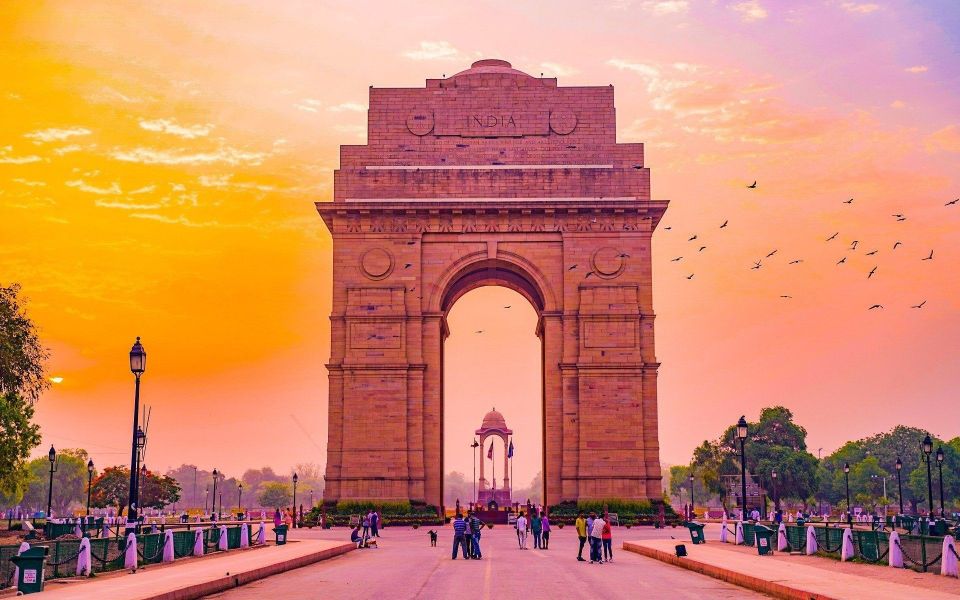
- India Gate and Parliament House
- Qutub Minar
- Lotus Temple
This mix matters because it shows India’s layers in a compact way. Old Delhi gives you the Mughal-era vibe and market chaos. New Delhi gives you the planned capital feeling and the wow-factor of standout structures.
The Qutub Minar to Lotus Temple block: why New Delhi fits after Old Delhi
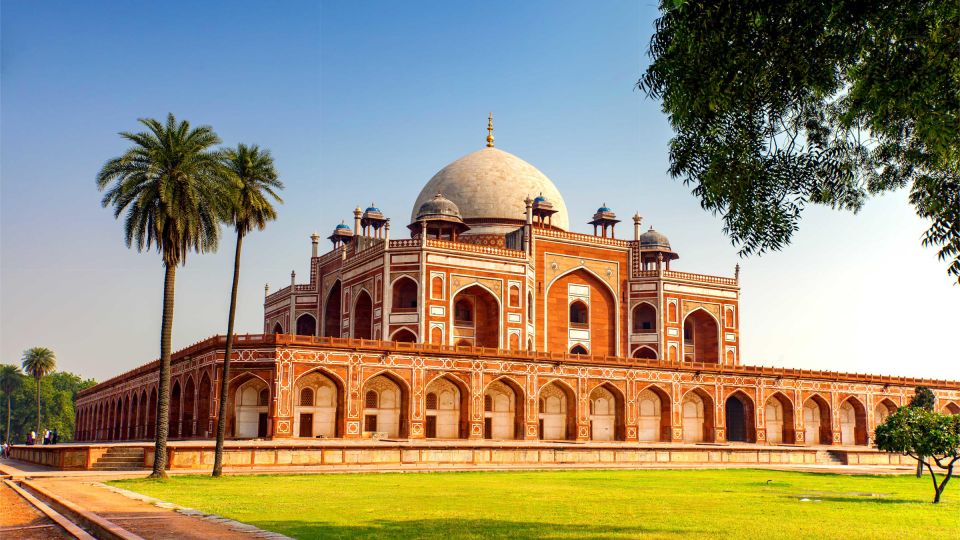
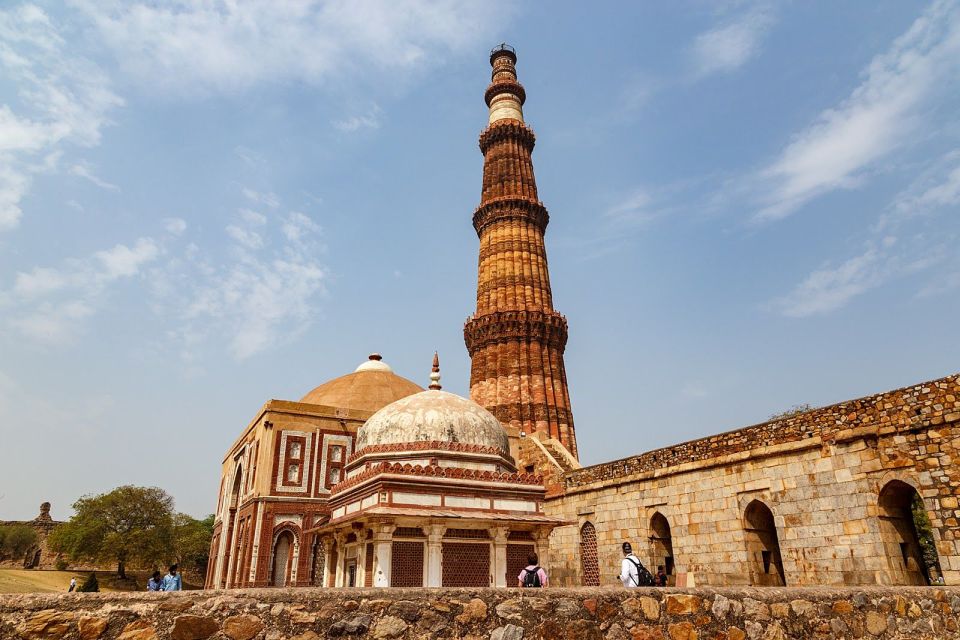
After Old Delhi, New Delhi can feel like a palate cleanser. The sights change from crowded lanes to more spacious, monument-focused areas.
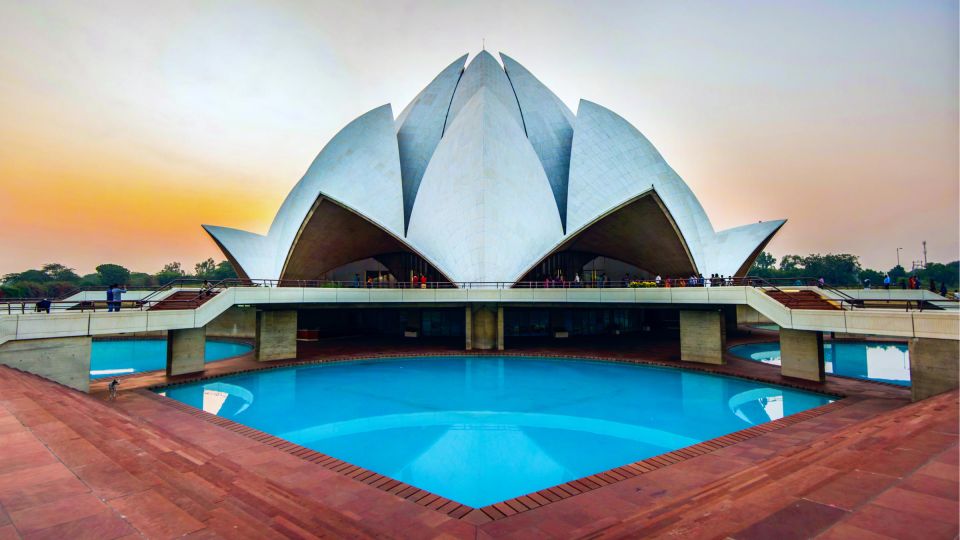
Qutub Minar is a must-do because it’s one of those structures that makes you pause and look up. And Lotus Temple brings a totally different feel—calm, geometric, and easy to appreciate even if architecture isn’t your main interest.
If you’re wondering how to make sense of it all, here’s the trick: ask your guide to connect each stop to a timeline—who built, why it mattered, and what style you’re looking at. Guides often do this naturally when they explain how details fit together.
Day 2: the Taj Mahal at sunrise, then Agra Fort, then the drive to Jaipur
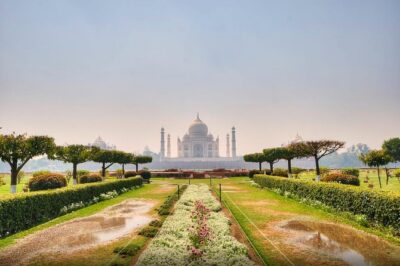
Day 2 is the big emotional center of the trip: sunrise at the Taj Mahal. The point of going early isn’t just cooler temperatures. It’s light. You get that softer glow that makes the marble look less like a statue and more like a living surface.
A good guide will also help you notice the Taj Mahal as a full “system,” not just one view. In one example, guides like Iqbal and Ryaz shared facts about how the Taj Mahal was built and what key details mean. That kind of explanation turns a famous photo into a real place you can understand.
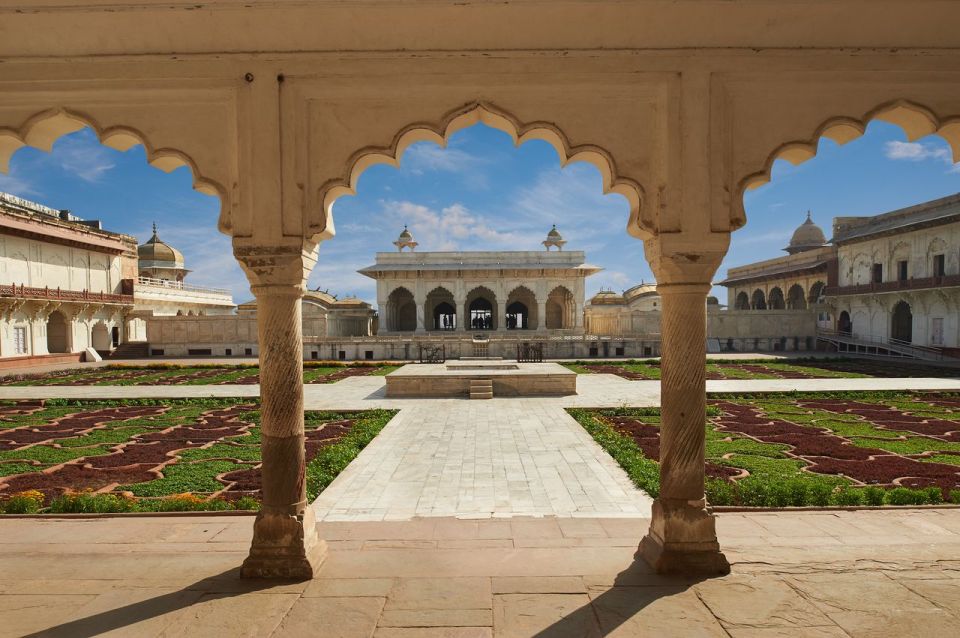
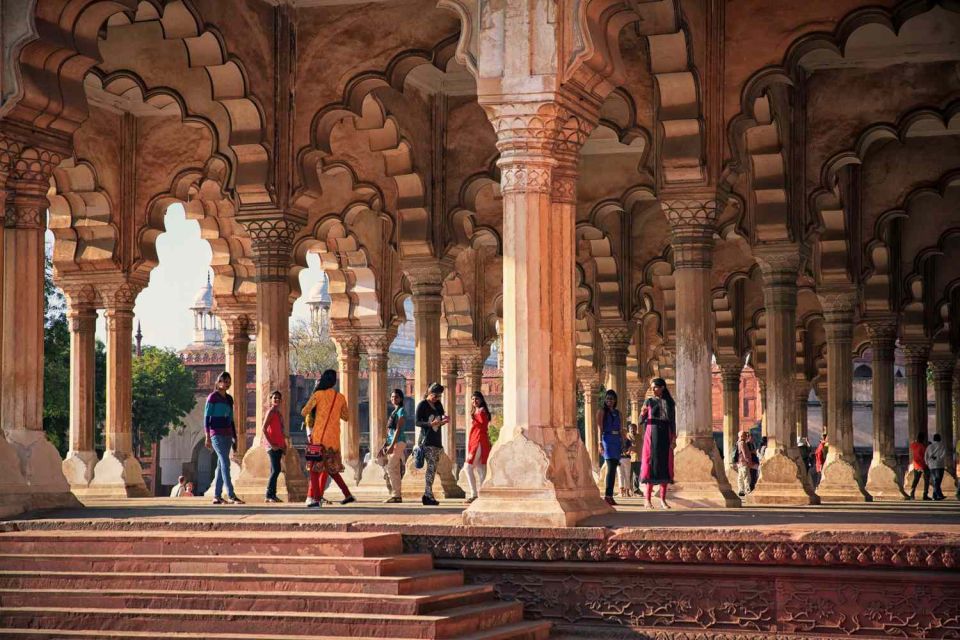
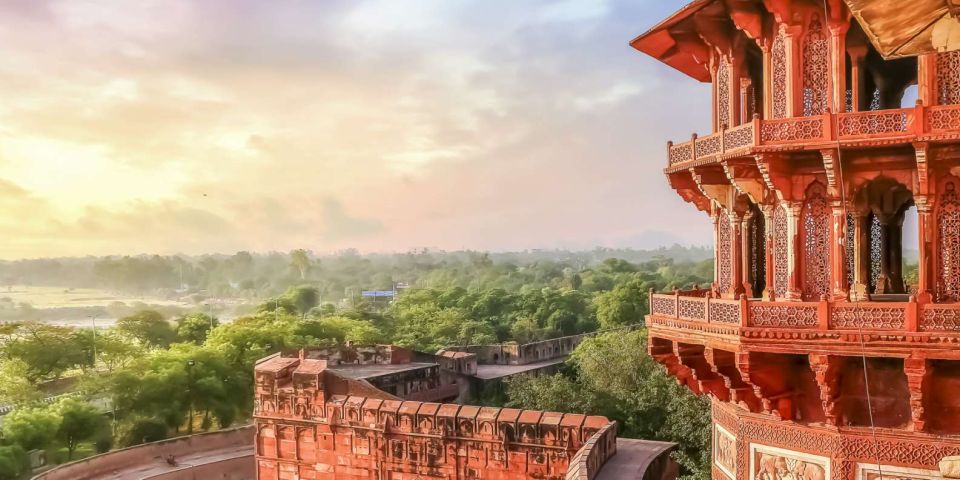
After the Taj, you’ll head back for breakfast and then continue with Agra Fort. Agra Fort is a strong follow-up because it shows the power and complexity of the city beyond the Taj Mahal postcard.
Then you drive to Jaipur. On the way, you stop at Fatehpur Sikri, a UNESCO World Heritage Site. Finally, you check into your hotel for an overnight stay in Jaipur.
Practical tip for sunrise day
Wear comfortable shoes and keep sunscreen handy. You’ll likely spend time outside in early light, and the Taj area is where people sometimes underestimate the sun and wind.





Fatehpur Sikri: a quick UNESCO moment that adds context
Fatehpur Sikri can feel like a detour if you only think of it as another ticketed site. But it’s a valuable stop because it adds context: you’re seeing how powerful Mughal-era ambition played out in stone, planning, and symbolism.
The tour keeps this as a stop-in-transit, not a deep multi-hour study. That’s fine for a 3-day tour. Just don’t rush the guide’s explanation. Ask one or two clear questions and you’ll leave with more than a checklist.
Day 3 in Jaipur: Amber Fort, City Palace, and Jantar Mantar
After breakfast, you begin your Jaipur sightseeing with major architectural hits:
- Amber Fort
- Jal Mahal (viewed from outside)
- Hawa Mahal (viewed from outside)
- City Palace
- Jantar Mantar
- Panna Meena Ka Kund
Jaipur works especially well on day 3 because you get a clear switch from Delhi’s monument scale and Agra’s fort-temple mood. Jaipur is more colorful in structure and symbolism, and the shapes are easier to “read” quickly.
Amber Fort is the star here. It’s the kind of place where even if you’re tired from days 1–2, you’ll snap back into attention once you’re inside and the guide explains the layout and defensive logic.
Jantar Mantar is another great stop if you like practical science and design. It’s not just pretty. It’s about how people tracked the sky using crafted instruments.
And Panna Meena Ka Kund is the surprise payoff. It’s less famous than the big three, which often makes it feel more real and less photo-choked.
After lunch and more sightseeing, you drive back to Delhi, arriving around 8:00–9:00 PM, with drop-off at your hotel or the airport.
Transportation and guides: AC comfort, live commentary, and real-world quirks
This tour includes an air-conditioned car and a professional driver, plus a live tour guide service at all places. That matters because it reduces the stress of timing, directions, and ticket routing. In India, those little things can eat your energy fast.
Guide languages are listed as English, Spanish, French, German, and Russian, which is helpful if you’re not traveling with a strong English base.
You may still notice a couple of real-world issues:
- Language barrier can happen. In at least one case, guides had trouble understanding questions even after rephrasing.
- Some guides may make extra stops tied to craftsmanship shops. That can be interesting if you like watching work—but it can also feel salesy if you do not want to buy.
If you’re sensitive to sales pressure, the simplest approach is polite but firm: say you’re not shopping today. A lot of people manage it calmly, and your trip stays about the sites.
Hotels and value: what your star level changes (and what it doesn’t)
You get 2 nights hotel accommodation with breakfast when you choose the hotel option. You can also book your own hotel and take the tour without accommodation.
If you’re using their suggested hotels, here are the names tied to the categories:
- 3-star: Royale Regent, Pushpvilla in Agra, Crimson Park in Jaipur
- 4-star: Crystal Sarovar in Agra, Ramada Hotel in Jaipur
- 5-star: Courtyard by Marriott in Agra, Trident Hotel in Jaipur
So what does this buy you, beyond “nicer rooms”? Mostly it buys you less planning. With a tour, you don’t have to coordinate pickup timing and location changes every time you switch cities.
Also, you’ll have bottled mineral water provided. Small detail, big comfort in the heat.
Price and tickets: the $165 question you should ask before paying
The advertised price is $165 per person for a 3-day tour, and it includes core logistics like pickup/drop-off, AC transport, a professional driver, live guide time, and bottled water. That already covers a chunk of what makes a Golden Triangle trip easy.
The tricky part is monument admissions. The tour notes that entry tickets are included if you select that option. If you don’t, you’ll pay separately for sights like the Taj Mahal, Amber Fort, and others.
One review example flagged that tickets were about €100 per person total when they weren’t included. Your total may differ depending on what’s included in your package, but the takeaway is clear: confirm your ticket plan before you go so you’re not surprised at payment time.
One more plus: the tour mentions skip the ticket line. That’s valuable. You’ll still stand in some lines, but it reduces the worst of the wait.
Who should book this tour (and who should skip it)
This works especially well if:
- You’re doing the Golden Triangle for the first time
- You want guided context at the major monuments
- You value AC transport and planned pickups more than free time
- You’re comfortable with a schedule that’s full each day
Consider skipping or upgrading your expectations if:
- You hate strict schedules and long drive segments
- You prefer deep museum time over multiple outdoor landmarks
- You’re very budget-sensitive about admissions and don’t want to think about extra ticket costs
If you’re traveling as a couple, this is also a strong fit because the tour format is described as private, which usually means less chaos than a big group bus scenario.
My call: should you book New Delhi, Agra & Jaipur for 3 days?
If you want a smart first pass through India’s top sights, this tour makes sense. The sunrise Taj Mahal alone justifies the early day, and the rest of the plan is built to keep your time useful—Old Delhi in the morning, forts and UNESCO on the way, then Jaipur’s highlights on day 3.
Before you book, do two quick checks:
- Make sure you understand whether monument entry tickets are included in your chosen option.
- Decide how you want to handle craft shops—enjoy watching, or politely decline purchases.
Get that sorted, and you’re set up for a trip that feels efficient without feeling empty.
FAQ
What’s included in the tour price?
Pickup and drop-off are included, along with transportation in an air-conditioned car, a professional driver, live tour guide service, a rickshaw ride in Old Delhi, bottled mineral water, and parkings and taxes. Entry tickets and hotel accommodation are included only if you select those options.
Does the tour include hotel accommodation?
Yes, it can include 2 nights hotel accommodation with breakfast if you choose the hotel option. You can also choose to book your own hotel and select the option without accommodation.
Are monument entry tickets included?
They’re included only if you select the option that includes entry tickets to all monuments. If you don’t select that option, you should expect to pay for admissions separately.
What languages are the live tour guides available in?
Live guides are available in English, Spanish, French, German, and Russian.
Where is pickup available?
Pickup is available from any hotel in Delhi, Gurgaon, or Noida. Pickup is also available at Delhi Airport at Exit of Gate No. 4, Terminal 3 Arrivals.
What should I bring for the trip?
Bring a passport or ID card, comfortable shoes, sunglasses, a sun hat, and sunscreen. If a visa is required for your travel, make sure it’s ready as well.