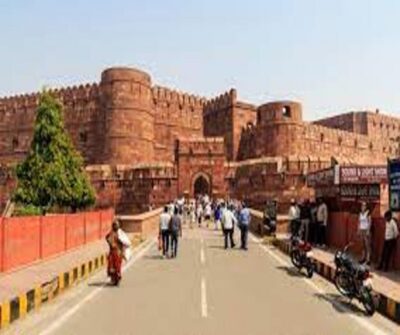
Monuments talk when someone knows their script. A Walk to Remember turns the Qutub Complex into one connected story of Delhi’s growth, guided on the ground with local context and a mobile ticket.
I like that it covers the site’s big names without making it feel like a checklist. It’s designed for a short walk that still gives you the “wait, that matters” moments.
I especially like the way the route traces major eras, from the early sultanate period into later dynasties. You’ll move through a mix of minarets, gateways, mosques, tombs, and even the spaces where people studied and traveled.
One thing to plan for: it needs good weather, and there’s no pick-up. You’ll meet at Qutub Minar and finish back at the same spot, so comfortable shoes help.
In This Review
- Key highlights before you go
- Why this 2-hour Qutub Complex walk works
- Start at Qutub Minar: the monument that sets the tempo
- Mughal Sarai and the “in-between” spaces
- Alai Minar: ambition in stone
- Royal Graveyard and Iltutmish Tomb: reading power like a biography
- Madarsa and Alauddin Khilji Tomb: learning and rule in one thread
- Quwwat Ul Mosque: where architecture carries the argument
- Alai Darwaza: the grand doorway moment
- Price and logistics: what you’re really paying for
- The guide makes the difference (especially Parul)
- Who should book this walk
- Should you book A Walk to Remember at Qutub Complex?
- FAQ
- How long is the Qutub Complex Heritage Walk?
- Where does the tour start and end?
- What’s included in the price?
- Is pick-up included?
- How big is the group?
- Do I need to print tickets?
- What happens if the weather is bad?
- Can I cancel and get a full refund?
Key highlights before you go
- Local storytelling from guides like Parul that makes Delhi’s past feel readable
- Qutub Complex spans several centuries, so you see shifting styles in one walk
- All the major stops are included, from Qutub Minar to Alai Darwaza
- Small group size (max 12) keeps the pacing human
- Admission ticket is included, so you don’t have to sort that out on the day
- Mobile ticket means less paper fuss once you arrive
Why this 2-hour Qutub Complex walk works
Qutub Complex can feel like a museum yard: impressive, but easy to wander through without a guide to stitch it together. This walk is built to do the stitching for you. In about 2 hours, you’re guided through a tight sequence of monuments and told what each one signals about power, faith, and everyday life in Delhi.
I love short guided tours like this because they solve a common Delhi problem: you want the history, but you don’t want to spend your whole day trying to interpret stones on your own. The small group limit (up to 12 people) helps a lot. It keeps questions possible and reduces that cattle-train feeling.
At $44 per person, the pricing also makes sense for what’s included. You get all fees and taxes, and the admission ticket is part of the package. That’s usually where “cheap” tours sneak in extra costs.
You can also read our reviews of more walking tours in New Delhi



Start at Qutub Minar: the monument that sets the tempo
Your walk begins at Qutub Minar, Seth Sarai, Mehrauli, New Delhi 110030. Qutub Minar isn’t just the star attraction. It’s the anchor that helps the rest of the complex click into place.
As you look up and around, you start understanding why Qutub Minar matters beyond its size. A minaret is a public statement. It’s built to be seen, and it signals who is claiming the sky for their worldview. With a good guide, that transforms your visit from photo-taking into pattern-recognition: you begin to notice how later structures respond to what came before.
One practical tip: since the meeting point is the starting point and the tour ends back there, you’ll feel less stressed about navigation. You don’t have to figure out a second drop-off.
Mughal Sarai and the “in-between” spaces
Not every stop in a heritage walk is a headline monument. That’s the value of including places like Mughal Sarai. Sarais were rest stops and hubs of activity, tied to travel routes and daily movement of people.
In a short walk, it’s easy to think only the tallest structures matter. Mughal Sarai helps you widen your mental frame. You start seeing the complex not just as a royal stage, but as part of a living landscape where people moved through.
This is also where your guide’s storytelling style really shows. You’re not just hearing names; you’re hearing why a building type shows up where it does.
Alai Minar: ambition in stone
Next comes Alai Minar. The name alone tells you it’s connected to a ruler’s vision. In many parts of Delhi, later projects are built either to outdo an earlier idea or to reinvent it. Alai Minar fits that theme: it’s the kind of monument that invites you to ask, what did the patron want to signal?
When this stop is explained well, you’ll notice how monuments are political tools. They’re not only religious or architectural. They’re also branding for an era. You’ll come away thinking in timelines, not just individual sights.
Royal Graveyard and Iltutmish Tomb: reading power like a biography
The walk then shifts from public markers to places associated with memory and rule: Royal Graveyard and the Iltutmish Tomb.
A tomb can look like just another beautiful structure at first glance. But with a guide, you start understanding it as a message designed to last. These spaces often reflect who wanted to be remembered, how authority was displayed, and what traditions were being followed or adapted.
I’d pay extra attention to transitions here. A heritage walk that changes tone mid-route is doing a good job. It prevents your mind from getting numb with constant sightseeing. After the minarets and gateway energy, the tomb area slows things down and makes the stories stick.
You can also read our reviews of more historical tours in New Delhi



Madarsa and Alauddin Khilji Tomb: learning and rule in one thread
Two more key stops follow: the Madarsa and the Alauddin Khilji Tomb.
Madarsa is the clue that this complex was never only about rulers and soldiers. It also points to learning and scholarship. Even if you’re not a history nerd, you’ll feel the relevance because it changes how you picture daily life around the monuments.
Then Alauddin Khilji Tomb brings you back to leadership and legacy. It’s the kind of stop where a guide’s pacing matters. If it’s done well, you don’t just hear dates. You hear why this tomb fits the wider story of Delhi’s rulers and how the site became a long-running stage for ambition.
If you happen to have a guide like Parul, this is where her storytelling style tends to shine. Multiple people mention her as a sharp, local guide who connects architecture to culture and makes the visit feel personal and easy to follow.
Quwwat Ul Mosque: where architecture carries the argument
Next is Quwwat Ul Mosque. Mosques aren’t only places for prayer. They’re also architectural summaries of an era’s beliefs, skills, and influences.
With this stop, you should expect a shift toward details—how spaces work, what the form communicates, and how the complex layers different influences over time. A good explanation helps you see how the mosque fits into the broader pattern of the site, rather than feeling like a separate category.
This is a stop you can enjoy even if you’re not great at technical architecture. The trick is to listen for the “why.” Why does it look like that. Why is it placed here. Why does it matter in the timeline of Delhi.
Alai Darwaza: the grand doorway moment
Finally, you end with Alai Darwaza. Gateways often get overlooked because people race to the biggest things. But a doorway is where style, power, and symbolism meet.
In many heritage sites, gates are designed for drama. They prepare you emotionally for what comes next and mark the boundary between outside life and a more controlled, ceremonial space. Alai Darwaza is the sort of monument that rewards a calm pace. Spend a minute longer than you want to. Let the structure’s proportions land.
After that, you finish back at the meeting point. That closing loop matters. It keeps the day feeling tidy, and you’re not left scrambling for directions after you’ve absorbed the stories.
Price and logistics: what you’re really paying for
Let’s talk value without marketing fog.
You pay $44 per person for a walk that runs about 2 hours. You also get:
- All fees and taxes
- Admission ticket included
- A mobile ticket
- A group capped at 12 people
What you don’t get is pick-up. You also need good weather, and the tour is tied to that reality.
So the practical question becomes: is this the right spend for you? If you plan to see Qutub Minar anyway, having the admission included is a win. If you’re the type who wants the “how this connects to that” story, the guide format is the core value. If you only want selfies and quick viewing, you might not use the guide time efficiently.
I think the sweet spot is people who enjoy architecture and context, but don’t want to build a self-guided timeline from scratch.
The guide makes the difference (especially Parul)
The strongest signal from the experience is the guidance. A local guide named Parul comes up repeatedly, described as smart and quick with cultural context, and praised for storytelling that turns a monument visit into a narrative.
That matters because Qutub Complex has a lot going on in a relatively compact area. Without a guide, you’ll still see beautiful structures. With a guide, you’ll understand why certain buildings exist, how rulers tried to leave their mark, and what each monument suggests about life around it.
Also, a guide can pace you. That’s not a small thing. When your time window is 2 hours, pacing decides whether the tour feels rewarding or rushed.
Who should book this walk
This is a good fit if:
- You want a guided route through major monuments without losing hours
- You like historical stories tied to what you’re actually seeing
- You prefer small groups and a conversational style
- You’re planning to spend most of your Delhi day in one area and want a clear plan
It may not be the best match if:
- You need pick-up and door-to-door convenience
- You only have time for a quick pass and don’t want to follow a set route for about two hours
- Weather is uncertain and you can’t be flexible
Should you book A Walk to Remember at Qutub Complex?
Yes, if you want your Qutub Minar visit to feel like a story with a beginning, middle, and end. This walk keeps the duration tight, includes the admission ticket, and uses a small group format that lets the guide’s explanations do real work.
My call: book it when you can handle a short guided walk and when the weather looks cooperative. You’ll get more than photos. You’ll leave with a clearer mental map of Delhi’s timeline and what the monuments are trying to say.
FAQ
How long is the Qutub Complex Heritage Walk?
It runs about 2 hours.
Where does the tour start and end?
It starts at Qutub Minar, Seth Sarai, Mehrauli, New Delhi 110030, India and ends back at the meeting point.
What’s included in the price?
All fees and taxes are included, and an admission ticket is included as part of the experience.
Is pick-up included?
No pick-up is included.
How big is the group?
The tour has a maximum of 12 travelers.
Do I need to print tickets?
No. It uses a mobile ticket.
What happens if the weather is bad?
The experience requires good weather. If it’s canceled due to poor weather, you’ll be offered a different date or a full refund.
Can I cancel and get a full refund?
Yes. You can cancel up to 24 hours in advance for a full refund.